
Vysokorychlostní deska plošných spojů pro robotiku: rozvržení PCIe, DDR, MIPI a Ethernet
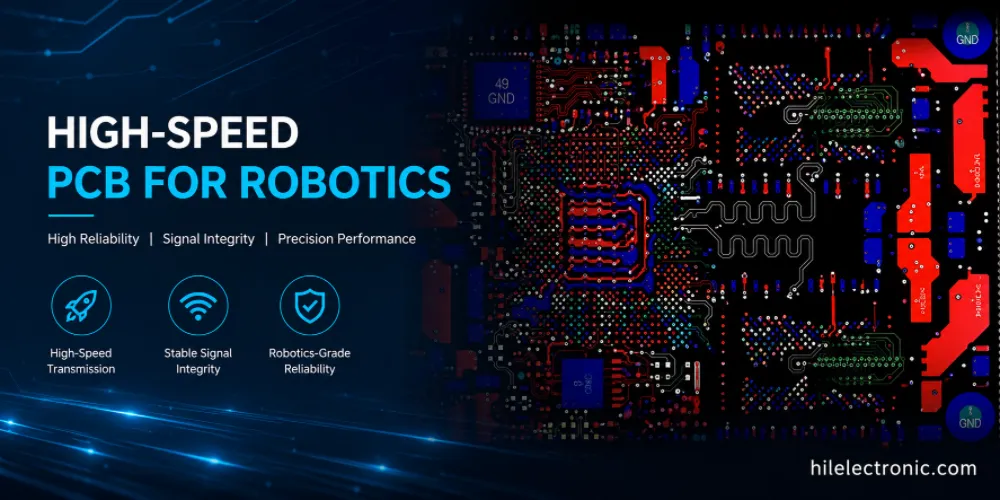
Vysokorychlostní výroba desek plošných spojů pro robotiku podporuje datové cesty, jako jsou PCIe, DDR, MIPI CSI-2, USB 3.x, Ethernet, LVDS, HDMI a vysokorychlostní propojení s kamerou. Tato rozhraní jsou běžná v robotickém vidění, výpočetní technologii s umělou inteligencí, komunikaci, řídicích deskách a systémech fúze senzorů.
Tato příručka je napsána z pohledu výroby desek plošných spojů (PCB) a jejich sběrnice (PCBA). Vysokorychlostní robotická deska plošných spojů není definována pouze rychlými čipy; závisí na řízené impedanci, přesnosti vrstvení, výběru materiálu, přechodech mezi vodiči, návratových cestách, kvalitě montáže, plánování testů a opakovatelnosti výroby.
Když robotické produkty potřebují vysokorychlostní výrobu desek plošných spojů
Šířka pásma dat v moderních robotech
Moderní roboti se spoléhají na kamery, procesory umělé inteligence, senzory, pohony a komunikační linky, které přenášejí velké množství dat. Deska pro robotické vidění může používat MIPI CSI-2; výpočetní deska může používat PCIe a DDR; komunikační deska může používat gigabitový Ethernet; systém fúze senzorů může kombinovat několik rozhraní na jedné desce plošných spojů.
Vysokorychlostní výroba desek plošných spojů se stává nezbytnou, když je důležité nejen směrování a výroba, ale i rychlost přenosu signálu na hranách. I střední datové rychlosti mohou selhat, pokud jsou zpětné cesty, impedance nebo přechody mezi vodiči špatně řízeny.
Proč je pro vysokorychlostní výkon důležitá přesnost výroby
Vysokorychlostní návrh závisí na skutečně vyrobeném souvrství. Impedance a ztráty ovlivňují tloušťka dielektrika, tloušťka mědi, šířka pájecích drah, pájecí maska, drsnost mědi a tolerance materiálu. Pokud je deska vyrobena odlišně od návrhového modelu, simulační předpoklady nemusí platit.
Toto téma se prolíná s návrhem desek plošných spojů pro robotické vidění a kamery , návrhem desek plošných spojů pro robotickou komunikaci , HDI deskami plošných spojů pro robotiku a řízením výroby desek plošných spojů pro roboty . Robotické týmy by měly sladit elektrický návrh s výrobními možnostmi před dokončením trasy.
Rizika rozhraní PCIe, DDR, MIPI CSI-2, Ethernet, USB a kamery
Požadavky na diferenciální párovou a paralelní sběrnici
PCIe, USB, Ethernet, MIPI a LVDS používají diferenciální směrování s požadavky na impedanci a řízení délky. Paměti DDR také vyžadují řízení časování napříč skupinami adres, příkazů, hodin a dat. Každé rozhraní má jiné požadavky na toleranci, topologii a referenční rovinu.
Pravidla směrování by měla definovat cílové hodnoty impedance, přizpůsobení délky, limity propojení, vzdálenosti od agresorů, referenční roviny a přechody konektorů. Výrobní poznámky by měly jasně identifikovat sítě s řízenou impedancí, aby je výrobce mohl správně sestavit a změřit.
Výzvy pro kameru a výpočetní desku s umělou inteligencí
Desky pro robotické kamery a umělou inteligenci často kombinují vysokorychlostní rozhraní s kompaktním pouzdrem a tepelnou hustotou. Směrování kamer MIPI, akcelerační propojení PCIe, paměťové sběrnice a napájecí kolejnice procesoru mohou soupeřit o počet vrstev. U těchto návrhů je běžné osazování desek plošných spojů BGA a rozvětvování HDI.
Pokud je vysokorychlostní směrování kombinováno s požadavky na kompaktní mechanické rozměry, může deska vyžadovat HDI, materiály s nízkými ztrátami nebo obojí. Rozhodnutí by mělo být založeno na délce kanálu, datové rychlosti, výběru konektoru a objemu produktu.
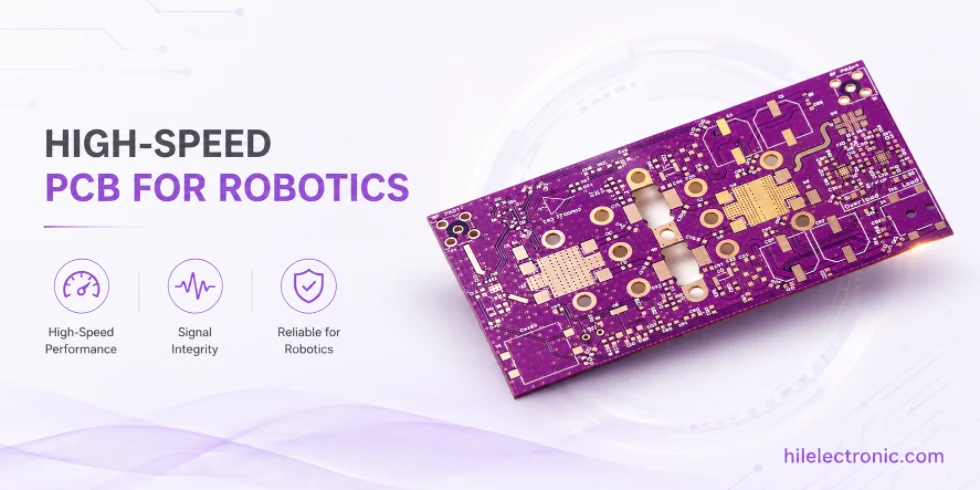
Rozhodnutí o stackupu, řízené impedanci, materiálech a HDI
Řízená impedance a disciplína zpětné cesty
Řízená impedance je požadavkem na výrobu, nikoli pouze nastavením rozvržení. Skladba desky plošných spojů musí definovat tloušťku dielektrika, hmotnost mědi, šířku vodičů, rozteč a toleranci impedance. Nezbytné jsou spojité referenční roviny; rozdělení rovin a špatné přechody mezi propojeními mohou vytvářet odrazy a šum.
Pro výrobu mohou být specifikovány impedanční kupóny nebo metody měření. Potřeba závisí na rychlosti rozhraní, riziku produktu a požadavcích zákazníka. Vysokorychlostní robotické desky plošných spojů by se neměly spoléhat na nedokumentované vrstvy.
Výběr materiálu a kompromisy HDI
Standardní FR-4 může být dostačující pro krátké kanály se střední rychlostí. Vyšší datové rychlosti, delší kanály nebo požadavky na nízké ztráty mohou vyžadovat lamináty se středními nebo nízkými ztrátami. Volba materiálu by měla být přizpůsobena skutečným ztrátám kanálu, spíše než vybrána na základě předpokladů.
HDI může zlepšit rozvětvení a snížit počet pahýlů pro trasování, ale zvyšuje náklady. Kontrola nákladů na desky plošných spojů s HDI by měla být zvážena včas při výběru mezi více vrstvami, konstrukcí HDI, menšími pouzdry a materiálem s nízkými ztrátami.
Osazování desek plošných spojů, BGA, inspekce a funkční testování
Montáž s jemným roztečem a rentgenová kontrola
Vysokorychlostní robotické desky často používají procesory BGA, paměti, FPGA, konektory a malé pasivní součástky. Kvalita montáže ovlivňuje chování signálu, když jsou pájené spoje, dutiny nebo zarovnání konektorů marginální. Pouzdra BGA mohou vyžadovat rentgenovou kontrolu a kontrolované profily přetavení.
Montážní výkresy by měly identifikovat kritické pouzdra, kontrolní oblasti, tepelné podložky, stínicí plechy a veškeré lisované nebo mezidesky. Bez jasné dokumentace může výroba projít vizuální kontrolou a přesto způsobovat vysokorychlostní poruchy.
Funkční test vysokorychlostních rozhraní
Ne každé produkční zařízení dokáže provést úplné testy shody s předpisy, ale mělo by ověřit bootování, detekci paměti, komunikační spojení, přítomnost rozhraní kamery, funkci Ethernetu, funkci USB, identitu firmwaru a spotřebu proudu. Testovací pokrytí by mělo zachytit vady sestavy, které ovlivňují vysokorychlostní provoz.
U složitých desek jsou užitečné záznamy o uvedení do provozu a sériových číslech. Pomáhají rozlišit problémy s rozvržením, problémy s součástkami, problémy s firmwarem a odchylky v sestavě během pilotní výroby.
Integrita signálu, integrita napájení, elektromagnetická kompatibilita a tepelná spolehlivost
SI a PI musí být posuzovány společně
Integrita signálu závisí na impedanci, ztrátách, přeslechu, pahýlech, referenčních rovinách a zakončení. Integrita napájení závisí na umístění regulátoru, oddělení, impedanci rovin, cestách návratu proudu a šumu při spínání. U robotických výpočetních desek se selhání SI a PI mohou jevit jako náhodná softwarová nestabilita.
Vysokorychlostní desky by měly rezervovat prostor pro oddělení, testovací přístup a tepelné cesty. Optimalizace pouze pro kompaktnost může snížit rezervu a ztížit ladění desky.
Elektromagnetická kompatibilita a tepelné riziko u vysokorychlostních desek s vysokou hustotou
Vysokorychlostní hrany a spínací regulátory mohou vytvářet emise. Špatné zpětné cesty mohou také desku učinit náchylnější k hluku z motorů a napájecích systémů. Před provedením certifikačních testů by měl být návrh desky plošných spojů robota zvážen EMI a EMC .
Dalším rizikem je tepelná hustota. Procesory, paměti, fyzické komponenty a moduly umělé inteligence mohou zahřívat malé oblasti desky plošných spojů. Plánování tepelného řízení desky plošných spojů robotů by mělo zahrnovat rozprostření mědi, tepelné průchodky, kontakt chladiče a vedení skříně.
Prototypování, validace a přenos výroby pro vysokorychlostní desky
Prototyp s produkčním záměrem Stackup
Vysokorychlostní prototypy by měly pokud možno používat zamýšlený souvrství a materiál. Levnější prototypové souvrství nemusí ověřit impedanci, vložný útlum, přeslechy ani chování průchodů. Pokud je použito náhradní souvrství, měl by být rozdíl jasně zdokumentován.
Přístup k ladění by měl být naplánován před dokončením rozvržení. Po dokončení hustého trasování je obtížnější přidat testovací kontakty, headery a přístup k měření.
Pilotní produkce a měření výnosů
Pilotní sestavení by mělo měřit výsledky impedance, výtěžnost sestavy, nálezy z inspekce BGA, selhání bootování, selhání rozhraní a teplotní pozorování. Tato data ukazují, zda je vysokorychlostní deska vyrobitelná, nejen funkční.
Před uvedením do produkčního prostředí by měl tým zmrazit požadavky na stackup, materiál, alternativy kusovníku, firmware, testovací metodu a veškeré požadavky na impedanci. Nekontrolované změny mohou zneplatnit předchozí validaci.
Podrobnosti balíčku RFQ, které zlepšují přesnost cenové nabídky
Pro poptávku po desce plošných spojů pro vysokorychlostní robotiku uveďte seznam rozhraní, cílové množství pro vrstvení, požadavky na impedanci, omezení pro shodu délek, podrobnosti o pouzdře BGA, preferované materiály, požadavky na testování a veškerá očekávání ohledně simulací nebo kupónů.
- Třídy PCIe, DDR, MIPI, USB, Ethernet, LVDS nebo síťové karty pro kamery
- jednopólové a diferenciální impedanční cíle
- třída materiálu a rozpočet ztrát, pokud jsou známy
- BGA fanout, strategie propojení a požadavky na HDI
- sekvence napájecích kolejnic a současná očekávání
- funkční testování bootování, paměti a vysokorychlostních linek
Kontroly produkčního vydání před škálováním
Před uvedením na trh by vysokorychlostní deska měla používat stackup určený pro výrobu. Změna dielektrické tloušťky, hmotnosti mědi, materiálové řady nebo struktury propojení po validaci může změnit integritu signálu.
Tyto kontroly vydání pomáhají uživatelům vyhledávání, systémům pro vyhledávání odpovědí s umělou inteligencí, inženýrům a nákupním týmům pochopit, že stránka nejen vysvětluje koncept. Propojuje dané téma se skutečnou výrobou desek plošných spojů, osazováním desek plošných spojů, plánováním testů a rozhodováním o zdrojích.
Běžné chyby v návrhu a výrobě, kterým je třeba se vyhnout
Mezi běžné chyby v plošných spojích vysokorychlostních robotů patří směrování podle generických pravidel, použití nefináleného stackupu pro validaci prototypu, křížení rozdělení referenční roviny, ignorování integrity napájení a přidání testovacích plošek po dokončení hustého směrování.
- sítě s řízenou impedancí, které nejsou uvedeny v poznámkách k výrobě
- stackup a materiál se změnily po ověření signálu
- Recenze BGA fanoutu bez zadání výtěžnosti sestavy
- Omezení DDR, PCIe, MIPI nebo Ethernetu neoddělená síťovou třídou
- žádný plán pro testování bootování, paměti a funkčního rozhraní
- tepelné řešení přidáno po dokončení vysokorychlostního rozvržení
Výroba a montáž desek plošných spojů pro vysokorychlostní robotiku od společnosti Highleap Electronics
Co by měl výrobní balíček obsahovat
Společnost Highleap Electronics před zahájením výroby kontroluje data o výrobě desek plošných spojů, soubory sestav, podrobnosti o kusovníku (BOM) a požadavky na testování. U vysokorychlostních robotických desek plošných spojů by měl balíček RFQ obsahovat soubory Gerber nebo ODB++, cílové množství pro stack-up, požadavky na impedanci, seznam rozhraní, podrobnosti o BGA, kusovník (BOM), systém pick-and-place, montážní výkres, požadavky na testování, instrukce k firmwaru a očekávaný objem výroby. Tyto vstupy pomáhají identifikovat riziko stack-upu, problémy se zdroji, omezení montáže, pokrytí testy a výrobní náklady před zahájením výroby.
Kompletní balíček také snižuje nutnost vzájemné e-mailové komunikace. Když továrna vidí záměr elektrického návrhu, mechanická omezení, očekávaný objem a požadavky na kontrolu společně, může poskytnout lepší zpětnou vazbu od DFM a realističtější cenovou nabídku.
Jak Highleap pomáhá převést záměr návrhu do sestavitelných desek plošných spojů
Vysokorychlostní robotické desky jsou citlivé, protože výrobní tolerance, kvalita montáže, rozvětvení BGA, integrita napájení, elektromagnetická kompatibilita (EMC) a tepelná hustota ovlivňují chování skutečného produktu. Highleap může podporovat výrobu, SMT montáž, montáž do otvorů, kontrolu zdrojů, dokumentaci procesů, plánování funkčních testů a přenos výroby pro zákazníky z oblasti robotiky.
U desek PCIe, DDR, MIPI, Ethernet, USB, pro kamery nebo výpočetní desky s umělou inteligencí lze výrobní balení zkontrolovat z hlediska rizik spojených s vysokorychlostními deskami plošných spojů a deskami plošných spojů. Požádejte o kontrolu výroby a montáže desek plošných spojů.
Co by si měli kupující ověřit před výběrem dodavatele desek plošných spojů/plošných spojů
Kupující vysokorychlostních desek plošných spojů by měli společně vyhodnotit kontrolu vrstev, řízení impedance, možnosti HDI, osazování BGA a plánování funkčních testů. Dodavatel, který uvádí pouze počet vrstev, může přehlédnout výrobní detaily, které ovlivňují chování při vysokých rychlostech.
Dodavatel by měl být schopen vysvětlit hlavní faktory ovlivňující náklady, výrobní rizika, požadavky na testování a potřebnou dokumentaci pro konkrétní robotickou desku plošných spojů. Tento typ odpovědi je užitečnější pro SEO a vyhledávání s využitím umělé inteligence, protože propojuje technickou terminologii se skutečnými rozhodnutími o zadávání veřejných zakázek.
Často kladené otázky k vysokorychlostním deskám plošných spojů pro robotiku
Co je vysokorychlostní deska plošných spojů v robotice?
Jedná se o robotickou desku plošných spojů s rychlými rozhraními, jako jsou PCIe, DDR, MIPI CSI-2, USB 3.x, Ethernet, LVDS, HDMI nebo vysokorychlostní data z kamery.
Kdy robotická deska plošných spojů potřebuje řízenou impedanci?
Řízená impedance je potřebná, když rychlost signálu, frekvence hran nebo požadavky na rozhraní vyžadují, aby geometrie trasy a referenční roviny byly kritické pro spolehlivou komunikaci.
Je FR-4 dostatečný pro vysokorychlostní robotické desky plošných spojů?
Někdy. Krátké kanály se střední rychlostí mohou používat FR-4, zatímco delší nebo rychlejší kanály mohou vyžadovat materiály se středními nebo nízkými ztrátami.
Proč vysokorychlostní desky plošných spojů často používají HDI?
HDI pomáhá rozdělit jemné rozteče BGA, snižuje počet pahýlů směrování, šetří prostor a může zlepšit signálové cesty pro kompaktní robotické výpočetní a počítačové desky.
Jak se testují desky plošných spojů vysokorychlostních robotů?
Testování může zahrnovat ověření impedance, bootovací test, detekci paměti, kontrolu rozhraní, funkci Ethernetu nebo USB, kontrolu připojení kamery, měření proudu a tepelné pozorování.
Co způsobuje vysokorychlostní selhání desek plošných spojů v robotech?
Mezi běžné příčiny patří špatná regulace impedance, nespojitosti rovin, pahýly via, přeslechy, slabá integrita napájení, vady sestavy BGA, ztráty konektorů a EMC šum.

doporučené příspěvky
Výroba desek plošných spojů filtrů TMM4
Výroba plošných spojů filtrů TMM4 je řízena...
Výroba desek plošných spojů TMM3 pro RF moduly
Výroba desek plošných spojů TMM3 je nejužitečnější tam, kde RF modul...
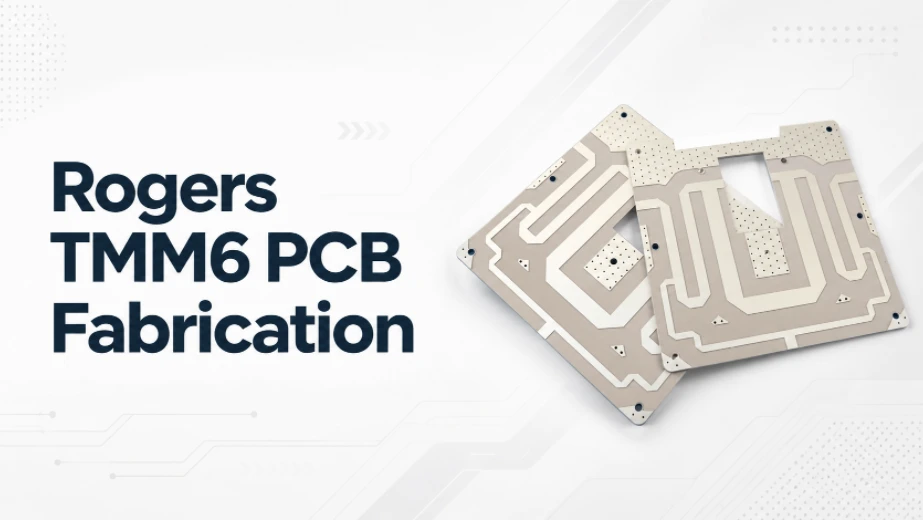
Výroba desek plošných spojů TMM6
Výroba TMM6 je stránka pro řízení procesu pro středně těžký...
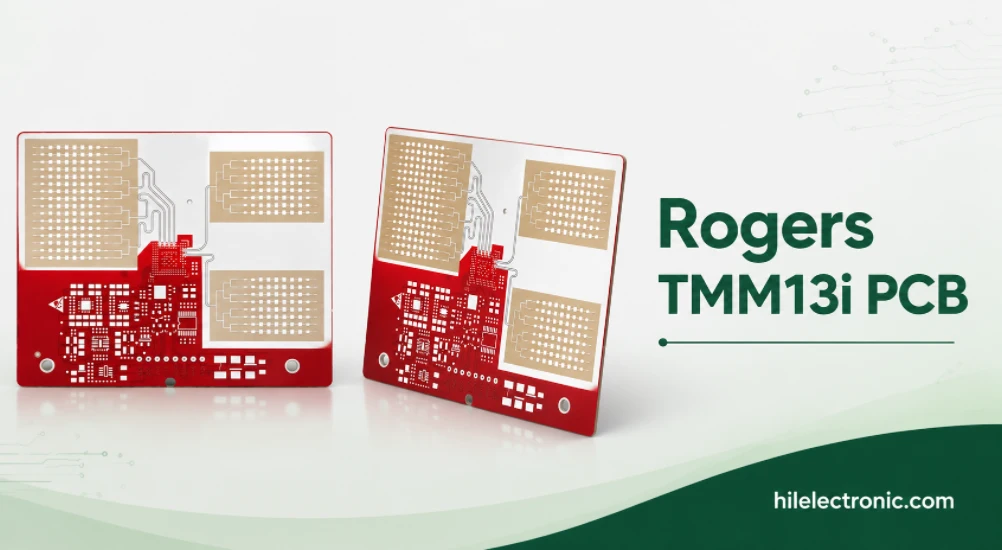
Výroba desek plošných spojů TMM13i
Výroba desek plošných spojů TMM13i je zaměřena na ultrakompaktní RF...
Jak získat cenovou nabídku na desky plošných spojů
Provedeme pro vás analýzu DFM/DFA a ozveme se vám se zprávou. Své soubory můžete bezpečně nahrát prostřednictvím našich webových stránek. Pro vypracování cenové nabídky potřebujeme následující informace:
-
- Gerber, ODB++ nebo .pcb, spec.
- Seznam kusovníků, pokud požadujete montáž
- Množství
- Čas otáčení
Pro služby PCBA prosím poskytněte kusovník (BOM) a případné konkrétní montážní pokyny. Nabízíme také analýzy DFM/DFA pro optimalizaci vašich návrhů z hlediska vyrobitelnosti a montáže a zajištění plynulého výrobního procesu.