
LED-spotlight og projektionsprintkort: Højflux-lysmotorer, optisk registrering og drivere
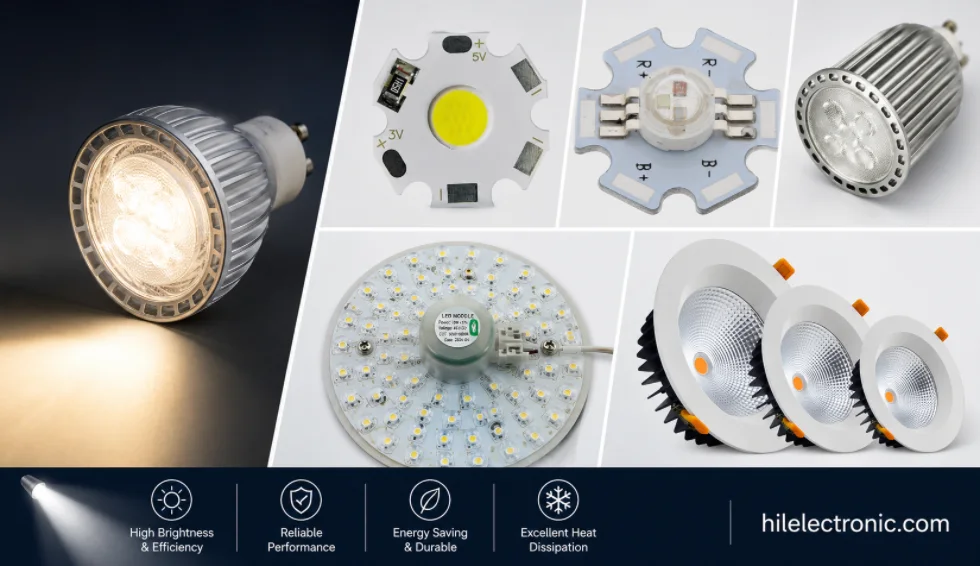
Figur 1. Reference til fremstilling af printkort for LED-spotlight.
Indholdsfortegnelse
- Hvad en projektions- eller spotlighttavle kan levere
- Højflux-lysmotorer og optisk registrering
- Drivere og dæmpning til højtydende spotlights
- Pladerne i en spotlightarmatur
- Udendørs hærdning til facade- og skilteprojektion
- Hvorfor én fabrik til motor, optisk klar printplade og driver
- Spotlight- og projektions-LED-printkort — Ofte stillede spørgsmål
En projektionslampe eller spotlight har én funktion: at kaste en kontrolleret, intens stråle præcis derhen, hvor den er rettet – at polere en bygningsfacade, markere et billboard eller oplyse en udstilling. Det kræver meget lys fra en lille, præcist placeret kilde, for jo tættere og renere strålen er, desto mere præcis skal den lysudstrålende overflade være i forhold til optikken. Lysmotoren er der, hvor denne præcision findes.
Highleap Electronics er en fuldt udstyret intern printkortfabrikation og komplet printkortfabrik , og højfluxmotorer med snævre placeringstolerancer er præcis den slags krævende metalkerne- og COB-arbejde, som vores linjer specialiserer sig i. Vi bygger motoren, højstrømsdriveren og ethvert styrekort og samler dem i et testet modul. Denne guide dækker den højflux- og optiske registreringsteknik, som en spotlight har brug for, og hvordan man bestiller. Den bredere kategori findes på vores programside for belysnings-printkort.
Hurtigt svar: En spotlight eller projektionsarmatur kræver en højflux-lysmotor, hvis lysudstrålende overflade er præcist placeret til optikken, plus en højstrømsdriver til at drive den. Highleap Electronics fremstiller og samler COB- og SMD-motorer med høj densitet på metalkerne- eller kobbersubstrater med snævre optiske registreringstolerancer, matchede højstrømsdrivere og udendørs hærdning til facade- og skiltebrug - til MOQ 1 med et 24-timers tilbud.
Hvad en projektions- eller spotlighttavle kan levere
Spotlights og projektionslamper adskiller sig fra generel belysning på én afgørende måde: lysstrålen skal styres. Generel belysning spreder lyset rundt; en spotlight koncentrerer det i en defineret strålevinkel og kaster det over en afstand. Det stiller to krav til tavlen - høj lysstrøm fra en kompakt kilde og præcis placering af kilden, så reflektoren eller linsen kan danne en ren stråle.
Høj flux fra et lille område betyder høj effekttæthed og derfor betydelig varme, hvilket er et arbejde med en metalkerne eller kobberkerne. Præcis placering betyder, at LED'en - især en COB's lysudstrålende overflade - skal sidde, hvor optikken forventer den, med snævre tolerancer. En spotlight-motor er derfor både et termisk printkort og et præcisionsmekanisk printkort på én gang, hvilket er grunden til, at det er specialiseret arbejde.
Højflux-lysmotorer og optisk registrering
Spotlight-motoren er værd at undersøge nøje, fordi to ting - fluxtæthed og optisk registrering - bestemmer, om armaturet sender en tæt, ren stråle eller en ujævn, ujævn en.
Høj flux fra en kompakt kilde. Strålekontrollen forbedres, når kilden bliver mindre og lysere, hvilket er grunden til, at spotlights foretrækker koncentrerede emittere. COB (chip-on-board) pakker mange LED-chips ind i en enkelt lille lysudstrålende overflade, hvilket giver den klare, kompakte kilde, som en smalstråleoptik har brug for. SMD-arrays med høj densitet udfører lignende arbejde for nogle armaturer. Uanset hvad bærer kortet mange watt på et lille område:
- Kobberkerne og metalkerne med høj ledningsevne — for hurtigt at flytte den koncentrerede varme væk og holde COB-forbindelsen kølig, ofte på vores metal-kerne eller, for de mest intense armaturer, kobberkerneledning.
- Tungt kobber til strøm — motorer med høj flux trækker høj strøm, så tungt kobber routing bærer den uden tab eller opvarmning.
- Termisk grænseflade til kølepladen — motoren er konstrueret således, at dens varmevej til armaturets køleplade er kort og har lav modstand, fordi en varm COB mister output og skifter farve præcis der, hvor strålen koncentrerer den.
Optisk registrering — den præcision, der skaber strålen. Dette er den del, som generel belysning aldrig bekymrer sig om. En smalstrålende reflektor eller linse danner sin stråle fra det lys, der forlader kilden, og den antager, at kilden er i en præcis position. Hvis LED'en eller COB'en sidder bare en smule forskudt — sideværts, rotationsmæssigt eller i højden — forringes strålen: den spreder sig, udvikler hotspots eller skaber et ujævnt mønster. Så printpladen skal placere emitteren præcist og give optikken noget at registrere imod:
- Snæver placeringstolerance — Samleprocessen placerer COB- eller LED-arrayet til den snævre tolerance, som optikken kræver, langt strammere end en projektør- eller panellampe har brug for.
- Registreringsfunktioner — lokalisering af huller, referencepunkter eller mekaniske referencer på printkortet, så den sekundære optik sidder præcist på linje med den lysudstrålende overflade hver gang.
- Lysudstrålende overfladekontrol — COB'ens udsendelsesområde er tilpasset optikkens design, så strålen kommer ud som specificeret.
- Gentagelsesnøjagtighed — hver plade i en produktionsserie placerer lyskilden identisk, så hver armatur kaster den samme stråle; inkonsekvent placering betyder en samling af spotlights, der hver især sigter lidt forskelligt.
At få fluxtæthed og optisk registrering til at passe sammen er kernen i design af spotlight-motorer, og det er lige så meget monteringsdisciplin som layoutarbejde. At bygge motoren og matche den med optik og driver i ét anlæg er, hvordan placeringspræcisionen, den termiske bane og drivstrømmen alle stemmer overens for at producere den rene, repeterbare stråle, som et projektionsarmatur bedømmes ud fra.
Drivere og dæmpning til højtydende spotlights
En højfluxmotor har brug for en driver, der kan forsyne den rent. Vi bygger driverkort til højtydende spotlights med den aktuelle kapacitet og styrer, som disse armaturer har brug for:
- Høj konstant strøm — leverer den betydelige strøm, som en COB eller et tæt array trækker, med stram regulering for stabil output.
- Dæmpning og effekter — 0-10 V, DALI eller DMX-styring til arkitektonisk og underholdningsmæssig projektion, inklusive jævne overtones.
- Farve og justerbare muligheder — hvor armaturet skifter farve eller temperatur, koordineret styring af kanalerne.
- Termisk loftshøjde — driveren er designet til at køre køligt sammen med en varm motor, da begge deler armaturet.
Driverstrømmen er bygget sammen med motoren og indstilles præcist til den emitter, og dæmpningen holder farven stabil i hele spektret.
Pladerne i en spotlightarmatur
Et projektionsarmatur, især et arkitektonisk eller skiltebaseret armatur, er et produkt med flere plader, og vi bygger sættet:
- Højflux lysmotor — COB eller tæt SMD metal-kerne tavle med optisk registrering.
- Højstrømsdriver - Den driver forsyning af motoren, ofte med DMX/DALI-styring.
- Farve-/effektkontrolkort — til farveskiftende facade- og skilteprojektion.
- Overspænding og beskyttelse — til udendørs facade- og billboardarmaturer, der er udsat for elnettet og vejret.
At bygge disse sammen betyder, at motor, optik, driver og styring er designet som ét stråledannende system.
Udendørs hærdning til facade- og skilteprojektion
Det meste projektionslys peger mod bygninger og billboards udefra, så tavlerne får udendørsbehandling: konform belægning mod fugt, overspændingsbeskyttelse til nettilsluttede armaturer og termisk design, der holder til direkte sommersol oven på motorens egen varme. Til facadearmaturer, der dækker store områder, bygger vi også relaterede projektørmotorer , og vi matcher beskyttelsesniveauet til montering og klima under DFM-gennemgangen.
Hvorfor én fabrik til motor, optisk klar printplade og driver
En spotlight bedømmes på sin stråle, og strålen afhænger af, at emitteren er præcist placeret, korrekt kølet og rent drevet – tre ting, der skal stemme overens. Når placering, termisk design og drivstrøm kommer fra separate leverandører, lider strålen, og ingen ejer resultatet. Når én producent placerer emitteren inden for tolerance, designer varmebanen og matcher driveren, sender armaturet den rene, repeterbare stråle, den er designet til.
Highleap Electronics bygger højfluxmotoren med optisk registrering, højstrømsdriveren og styrekortet sammen til MOQ 1, så du kan teste en stråle før volumen. Send din målflux, strålevinkel og optik til vores LED PCBA- team for et 24-timers tilbud.
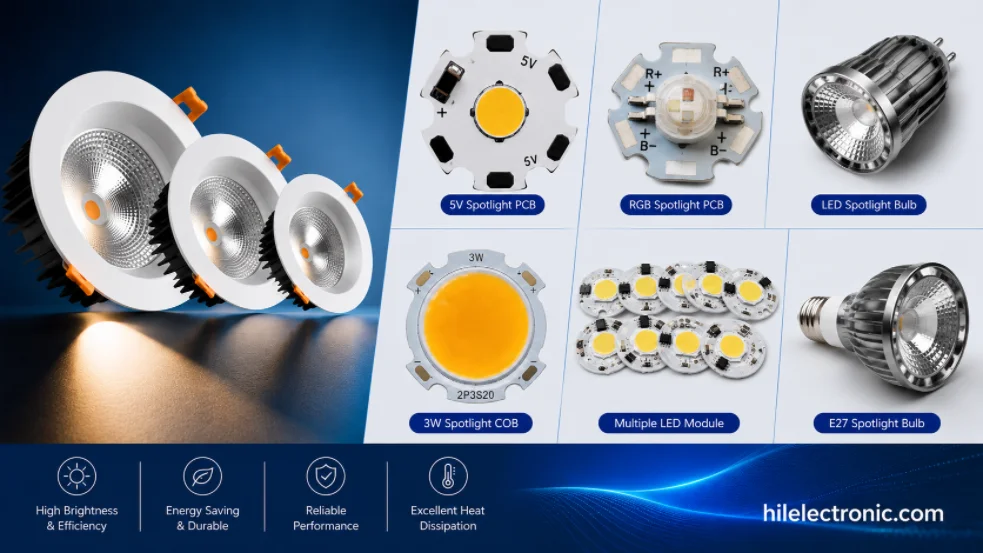
Figur 2. Detaljer om produktion og montering af LED-spotlight-printkort.
Spotlight- og projektions-LED-printkort — Ofte stillede spørgsmål
Hvorfor er LED-placering så vigtig for en spotlight, men ikke for en panellampe?
Fordi en spotlights optik danner en tæt stråle og antager, at den lysende overflade er i en præcis position. Hvis COB- eller LED-arrayet sidder en smule skævt – sideværts, rotationsmæssigt eller i højden – spredes strålen, udvikler hotspots eller sigter ujævnt. En panellampe spreder bare lyset rundt og er ligeglad. Derfor samles spotlight-motorer med snævre placeringstolerancer med registreringsfunktioner (referencepunkter, lokaliseringshuller), så optikken sidder præcist justeret hver gang, og hvert printkort i kørslen placerer kilden identisk.
Kan man bygge højflux COB-motorer og holde dem kølige?
Ja. Højflux-spotlights koncentrerer mange watt på et lille område, så vi bygger COB- og tæt-SMD-motorer på højkonduktive metalkerne- eller kobberkernesubstrater med tung kobber til strømmen, og vi designer en kort varmebane med lav modstand til armaturets køleplade. Det er vigtigere at holde COB-forbindelsen kølig her end næsten andre steder, fordi en varm emitter mister output og skifter farve lige der, hvor strålen koncentrerer den.
Bygger du driveren og farvekontrollen samt motoren?
Ja. Vi bygger højstrømsdriveren , der forsyner en højfluxmotor med 0-10 V, DALI- eller DMX-styring til arkitektonisk og underholdningsmæssig projektion, plus farve-/effektstyringskort til farveskiftende facade- og skiltearmaturer. Driverstrømmen , der er bygget sammen med motoren, er indstillet til den nøjagtige emitter, og dæmpningen holder farven stabil i hele området.
Kan disse armaturer bruges udendørs på facader og billboards?
Ja. Det meste projektionsbelysning er udendørs, så vi tilføjer konform belægning mod fugt, overspændingsbeskyttelse til nettilsluttede armaturer og termisk design, der overlever direkte sollys oven på motorens varme. Vi matcher beskyttelsesniveauet til montering og klima under DFM-gennemgangen og bygger relaterede projektørmotorer til facadebeskyttende armaturer.

anbefalet Indlæg
Taconic RF 35 vs. RO4350B printkort
Indholdsfortegnelse RF-35 vs RO4350B Indkøb og...
TMM4 Filter PCB Fremstilling
Fremstilling af TMM4-filterprintkort styres af...
TMM3 PCB-fremstilling til RF-moduler
TMM3 PCB-fremstilling er mest nyttig, hvor RF-modulet...
TMM6 PCB-fremstilling
TMM6-fabrikation er processtyringssiden for en mellem-Danmark...
Sådan får du et tilbud på printkort
Lad os køre en DFM/DFA-analyse for dig og vende tilbage til dig med en rapport. Du kan uploade dine filer sikkert via vores hjemmeside. Vi har brug for følgende oplysninger for at kunne give dig et tilbud:
-
- Gerber, ODB++ eller .pcb, spec.
- Stykliste, hvis du ønsker montering
- Antal
- Vendetid
For PCBA-tjenester bedes du fremvise din BOM (Bill of Materials) og eventuelle specifikke monteringsinstruktioner. Vi tilbyder også DFM/DFA-analyse for at optimere dine designs med hensyn til fremstillingsevne og montering, hvilket sikrer en problemfri produktionsproces.