
Leiterplattenmaterial mit niedrigem Dk-Wert und niedrigem Df-Wert für Hochgeschwindigkeitssignale
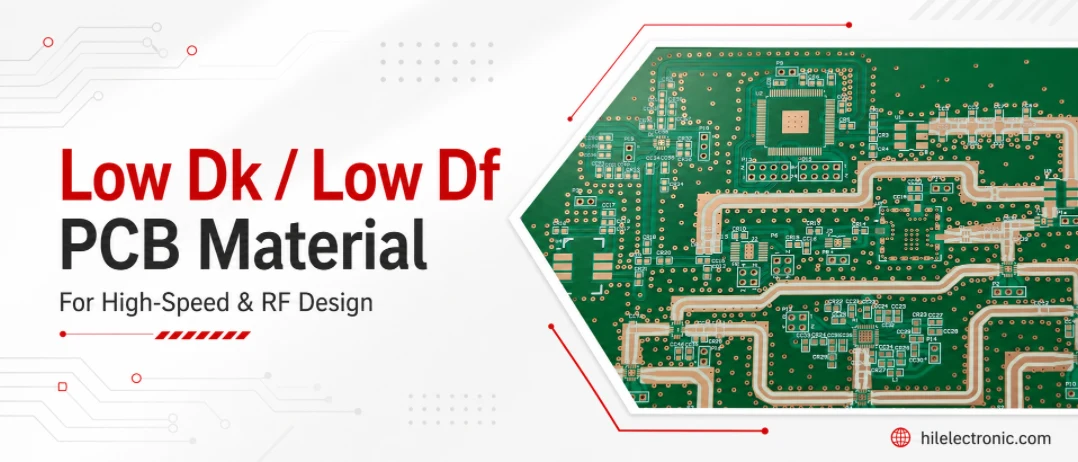
Abbildung 1. Auswahl verlustarmer Leiterplattenmaterialien für Hochgeschwindigkeitsplatinen.
Zwei Kennzahlen im Datenblatt eines Laminats sind für die Hochgeschwindigkeitsleistung wichtiger als alle anderen: die Dielektrizitätskonstante (Dk) und der Verlustfaktor (Df). Sie bestimmen gemeinsam die Signalgeschwindigkeit, die Leiterbahngeometrie für die gewünschte Impedanz und wie viel vom Signal die Übertragung übersteht. Laminate mit niedrigem Dk- und Df-Wert optimieren beide Eigenschaften – und stehen im Mittelpunkt der Diskussionen um Hochgeschwindigkeitsdesign sowie der Materialknappheit im Jahr 2026. Dieser Leitfaden erklärt die Bedeutung dieser Parameter, die Vorteile eines Materials mit niedrigem Dk- und Df-Wert, den Vergleich mit FR-4 und die zu erwartenden Auswirkungen auf Fertigung, Kosten und Lieferzeiten.
Was niedrige Dk- und niedrige Df-Werte bedeuten
Die Dielektrizitätskonstante (Δk) , auch relative Permittivität genannt, beschreibt, wie stark ein Dielektrikum das elektrische Feld bremst und speichert. Ein niedrigerer Δk-Wert ermöglicht eine schnellere Signalausbreitung und vereinfacht die Impedanzkontrolle, da ein Material mit niedrigerem Δk-Wert bei vorgegebener Zielimpedanz eine flexiblere Leiterbahngeometrie erlaubt. Δk muss zudem stabil sein – also über den gesamten Frequenzbereich und das gesamte Glasfasergewebe konstant –, da Schwankungen zu Impedanzsprüngen und Impedanzverzerrungen zwischen Differenzialpaaren führen.
Der Verlustfaktor (Df) , auch Verlustfaktor genannt, misst, wie viel Signalenergie das Dielektrikum absorbiert und in Wärme umwandelt. Ein niedrigerer Df-Wert bedeutet geringere dielektrische Verluste, die den dominierenden Verlustmechanismus bei langen Hochdatenkanälen darstellen. Materialien mit niedrigem Dk-Wert und niedrigem Df-Wert vereinen daher eine einfache und stabile Impedanzregelung mit geringen Signalverlusten – genau das, was ein Hochdatenkanal benötigt. Die vollständigen Definitionen und deren Zusammenhänge finden Sie unter „Dielektrizitätskonstante und Verlustfaktor“ sowie „Dielektrizitätskonstante von Leiterplatten“.
Vorteile der Signalverlustreduzierung
Der Hauptvorteil von Materialien mit niedrigem Dk/Df-Wert liegt darin, die Einfügungsdämpfung im Kanal im Rahmen zu halten. Die Einfügungsdämpfung auf einem Leiterplattenkanal resultiert hauptsächlich aus zwei Ursachen: dielektrischen Verlusten (bestimmt durch Df) und Leiterverlusten (bestimmt durch die Kupferrauheit und den Skin-Effekt). Eine Reduzierung von Df wirkt sich direkt auf die dielektrische Komponente aus; in Kombination mit einer glatten, flachen Kupferfolie wird die Leiterkomponente reduziert. Das Ergebnis ist ein Kanal, der genügend Signalamplitude und Flankentreue für den Empfänger erhält, um die Daten zu rekonstruieren – ein offenes statt eines geschlossenen Auges.
Dies gewinnt mit steigenden Datenraten an Bedeutung, da die Dämpfung mit Frequenz und Länge zunimmt. Bei niedrigen Datenraten ist der höhere Dämpfungsgrad (Df) von FR-4 vernachlässigbar; bei SerDes-Datenraten von 112 Gbit/s und 224 Gbit/s entscheidet der Unterschied zwischen einem Laminat mit niedrigem Df und FR-4 über den Erfolg oder Misserfolg der Verbindung. Der Vorteil ist daher stark anwendungsabhängig: Bei hohen Datenraten ist er real und entscheidend, bei niedrigen Datenraten hingegen vernachlässigbar und nicht rentabel. Der Designkontext liegt in der Auswahl von Leiterplattenmaterialien für hohe Geschwindigkeiten und der verlustarmen Leiterplattenfertigung.
Vergleich von Materialien mit niedriger Dk-Empfindlichkeit mit FR4
Standard-FR-4 und Low-Dk/Low-Df-Materialien unterscheiden sich hauptsächlich in der Harzzusammensetzung und oft auch im verwendeten Glasfasergewebe und der Kupferfolie. FR-4 verwendet Standard-Epoxidharz und weist einen relativ hohen Df-Wert auf, der bei niedrigen Geschwindigkeiten unproblematisch ist. Low-Dk/Low-Df-Typen verwenden spezielle Harzsysteme – häufig PPO/PPE-basiert für Laminate mit mittleren und niedrigen Verlusten oder PTFE- und keramikgefüllte Systeme für HF-Anwendungen –, um einen deutlich niedrigeren Df-Wert und in vielen Fällen einen niedrigeren und stabileren Dk-Wert zu erzielen.
Die Abwägungspunkte betreffen Kosten, Herstellbarkeit und Verfügbarkeit. Low-Dk/Low-Df-Materialien kosten ein Vielfaches von FR-4 – beim Aufstieg in der CCL-Klassenleiter (M6, M7, M8, M9) vervielfachen sich die Materialkosten, anstatt sich zu erhöhen – und sie sind schwieriger herzustellen und derzeit deutlich weniger verfügbar. Der richtige Vergleich lautet daher nicht „Welches ist besser?“, sondern „Welches Material benötigt dieser Kanal tatsächlich?“. Für die meisten Leiterplatten ist FR-4 die richtige und kostengünstigere Wahl; für Kanäle mit hohen Datenraten ist die Low-Dk/Low-Df-Variante unerlässlich. Ein sinnvoller Mittelweg ist der Hybrid-Stack-Up, bei dem die Low-Df-Variante nur auf den benötigten Lagen verwendet wird. Detaillierte Vergleichsinformationen finden Sie im Abschnitt „PTFE vs. FR4 PCB“ und in der Übersicht zu Hochgeschwindigkeitsmaterialien.
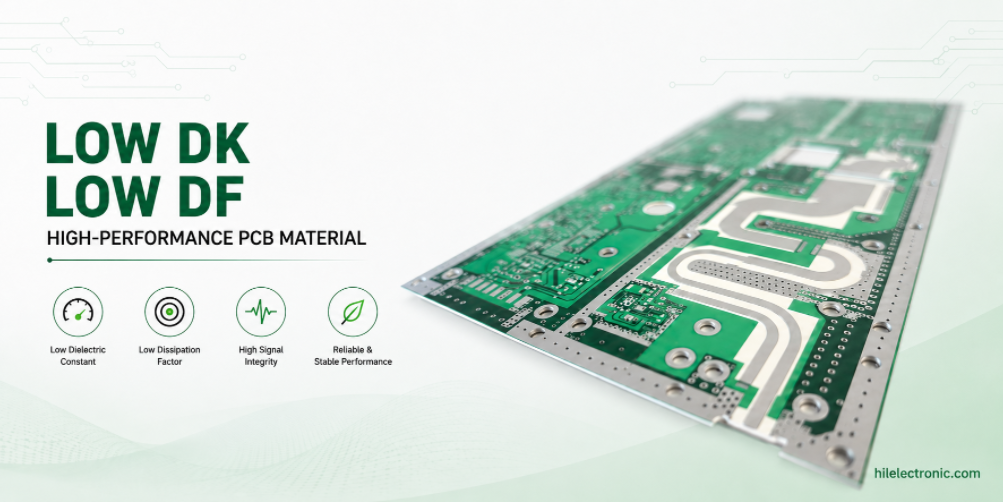
Abbildung 2. Leiterplatte mit niedrigem Dk-Wert und niedrigem Df-Wert
Überlegungen zur Herstellung
Materialien mit niedrigem Dk/Df-Wert sind in der Verarbeitung anspruchsvoller als FR-4. Die speziellen Harzsysteme erfordern oft modifizierte Laminierungsprofile für eine zuverlässige Verbindung. Die glatten, flachen Kupferfolien, die die Leiterverluste reduzieren, haften zudem weniger gut und erfordern daher eine sorgfältige Oberflächenvorbereitung. Bei höheren Güteklassen, insbesondere M9, wird das Glasfasergewebe durch hochreines Quarzglas ersetzt, das härter ist und den Bohrerverschleiß beschleunigt. Dies erfordert fortschrittliche Bohrbeschichtungen und ein präziseres Werkzeugstandzeitmanagement. Da diese Materialien speziell zur Kontrolle von Impedanz und Verlusten ausgewählt werden, sind die Toleranzen für die kontrollierte Impedanz enger. Daher muss die Impedanz des Lagenaufbaus anhand des tatsächlichen Dk-Werts des Laminats und nicht anhand des Nennwerts im Datenblatt überprüft werden.
Speziell bei PTFE-basierten HF-Materialien erfordert die Fertigung zusätzliche Schritte – Plasmabehandlung zur Haftungsverbesserung und spezielle Handhabung des weichen Substrats –, die sich von der Standardverarbeitung von FR-4 unterscheiden. Der HF-spezifische Fertigungshintergrund liegt in der Impedanzkontrolle von HF-Leiterplatten und den Grundlagen der Impedanzkontrolle bei Hochgeschwindigkeits-Leiterplatten.
Kosten- und Lieferzeitfaktoren
Materialien mit niedrigem Dk- und Df-Wert sind teuer und nur begrenzt verfügbar, wobei beide Faktoren miteinander verknüpft sind. Die Kostenstruktur der CCL-Qualitätsstufen ist steil: Branchenangaben zufolge kostet M6 etwa 3–5 Mal so viel wie Standard-FR-4, M7 6–9 Mal, M8 10–15 Mal und M9 Q-Glas 15–20 Mal. Da mit jeder Qualitätsstufe Harz, Folie und Glas gleichzeitig verändert werden, steigen die Kosten exponentiell und nicht nur schrittweise. Daher ist eine Überdimensionierung – die Wahl einer niedrigeren Df-Qualität als vom Kanal benötigt – ein kostspieliger Fehler.
Bei den Lieferzeiten zählen Leiterplatten mit niedrigem Dk/Df-Wert zu den knappsten Materialien in der Lieferkette. M6/M7-Leiterplatten haben Lieferzeiten von ca. 14–18 Wochen, M8/M9-Leiterplatten sind häufig nur auf Anfrage und in Abruf verfügbar (über 20 Wochen). Bei den dafür benötigten Spezialmaterialien (HVLP-Kupferfolie, Quarzglasgewebe) werden Engpässe von mehreren tausend Tonnen erwartet. Die praktischen Konsequenzen: Geben Sie den minimalen Df-Wert an, den der Vertriebskanal tatsächlich benötigt, qualifizieren Sie einen zweiten gleichwertigen Wert und planen Sie Materialbestellungen weit im Voraus. Detaillierte Informationen zur Lieferkette finden Sie im Leitfaden zu den Lieferzeiten für Leiterplattenlaminate und im PCB-Materialengpass-Hub.
Fordern Sie ein Angebot für ein Low-Df-PCB-Design an
Highleap Electronics fertigt Low-Dk/Low-Df- und HF-Platinen im Rahmen unserer Hochfrequenz- und Hochgeschwindigkeits-Leiterplattenfertigungsprogramme . Für jedes Impedanzkontrolldesign werden bestätigte Lagenaufbauberechnungen durchgeführt und die Materialverfügbarkeit geprüft.
Häufig gestellte Fragen zu Materialien mit niedrigem DK-Wert und niedrigem DF-Wert
Was bedeuten Dk und Df?
Die Dielektrizitätskonstante (Dk) gibt an, wie stark ein Dielektrikum das elektrische Feld verlangsamt und speichert; ein niedriger, stabiler Dk-Wert ermöglicht eine schnellere Ausbreitung und eine einfachere Impedanzkontrolle. Der Verlustfaktor (Df) gibt an, wie viel Signalenergie das Dielektrikum absorbiert; ein niedrigerer Df-Wert bedeutet geringere dielektrische Verluste, die bei langen Hochdatenkanälen den größten Anteil der Verluste ausmachen.
Was verbessert ein Material mit niedrigem Dk-Wert und niedrigem Df-Wert tatsächlich?
Es hält die Einfügungsdämpfung im Kanal innerhalb des zulässigen Rahmens und erhält so die Signalamplitude und Flankentreue, damit der Empfänger die Daten wiederherstellen kann. Der Vorteil steigt mit der Datenrate und der Leiterbahnlänge – entscheidend bei 112G/224G, vernachlässigbar bei niedrigen Datenraten.
Wie verhält sich ein Material mit niedrigem Dk-Wert und niedrigem Df-Wert im Vergleich zu FR-4?
Es verwendet Spezialharze (häufig PPO/PPE oder PTFE) für deutlich niedrigere Df-Werte und oft niedrigere, stabilere Dk-Werte, kostet aber ein Vielfaches von FR-4, ist schwieriger herzustellen und deutlich weniger verfügbar. FR-4 bleibt für die meisten Leiterplatten die richtige Wahl; niedrige Df-Werte sind nur für Hochleistungskanäle erforderlich.
Welche Herausforderungen gibt es in der Fertigung?
Modifizierte Laminierungsprofile für das Harzsystem, sorgfältige Oberflächenvorbereitung für glatte, flache Folien, die weniger aggressiv haften, fortschrittliches Bohren für hartes Quarzglas bei den höchsten Qualitäten und engere Impedanztoleranzen, die eine Impedanzbestätigung mit dem realen Laminat Dk erfordern.
Wie teuer und wie begrenzt sind diese Materialien im Jahr 2026?
Die Kostenmultiplikatoren im Vergleich zu FR-4 liegen bei etwa 3-5x (M6), 6-9x (M7), 10-15x (M8) und 15-20x (M9). Die Lieferzeiten betragen 14-18 Wochen für M6/M7 und über 20 Wochen (nur Zuteilung) für M8/M9. HVLP-Folie und Quarzglasgewebe gehören zu den knappsten Rohstoffen. Geben Sie die benötigte Mindestqualität an und qualifizieren Sie eine gleichwertige Alternative.

Empfohlen Beiträge
TMM4 Filter-Leiterplattenfertigung
Die Herstellung der Leiterplatten für den TMM4-Filter wird gesteuert durch...
TMM3 Leiterplattenfertigung für HF-Module
Die Fertigung von TMM3-Leiterplatten ist am sinnvollsten dort, wo das HF-Modul...
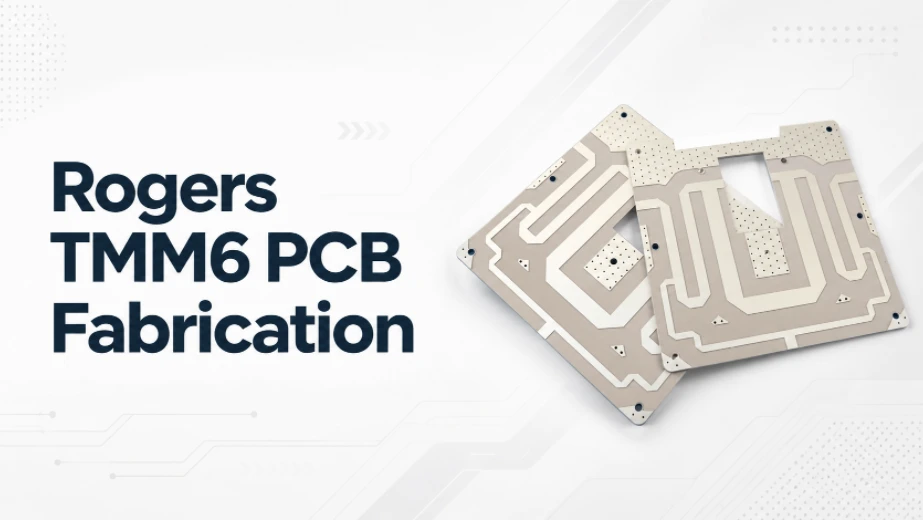
TMM6 Leiterplattenfertigung
TMM6-Fertigung ist die Prozesssteuerungsseite für eine mittlere Dk...

TMM10 Leiterplattenfertigung für kompakte HF-Designs
Inhaltsverzeichnis: Wie TMM10 HF-Strukturen verkleinert – TMM10 vs. ...
So erhalten Sie ein Angebot für Leiterplatten
Wir führen gerne eine DFM/DFA-Analyse für Sie durch und senden Ihnen anschließend einen Bericht zu. Sie können Ihre Dateien sicher über unsere Website hochladen. Für die Erstellung eines Angebots benötigen wir folgende Informationen:
-
- Gerber, ODB++ oder .pcb, Spezifikation.
- Stückliste, wenn Sie eine Montage benötigen
- Die Menge
- Wendezeit
Für PCBA-Dienstleistungen geben Sie bitte Ihre Stückliste (BOM) und alle spezifischen Montageanweisungen an. Wir bieten auch DFM/DFA-Analysen an, um Ihre Designs hinsichtlich Herstellbarkeit und Montage zu optimieren und so einen reibungslosen Produktionsprozess zu gewährleisten.