
10 Katmanlı PCB Maliyetlerini Etkileyen Faktörler: Malzeme, HDI ve Test
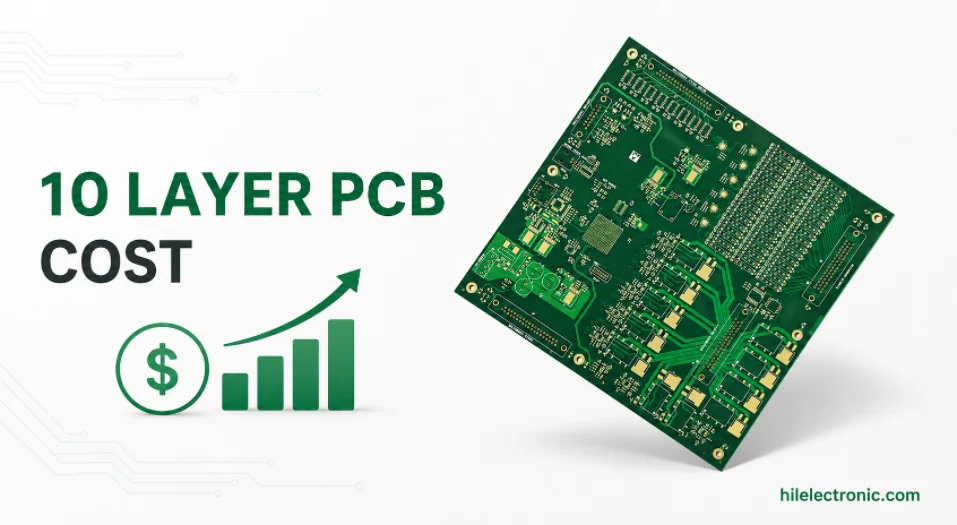
Şekil 1. Malzeme HDI ve testine ilişkin 10 katmanlı PCB maliyet faktörleri.
İçindekiler
- Evrensel Bir Tahta Başına Fiyatlandırmanın Neden Yanıltıcı Olduğu
- On Katmanlı Levhalar için Pratik Bir Maliyet Modeli
- Katı, Katı-Esnek ve Esnek Maliyet Yapıları
- Malzeme, Bakır ve Yüzey İşleme Maliyetlerini Belirleyen Faktörler
- HDI Yapısının ve Mimarisinin Maliyeti Nasıl Etkilediği
- Panel Kullanımı, Proses Verimi ve Kart Boyutu
- Empedans, Ürün Sınıfı, Test ve Dokümantasyon
- Prototip, Üretim Miktarı, Ar-Ge ve Tekrarlanan Siparişler
- Güvenilirlik Riski Yaratmadan Maliyet Azaltma
- 10 Katmanlı PCB İçin İki Teklif Nasıl Karşılaştırılır?
- Teklif Paketi ve Ticari Sınırlar
- Alıntı Yönetimi ve Revizyon Kontrolü
- Mühendislik Değişiklikleri Maliyet Temelini Nasıl Etkiliyor?
On katmanlı bir PCB'nin maliyeti yalnızca katman sayısıyla belirlenmez. Üst üste yerleştirilmiş mikrovia-in-pad'lere, ultra ince iletkenlere ve kontrollü düşük kayıplı malzemeye sahip kompakt bir kart, çok daha büyük geleneksel on katmanlı bir karttan daha pahalıya mal olabilir. Tersine, yerleşik bir katman yapısına sahip, iyi panellenmiş yüksek hacimli bir tasarım, kurulum, mühendislik ve test maliyetleri yalnızca birkaç parçaya bölünmüş küçük bir prototipten daha düşük birim fiyatına sahip olabilir.
Bütçeleme için en faydalı soru "On katmanlı bir levhanın maliyeti nedir?" değil, "Bu tasarımın hangi unsurları malzeme tüketir, işlem döngüleri ekler, panel verimliliğini düşürür veya doğrulama miktarını artırır?" sorusudur. Bu makale bu soruyu yanıtlıyor ve sabit fiyat tablolarının yerini, bakır, altın, laminat bulunabilirliği, işçilik oranları ve nakliye koşulları değiştiğinde de geçerliliğini koruyan bir maliyet modeliyle değiştiriyor.
Highleap Electronics, üretim paketinin üretilebilirliği kontrol edildikten sonra fiyatlandırmayı gözden geçirir. 10 katmanlı PCB mühendisliği genel bakışı, yapı ve katman seçeneklerini açıklarken, DFM incelemesi , kesin bir fiyat teklifi verilmeden önce fiyatı değiştirebilecek özellikleri belirler.
Evrensel Bir Tahta Başına Fiyatlandırmanın Neden Yanıltıcı Olduğu
Eksiksiz bir temel spesifikasyon olmadan yayınlanan bir fiyat, yanlış bir kesinlik yaratır. Kart boyutu ve miktarı belirtilmiş olsa bile, fiyat teklifi, işlenmiş bakır, delik sayısı, en küçük delik çapı, malzeme ailesi, panel dizilimi, empedans sınıfları, yüzey işlemi, ürün sınıfı ve dokümantasyon gibi faktörlere bağlı olarak önemli ölçüde değişebilir. "100 mm x 100 mm, on katmanlı, ENIG" gibi nominal bir örnek bile, satın alma fiyatını temsil etmek için çok fazla değişkeni çözümsüz bırakmaktadır.
Basit bir fiyatın içinde gizlenmiş özellikler
- Yapı, geleneksel delme yöntemiyle mi, kör/gömülü yöntemle mi yoksa sıralı HDI yöntemiyle mi oluşturuluyor?
- Son kalınlık 1.0 mm, 1.6 mm, 2.4 mm mi yoksa başka bir değer mi?
- İç katmanlar 0.5 ons, dış katmanlar 1 ons mu olmalı, yoksa ağır bakır mı gerekiyor?
- Kullanılan devre kartı yüksek Tg'li FR-4, düşük kayıplı dijital laminat, RF hibrit veya poliimid mi kullanıyor?
- Minimum hat/boşluk, matkap ucu boyutu ve halka çapı gereksinimleri nelerdir?
- Kaç empedans sınıfı vardır ve hangi tolerans ve raporlama şartları gereklidir?
- Ürün kabulünü hangi ürün özellikleri ve sınıflandırması belirler?
- Sipariş için kupon, mikro kesit, ilk ürün testi veya uzun vadeli izlenebilirlik gerekiyor mu?
- Fiyat, tek tek kartlar için mi, yönlendirilmiş bir dizi için mi yoksa bir panel için mi geçerli?
- Kalıp, nakliye, gümrük vergileri, banka ücretleri ve montaj dahil mi?
İki tedarikçi farklı fiyatlar verdiğinde, ilk iş bu değişkenleri aynı şekilde yorumlayıp yorumlamadıklarını doğrulamaktır. Daha düşük bir fiyat, daha verimli bir fabrikadan ziyade farklı bir malzeme, daha gevşek tolerans, atlanmış bir test, alternatif panel düzenlemesi veya geçici varsayımları yansıtabilir.
On Katmanlı Levhalar için Pratik Bir Maliyet Modeli
Faydalı bir kavramsal model şöyledir:
Birim fiyatı ~ üretim paneli başına malzeme ve işlem maliyeti / panel başına beklenen sağlam levha sayısı + ayrılan mühendislik/kalıplama maliyeti + gerekli test/dokümantasyon maliyeti + ambalaj ve lojistik maliyeti.
Her terim önemlidir. Pahalı laminatlar, bakır, sıralı laminasyon, lazer delme, özel yüzey işleme ve uzun işlem yolları ile panel maliyeti artar. Kart büyük olduğunda, panele kötü oturduğunda, kenar tüketen kuponlar kullandığında veya dar bir işlem aralığına sahip olduğunda, beklenen iyi kart sayısı azalır. Mühendislik ve kalıp üretimi prototiplerde baskındır, ancak seri üretimde daha az görünür hale gelir. Test, dokümantasyon ve lojistik, müşteri programına ve teslimat koşullarına bağlıdır.
Dört maliyet kategorisi
| Maliyet Kategorisi | Örnekler | Birim Fiyatına Nasıl Ulaşıyor? |
|---|---|---|
| Değişken panel maliyeti | Laminat, bakır, kimya, pres süresi, matkap darbeleri, lazer süresi, kaplama, maske ve son işlem | Üretilen her panel için ödeme yapılır; arızalanan paneller veya parçalar da dahil. |
| Verim maliyeti | Kayıt, aşındırma, kaplama, kozmetik veya elektriksel kusurlardan kaynaklanan hurda. | Satılabilir levha sayısının azalması, işlenmiş tüm malzemenin maliyetini karşılamak zorunda kalacağı anlamına gelir. |
| Sabit veya yarı sabit maliyet | CAM, DFM, grafik tasarım, delme programları, test fikstürü, özel takım ve ilk ürün | Sipariş edilen miktara göre paylaştırılır veya ayrı olarak ücretlendirilir. |
| Ticari ve yerine getirme maliyeti | Ambalaj, dokümantasyon, nakliye, sigorta, gümrük işlemleri, kredi koşulları | Incoterm şartlarına, varış yerine, gönderi boyutuna ve ödeme anlaşmasına bağlıdır. |
Özellik etkileşimlerinin önemi
Maliyet faktörleri basitçe toplanmaz. Kalın bakır, ince çizgi aşındırmayı zorlaştırır. Via dolgusu, yüzey bakırını artırabilir ve çizgi/boşluk aralığını daha da daraltabilir. Düşük kayıplı bir malzeme yalnızca belirli yapılarda bulunabilir ve bu da katman yapısında değişikliğe yol açabilir. Sıkı empedans toleransı, kabul edilebilir aşındırma ve dielektrik varyasyonunu azaltarak verim riskini artırabilir. Büyük bir devre kartı, tüm bu etkileri büyütür çünkü bir panele daha az parça sığar ve arızalı bir parça daha fazla işlenmiş alanı temsil eder.
Katı, Katı-Esnek ve Esnek Maliyet Yapıları
Sert on katmanlı levhalar
Geleneksel rijit katman, malzeme işleme, laminasyon ve profil oluşturma yöntemleri yaygın olarak kullanıldığı için referans durum olarak kabul edilir. Kartın kör/gömülü vias, sıralı katmanlama, yüksek en-boy oranlı delme, ağır bakır, kontrollü düşük kayıplı malzemeler, arka delme, kenar kaplama veya özel güvenilirlik doğrulaması gerektirmesi durumunda maliyet artar. "Rijit" terimi, işlem zorluğunu değil, mekanik yapıyı tanımlar.
Sert-esnek on katmanlı levhalar
Sert-esnek levha maliyeti, sert levha üzerinden tek bir çarpanla temsil edilemez. Fiyat, on bakır katmanın sert ve esnek bölgeler arasında nasıl dağıtıldığına, esnek alan sayısına, yapıştırıcısız veya yapıştırıcılı malzemeye, kaplama açıklıklarına, takviye elemanlarına, kontrollü empedanslı esnekliğe, kitap ciltleme özelliklerine, bükme geometrisine ve panel yerleşimine bağlıdır. Düzensiz esnek uçlar ve geçiş bölgeleri bir paneli verimli bir şekilde döşemediği için malzeme fire oranı genellikle daha yüksektir.
Ek proses kontrolleri şunları içerebilir:
- ayrı esnek çekirdek görüntüleme ve örtü tabakası işleme;
- Sert-esnek geçişlerde düşük akışlı yapıştırma malzemeleri ve reçine akış kontrolü;
- Esnek bölgelerin seçici olarak çıkarılması veya korunması;
- Boyutsal hareketi kontrol etmek için özel aletler;
- Sertleştirici bağlama ve yapıştırıcı kürleme;
- Ürün spesifikasyonu gerektirdiğinde, eğilme veya dinamik esneme yeterlilik testi yapılmalıdır.
All-flex on katmanlı levhalar
On katmanlı esnek bir levha özel bir yapıya sahiptir. Statik şekillendirme ve dinamik esneme gereksinimleri farklıdır. Tekrar tekrar esnemesi beklenen bir tasarım, haddelenmiş tavlanmış bakır, sınırlı bakır kalınlığı, kademeli iletkenler, nötr eksen planlaması ve sıkı bükülme alanı kuralları gerektirebilir. Maliyet etkisi, yalnızca FR-4'ü poliimid ile değiştirmekle değil, nitelikli esnek yapı ve gerekli ömürle belirlenir.
Aynı alan oranını kullanarak rijit, rijit-esnek ve esnek döşeme fiyat tekliflerini karşılaştırmayın.
Alan bazlı karşılaştırmalar, farklı panel kullanımını, malzeme taşımayı, kaplamayı, yapıştırmayı ve güvenilirlik gereksinimlerini göz ardı eder. Doğru karşılaştırma, işlevsel olarak eşdeğer, piyasaya sürülmüş tasarımlar ve aynı kabul kriterleri üzerinden yapılır.

Malzeme, Bakır ve Yüzey İşleme Maliyetlerini Belirleyen Faktörler
Laminat ailesi
Malzeme maliyeti, levha başına fiyattan daha fazlasını içerir. Fabrikanın minimum satın alma miktarlarına, özel prepreg yapılarına, kontrollü depolamaya, özel pres döngülerine veya daha uzun tedarik sürelerine ihtiyacı olabilir. Düşük kayıplı bir malzemeyi yalnızca kritik sinyal katmanlarının etrafına yerleştiren hibrit bir katman, malzeme tüketimini azaltabilir, ancak aynı zamanda nitelendirilmesi gereken karışık malzeme bağlaması ve boyutsal davranış da ortaya çıkarır.
Malzeme, kanal, termal, mekanik ve proses gereksinimlerine göre seçilmelidir. Standart veya yüksek Tg FR-4 otomatik olarak tek bir veri hızıyla sınırlı değildir ve belirli bir PCIe veya SerDes nesli için düşük kayıplı bir aile otomatik olarak gerekli değildir. Kanal uzunluğu, yükselme süresi, bakır pürüzlülüğü, konektör kaybı, geçiş yolları ve alıcı eşitlemesi, kayıp bütçesinin karşılanıp karşılanamayacağını belirler.
Görünüşte benzer malzemeler neden farklı fiyatlandırılıyor?
- Mevcut levha ve prepreg boyutları;
- Katmanlama için gerekli cam türleri ve reçine içerikleri;
- Bakır folyo ile yapılan işlem ve maliyeti;
- Tedarikçinin minimum sipariş veya tahsis koşulları;
- Üreticinin yeterlilik durumu ve geçmiş verim verileri;
- Gerekli malzeme sertifikaları ve parti kontrolü;
- Hibrit katmanlama veya panel yönlendirmesinden kaynaklanan hurda.
Panasonic MEGTRON, Isola I-Tera veya Tachyon ve özel düşük kayıplı laminat ürünler, serbestçe birbirinin yerine kullanılabilen maliyet kalemleri olarak değerlendirilmemelidir. Onaylanmış bir alternatif, preslenmiş kalınlığı, empedansı, ekleme kaybını ve üretim telafisini değiştirebilir. PCB laminat malzeme kılavuzu, seçim faktörlerini açıklamaktadır.
Bakır ağırlığı
Daha ağır bakır, hammadde maliyetini artırır ve süreci değiştirir. Daha fazla aşındırma telafisi, özelliklerin etrafını doldurmak için daha fazla reçine, aynı verim için daha geniş aralık ve potansiyel olarak daha uzun kaplama süresi gerektirir. Güç katmanlarının sinyal katmanlarından daha fazla akım kapasitesine ihtiyaç duyduğu durumlarda karışık bakır ağırlıkları verimli olabilir, ancak katmanların dengeli ve üretilebilir kalması gerekir.
Yüzey
Kaplama maliyeti, kaplanan alan, kimyasal bileşim, proses kontrolü, kalınlık gereksinimi, seçici kaplama ve denetime bağlıdır. ENIG, ENEPIG, daldırma gümüş, daldırma kalay, OSP, HASL ve sert altın, farklı montaj veya temas fonksiyonlarına hizmet eder. Kaplama, genel bir yüzde ek ücreti üzerinden seçilmemelidir. Örneğin, kenar parmaklarında seçici sert altın kaplama, kaplanan alan küçük olsa bile maskeleme ve kaplama işlemlerini artırır.
Altın piyasasındaki hareketler altın içeren kaplamaları etkiler, ancak kaplama maliyeti doğrudan spot fiyatla orantılı değildir. Kaplama banyosu bakımı, nikel veya paladyum katmanları, işlem verimliliği, minimum ücretler ve kaplama alanı da önemlidir.
HDI Yapısının ve Mimarisinin Maliyeti Nasıl Etkilediği
HDI maliyeti, tekrarlanan işlem döngüleri ve ince özelliklerin verim hassasiyetinden kaynaklanır. 1+8+1, 2+6+2 veya 3+4+3 gösterimi faydalı bir başlangıç noktasıdır, ancak gömülü via alt laminasyonunu, yığın yüksekliğini, bakır dolgusunu, atlama via'larını, yüzey bakırını veya panelin yoğun özellikler tarafından kaplanan yüzdesini ortaya koymaz.
Mimariye bağlı maliyet etkisi
| HDI Özelliği | Doğrudan Süreç Maliyeti | Verim veya Mühendislik Etkisi |
|---|---|---|
| Her iki tarafta birer kat yapılaşma seviyesi | Ek pres, lazer delme ve metal kaplama | Mikrovia kayıt ve dolum gereksinimlerini getiriyor ancak en az karmaşık HDI yolu olmaya devam ediyor. |
| İkinci veya üçüncü yapılaşma seviyesi | Laminasyon, lazer ve kaplama işlemlerini tekrarlar. | Boyutsal hareket, termal geçmiş ve kayıt riskini biriktirir. |
| Yığılmış mikro yollar | Orta seviyelerde bakır dolgu ve düzleştirme gerektirir. | Arayüz güvenilirliği ve yeterlilik sorunlarını da ekler. |
| Kademeli mikrovialar | Hâlâ birden fazla montaj işlemi gerektiriyor. | Daha fazla yönlendirme alanı tüketir ancak hizalanmış yığınlara olan ihtiyacı azaltabilir. |
| Via-in-pad | Dolgu, düzleştirme ve daha sıkı yüzey incelemesi | Montaj alanının düzlemselliği, çıplak levha kabulünün bir parçası haline geliyor. |
| Herhangi bir katman arası bağlantı | Doldurulmuş mikro delikler ve birçok katman çifti boyunca tekrarlanan işlemler | En yüksek süreç etkileşimi ve nitelik yükü |
Lazer deliği sayısı tek belirleyici faktör değil.
Lazer süresi delik sayısıyla birlikte artar, ancak pres işlemleri, dolum kaplama süresi, kimyasal kontrol ve verim belirleyici olabilir. Aynı sayıda birikim seviyesi kaldığı sürece, mikrovia sayısını biraz azaltmanın etkisi az olabilir. Tamamen bir birikim seviyesini ortadan kaldırmak, revize edilmiş kaçışın elektriksel ve mekanik olarak sağlam kalması koşuluyla, daha büyük bir tasarruf sağlayabilir.
Kısmi İnsani Gelişme Endeksi (HDI) maliyet açısından verimli olabilir.
Yoğun bir bileşenin mikrovia çıkışına ihtiyaç duyduğu ancak kartın geri kalanının ihtiyaç duymadığı durumlarda, yerelleştirilmiş veya daha düşük seviyeli bir HDI mimarisi gereksiz yığılmış yapıları önleyebilir. Tasarruf, gerçek panel işleme süreciyle karşılaştırılmalıdır; fabrika yine de tüm paneli üretim aşamasından geçirir, bu nedenle "sadece küçük bir HDI alanı" pres ve kaplama işlemlerini ortadan kaldırmaz.
Katman seçimi ve mikrovia güvenilirliği için 10 katmanlı HDI PCB mühendislik kılavuzuna bakın.

Panel Kullanımı, Proses Verimi ve Kart Boyutu
Panel kullanımı
Satılabilir levha, üretim panelinin yalnızca bir kısmını kaplar. Raylar, takım delikleri, kuponlar, kaplama hırsızlığı, kenar boşluğu ve levhalar arası yönlendirme boşlukları alanı tüketir. Bir levha, bir sayfaya altı kez sığacak gibi görünse de, işlem marjları ve kupon gereksinimleri dahil edildikten sonra yalnızca dört kez sığabilir. Döndürme, parça sayısını artırabilir ancak cam yönü, kontrollü empedans, esnek yönlendirme veya müşteri panel gereksinimleriyle çelişebilir.
Bu nedenle basit bir alan hesaplaması yetersizdir. CAM panelleştirme raporunda şu bilgiler yer almalıdır:
- Seçilen üretim paneli boyutu;
- Panel başına kart veya dizi sayısı;
- demiryolu ve kupon tahsisi;
- yönlendirme veya puanlama yöntemi;
- Malzeme yönlendirme kısıtlamaları;
- Panelin revizyonları veya parça numaralarını karıştırıp karıştıramayacağı;
- İşlem sonrasında elde edilmesi beklenen kullanılabilir parça sayısı.
Panel başına beklenen iyi kalitede levhalar
Panel pozisyonlarının sayısı, satılabilir pano sayısıyla aynı değildir. Sekiz pozisyonlu ve %90 pano verimi beklenen bir işlem, ortalama 7.2 iyi pano üretir, sekiz değil. Büyük panolar bu etkiyi daha da şiddetlendirir çünkü tek bir başarısız pozisyon, panel maliyetinin daha büyük bir bölümünü tüketir.
Verim tahmini, işlem geçmişine, özellik yoğunluğuna, levha alanına ve en dar üretim aralıklarına dayanmaktadır. Bu, her on katmanlı ürün için garanti edilmiş bir yüzde olarak sunulmamalıdır.
Panel verimini azaltan tasarım özellikleri
- Geniş tahta ana hatları veya düzensiz şekil;
- Bakır ve katmanlar arasında çok hassas delme-bakır hizalaması;
- Kalın işlenmiş bakır üzerindeki ince çizgiler;
- birden fazla katmanlı mikrovia seviyesi;
- büyük, düşük akışlı veya rijit-esnek yapılar;
- Kenar kaplama, oyuklar veya karmaşık derinlikte frezeleme;
- Geniş bir yüzeyde sıkı kozmetik gereksinimleri;
- Dengesiz bir yığın üzerinde sıkı yay/büküm;
- İşlem sınırlarına yakın birçok empedans sınıfı.
Levha boyutu, malzemeden daha fazlasını etkiler.
Daha büyük bir devre kartı daha fazla laminat kullanır, ancak aynı zamanda görüntüleme, hizalama, delme ve taşıma riskini de artırır. Daha büyük bir test düzeneği, daha uzun bir yönlendirme yolu ve özel ambalaj gerektirebilir. Bu nedenle, santimetre kare başına maliyet büyük boyutlarda düşmek yerine artabilir.
Empedans, Ürün Sınıfı, Test ve Dokümantasyon
kontrollü empedans
Empedans kontrolü, mühendislik, numune ve ölçüm çalışmalarını artırır. Maliyet etkisi, sınıf sayısı, tolerans, katman yapıları, malzeme kontrolü ve tasarımın fabrikanın proses sınırlarına yakın olup olmadığına bağlıdır. Daha sıkı bir tolerans, kabul edilebilir hat genişliğini, dielektrik ve bakır varyasyonunu azaltabilir ve potansiyel olarak verimi düşürebilir.
Belirli bir arayüzün +/- %5 veya +/- %3 toleransa sahip olması gerektiğine dair genel bir kural yoktur. Tolerans, sinyal bütünlüğü analizi ve sistem marjından kaynaklanmalıdır. Yeterli olduğu durumlarda +/- %10 tolerans belirtmek mantıklıdır; kanal ihtiyacı olmadan toleransı sıkılaştırmak maliyeti artırır ancak nihai ürünü otomatik olarak iyileştirmez.
performans sınıfı
IPC Sınıf 2 ve Sınıf 3, basit kozmetik sınıflandırmalar değildir. Seçilen sınıf, kabul gereksinimlerini değiştirir ve numune alma, yapısal kriterler ve proses kontrollerini etkileyebilir. Bununla birlikte, evrensel bir "Sınıf 3 %20-40 ekler" ifadesi güvenilir değildir. Artış, tasarım marjına, tedarikçi yeteneğine, testlere ve dokümantasyona bağlıdır. Sınıf 3 gereksinimlerinin çok altında tasarlanmış bir devre kartı, katmanlama, bağlantı noktası veya kaplama revizyonlarına ihtiyaç duyan marjinal bir tasarıma göre daha az değişiklik görebilir.
Niteliklendirme ve parti kabulü
İlk numune mikro kesitleri, reflow simülasyonu, akım kaynaklı termal döngü, çevresel testler veya müşteriye özel numuneler doğrudan test maliyetini artırır ve panel alanını tüketebilir. Ayrıca, sonuçların sevkiyattan önce gerekli olması nedeniyle onay sürecini uzatırlar. Talepte yöntem, numune planı ve kabul kriterleri belirtilmelidir. "IST 1,000 döngü" gibi genel ifadeler yeterli değildir ve otomatik olarak dahil edilmiş olarak değerlendirilmemelidir.
Dökümanlar
Sertifikalar, malzeme izlenebilirliği, TDR grafikleri, son işlem verileri, mikro kesitler, seri numaralandırma ve uzun vadeli kayıt saklama, mühendislik ve kalite kaynakları gerektirir. Maliyet genellikle karta göre mütevazıdır, ancak özellikle müşteri formları, portal yüklemeleri veya çevrilmiş belgeler gerektiğinde sıfır değildir. Dokümantasyon, imalatla aynı anda fiyatlandırılmalıdır.
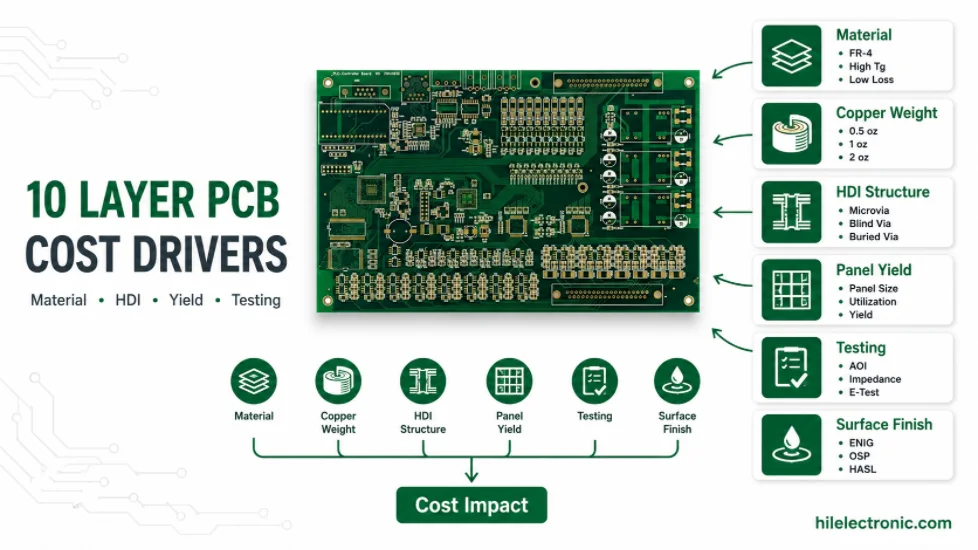
Şekil 2. 10 katmanlı PCB'nin üretim ve denetim maliyet incelemesi.
Prototip, Üretim Miktarı, Ar-Ge ve Tekrarlanan Siparişler
Prototip ürünlerin birim maliyeti neden yüksektir?
İster beş ister beş yüz adet levha içeren bir sipariş olsun, CAM hazırlığı, DFM, katman mühendisliği, delme programları, panel kurulumu, numuneler ve makine kurulumu gereklidir. Prototip paneller, istikrarlı ve tekrarlayan bir üretim programı yerine tek başına da üretilebilir. Bu sabit ve yarı sabit maliyetlerin küçük bir miktara bölünmesi, yüksek bir birim fiyatı oluşturur.
Fiyat eğrisinin sonunda neden düzleştiği
Miktar arttıkça, her bir pano için kurulum maliyeti düşer, ancak malzeme ve işlem maliyetleri aynı kalır. Sipariş verimli bir şekilde panellere ayrıldıktan ve ekipman kullanımı istikrarlı hale geldikten sonra, daha fazla hacim azaltımı malzeme alımına, işlem verimliliğine, otomasyona ve ticari anlaşmaya bağlıdır. Beş adet ile bin adet arasında fiyatın her zaman sabit bir yüzde oranında düştüğü iddiası, tüm tasarımlar için inandırıcı değildir.
Takım ve Ar-Ge
Ar-Ge maliyetleri; CAM, empedans mühendisliği, özel delme veya frezeleme aparatları, elektrik test aparatı, lazer takımları, müşteriye özel kuponlar ve ilk ürün yeterlilik testini içerebilir. Bazı tedarikçiler bu kalemleri birim fiyata dahil ederken, diğerleri ayrı ayrı gösterir. Her iki format da doğal olarak daha ucuz değildir. Toplam maliyeti ve tekrar sipariş politikasını karşılaştırın.
Siparişleri tekrarla
Tekrarlanan siparişlerde onaylanmış veriler ve bazı aletler yeniden kullanılabilir, ancak bu yalnızca revizyon, malzeme, panel, kabul şartları ve alet koşulları geçerliliğini koruduğu takdirde geçerlidir. Test aparatları aşınır, malzeme yapıları kullanılamaz hale gelir ve standartlar veya müşteri gereksinimleri değişir. "On iki ay içinde her tekrarlanan sipariş için Ar-Ge maliyeti yok" ifadesi, teklifte fiili bir ticari politika olmadığı sürece belirtilmemelidir.
Toplu siparişler ve planlı teslimatlar
Toplu sipariş taahhüdü, aşamalı teslimatlara olanak tanırken malzeme satın alımını ve üretim planlamasını destekleyebilir. Ticari fayda, iptal koşullarına, malzemenin raf ömrüne, tahmin istikrarına ve depolama sorumluluğuna bağlıdır. Bu, tüm miktarın anında sevkiyatla sipariş edilmesiyle eşdeğer değildir.

Güvenilirlik Riski Yaratmadan Maliyet Azaltma
Yüksek değerli tasarım değişiklikleri
- Gereksiz bir birikim seviyesini ortadan kaldırın. BGA kaçış çalışmasını tamamlayın ve gerçekten işe yarayan en sığ mimariyi kullanın.
- Alanın müsait olduğu yerlerde kademeli mikrovia kullanın. Yönlendirme avantajı sağlamayan üst üste yığılmış arayüzlerden kaçının.
- Yoğun yerleşim alanlarından uzaklaşarak arazi kullanım alanlarını ve temizlik faaliyetlerini artırın. En küçük geometrik şekli tüm tahtaya uygulamayın.
- İşlenmiş bakırı işlevine uygun şekilde saklayın. Daha kalın bakırı yalnızca ihtiyaç duyulan katmanlarda veya bölgelerde kullanın.
- Kanal bütçesinden malzeme seçin. Performansı değiştirdiği durumlarda düşük kayıplı yapı kullanın, ancak bunu marka odaklı genel bir şartname olarak uygulamayın.
- Üretim paneli için devre kartı dış hatlarını optimize edin. Boyutlardaki küçük değişiklikler panel başına parça sayısını artırabilir, ancak mekanik ve muhafaza gereksinimleri belirleyici unsur olmaya devam eder.
- Gerçekçi empedans toleransı kullanın. Her dersi en zorlu ağa göre ayarlamaktan kaçının.
- Niteliklendirme işlemlerini rutin sevkiyat kayıtlarından ayrı tutun. Ürün gerektirmediği sürece, her parti için pahalı güvenilirlik testlerini tekrarlamayın.
- Ürün aileleri genelinde ürün katmanlarını standartlaştırın. Nitelikli bir yapının yeniden kullanılması, mühendislik ve malzeme çeşitliliğini azaltabilir.
- Üretim aşamasına geçmeden önce verileri dondurun. Geç yapılan revizyonlar panelleri, armatürleri ve yeterlilik çalışmalarını geçersiz kılabilir.
Kaçınılması gereken yanlış tasarruflar
- Yalnızca malzeme fiyatını düşürmek amacıyla onaylanmamış bir laminat ikamesini kabul etmek;
- Kayıt bütçesinin altında kalan arazi kullanımını azaltmak;
- Niteliksiz bir baskı döngüsünü ortadan kaldırmak için daha yüksek bir mikrovia en boy oranı kullanmak;
- Empedansı veya yapıyı doğrulamak için gerekli olan test numunelerinin çıkarılması;
- BGA alanları altındaki dolu via-in-pad'lerden açık via'lara geçiş;
- Montaj veya depolama ile uyumsuz bir yüzey kaplaması seçmek;
- Ürün spesifikasyonu veya düzenlemeye tabi program Sınıf 3 gerektirdiğinde Sınıf 2'yi kullanmak;
- Verim, izlenebilirlik ve teslimat riskini gözden geçirmeden, birbiriyle ilgisi olmayan tasarımları tek bir panelde birleştirmek.
Panel paylaşımı otomatik olarak ücretsiz değildir.
Birden fazla tasarımı birleştirmek, bazı prototip durumlarında malzeme israfını azaltabilir, ancak farklı katman düzenleri, bakır, matkap setleri, yüzey işlemleri veya teslimat miktarları paylaşımı engeller. Karışık paneller, elektriksel testleri, izlenebilirliği ve verimlilik hesaplamasını karmaşık hale getirebilir. CAM ekibi, parçaların gerçekten tek bir işlemden geçip geçmediğini ve tasarrufun ek yönetim maliyetini aşıp aşmadığını doğrulamalıdır.

10 Katmanlı PCB İçin İki Teklif Nasıl Karşılaştırılır?
Birim fiyatları karşılaştırmadan önce teknik kapsamı standartlaştırın. Her tedarikçiden aynı alanları yazılı olarak teyit etmesini isteyin.
| Karşılaştırma Alanı | Nelerin Eşleşmesi Gerekir? | Ortak Gizli Fark |
|---|---|---|
| Malzeme | Üretici, aile, yapı veya onaylanmış eşdeğer kural | Bir alıntı, genel bir eşdeğeri varsayıyor. |
| Yığmak | Katman sırası, dielektrik, bakır ve son kalınlık | Farklı çekirdek/prepreg yapısı veya bakır |
| mimari yoluyla | Katmanları başlatma/durdurma, doldurma, istifleme, geri delme ve gömülü geçiş yolları | Dolgu veya alt laminasyon yoluyla istifleme atlanmıştır. |
| Empedans | Hedefler, tolerans, kuponlar ve rapor | Fiyata hesaplama dahildir ancak TDR raporu dahil değildir. |
| Kabul | IPC spesifikasyonu, revizyonu, sınıfı ve sapmaları | Sınıf veya ek dahil değildir. |
| Raporlar | Teslim edilen kesin kayıtlar ve test sıklığı | Nitelik verileri, parti verisiymiş gibi gösterilmiştir. |
| Miktar bazında | İyi parçalar, dizi sayısı, fazlalık ve teslimat dağılımı | Fiyat, kart başına değil, dizi başına geçerlidir. |
| Ticari kapsam | Aletler, nakliye, gümrük vergisi, vergi, sigorta ve Incoterm | Teslim fiyatına kıyasla düşük fabrika çıkış fiyatı. |
| Kurşun zamanı | Başlangıç noktası, malzeme durumu, onay süresi ve sevkiyat yöntemi | Takvim günleri, iş günleri veya sadece üretim günleriyle karşılaştırıldığında |
Varsayımları ve dışlamaları sorun.
Profesyonel bir fiyat teklifinde, DFM incelemesi sırasında hat genişliği, dielektrik malzeme, malzeme veya geçiş mimarisi değişirse ne olacağı belirtilmelidir. Kaynak veriler eksik olduğunda geçici fiyatlandırma uygundur, ancak bu şekilde etiketlenmelidir. Varsayımları belirtmeyen bir fiyat teklifi kesin gibi görünse de, en büyük teknik kararları çözümsüz bırakabilir.
Teklif Paketi ve Ticari Sınırlar
Sabit fiyatlandırmaya ilişkin teknik veriler
- Eksiksiz imalat verileri ve delme/yönlendirme dosyaları;
- İmalat çizimi ve nihai ölçüler;
- yığılma veya bir tane önerme izni;
- malzeme ve ikame gereksinimleri;
- bakır kaplama ve minimum hat/boşluk;
- Başlangıç/bitiş katmanları, dolum ve kaplama gereksinimlerine sahip tablo aracılığıyla;
- kontrollü empedans tablosu;
- Yüzey işleme ve seçici kaplama;
- Ürün spesifikasyonunu, revizyonunu ve sınıfını düzenleyen kurallar;
- Gerekli nitelikler, kuponlar, raporlar ve izlenebilirlik;
- Miktar, teslimat aralığı, yıllık talep ve teslimat programı.
Açıkça belirtilmesi gereken ticari alanlar
- Para birimi ve fiyat teklifinin geçerlilik süresi;
- Takım ve Ar-Ge maliyetlerinin dahil mi yoksa ayrı mı olduğu;
- Incoterm ve adlandırılmış yer;
- nakliye, sigorta, gümrük vergisi ve vergi sorumluluğu;
- ödeme yöntemi ve kredi koşulları;
- Teslimat başlangıç noktası - veri alımı, DFM onayı, malzeme alımı veya satın alma siparişinin serbest bırakılması;
- İptal ve revizyon ücretleri;
- Tekrarlanan sipariş kalıpları ve veri saklama politikası;
- İzin verilen sevkiyat fazlası veya eksikliği;
- Garanti ve uygunsuzluk prosedürü.
Ödeme koşulları, nakliye fiyatları ve kredi limitleri müşteri ve siparişe özeldir. Bunlar, mevcut yayınlanmış şirket politikası olmadıkça, teknik maliyet kalemine sabit kod olarak eklenmemelidir. Benzer şekilde, teslimat talepleri, imalat teslim süresini uluslararası transit ve gümrük işlemlerinden ayrı tutmalıdır.
Ayrıntılı 10 Katmanlı PCB Fiyat Teklifi İsteyin
Alıntı Yönetimi ve Revizyon Kontrolü
Maliyet karşılaştırması, ancak teknik temel değişmediği sürece geçerliliğini korur. Bu nedenle, revizyon kontrolü, fiyat teklifini, DFM yanıtını, onaylanmış katman düzenini, imalat çizimini, panel veya teslimat dizisi tanımını ve kalite planı revizyonunu birbirine bağlamalıdır. Bir tedarikçi farklı bir laminat yapısı, iletken geometrisi, geçiş dolgusu, numune planı veya panel yönlendirmesi önerdiğinde, ticari etki, elektriksel ve güvenilirlik etkisiyle birlikte incelenmelidir.
- Teklif aşamasında geçici olan varsayımları kaydedin ve satın alma işlemi gerçekleşmeden önce bunları kesinleştirin.
- Tekrarlayan birim fiyatını, CAM, kalıp, test fikstürü, malzeme minimumu, kalifikasyon ve nakliye ücretlerinden ayrı tutun.
- Fiyatlandırmanın sipariş edilen parça sayısına, beklenen verime, izin verilen fazla üretime veya sabit teslimat miktarına göre mi yapıldığını belirtin.
- Teklifin geçerliliğini, para birimini, Incoterm'i, vergi/gümrük uygulamasını ve yeniden fiyatlandırmayı tetikleyen koşulları tanımlayın.
- Tekrarlanan siparişler için, kalıpların, test programlarının, saklanan kuponların ve onaylanmış malzemelerin geçerliliğini teyit edin.
- Aynı işlenmiş bakır, malzeme politikası, kabul sınıfı, numune planı ve rapor paketini kullanan tedarikçileri karşılaştırın.
Maliyet düşürme, doğrulamayı ortadan kaldırmaktan ziyade gereksiz süreç karmaşıklığını ortadan kaldırdığında en güvenlidir. Daha iyi panelleme, daha az empedans sınıfı, daha kısa arka delme listeleri, daha basit bir geçiş mimarisi ve onaylı stoklu malzeme, yayınlanan performans gereksinimini zayıflatmadan fiyatı düşürebilir.
Mühendislik Değişiklikleri Maliyet Temelini Nasıl Etkiliyor?
Fiyat değişikliklerini anlamak, her tasarım revizyonunun tükettiği işlem kaynağıyla ilişkilendirilmesiyle daha kolay hale gelir. Kart boyutundaki bir değişiklik, panel yerleşimini ve malzeme alanını etkiler; bakırdaki bir değişiklik, aşındırma, kaplama ve laminasyonu etkiler; bir via değişikliği, tüm bir delme, doldurma veya sıralı laminasyon döngüsünü ekleyebilir. Tüm değişiklikleri yüzde olarak eklemek, bir revizyonun neden küçük bir etkiye sahipken diğerinin teklifi sıfırladığını gizler.
| Tasarım değişikliği | Birincil maliyet mekanizması | Değişikliği kabul etmeden önce çözülmesi gereken sorular |
|---|---|---|
| Daha büyük çerçeve veya teslimat dizisi | Üretim paneli başına daha az levha, daha fazla malzeme ve muhtemelen farklı bir panel yönlendirmesi. | Yeni boyut, panel kullanım eşiğini aşıyor mu? Raylar, kuponlar ve takım marjları dahil mi? |
| Daha ağır işlenmiş bakır | Daha uzun kaplama süresi, daha geniş aşındırma telafisi, azalmış ince çizgi yeteneği ve daha yüksek reçine dolum ihtiyacı. | Her katmanda mı yoksa sadece belirli güç özelliklerinde mi kalın bakır gerekiyor? Bir iç veya dış iletken, akım yolunu daha verimli hale getirebilir mi? |
| Daha dar çizgi/boşluk | Daha dar işlem aralığı, ek denetim ve daha düşük tahmini verim. | Hassas geometri yerel mi yoksa panel genelinde mi? Yerleşim, yayılma veya katman sayısı darboğazı ortadan kaldırabilir mi? |
| Geriye doğru delme veya kontrollü derinlikte delikler | Ek programlar, sondaj süresi, derinlik doğrulaması ve kayıt marjı küçükse olası hurda miktarı. | Hangi ağlarda gerçekten de bağlantı uçlarının kaldırılması gerekiyor? Kör bağlantı yönlendirmesi mi yoksa farklı bir katman ataması mı daha düşük riskli? |
| Yığılmış mikro yollar | Bakır dolgu, düzleştirme, tekrarlanan biriktirme ve istiflenmiş arayüzün nitelendirilmesi. | Yığın kademeli olarak oluşturulabilir mi? Paket kaçışı her bir oluşturma seviyesini haklı çıkarıyor mu? |
| Düşük kayıplı veya RF malzeme ikamesi | Malzeme fiyatı, minimum satın alma miktarı, panel formatı, özel işleme ve yeniden kalifikasyon. | Elektrik modeli güncellendi mi? Yedek parça, tam olarak aynı çekirdek/prepreg ve bakır yapısı için onaylandı mı? |
| Ek raporlar veya kuponlar | Panel gayrimenkulü, tahrip edici numuneler, test işçiliği ve mühendislik incelemesi. | Kanıt her parti için mi, sadece ilk ürün için mi yoksa periyodik olarak mı gerekli? |
Teklif revizyonunda, yeni toplam tutarı belirtmek yerine, değiştirilen teknik varsayımın adı da verilmelidir. Bu, kullanılabilir bir maliyet geçmişi oluşturur ve tasarım ekibinin bir özelliğin gerekli olup olmadığına, yerelleştirilip yerelleştirilemeyeceğine veya kalifikasyona ertelenip ertelenemeyeceğine karar vermesine yardımcı olur.
Maliyet açısından saklanmaya değer veriler
Satın alma ekipleri, her bir ihaleden elde edilen normalize edilmiş verileri saklayarak gelecekteki karşılaştırmaları iyileştirebilir: üretim paneli boyutu, panel başına kart sayısı, malzeme ailesi ve yapısı, proses döngüleri, delme ve lazer vuruş sayıları, empedans sınıfları, numune alanı, test yöntemi, teslim edilen verim miktarı, tek seferlik ücretler ve nakliye maliyeti. Bu veriler tedarikçinin gizli proses maliyetini ortaya çıkarmaz, ancak revizyonlar arasında hangi tasarım değişkenlerinin değiştiğini gösterir.
Tekrarlanan sipariş fiyatlandırmasında, onaylanmış revizyon ve malzeme durumu da dikkate alınmalıdır. Laminatın eski olması, bakır folyonun değişmesi, test düzeneğinin yeniden yapılması gerekmesi veya miktarın artık önceki panel planını desteklememesi durumunda, "aynı parça numarası" siparişinin yeniden fiyatlandırılması gerekebilir. Tersine, yeniden kullanılabilir aletler ve onaylanmış alternatif malzemelerle yapılan istikrarlı bir tasarım, kurulum yükü aynıymış gibi ilk ürün teklifiyle karşılaştırılmamalıdır.
Risk rezervi ve getiri öğrenimi
Yeni bir yapı için verilen ilk fiyat tekliflerinde, ayrı bir kalem olarak görünmeyen belirsizlikler yer alabilir. Tedarikçinin, panel boyutu, istiflenmiş mikrovia, bakır, yüzey işlemi ve tolerans kombinasyonu için sınırlı verim geçmişi olabilir. İstikrarlı üretim verileri elde edildikten sonra, aynı parça bazen daha az risk rezerviyle fiyatlandırılabilir. Bunun tersi de doğrudur: bir kez başarılı olan bir prototip, tekrarlanabilir bir üretim penceresi olduğunu kanıtlamaz. Maliyet incelemesi, tek bir başarılı panele değil, parti geçmişine dayanmalıdır.
Bir tasarım aktarıldığında, fiyat teklifinin olgun bir süreç geçmişini mi yoksa yeni bir kalifikasyon üretimini mi varsaydığını sorun. Yeni bir tedarikçi, kayıt, kaplama ve test sonuçları ilişkilendirilene kadar ek kuponlara, ilk örnek panellere veya muhafazakar panel yoğunluğuna ihtiyaç duyabilir. Bu maliyetler açıklandığında meşrudur ve mümkün olduğunca tekrarlayan üretim fiyatından ayrı tutulmalıdır.

Önerilen Mesajlar
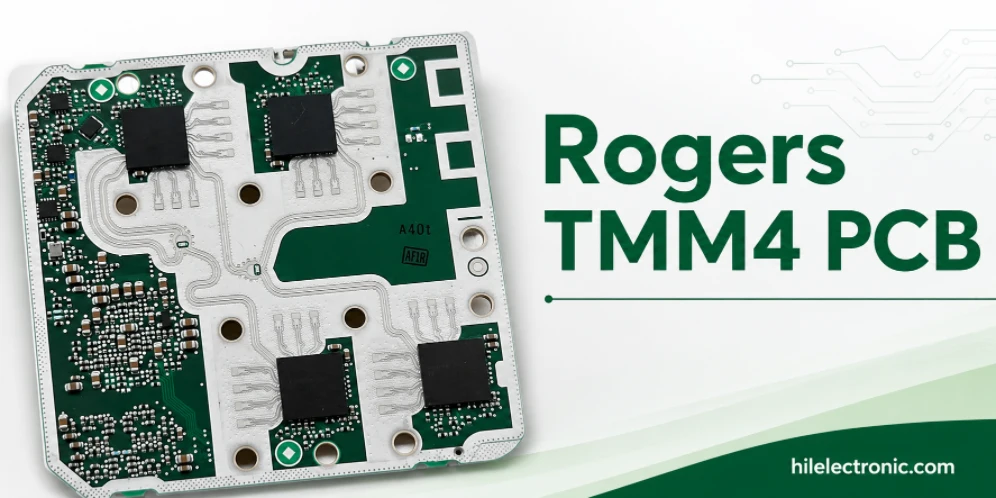
TMM4 Filtre PCB Üretimi
TMM4 filtre PCB'sinin üretimi şu şekilde kontrol edilmektedir...
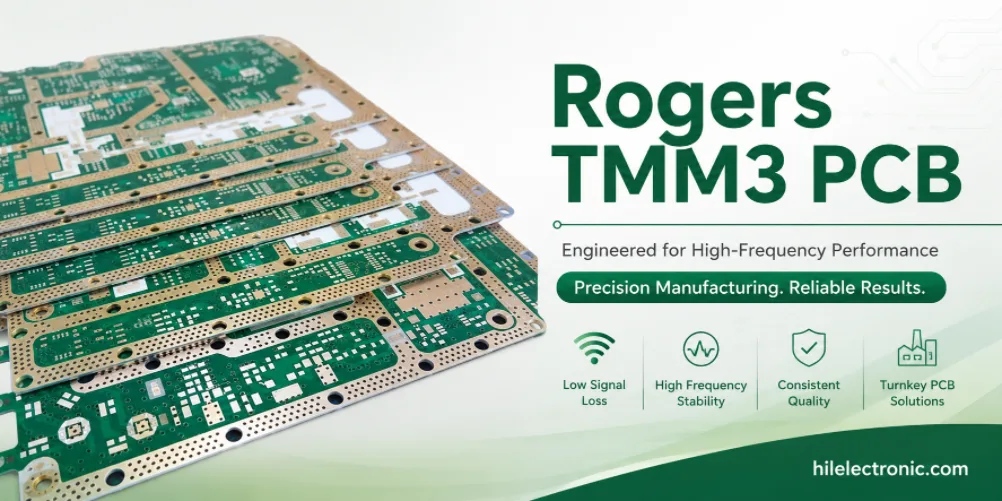
RF Modülleri için TMM3 PCB Üretimi
TMM3 PCB üretimi, RF modülünün kullanıldığı yerlerde en faydalı olanıdır...
TMM6 PCB Üretimi
TMM6 üretimi, orta seviye bir Dk için proses kontrol sayfasıdır...
Kompakt RF Tasarımları için TMM10 PCB Üretimi
İçindekiler TMM10 RF Yapılarını Nasıl Küçültüyor? TMM10 vs...
PCB'ler için fiyat teklifi nasıl alınır
Sizin için DFM/DFA analizi yapalım ve size bir raporla geri dönelim. Dosyalarınızı web sitemiz üzerinden güvenli bir şekilde yükleyebilirsiniz. Size fiyat teklifi verebilmemiz için aşağıdaki bilgilere ihtiyacımız var:
-
- Gerber, ODB++ veya .pcb, spec.
- Montaj gerekiyorsa BOM listesi
- Adet
- Dönüş zamanı
PCBA hizmetleri için lütfen BOM'unuzu (Malzeme Listesi) ve herhangi bir özel montaj talimatını sağlayın. Ayrıca, tasarımlarınızı üretilebilirlik ve montaj için optimize etmek ve sorunsuz bir üretim süreci sağlamak için DFM/DFA analizi de sunuyoruz.