
TMM Yüksek Frekanslı PCB Üretimi
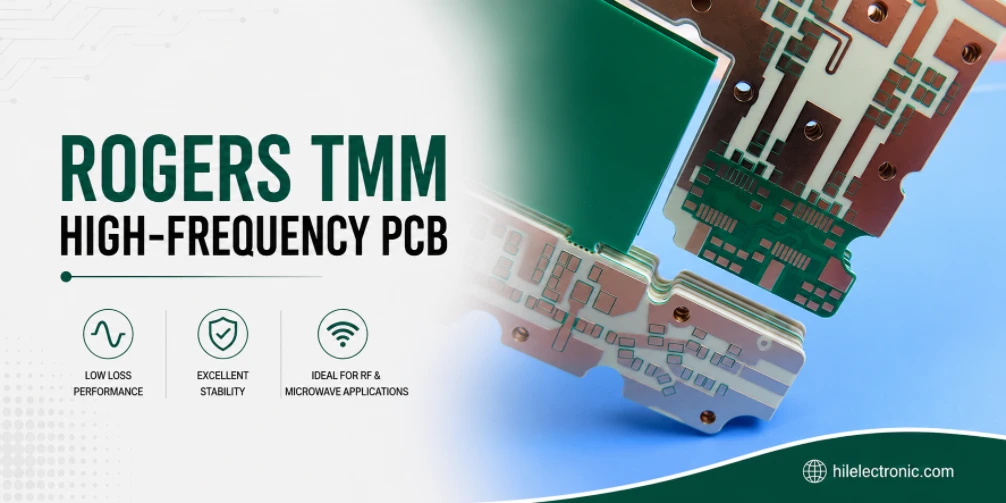
TMM yüksek frekanslı PCB üretimi, belirtilen TMM yapısını RF, mikrodalga ve yüksek güvenilirlik gerektiren devre kartlarına uygular. Bitmiş dielektrik kalınlığı, bakır geometrisi, delme, hizalama ve empedans doğrulama planı, RF tasarımıyla uyumlu olmalıdır. Dielektrik sabiti, kayıp faktörü, laminat kalınlığı, bakır profili ve katman simetrisi gibi faktörlerin tümü bitmiş devreyi etkilediğinden, kalite seçimi önemini korur.
Bu kılavuz, Rogers TMM3, TMM4, TMM6, TMM10, TMM10i ve TMM13i arasında nasıl seçim yapılacağını; malzeme özelliklerinin gerçek bir PCB'yi nasıl etkilediğini; mikroşerit, şerit hat ve hibrit katmanlamalarda nelere dikkat edilmesi gerektiğini; ve Rogers TMM PCB fiyat teklifi isterken hangi bilgilerin dahil edilmesi gerektiğini açıklamaktadır. Filtreler, kuplörler, antenler, radar modülleri, uydu iletişim kartları, güç amplifikatörleri veya hassas mikrodalga düzenekleri için TMM'yi değerlendiriyorsanız, bu sayfa pratik bir mühendislik ve üretim kararı vermenize yardımcı olmak için yazılmıştır.
İçindekiler
- TMM Yüksek Frekanslı PCB Üretim Kapsamı
- Tasarımcılar Yüksek Frekanslı PCB'ler İçin Neden Rogers TMM'yi Tercih Ediyor?
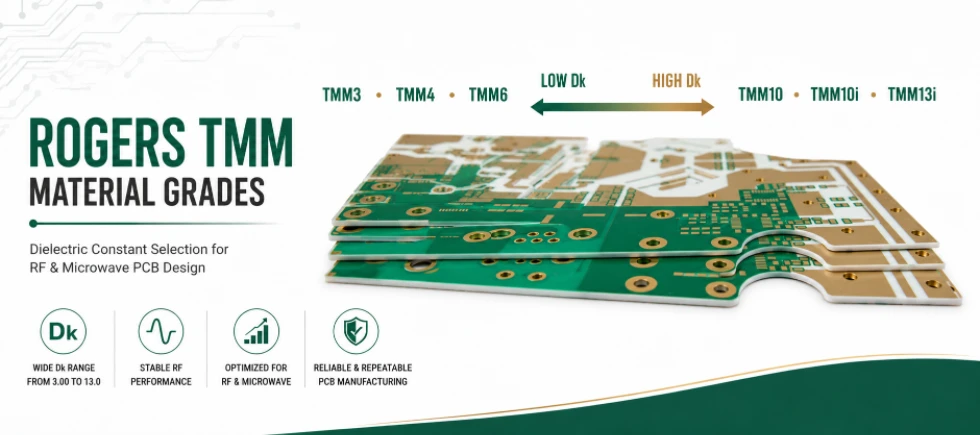
- Rogers TMM Malzeme Sınıfları ve Başlıca Özellikleri
- Dk, Df ve Kalınlığın PCB Performansını Nasıl Etkilediği
- Doğru Rogers TMM Derecesini Nasıl Seçersiniz?
- Rogers TMM Yüksek Frekanslı PCB için Katman Yapısı Tasarımı
- Ekleme Kaybı Kontrolü: Bakır, Yüzey İşlemi ve Geometri
- Rogers TMM PCB için Üretim Hususları
- Rogers TMM ile PTFE, RO4350B ve Alümina karşılaştırması
- Üretim Uyumu ve Tipik Kart Kullanımları
- Rogers TMM PCB Fiyat Teklifi ve Tasarım Kontrol Listesi
Bu kılavuz, katman dizilimi onayı, bakır tanımlama, delme, hizalama ve empedans doğrulaması dahil olmak üzere yüksek frekanslı TMM kartlarında yaygın olarak kullanılan üretim kontrollerini açıklamaktadır. Sınıfa özgü ve uygulamaya özgü gereksinimler, onaylanmış tasarımla karşılaştırılmalıdır.
TMM Yüksek Frekanslı PCB Üretim Kapsamı
Rogers TMM yüksek frekanslı PCB'lerde, RF dielektrik katmanı olarak Rogers TMM termoset mikrodalga laminat kullanılır. TMM laminatlar, mikroşerit ve şerit hatlı mikrodalga devreleri için tasarlanmış seramik dolgulu termoset polimer kompozitlerdir; bu nedenle buradaki malzeme tartışması, kontrollü empedans, referans düzlemleri ve RF geçişleri gibi pratik Rogers TMM RF PCB tasarım gereksinimleriyle birlikte okunmalıdır. Bitmiş bir kartta, bu laminat sadece bakır izler için mekanik bir taşıyıcı değildir; elektriksel tasarımın da bir parçasıdır. Dielektrik sabiti, kart içindeki iz empedansını, elektriksel uzunluğu, rezonans frekansını ve dalga boyunu kontrol eder. Dağılım faktörü dielektrik kaybına katkıda bulunur. Kalınlık toleransı, bakır yapışması, boyutsal kararlılığı ve termal genleşmesi, üretilen PCB'nin simülasyonla ne kadar tutarlı bir şekilde eşleştiğini etkiler; Dk kayması ve termal döngünün baskın endişe kaynağı olduğu tasarımlar için, Rogers TMM sıcaklığa dayanıklı PCB davranışı ile ilgili kılavuza bakın.
"TMM" kelimesi genellikle tek bir malzeme gibi aranır, ancak aslında bir laminat ailesidir. Bu aile, düşük Dk değerinden yüksek Dk değerine kadar TMM3'ten TMM13i'ye kadar düşükten yüksek dielektrik sabitlerini kapsar. Bu, mühendislerin devre boyutu, bant genişliği, kayıp bütçesi, güç seviyesi, mekanik güvenilirlik ve maliyete göre bir laminat seçmelerine olanak tanır. Geniş bantlı bir Rogers TMM anten PCB beslemesi, iz boyutlarını üretilebilir tutmak ve dağılımı düşürmek için daha düşük Dk değerine sahip bir TMM malzemesine ihtiyaç duyabilir. Kompakt bir filtre, kuplör veya seramik alt tabaka değişimi, devre boyutunu küçültmek ve kontrollü yüksek Dk davranışını desteklemek için TMM10, TMM10i veya TMM13i'ye ihtiyaç duyabilir.
Pratikte, bir tasarımın FR4'ün sağlayabileceğinden daha fazla elektriksel tekrarlanabilirlik ve mikrodalga kararlılığına ihtiyaç duyduğu, ancak aynı zamanda birçok yumuşak PTFE bazlı malzemeden daha iyi mekanik ve proses davranışına ihtiyaç duyduğu durumlarda Rogers TMM PCB tercih edilir. TMM, termoset bir sistem olduğundan, PTFE'ye göre sürünmeye ve soğuk akışa daha iyi direnç gösterir. Ayrıca, standart TMM yapılarında elektrolizsiz kaplamadan önce sodyum naftenat işlemine gerek duymaz, bu da bazı PTFE mikrodalga malzemelerine kıyasla PCB üretimini basitleştirebilir. Bu özellikler, kartta çok sayıda kaplamalı delik, kör veya gömülü via, sıkı hizalama, tel bağlama alanları veya tekrarlanan termal maruziyet olduğunda önemlidir; ayrıca üretim rotasının Rogers TMM PCB üretiminde deneyimli bir atölye ile erken aşamada gözden geçirilmesinin nedenidir.
Önemli mühendislik kriterleri
Yüksek frekanslı bir TMM PCB'si piyasaya sürülmeden önce, mühendisler ve alıcılar genellikle birkaç pratik soruyu çözmek zorundadır:
- Hangi Rogers TMM modelini kullanmalıyım: TMM3, TMM4, TMM6, TMM10, TMM10i veya TMM13i?
- Dk ve Df değerleri nelerdir ve alan çözücüde hangi Dk değeri kullanılmalıdır?
- Tasarımım için TMM, RO4350B, RT/duroid 5880 veya alüminadan daha mı iyi?
- Bir PCB üreticisi, normal delme, kaplama ve frezeleme adımlarıyla TMM işlemini gerçekleştirebilir mi ve ne zaman Rogers TMM PCB üreticisine başvurmalıyım?
- RF kaybını azaltmak için hangi bakır folyo ve yüzey işlemi kullanılmalıdır?
- TMM, FR4 veya başka bir Rogers laminatıyla hibrit çok katmanlı bir yapıda kullanılabilir mi?
- Doğru bir Rogers TMM PCB fiyatı almak ve üretim riskinden kaçınmak için hangi bilgiler verilmelidir?
Aşağıdaki bölümler, bu soruları bir PCB alıcısı, RF mühendisi ve üretici bakış açısıyla ele almaktadır.
Tasarımcılar Yüksek Frekanslı PCB'ler İçin Neden Rogers TMM'yi Tercih Ediyor?
Ayarlanabilir RF devreleri için kararlı dielektrik davranışı
Yüksek frekanslı devreler, dielektrik sabiti değişimine karşı hassastır; bu nedenle malzeme kararlılığı, katman kontrolü ve RF yerleşim uygulamaları ayrı konular yerine tek bir tasarım sistemi olarak ele alınmalıdır. Küçük bir Dk hatası, bir filtrenin merkez frekansını kaydırabilir, bir besleme ağının fazını değiştirebilir, bir antenin ayarını bozabilir veya bir eşleştirme ağını amaçlanan empedans noktasından uzaklaştırabilir. Rogers TMM malzemeleri, kontrollü dielektrik sabitleri ve düşük kayıp faktörleri ile mikrodalga kullanımı için tasarlanmıştır. Bu, bakır geometrisinin öngörülebilir RF performansına dönüşmesi gerektiğinde, onları standart FR4'ten daha uygun hale getirir.
Düşük frekanslı dijital devre kartlarında, dielektrik varyasyonu zamanlama payı veya eşitleme ile absorbe edilebilir. Ancak mikrodalga devre kartlarında, laminat devre denkleminin bir parçası haline gelir. Çeyrek dalga hattı, dallı hat kuplörü, interdigital filtre veya yama anteni, gerçek etkin dielektrik sabiti modelin varsaydığı değerden farklı olduğu için arızalanabilir. Bilinen yüksek frekanslı bir laminat kullanmak, ilk prototip üretilmeden önce bu belirsizliği azaltmaya yardımcı olur; geri dönüş yolu ve geçişlerle ilgili daha geniş RF yerleşim kuralları için, bu malzeme kılavuzunu Rogers TMM RF PCB sayfasıyla karşılaştırın.
PTFE'nin yumuşaklığı yerine termoset sertliği
Birçok çok düşük kayıplı mikrodalga laminatı PTFE bazlıdır. PTFE mükemmel elektriksel kayıp performansı sunar, ancak mekanik olarak yumuşak olabilir ve özel işlem veya taşıma gerektirebilir. Rogers TMM, tasarımcılara farklı bir denge sunar: düşük dielektrik kaybını sert bir termoset yapıyla birleştirir. Faydası sadece mekanik kolaylık ile sınırlı değildir. Sertlik, hizalama, delik kalitesi, bakır desen stabilitesi, montaj düzgünlüğü ve uzun vadeli boyutsal stabiliteye yardımcı olur.
Bu, özellikle proje malzeme seçiminden delme, kaplama, yönlendirme ve denetim aşamalarına geçtiğinde, gerçek üretimde önem taşır. Bir PCB yoğun geçiş yolları, kaplamalı montaj delikleri, karışık RF ve kontrol devreleri veya çok katmanlı bir yapı içeriyorsa, üretici kartı tekrar tekrar delmeli, kaplamalı, görüntülemeli, aşındırmalı, lamine etmeli ve yönlendirmelidir. Sürünmeye, soğuk akışa ve işlem hasarına karşı dirençli bir malzeme, tolerans dahilinde tutulması daha kolaydır ve bu da TMM üretim sürecinde riski azaltır. Bu, TMM'nin yalnızca Dk ve Df değerlerine göre seçilmek yerine, zorlu yüksek frekanslı montajlarda kullanılmasının ana nedenlerinden biridir. Highleap, her tasarıma tek bir genel TMM reçetesi uygulamak yerine, üretim yolunu belirlemek için piyasaya sürülen malzeme sınıfını ve katman yapısını kullanır. Sonuç, gerçek projenin sınıfına, kart kalınlığına, delik yapısına ve RF geometrisine bağlı bir işlem aralığıdır. Tam malzeme özellik değerleri, belirtilen sınıf ve yapı için mevcut tedarikçi dokümantasyonuna göre kontrol edilmelidir.
Kompakt mikrodalga fırın düzenleri için yüksek Dk seçenekleri
TMM ailesi, TMM10, TMM10i ve TMM13i gibi yüksek Dk değerlerine sahip malzemeleri içerir. Bu malzemeler, dielektrik sabiti arttıkça dielektrik içindeki dalga boyu azaldığı için daha küçük RF yapılarına olanak tanır. Filtreler, rezonatörler, kuplörler ve bazı anten yapıları, düşük Dk değerine sahip malzemelere kıyasla önemli ölçüde daha küçük hale gelebilir.
Yüksek Dk değeri otomatik olarak daha iyi anlamına gelmez. Bant genişliğini daraltabilir, toleranslara duyarlılığı artırabilir, iz genişliklerini küçültebilir ve elektrik alan yoğunluğunu artırabilir. Ancak minyatürleştirme gerçek bir gereklilik olduğunda, yüksek Dk TMM kaliteleri, kırılgan seramik alt tabakalara hemen geçmeden pratik bir yol sunar. Bazı tasarımlar için, özellikle geçmişte yüksek Dk performansı için alümina kullananlar için, yüksek Dk TMM PCB, daha PCB benzeri bir üretim yolu sunabilir ve hem RF performansı hem de Rogers TMM PCB maliyeti göz önünde bulundurularak değerlendirilmelidir.
İyi kaplamalı delik içi güvenilirlik
Rogers TMM malzemelerinin termal genleşme katsayıları bakıra oldukça yakındır. Bu, kaplamalı delikler için değerlidir çünkü bakır borular ve dielektrik malzemeler termal döngü, lehimleme ve çalışma sırasında farklı şekilde genleşir. Uyumsuzluk büyük olduğunda, delikler çatlayabilir, pedler kalkabilir veya delik duvarı güvenilirliği zarar görebilir.
Yüksek frekanslı devre kartlarında genellikle birçok geçiş deliği kullanılır: eş düzlemli dalga kılavuzlarının yanındaki topraklama geçiş delikleri, filtrelerin etrafındaki geçiş deliği çitleri, bileşen pedlerinin yakınındaki topraklama geçiş delikleri, şerit hat ve mikroşerit katmanları arasındaki geçişler ve güç cihazlarının altındaki termal geçiş delikleri; bu geçiş deliği yapıları, Rogers TMM mikrodalga PCB kılavuzunda daha ayrıntılı olarak ele alınmıştır. Bu tasarımlarda, kaplamalı delik güvenilirliği ikincil bir ayrıntı değildir. RF performansının ve uzun vadeli ürün güvenilirliğinin bir parçasıdır.
Rogers TMM Malzeme Sınıfları ve Başlıca Özellikleri
TMM ailesi, farklı dielektrik sabitlerine sahip çeşitli kaliteler içerir. En yaygın hata, yalnızca önceki bir tasarımdan elde edilen Dk değerine göre bir kalite seçmektir. Daha iyi bir yaklaşım, işlem Dk'sını, tasarım Dk'sını, kayıp tanjantını, dielektrik sabitinin termal katsayısını, termal iletkenliği, CTE'yi, kalınlık bulunabilirliğini ve üretim gereksinimlerini birlikte karşılaştırmaktır.
Aşağıdaki tablo, yüksek frekanslı PCB çalışmaları için kullanılan başlıca Rogers TMM kalitelerini özetlemektedir. Değerler tipik referans değerlerdir ve imalata başlamadan önce en son Rogers veri sayfası, mevcut laminat miktarı ve üreticinin TMM malzeme stoğu ile doğrulanmalıdır.
| TMM sınıfı | Dk işlemcisi 10 GHz'de | Tasarım Dk, 8–40 GHz | 10 GHz'de Df | Termal iletkenlik | Tipik kullanım yönü |
|---|---|---|---|---|---|
| TMM3 | 3.27 0.032 ± | 3.45 | 0.0020 | Yaklaşık 0.70 W/m·K | Düşük Dk değerine sahip RF hatları, daha geniş izler, geniş bant devreleri, antenler ve öngörülebilir düşük kayıp gerektiren besleme hatları. |
| TMM4 | 4.50 0.045 ± | 4.70 | 0.0020 | Yaklaşık 0.70 W/m·K | Çok yüksek Dk değerine sahip malzemelere geçmeden boyut küçültmenin gerekli olduğu orta Dk RF düzenlemeleri. |
| TMM6 | 6.00 0.080 ± | 6.30 | 0.0023 | Yaklaşık 0.72 W/m·K | Daha güçlü boyut küçültme gerektiren kompakt mikrodalga devreleri, filtreler, eşleştirme ağları ve düzenekleri. |
| TMM10 | 9.20 0.230 ± | 9.80 | 0.0022 | Yaklaşık 0.76 W/m·K | Yüksek Dk değerine sahip devreler, minyatürleştirilmiş rezonatörler ve PCB işlemesinin tercih edildiği alümina yerine geçebilecek malzemeler. |
| TMM10i | 9.80 0.245 ± | 9.90 | 0.0020 | Yaklaşık 0.76 W/m·K | İzotropik dielektrik davranış ve kararlı, kompakt RF yapıları gerektiren yüksek Dk tasarımları. |
| TMM13i | 12.85 0.35 ± | 12.20 | 0.0019 | Yaklaşık 0.76 W/m·K | Çok kompakt yüksek Dk devreleri, rezonatörler, yüksek yoğunluklu mikrodalga modülleri ve seramik alt tabaka değiştirme değerlendirmeleri. |
Process Dk ile Design Dk karşılaştırması
Rogers TMM malzeme listesinde hem proses Dk hem de tasarım Dk değerleri bulunur. Proses Dk, belirli bir test yöntemi altında malzeme kontrolü ve nitelendirmesi için kullanılan değerdir. Tasarım Dk ise daha yüksek frekans aralığında devre modellemesi için tasarlanmıştır ve genellikle mikroşerit veya şerit hat tasarımı için daha ilgili girdidir. Bu iki sayıyı karıştırmak, dokümantasyonda doğru görünen ancak imalat sonrasında hedef değerden farklı ölçümler veren bir devre kartı oluşturabilir.
Örneğin, bir mühendis ilgili yapı için tasarım Dk değeri 9.80'e daha yakınken, 9.20'lik işlem Dk değerini kullanarak bir TMM10 mikroşerit hattını modellediğinde, hesaplanan empedans ve elektriksel uzunluk değişebilir. Bu fark, özellikle rezonans devrelerinde, faz eşleşmeli ağlarda ve mmWave yapılarında önemli olabilir. En iyi uygulama, alan çözücüsünde veya elektromanyetik modelde tasarım Dk değerini kullanmak ve ardından son katman yapısını PCB üreticisi ve laminat tedarikçisi verileriyle doğrulamaktır.
Dk toleransı ve üretim tekrarlanabilirliği
Dk toleransı sadece bir satın alma spesifikasyonu değildir; özellikle sıcaklığa duyarlı tasarımlarda, Dk'nın sıcaklık üzerindeki kararlılığının tolerans bütçesine dahil edilmesi gerektiğinde, üretim kartlarının birbirlerinden ne kadar farklılık gösterdiğini etkiler. Tek bir prototip, kesme işlemi veya bir bileşen değerinin değiştirilmesiyle ayarlanabilir. RF kartlarının üretim serisi, paneller, partiler ve montaj döngüleri boyunca tekrarlanmalıdır. Rogers TMM'nin kontrollü dielektrik aralığı, üniteler arası frekans kaymasını azaltmaya yardımcı olur, ancak nihai tekrarlanabilirlik yine de laminat kalınlığına, bakır kalınlığına, aşındırma telafisine, lehim maskesi kararlarına, pres işlemine ve ölçüm disiplinine bağlıdır.
Yüksek Q faktörlü filtreler, faz dizili besleme ağları, mikrodalga sensörleri ve radar ön uçları için tolerans bütçesi, dielektrik toleransı, bakır aşındırma toleransı, hizalama, geçiş deliği konumu, son işlem kalınlığı ve montaj parazitlerini içermelidir. Malzeme seçimi başlangıç noktasıdır, tam çözüm değildir.
Dk, Df ve Kalınlığın PCB Performansını Nasıl Etkilediği
Dielektrik sabiti, empedansı ve fiziksel boyutu kontrol eder.
Dielektrik sabiti, elektromanyetik alanların PCB dielektriği içinden ve çevresinden nasıl geçtiğini belirler. Mikroşerit devrelerde, alanın bir kısmı laminatta, bir kısmı da havada bulunur, bu nedenle devre etkili bir dielektrik sabiti görür. Şerit devrelerde ise alanın daha büyük bir kısmı dielektriğin içinde bulunur, bu nedenle laminat Dk ile ilişkisi farklıdır. Her iki durumda da Dk, empedansı, faz hızını ve dalga boyunu büyük ölçüde etkiler.
Daha yüksek Dk değeri, dalga boyunu kısaltır. Bu, daha küçük rezonatörlere, daha kısa çeyrek dalga bölümlerine ve daha kompakt filtrelere olanak tanır. Ayrıca, belirli bir empedans ve dielektrik kalınlığı için genellikle iz genişliklerini daraltır. Daha dar hatlar, iletken kaybını artırabilir ve aşındırma toleransını daha önemli hale getirebilir. Daha düşük Dk değeri, daha geniş izler sağlar ve daha geniş bant genişliğini destekleyebilir, ancak rezonans yapıları için daha fazla devre kartı alanı gerektirir. Bu nedenle, doğru Dk değeri, basit bir "daha yüksek daha iyidir" veya "daha düşük daha iyidir" kararı yerine, devre seviyesinde bir seçimdir ve empedans, kayıp, devre kartı boyutu ve beklenen TMM PCB fiyatlandırmasına göre kontrol edilmelidir.
Dağılım faktörü dielektrik kayba katkıda bulunur.
Dağılım faktörü, kayıp tanjantı veya Df olarak da adlandırılır ve dielektriğin ne kadar RF enerjisini emdiğini ve ısıya dönüştürdüğünü açıklar. Rogers TMM kaliteleri, 10 GHz'de 0.0019 ila 0.0023 civarında düşük Df değerlerine sahiptir. Bu, özellikle genel amaçlı FR4 ile karşılaştırıldığında, birçok mikrodalga kartı için uygundur. Bununla birlikte, her zaman en iyi PTFE malzemelerinden daha düşük değildir. Tüm tasarımın ekleme kaybı gereksinimleri tarafından domine edildiği durumlarda, çok düşük kayıplı bir PTFE laminat yine de kazanabilir.
Gerçek bir PCB'de, ekleme kaybı birden fazla etkinin toplamıdır. Dielektrik kaybı sadece bir parçasıdır. İletken kaybı, bakır pürüzlülüğü, yüzey kalitesi, radyasyon, süreksizliklerden sızıntı, geçiş yolları ve konektör bağlantıları yüksek frekansta baskın olabilir. Katman yapısı ve üretim seçimleri RF tasarımıyla uyumlu değilse, bir Rogers TMM PCB'si yine de kötü performans gösterebilir; Rogers TMM mikrodalga PCB makalesi, ekleme kaybı bütçelemesini daha ayrıntılı olarak ele almaktadır.
Kalınlık empedansı, bağlantıyı ve kayıpları etkiler.
Yüksek frekanslı PCB'lerde laminat kalınlığı en önemli pratik değişkenlerden biridir. Hedeflenen empedans için, daha kalın bir dielektrik genellikle daha geniş bir iz gerektirirken, daha ince bir dielektrik daha dar bir iz gerektirir. Daha geniş izler iletken kaybını azaltabilir ve tutarlı bir şekilde kazınması daha kolay olabilir, ancak aynı zamanda daha fazla alan kaplar ve yakındaki yapılara olan bağlantıyı artırabilir. Daha ince dielektrikler kompakt yönlendirmeyi ve daha sıkı bağlantıyı destekler, ancak empedansı kazıma varyasyonuna karşı daha hassas hale getirebilir.
Kontrollü empedanslı RF uygulamaları için, PCB çiziminde yalnızca bitmiş kart kalınlığı değil, bakır katmanlar arasındaki dielektrik kalınlığı da belirtilmelidir. Üretici, kalınlığın çekirdek malzeme, prepreg/bondply veya laminasyondan sonra preslenmiş bir değer olup olmadığını doğrulamalıdır. Hibrit çok katmanlı kartlarda bu ayrım önemlidir çünkü farklı malzemeler farklı şekilde sıkıştırılır ve farklı dielektrik özelliklere sahip olabilir.
Güç RF devrelerinde termal davranış önemlidir.
Yüksek frekanslı devre kartları her zaman düşük güç tüketimli kartlar değildir. Güç amplifikatörleri, iletim modülleri, radar kartları ve anten besleme ağları önemli miktarda ısı üretebilir. Rogers TMM malzemeleri, kaliteye bağlı olarak 0.70 ila 0.76 W/m·K civarında termal iletkenlik sunar; bu da birçok geleneksel düşük maliyetli dielektrik malzemeye kıyasla avantaj sağlar. Yine de, ısı, kartın tüm yapısı tarafından yönetilmelidir: bakır düzlem alanı, geçiş yolları dizileri, metal destekli yapılar, bileşen bağlantı yöntemi, muhafaza teması, lehim boşluğu kontrolü ve hava akışı.
Termal tasarım ve RF tasarımı birlikte incelenmelidir. Termal geçiş yolları eklemek ısı dağılımını iyileştirebilir ancak doğru konumlandırılmadığı takdirde topraklama akımını bozabilir veya istenmeyen bağlantı oluşturabilir. Bakır alanını artırmak ısıya yardımcı olabilir ancak empedansı veya rezonans davranışını da değiştirebilir. İyi bir Rogers TMM PCB tasarımı, her birini ayrı ayrı optimize etmek yerine RF sürekliliğini, termal iletimi ve üretilebilirliği dengeler.
Doğru Rogers TMM Derecesini Nasıl Seçersiniz?
Daha düşük Dk değerleri ve daha geniş RF izleri gerektiğinde TMM3 kullanın.
TMM3, düşük kayıp, kontrollü Dk ve daha geniş iletim hattı boyutlarına (örneğin daha geniş anten besleme hatları veya geniş bantlı RF yönlendirmesi) ihtiyaç duyulan tasarımlarda sıklıkla tercih edilir. 3.27'lik bir işlem Dk'sı ve yaklaşık 3.45'lik bir tasarım Dk'sı ile, çok yüksek bir Dk'nın izleri daraltacağı veya bant genişliğini sınırlayacağı anten beslemeleri, geniş bantlı RF hatları, kuplörler ve mikrodalga devreleri için kullanışlıdır. TMM3 ayrıca, daha düşük Dk'lı bir PTFE malzemesini değiştirirken daha iyi mekanik rijitlik arayanlar için de cazip olabilir. Ailenin daha düşük Dk'lı bir üyesi için, TMM3 RF kart gereksinimleri, kalite seçimini belirli bir kart yapısına dönüştürür.
Burada dezavantaj, devre kartı alanıdır. TMM3 çeyrek dalga yapısı, TMM6, TMM10 veya TMM13i'deki aynı yapıdan daha büyük olacaktır. Ürün boyutu en önemli kısıtlama değilse, bu daha büyük geometri aslında faydalı olabilir çünkü aşındırma hassasiyetini azaltır ve daha temiz geçişler sağlar. Kompaktlık kritik ise, daha yüksek Dk değerine sahip bir TMM sınıfı daha uygun olabilir.
Boyut ve üretilebilirlik arasında denge kurarken TMM4 veya TMM6 kullanın.
TMM4 ve TMM6, bu serinin orta kademesinde yer almaktadır. TMM3'e kıyasla devre boyutunu küçültürken, TMM10 ve TMM13i'nin çok yüksek Dk davranışından da kaçınırlar. Bu kaliteler, kompakt RF ağları, frekans seçici yapılar, eşleştirme devreleri ve iz genişliği, kuplaj boşlukları ve tolerans hassasiyetinin üretilebilir kalması gereken tasarımlar için uygundur.
Birçok tasarım için TMM6 pratik bir orta noktadır. TMM4'e göre daha güçlü bir boyut küçültme sunar ancak düzeni TMM10 veya TMM13i kadar minyatürleştirilmiş bir boyuta taşımaz. Doğru seçim, empedans hesaplayıcı, 2B alan çözücü veya tam dalga EM modeli ile doğrulanmalıdır, çünkü istenen iz genişliği ve aralığı, nominal Dk'dan ziyade belirleyici faktör olabilir; bundan sonra, katman yapısı TMM uyumlu bir PCB üreticisi ile kontrol edilmelidir.
Kompakt yüksek Dk devreleri için TMM10, TMM10i veya TMM13i kullanın.
Yüksek dielektrik sabiti gerektiğinde, fiziksel boyutu küçültmek veya belirli bir alan dağılımı elde etmek için TMM10, TMM10i ve TMM13i tercih edilir. Bu kaliteler, minyatür filtreler, rezonatörler, yüksek yoğunluklu mikrodalga modülleri ve seramik alt tabakaların düşünülebileceği uygulamalar için yaygın adaylardır. Daha yüksek bir Dk kalitesi seçildiğinde, kompakt RF geometrisi için TMM10 üretimi, rezonatör boyutlarını ve üretim hassasiyetini değerlendirmeye alır.
Yüksek Dk tasarımı disiplin gerektirir. Yerleşimi çekici kılan aynı kompaktlık, küçük boyut değişikliklerine karşı hassasiyeti de artırabilir. Bağlantı boşlukları daha kritik hale gelir, lehim maskesi etkileri daha belirgin hale gelebilir ve yakındaki metal daha güçlü bir etkiye sahip olabilir. Yüksek Dk Rogers TMM kartları için tasarım, nihai üretim yeteneği göz önünde bulundurularak incelenmelidir: minimum iz ve boşluk, aşındırma toleransı, hizalama, bakır delme mesafesi ve yüzey bitirme kalınlığı, yerleşim yayınlanmadan önce onaylanmalıdır.
İzotropik davranışın önemli olduğu durumlarda TMM10i ve TMM13i'yi göz önünde bulundurun.
TMM10i ve TMM13i'deki "i" harfi izotropik davranışı gösterir. İzotropik dielektrik davranış, elektrik alan yönünün değiştiği veya tasarımın birden fazla eksende öngörülebilir davranışa bağlı olduğu durumlarda değerli olabilir. Karmaşık mikrodalga modülleri, rezonatörler, gömülü yapılar veya geçişler için bu, daha güçlü yönsel bağımlılığa sahip malzemelere kıyasla modelleme belirsizliğini azaltabilir.
Basit bir not seçimi iş akışı
Pratik bir seçim süreci, malzeme listesinden ziyade RF fonksiyonuyla başlar. İlk olarak, hedef empedansı, çalışma frekansını, bant genişliğini ve izin verilen ekleme kaybını belirleyin. İkinci olarak, düşük, orta ve yüksek Dk malzemelerinin gerektirdiği fiziksel boyutu tahmin edin. Üçüncü olarak, ortaya çıkan iz genişliklerinin, boşlukların, geçiş açıklıklarının ve bakır özelliklerinin üretilebilir olup olmadığını kontrol edin. Dördüncü olarak, kayıp bütçesini, termal gereksinimleri ve maliyeti karşılaştırın. Son olarak, empedans ve kaybın varsayılmak yerine ölçülebilmesi için kupon yapılarıyla ilk prototipi oluşturun.
İki TMM kalitesi elektriksel olarak işlenebilir görünüyorsa, en sağlam üretim aralığını sağlayanı seçin. Son derece dar izler veya kritik boşluklar üreten bir malzeme simülasyonda iyi görünebilir, ancak üretimde pahalı veya kararsız hale gelebilir. Birçok ticari RF kartı için, üretilebilirlik nominal elektriksel performans kadar önemlidir.
Rogers TMM Yüksek Frekanslı PCB için Katman Yapısı Tasarımı
Tek katmanlı ve çift taraflı RF kartları
En basit Rogers TMM PCB, bir tarafında RF izleri, diğer tarafında ise sürekli bir toprak düzlemi bulunan çift taraflı bir karttır; bu yapı, Rogers TMM RF PCB düzenlerinde yaygın olarak kullanılır. Bu yapı, mikroşerit devreler, anten beslemeleri, filtreler ve değerlendirme kartları için yaygındır. Avantajları arasında erişilebilirlik, daha düşük maliyet, daha kolay problama ve daha az laminasyon değişkeni bulunur. Sınırlamaları arasında radyasyon, RF hatlarının çevresel maruziyeti ve şerit hatlara kıyasla daha düşük izolasyon yer alır.
Çift taraflı RF kartlarında, topraklama düzlemi kontrollü empedans hatlarının altında sürekli kalmalıdır. Dijital hatların, güç ayırıcıların veya büyük anti-pedlerin doğrudan hassas RF yollarının altına yerleştirilmesinden kaçınılmalıdır. Topraklama delikleri, geçiş noktalarına, konektörlere, bileşen topraklamalarına ve eş düzlemli dalga kılavuzu kenarlarına yakın yerleştirilmelidir. Kartta montaj delikleri, koruyucular veya metal muhafazalar varsa, bunların RF alanları üzerindeki etkileri önceden değerlendirilmelidir.
Mikroşerit, topraklanmış eş düzlemli dalga kılavuzu ve şerit hat
Mikroşerit, basit ve ayarlanması kolay olduğu için yaygın olarak kullanılır. Bileşenlerin doğrudan RF iziyle aynı tarafa monte edilmesine olanak tanır, ancak gömülü yapılardan daha fazla radyasyon yayabilir ve lehim maskesine, kasa yüksekliğine ve yakındaki metallere karşı hassas olabilir. Topraklanmış eş düzlemli dalga kılavuzu, RF izinin yanına topraklama bakırı ekler ve bu topraklamaları referans düzlemine bağlamak için via dikişi kullanır. Bu, izolasyonu iyileştirebilir ve geçişleri kolaylaştırabilir, ancak iz genişliğinin, boşluğun ve via aralığının dikkatli bir şekilde kontrol edilmesini gerektirir.
Şerit hatlı devre, sinyal izini referans düzlemleri arasına yerleştirir. Daha iyi koruma ve izolasyon sağlar; bu da yoğun mikrodalga modüllerinde veya hassas alıcı yollarına sahip devre kartlarında faydalıdır. Dezavantajları ise üretim karmaşıklığı, daha zor ayarlama ve laminasyon kalınlığı kontrolüne daha fazla bağımlılıktır. Devre şerit hatlı devre kullanıyorsa, katman diziliminde çekirdek ve yapıştırma katmanı kalınlıkları açıkça tanımlanmalı ve üretici, empedans modellemesi kilitlenmeden önce son preslenmiş kalınlığı onaylamalıdır.
Hibrit çok katmanlı yığınlar
Hibrit katman yapısı, yalnızca yüksek frekans performansı gerektiğinde Rogers TMM kullanır ve dijital, kontrol veya güç katmanları için genellikle FR4 veya farklı bir Rogers laminatı gibi başka bir malzeme kullanır. Bu yaklaşım maliyeti düşürebilir ve kart kalınlığını pratik tutabilir. Ayrıca, dijital yönlendirme, güç dağıtımı ve mekanik destek başka bir yere yerleştirilirken, RF devrelerinin dış TMM katmanında olmasına da olanak tanır.
Hibrit yapılar dikkatlice tasarlanmalıdır. Farklı malzemelerin farklı termal genleşme katsayısı (CTE), nem davranışı, laminasyon sıcaklıkları ve dielektrik özellikleri vardır. Eğilme ve burulmayı azaltmak için mümkün olduğunca katmanlama simetrik olmalıdır. Bağlayıcı katman seçimi, hem malzemelerle hem de gerekli laminasyon döngüsüyle uyumlu olmalıdır. RF modeli, üretimden sonra kaybolan idealize edilmiş bir malzeme yerine, iz boyunca gerçek dielektriği içermelidir.
Referans düzlemleri ve geri dönüş akımı
Her yüksek frekanslı iletkenin kontrollü bir geri dönüş yoluna ihtiyacı vardır. RF ve mikrodalga frekanslarında, geri dönüş akımı genellikle sinyal iletkeninin hemen altında veya yanında bulunan en düşük endüktans yolunu izler. Düzlemsel yarıklar, boşluklar, büyük anti-pedler, geçiş boşlukları ve kötü yerleştirilmiş geçişler bu akım yolunu kesintiye uğratır. Sonuç olarak empedans süreksizliği, artan kayıp, radyasyon, çapraz etkileşim veya beklenmedik rezonans oluşabilir.
Rogers TMM yüksek frekanslı PCB'ler için, yerleşim düzeni iletim hatlarının altında sürekli bir RF referans düzlemi korumalıdır. Bir sinyal katman değiştirdiğinde, geri dönüş akımının da katman değiştirebilmesi için topraklama geçiş noktaları geçişe yakın yerleştirilmelidir. Topraklanmış eş düzlemli dalga kılavuzu kullanıldığında, çalışma frekansında bir RF sınırı gibi davranacak kadar yakın, ancak üretim riski veya aşırı kapasitans sorunu yaratacak kadar uzak olacak şekilde geçiş noktaları yerleştirilmelidir.
Lehim maskesi kararları
Birçok RF devre düzeninde, lehim maskesi etkili dielektrik ortamını değiştirdiği ve kayıpları artırabileceği veya empedansı kaydırabileceği için, kontrollü empedans hatları üzerinde lehim maskesi kullanımından kaçınılır. Bazı tasarımlarda ise montaj kontrolü, korozyon koruması veya üretilebilirlik amacıyla lehim maskesi kullanılmaya devam edilir. Önemli olan, lehim maskesini görünmez olarak ele almamaktır. Eğer lehim maskesi RF izlerini kaplıyorsa, bunu empedans modeline dahil edin veya gerçek yüzeyi yansıtan test numuneleri oluşturun.
Çok hassas mikrodalga devreleri için, "RF izlerinde lehim maskesi kullanılmayacak" ibaresini belirtin veya üretim notlarında tam maske açıklıklarını tanımlayın. Karma devre kartlarında, dijital ve güç alanlarında lehim maskesi kalabilirken, RF bölümleri seçici olarak açık bırakılabilir. Son karar verilirken, montaj verimliliği, temizlik, oksidasyon riski ve RF performansı birlikte değerlendirilmelidir.
Ekleme Kaybı Kontrolü: Bakır, Yüzey İşlemi ve Geometri
Dielektrik kayıp tek kayıp türü değildir.
Sık yapılan bir hata, yüksek frekanslı PCB malzemelerini yalnızca Df değerine göre karşılaştırmaktır. Df önemlidir, ancak iletken kaybı, özellikle frekans yükseldikçe, eşit derecede önemli hatta baskın olabilir. Mikrodalga ve milimetre dalga frekanslarında, yüzey etkisi nedeniyle akım bakır yüzeyine yakın akar. Daha pürüzlü bakır, etkili akım yolunu artırır ve ekleme kaybını yükseltebilir. Bu, aynı Rogers TMM laminatın, bakır folyo tipine ve yüzey işlemine bağlı olarak farklı ölçülen kayıplar üretebileceği anlamına gelir.
Kaybın kritik olduğu durumlarda, PCB üreticisine seçilen TMM sınıfı ve kalınlığı için hangi bakır folyonun mevcut olduğunu sorun. Elektrokaplama bakır, haddelenmiş bakır ve düşük profilli bakır seçenekleri farklı pürüzlülük, yapışma ve maliyete sahip olabilir. En iyi seçim, frekansa, iz geometrisine, soyulma mukavemeti gereksinimlerine ve üretim kapasitesine bağlıdır.
Yüzey kaplama seçimi
Yüzey kaplaması, açıkta kalan bakırı korur ve lehimleme veya tel bağlamayı destekler. RF devreleri için, kaplama kayıp, empedans ve temas kalitesini de etkileyebilir. ENIG yaygın ve lehimlenebilirdir, ancak nikel yüksek frekansta nispeten kayıplıdır ve RF çıkış alanlarında veya uzun açıkta kalan RF izlerinde istenmeyen bir durum olabilir. Montaj yöntemine, raf ömrüne, tel bağlama gereksinimlerine ve çevresel maruziyete bağlı olarak daldırma gümüşü, daldırma kalay, OSP, yumuşak altın veya ENEPIG düşünülebilir.
Her Rogers TMM PCB için tek bir evrensel kaplama yoktur; bu nedenle kaplama, RF kaybı, lehimlenebilirlik, depolama, bağlantı ve üreticinin kanıtlanmış TMM proses aralığı dikkate alınarak seçilmelidir. Tel bağlantılı bir mikrodalga modülü, güvenilir bağlantı ile uyumlu bir kaplama gerektirebilir. Konnektörlü bir RF test kartı, düşük temas direnci ve tekrarlanabilir başlatmaları önceliklendirebilir. Lehimli bir üretim kartı, montaj verimliliğini ve depolama stabilitesini önceliklendirebilir. Kaplama, hem RF hem de montaj gereksinimleri göz önünde bulundurularak seçilmelidir.
Bağlayıcı başlatmaları ve geçişleri
İyi tasarlanmış bir TMM iletim hattı bile, konektör geçişi yetersizse arızalanabilir; bu nedenle konektör geçişleri sadece mekanik donanım olarak değil, RF PCB düzeninin bir parçası olarak ele alınır. SMA, 2.92 mm, 2.4 mm ve kart kenarı geçişleri, kontrollü ped geometrisi, topraklama geçişi yerleşimi, referans düzlemi açıklığı ve mekanik hizalama gerektirir. Geçiş, tam kart kalınlığı ve konektör tipi için kanıtlanmış bir tasarımdan modellenmeli veya kopyalanmalıdır.
Katman geçişleri, kayıp ve yansımaya neden olan bir diğer yaygın kaynaktır. Örneğin, mikroşeritten şerit hatta geçiş, geçiş endüktansı, ped kapasitansı, antiped geometrisi ve dönüş yolu geçişlerini içerir. Daha düşük mikrodalga frekansları için, iyi kontrol edilmiş bir geçiş kabul edilebilir olabilir. Daha yüksek frekanslarda, geçiş, geri delme, azaltılmış uç uzunluğu, optimize edilmiş antipedler veya koaksiyel bir geçiş yapısı gerektirebilir.
Aşındırma toleransı ve çizgi genişliği kontrolü
Kontrollü empedans, yalnızca CAD genişliğine değil, nihai olarak kazınmış bakır genişliğine de bağlıdır. Bakır kalınlığı, kazıma telafisi, iz yönü, panel konumu ve üretim süreci, nihai genişliği etkiler. Bu, özellikle 50 ohm'luk bir hattın dar olabileceği yüksek Dk TMM malzemeleri için önemlidir. Birkaç mikronluk bir varyasyon bile ölçülebilir bir etkiye sahip olabilir.
İmalat çiziminde hedef empedans, tolerans, katman referansı, test numunesi gereksinimleri ve empedansın kaplama/son işlemden önce mi yoksa sonra mı modellendiği belirtilmelidir. Tasarımda yalnızca iletim hatları yerine ayarlanmış RF yapıları varsa, kritik boyutlar ayrı olarak belirtilmeli ve bunların empedans testi, boyutsal inceleme veya RF testi ile kontrol edilip edilmediği açıklanmalıdır.
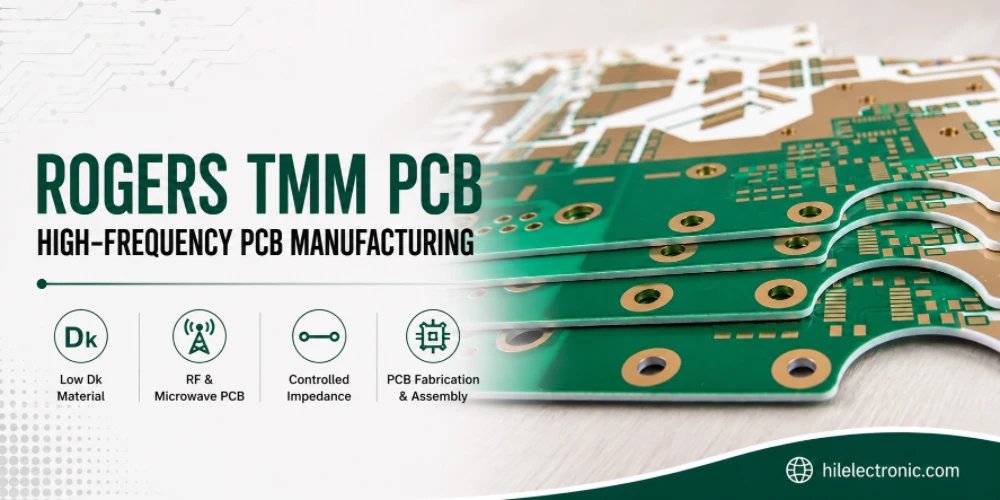
Rogers TMM PCB için Üretim Hususları
Delme ve takım aşınması
Rogers TMM laminatları seramik dolgu maddesi içerdiğinden, bir TMM projesinin imalat bölümü standart bir FR4 işinden farklı şekilde ele alınmalıdır. Bu, elektriksel ve termal davranışı iyileştirir, ancak delme işlemini standart FR4 delme işlemine göre daha zorlu hale getirir. Seramik dolgu maddesi takım aşınmasını artırabilir, bu nedenle delme parametreleri, vuruş sayısı, takım seçimi ve giriş/yedek malzemeler kontrol edilmelidir. Kötü delme, pürüzlü delik duvarlarına, çivi başı oluşumuna, lekelenmeye, çapaklara veya kaplama kusurlarına neden olabilir.
TMM konusunda deneyimli bir imalatçı, delik kalitesi ve takım ömrü için delme koşullarını ayarlayacaktır; bu, Rogers TMM imalat deneyimi belgelenmiş bir atölyeyi seçmenin nedenlerinden biridir. Çok küçük via'lar, yoğun via çitleri ve yüksek en boy oranlı delikler imalattan önce incelenmelidir. Tasarım birçok RF topraklama via'sı gerektiriyorsa, FR4 tasarım kurallarının geçerli olduğunu varsaymak yerine, via çapını ve aralığını imalatçının TMM yeteneğine göre doğrulamak daha iyidir.
Kaplama ve delik duvarı hazırlığı
TMM'nin birçok PTFE bazlı laminata kıyasla avantajlarından biri, standart TMM'nin elektrolizsiz kaplamadan önce sodyum naftenat işlemine ihtiyaç duymamasıdır; bu da Rogers TMM PCB üreticisi için süreci basitleştirebilir. Bu, işlemeyi basitleştirir ve riskli bir adımı azaltır. Bununla birlikte, iyi bir kaplama yine de yüzey hazırlığına, leke giderme/temizleme kimyasallarına, delik duvarı kalitesine ve proses kontrolüne bağlıdır.
Yüksek güvenilirlik gerektiren devre kartları için, gerekli bakır kaplama kalınlığını, kabul standardını ve termal gerilim gereksinimlerini belirtin. RF geçiş yolları ve topraklama geçiş yolları sadece mekanik delikler değildir; geri dönüş akımı taşırlar ve korumayı etkilerler. Çatlak veya kötü kaplanmış geçiş yolları, montajdan sonra teşhis edilmesi zor olan aralıklı RF arızalarına dönüşebilir.
Yönlendirme, puanlama ve mekanik kenarlar
Rogers TMM kartları, seramik dolgulu laminatın FR4'ten farklı davranması nedeniyle kontrollü yönlendirme koşulları gerektirebilir. Kart kenarı konektör çıkışları, tırtıklı kenarlar, boşluk özellikleri ve sıkı mekanik toleranslar erken aşamada ele alınmalıdır. RF kartlar için kenar genellikle elektriksel arayüzün bir parçasıdır: kart kenarı konektörleri düzlük, kaplama kalitesi, topraklama sürekliliği ve kenardan doğru geri çekilme gerektirir.
PCB metal bir muhafazaya yerleştirilecekse, kartın dış hatları ve montaj deliği konumları RF topraklamasını ve boşluk davranışını etkileyebilir. Bu nedenle, mekanik toleranslar yalnızca muhafaza çizimiyle değil, RF yerleşim planıyla da gözden geçirilmelidir.
Boyutsal kararlılık ve kayıt
TMM'nin termoset yapısı ve kontrollü termal genleşme davranışı boyutsal kararlılığa yardımcı olur, ancak tasarımda ince özellikler, gömülü RF katmanları veya hibrit malzemeler kullanıldığında çok katmanlı hizalama hala bir üretim zorluğudur. Yüksek frekanslı devreler için hizalama, via-pad hizalamasını, şerit hattı merkezlemesini, bağlantı boşluklarını ve boşluk yapılarını etkiler. Üretim paneli düzeni, uygun kuponları ve hizalama hedeflerini içermelidir.
Bir devre son derece hassas olduğunda, ilk numune ölçümlerini talep etmeyi düşünün: dielektrik kalınlığı, bakır kalınlığı, empedans numunesi verileri, kritik özellik boyutları ve uygulanabilirse test yapılarının S-parametresi ölçümleri. Bu, hem mühendise hem de üreticiye bir sonraki üretimi optimize etmek için gerçekçi bir temel sağlar.
Montaj ve tel bağlama
Rogers TMM malzemeleri, termoset reçine sistemine dayanmaktadır ve tel bağlama gerektirebilecek tasarımlarda kullanılır. Montaj gereksinimleri, yüzey kalitesini, lehim maskesini, düzlüğü, temizliği ve ambalajı etkilediği için imalattan önce belirtilmelidir. Kartta çıplak yonga, çip ve tel montajı veya ötektik bağlantı kullanılacaksa, PCB çiziminde bağlanabilir alanlar ve yüzey kalitesi gereksinimleri kesin olarak tanımlanmalıdır.
Lehimli RF bileşenleri için, bağlantı noktası geometrisi ve lehim hacmi önemlidir. Fazla lehim, bağlantı noktalarındaki empedansı değiştirebilirken, yetersiz lehim güvenilirliği azaltabilir. Güç RF bileşenleri için, termal pedlerin altındaki boşluklar sıcaklığı artırabilir ve performansı etkileyebilir. Bu nedenle, bir Rogers TMM PCB'si yalnızca çıplak bir kart olarak değil, birleşik bir imalat ve montaj ürünü olarak değerlendirilmelidir.
Rogers TMM ile PTFE, RO4350B ve Alümina karşılaştırması
Rogers TMM, her yüksek frekanslı PCB için otomatik olarak uygun malzeme seçeneği değildir; bu nedenle kayıp, rijitlik, Dk aralığı, işleme riski ve uygulama gereksinimlerine göre diğer RF laminatlarla karşılaştırılmalıdır. Çok düşük kayıplı PTFE laminatlar, RO4350B gibi uygun maliyetli hidrokarbon/seramik laminatlar ve alümina gibi sert seramik alt tabakalar arasında özel bir konumdadır. Doğru malzeme, tasarım önceliğine bağlıdır.
| Malzeme seçeneği | Ana güçlü yönleri | Tipik sınırlama | TMM'den daha iyi olabileceği zamanlar | TMM'nin daha iyi olabileceği durumlar |
|---|---|---|---|---|
| RT/duroid 5880 gibi PTFE laminatlar | Çok düşük Df değeri ve mükemmel geniş bant mikrodalga performansı. | Termoset sistemlere kıyasla daha yumuşak mekanik davranış ve daha özel işleme süreçleri. | Mutlak minimum ekleme kaybı en önemli gerekliliktir. | Tasarımın daha yüksek rijitliğe, daha kolay delik işleme olanağına, yüksek Dk seçeneklerine veya kaplamalı delik güvenilirliğine ihtiyacı var. |
| RO4350B | FR4 benzeri işleme ve UL 94 V-0 derecelendirmesine sahip, uygun fiyatlı RF laminat. | TMM3'e göre daha yüksek kayıp tanjantı ve daha dar Dk aralığı. | Ana akım RF kartlarının düşük maliyetle ve daha yüksek hacimde iyi performans göstermesi gerekiyor. | Tasarımın RO4350B'den daha düşük kayıp oranına, daha sıkı Dk kontrolüne, yüksek Dk değerlerine veya kalın tek katmanlı seçeneklere ihtiyacı var. |
| Alümina seramik | Yüksek dielektrik sabiti, yüksek termal performans ve mükemmel boyutsal kararlılık. | Kırılgan yapı, farklı üretim yöntemi, sınırlı PCB benzeri çok katmanlı esneklik ve genellikle daha yüksek montaj karmaşıklığı. | Çok yüksek güç yoğunluğuna sahip, çip ve kablo tabanlı mikrodalga modülleri veya seramik paketleme gereksinimleri baskın durumdadır. | PCB benzeri bir işlem, kaplamalı delikler, daha büyük kart boyutları veya daha kolay mekanik entegrasyon gereklidir. |
TMM ve PTFE karşılaştırması
PTFE laminatlar, TMM'ye göre daha düşük kayıp sağlayabilir. Örneğin, RT/duroid 5880, çok düşük Dk ve çok düşük kayıp faktörü ile bilinir. Tasarım uzun, düşük kayıplı bir iletim yolu ise ve mekanik karmaşıklık sınırlıysa, PTFE daha iyi bir elektriksel seçim olabilir. Bununla birlikte, PTFE bazlı malzemeler daha özel imalat gerektirebilir ve mekanik olarak daha az rijit olabilir. Rogers TMM, tasarımın RF performansı, boyutsal kararlılık, kaplamalı delik güvenilirliği ve üretilebilirlik arasında daha güçlü bir denge gerektirdiği durumlarda sıklıkla tercih edilir.
TMM ve RO4350B karşılaştırması
RO4350B, standart epoksi/cam ile benzer şekilde işlenmesi ve maliyet etkinliği nedeniyle ticari RF kartlarında yaygın olarak kullanılmaktadır. Kayıp bütçesi ve Dk aralığının uyumlu olduğu antenler, RF modülleri, güç amplifikatörleri ve kablosuz altyapı için güçlü bir seçenektir. Tasarımda RO4350B'den daha düşük kayıp, daha yüksek Dk seçeneği, daha sıkı dielektrik kontrolü veya TMM'nin özel özelliklerine sahip sert bir termoset malzeme gerektiğinde TMM daha cazip hale gelir.
TMM ve alümina karşılaştırması
Alümina normal bir PCB laminatı değildir; seramik bir alt tabakadır. Yüksek performanslı mikrodalga modülleri için mükemmel olabilir, ancak kırılgandır ve farklı bir üretim ve montaj ekosistemi kullanır. Tasarım, PCB üretim yöntemlerine daha yakın kalırken seramik benzeri dielektrik sabitlerinin boyut avantajından yararlanmak istediğinde, yüksek Dk TMM kaliteleri dikkate alınabilir. Bu, TMM'nin her durumda alüminanın yerini alacağı anlamına gelmez. Bu, ürünün kompakt RF performansı ile PCB tarzı üretilebilirlik arasında bir uzlaşmaya ihtiyaç duyduğu durumlarda TMM'nin değerlendirilmesi gerektiği anlamına gelir.
Üretim Uyumu ve Tipik Kart Kullanımları
Anten sistemleri ve besleme ağları
Rogers TMM yüksek frekanslı PCB'ler, faz, empedans ve kayıp tekrarlanabilirliğinin önemli olduğu anten sistemlerinde kullanılır. Diziler için besleme ağları, sinyalleri öngörülebilir genlik ve faz ile dağıtmalıdır. Dielektrik varyasyonu, bir yolun elektriksel uzunluğunu diğerine göre değiştirirse, dizi performansı olumsuz etkilenebilir. TMM'nin kontrollü dielektrik özellikleri, kartlar arasında tekrarlanabilirliğin korunmasına yardımcı olur.
Anten devre kartları için malzeme seçimi bant genişliğine, anten boyutuna, radyasyon verimliliğine, ortama ve maliyete bağlıdır. Daha geniş bant genişliği ve daha geniş hatlar istendiğinde düşük Dk değerine sahip TMM kaliteleri kullanılabilir. Daha kompakt anten yapıları için yüksek Dk değerleri düşünülebilir, ancak tasarımcılar bant genişliği ve verimlilik arasındaki dengeyi dikkate almalıdır.
RF filtreleri, kuplörler ve rezonatörler
Filtreler ve rezonatörler, Dk değerine en duyarlı PCB yapılarından bazılarıdır. Dielektrik sabiti veya iz boyutundaki küçük bir değişiklik, geçiş bandını, geri dönüş kaybını veya kuplaj tepkisini etkileyebilir. TMM, çeşitli kalitelerde kontrollü Dk değerleri sağladığı için değerlidir ve tasarımcının filtre tipine uygun fiziksel boyutu ve tolerans hassasiyetini seçmesine olanak tanır.
Bu devreler için, imalat çiziminde tüm bakır özelliklerine eşit muamele etmek yerine kritik boyutlar belirtilmelidir. Bağlantı boşlukları, rezonatör uzunlukları, saç tokası yapıları, parmak arası bağlantı noktaları ve topraklama mesafeleri özel inceleme gerektirebilir. Bazı durumlarda, en iyi üretim stratejisi, rezonatör numuneleri eklemek veya ilk numune ölçümünden sonra kontrollü bir ayarlama işlemine izin vermektir.
Radar ve havacılık elektroniği
Radar ve uzay elektroniği genellikle yüksek frekans, termal döngü, titreşim, katı güvenilirlik gereksinimleri ve uzun hizmet ömrünü bir arada barındırır. Sadece düşük kayıp için seçilen bir malzeme yeterli olmayabilir. Devre kartının ayrıca delik kaplama güvenilirliğine, boyutsal kararlılığa ve montaj ve çevresel gereksinimlerle uyumluluğa sahip olması gerekir.
Rogers TMM'nin termoset sertliği, kontrollü termal genleşme davranışı ve yüksek frekanslı elektriksel özellikleri, onu radar modülleri, sensör kartları ve yüksek güvenilirlik gerektiren mikrodalga sistemleri için uygun bir aday haline getiriyor. Havacılık veya savunma sanayi çalışmalarında ise, tedarik sırasında dokümantasyon, malzeme izlenebilirliği, denetim gereksinimleri ve ihracat kontrolü hususlarının da ele alınması gerekebilir.
Uydu ve iletişim sistemleri
Uydu iletişimi ve mikrodalga iletişim sistemleri genellikle kontrollü empedanslı RF yolları, düşük gürültülü alıcı bölümleri, güç amplifikatörleri, filtreler ve fazlı ağlar kullanır. Rogers TMM PCB'leri, katman yapısı düşük kayıp ve kararlı faz için tasarlandığında bu işlevleri destekleyebilir. İletişim sistemlerinde, küçük ekleme kaybı iyileştirmeleri daha iyi bağlantı bütçesi, daha düşük amplifikatör stresi veya gelişmiş alıcı hassasiyeti anlamına gelebilir.
Güç RF ve amplifikatör kartları
Güç RF kartları hem elektriksel hem de termal performansa ihtiyaç duyar. Laminat, kararlı empedansı ve düşük kayıpları desteklemeli, devre düzeni ise aktif cihazlardan ısıyı uzaklaştırmalıdır. TMM'nin termal iletkenliği ve kaplamalı delik güvenilirliği yardımcı olabilir, ancak kart seviyesinde termal tasarım yine de çok önemlidir. Termal geçiş yollarını, bakır düzlemleri, ısı dağıtıcıları ve gövde temas noktalarını bilinçli olarak kullanın ve termal yapıların RF geri dönüş akımını bozmadığından emin olun.
Rogers TMM PCB Fiyat Teklifi ve Tasarım Kontrol Listesi
Bir Rogers TMM PCB fiyat teklifi, üreticiye eksiksiz bir teknik paket sunulduğunda daha doğru olur; aksi takdirde tedarikçi farklı bir malzeme önerebilir, daha güvenli ancak daha pahalı bir işlem varsayabilir veya TMM PCB maliyetini etkileyen RF açısından kritik ayrıntıları gözden kaçırabilir. TMM özel bir yüksek frekanslı laminat olduğundan, eksik veriler yanlış malzeme ikamesine, yanlış katmanlama varsayımlarına, önlenebilir maliyet artışlarına veya prototip gecikmelerine yol açabilir.
Malzeme ve katman bilgileri
- Rogers TMM'nin tam modeli: TMM3, TMM4, TMM6, TMM10, TMM10i veya TMM13i.
- Gerekli laminat kalınlığı ve bakır kaplama ağırlığı.
- Son işlem görmüş levha kalınlığı ve toleransı.
- Hibrit yapılarda kullanılan katman sayısı ve yapıştırma malzemeleri de dahil olmak üzere tam katman dizilimi.
- Hangi katmanlar kontrollü empedanslı RF katmanlarıdır?
- RF devrelerinde lehim maskesi kullanılmasına izin verilip verilmeyeceği.
- Özellikle TMM'yi diğer malzemelerle birleştiren hibrit yapılarda, eğilme ve burulmayı kontrol etmek için simetriye duyulan her türlü gereksinim.
RF performans gereksinimleri
- Her bir RF hat tipi için hedef empedans ve tolerans.
- Çalışma frekans aralığı ve tasarımın dar bantlı mı yoksa geniş bantlı mı olduğu.
- Uygulanabilirse, maksimum ekleme kaybı, geri dönüş kaybı veya faz toleransı.
- Empedans, kayıp veya S-parametresi ölçümü için kupon gereksinimleri.
- Kritik RF boyutları arasında bağlantı boşlukları, rezonatör uzunlukları ve çıkış geometrisi yer almaktadır.
- Kart kenarı konektörleri kullanılıyorsa, konektör tipi ve başlatma önerisi.
İmalat ve montaj gereksinimleri
- Minimum iz ve boşluk, minimum delme, en boy oranı ve geçiş tipi.
- Kaplama kalınlığı, geçiş yolu doldurma gereksinimleri ve varsa geri delme gereksinimleri.
- Yüzey kaplaması: ENIG, daldırma gümüşü, OSP, yumuşak altın, ENEPIG veya diğer.
- Tel bağlama, kalıp yapıştırma veya özel montaj gereksinimleri.
- Termal arayüz gereksinimleri: metal destek, kalın bakır, termal geçiş yolları veya ısı dağıtıcı temas noktası.
- Kabul standardı, muayene raporu, malzeme sertifikası ve test verisi gereklilikleri.
PCB üreticinize sormanız gereken sorular
Rogers TMM yüksek frekanslı PCB'yi piyasaya sürmeden önce, üreticiye daha önce tam olarak bu TMM sınıfı ve kalınlığını işleyip işlemediklerini sorun. Hangi bakır folyo ve yüzey işleme seçeneklerini destekleyebildiklerini sorun. Seçilen bakır kalınlığında elde edilebilecek aşındırma toleransını doğrulayın. Kontrollü empedansı nasıl test edeceklerini ve kupon yapısının RF hat tipiyle eşleşip eşleşmediğini sorun. Hibrit kartlar için, laminasyon katmanlarının eğilme, bükülme ve malzeme uyumluluğu açısından doğrulanıp doğrulanmadığını sorun.
Bu sorular yaygın bir sorunu önler: elektriksel olarak karmaşık ancak tekrarlanabilir şekilde üretilmesi zor bir tasarım. Nitelikli bir TMM PCB üreticisi, sipariş verilmeden önce laminat bulunabilirliği, katmanlama alternatifleri, delme parametreleri, yüzey kalitesi ödünleri ve empedans doğrulaması hakkında bilgi verebilmelidir. TMM yüksek frekanslı bir fiyat teklifi için, tam kaliteyi, katmanlamayı, çalışma bandını, kart boyutunu, bakırı, empedans hedeflerini ve miktarı belirtin. Bu, genel bir tartışmadan üretime özel bir incelemeye geçmek için yeterlidir.

Önerilen Mesajlar
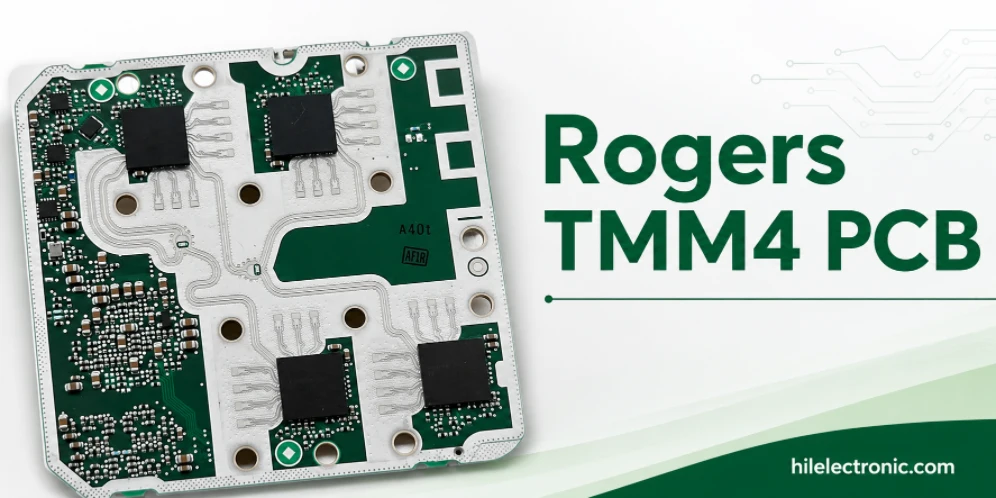
TMM4 Filtre PCB Üretimi
TMM4 filtre PCB'sinin üretimi şu şekilde kontrol edilmektedir...
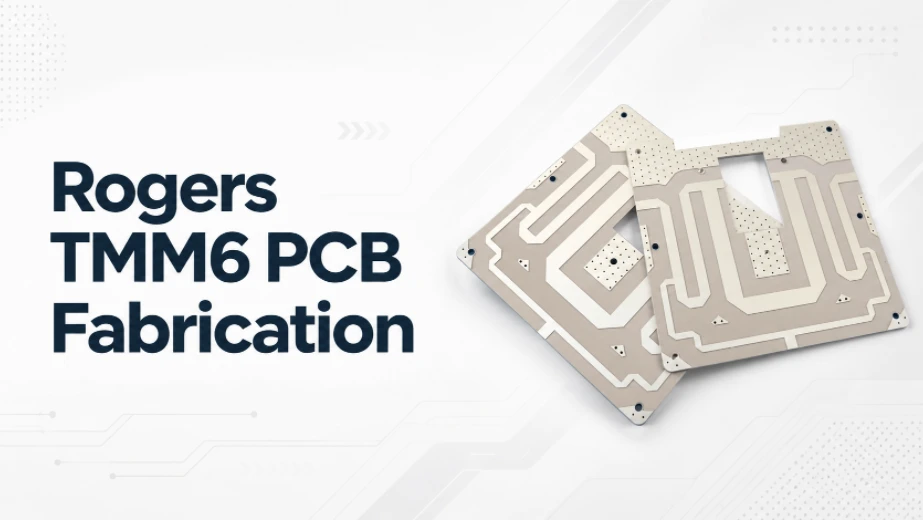
TMM6 PCB Üretimi
TMM6 üretimi, orta seviye bir Dk için proses kontrol sayfasıdır...
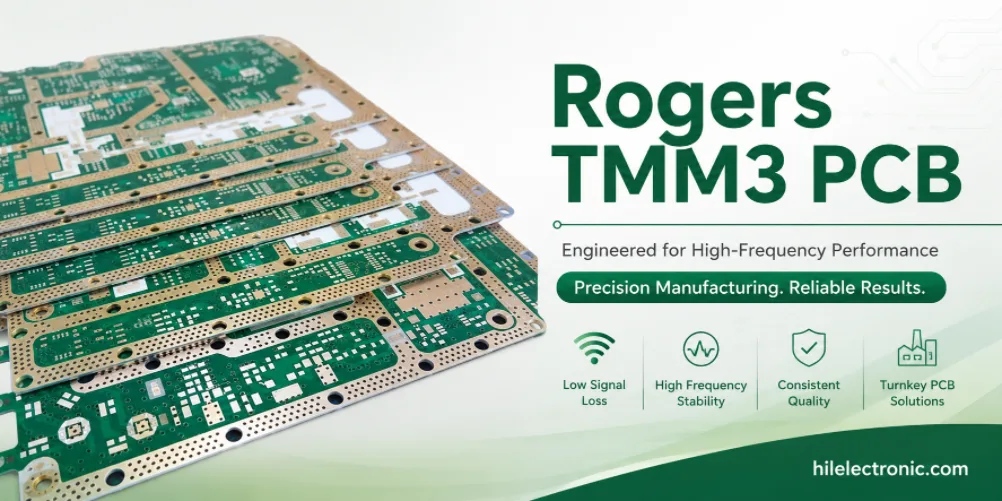
RF Modülleri için TMM3 PCB Üretimi
TMM3 PCB üretimi, RF modülünün kullanıldığı yerlerde en faydalı olanıdır...
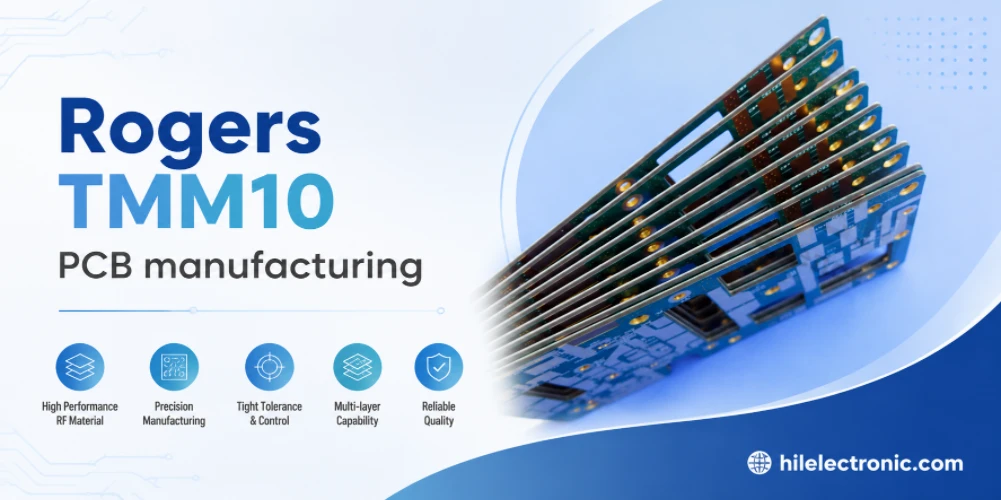
Kompakt RF Tasarımları için TMM10 PCB Üretimi
İçindekiler TMM10 RF Yapılarını Nasıl Küçültüyor? TMM10 vs...
PCB'ler için fiyat teklifi nasıl alınır
Sizin için DFM/DFA analizi yapalım ve size bir raporla geri dönelim. Dosyalarınızı web sitemiz üzerinden güvenli bir şekilde yükleyebilirsiniz. Size fiyat teklifi verebilmemiz için aşağıdaki bilgilere ihtiyacımız var:
-
- Gerber, ODB++ veya .pcb, spec.
- Montaj gerekiyorsa BOM listesi
- Adet
- Dönüş zamanı
PCBA hizmetleri için lütfen BOM'unuzu (Malzeme Listesi) ve herhangi bir özel montaj talimatını sağlayın. Ayrıca, tasarımlarınızı üretilebilirlik ve montaj için optimize etmek ve sorunsuz bir üretim süreci sağlamak için DFM/DFA analizi de sunuyoruz.