
IiPCB ezingangenwa ngamanzi zoMbane kwiNdawo eFumileyo

I-PCB engenamanzi
Waterproof PCB design addresses moisture exposure at both board and product level. A ukutyabeka okukhuselayo can improve resistance to moisture and contaminants, but does not by itself establish a waterproof rating. Applications in medical, automotive, consumer, and industrial equipment may require suitable coatings, encapsulation, seals, connectors, and enclosures, followed by testing under the intended exposure conditions.
Ukubaluleka kweePCB ezingangeni manzi
Moisture protection can reduce corrosion and leakage-current risks in outdoor equipment, marine PCB assemblies, and kitchen appliances. Its effectiveness depends on board cleanliness, coverage, curing, material compatibility, and the type and duration of exposure. Select the protection method for the actual environment and validate the complete assembly.
Water exposure varies by application: automotive electronics may encounter spray and contamination, while consumer products may require a defined ingress-protection rating. Medical equipment must also tolerate its specified cleaning or sterilization process. These requirements apply to the complete product and cannot be established by a PCB coating alone.
Umahluko kwiiPCB eziqhelekileyo
A PCB intended for wet conditions needs a defined protection strategy. Conformal coating provides a thin protective film; potting or encapsulation and sealed enclosures address different exposure requirements. An ordinary solder mask is not a substitute for a qualified environmental coating, and none of these choices removes the need to evaluate connectors, board edges, and assembly interfaces. A boat speed-controller board combines motor-power circuitry with an environment-sensitive assembly, so sealing and coating decisions must preserve the specified heat path and connector access. For pool-light PCB protection and integration, specify the immersion conditions and the complete luminaire test scope; a coating or nominal low-voltage rating alone does not establish suitability for underwater use.
Iindlela zeePCB zokungaManzi
Kukho iindlela ezininzi zokuthintela amanzi kwi-PCBs, nganye ilungele iintlobo ezahlukeneyo zezicelo kunye namanqanaba okuthintela amanzi afunekayo. Ezinye zeendlela eziqhelekileyo ziquka:
- Moisture-Resistant Substrates: Compare moisture absorption and electrical performance for the specific I-FR-4, PTFE, or ceramic material grade. A low-moisture-absorption substrate can support the design, but it does not make the assembled PCB waterproof.
- Protective Coating: Parylene N or parylene C may be considered where their barrier and electrical properties suit the application. Coverage, adhesion, masking, and exposure conditions must be validated; a coating name alone does not establish waterproof performance.
- Ukutywina iziQinisekiso: Ukutywina iziqhagamshelo ngezinto ezingangeni manzi kunokuthintela amanzi ukuba asasazeke kwi-PCB ngokusebenzisa izihlanganisi.
- Qualified Protective Materials: Use a coating or encapsulant intended for electronic assemblies, with documented dielectric properties and compatibility. General-purpose waterproof paint may interfere with electrical contacts, rework, or heat transfer and should not be assumed suitable.
Yeyiphi iNkqubo yeSicelo eNgcono?
The coating application process depends on board geometry, masking requirements, production volume, and the specified dry-film thickness. Manual spray, automated selective coating, dipping, and dispensing each have practical tradeoffs. The PCB umphezulu wokugqiba must also be compatible with the coating and cleaning process.
Manual spraying can be practical for low-volume or complex assemblies, but coverage and thickness depend on process control. Shadowed areas, board edges, connectors, and cure conditions require inspection; manual spraying does not inherently provide better coverage than an automated process.
Nangona kunjalo, kubalulekile ukuqaphela ukuba ukhetho lwenkqubo yesicelo kufuneka lusekelwe kuvavanyo olunzulu lweemfuno ezithile zesicelo. Kwezinye iinkqubo, ezinye iindlela ezifana nokukhupha okanye ukudipha kunokufaneleka ngakumbi ngokuxhomekeke kwizinto ezifana neendleko, ubunzima, kunye nenqanaba elifunekayo lokuthintela amanzi.
Choose the application process through trials on representative assemblies, then document masking, thickness, cure, coverage, and inspection requirements.
Ezinye iindlela zoKhusela iiPCB kuManzi
Ukongeza kwiindlela ezikhankanywe ngasentla, ezinye iindlela ezimbini eziqhelekileyo zokukhusela iiPCB emanzini ziquka:
Conformal Coating: Acrylic, urethane, epoxy, silicone, and other coating systems offer different moisture, chemical, thermal, and rework characteristics. Select a qualified system for the exposure conditions. Conformal coating is moisture-resistant protection, not a guarantee of long-term immersion resistance.
Sealed Enclosures: Plastic or metal enclosures, suitable gaskets, sealed connectors, and cable-entry protection can limit water ingress. Validate the assembled enclosure to the required ingress-protection conditions; its material alone does not establish a waterproof rating.
isiphelo
Ukukhusela izixhobo zombane from moisture requires a defined exposure requirement and a tested protection system. Consider the substrate, coating or encapsulation, connectors, seals, and enclosure together. Verify electrical performance after the relevant environmental tests instead of assuming that a coated PCB is waterproof.
Izithuba kucetyiswa
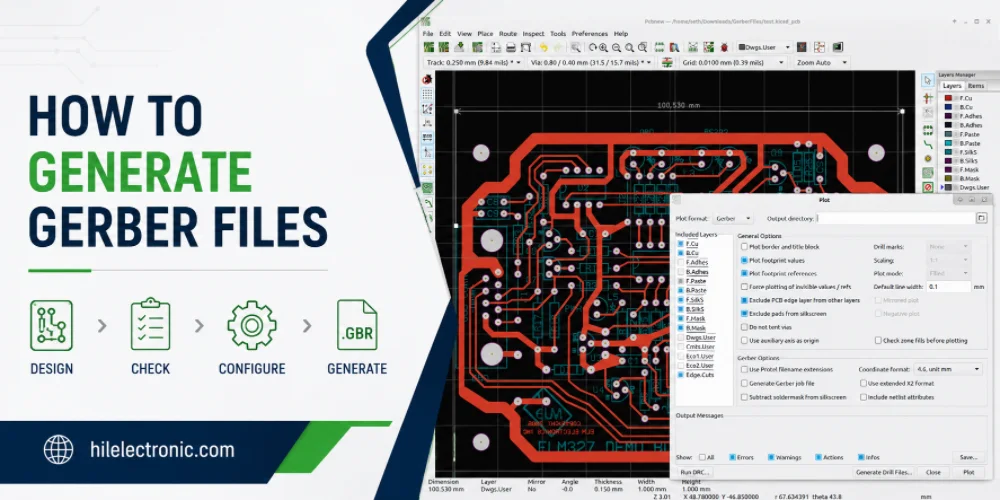
Indlela Yokuvelisa Iifayile zeGerber Zokwenziwa kwePCB
Umfanekiso 1. indlela yokwenza umfanekiso weefayile zeGerber zeHighleap...
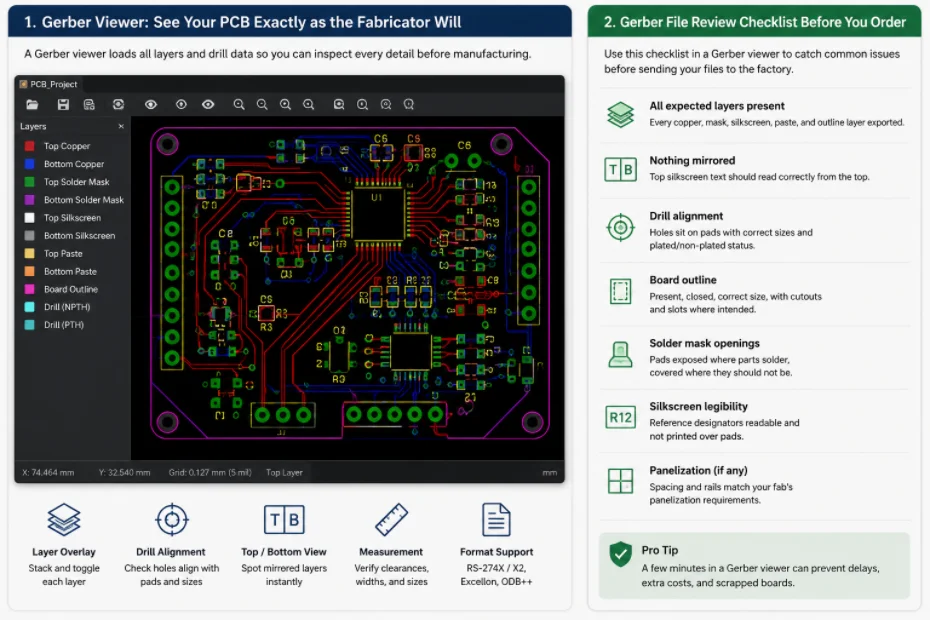
Uluhlu lokujonga uHlolo lweeFayile zeGerber: Indlela yokujonga iiFayile zePCB ngaphambi kokuba u-odole
Umfanekiso 1. Uphononongo lwefayile yeGerber lubamba iileya ezingekhoyo, ukubhola...
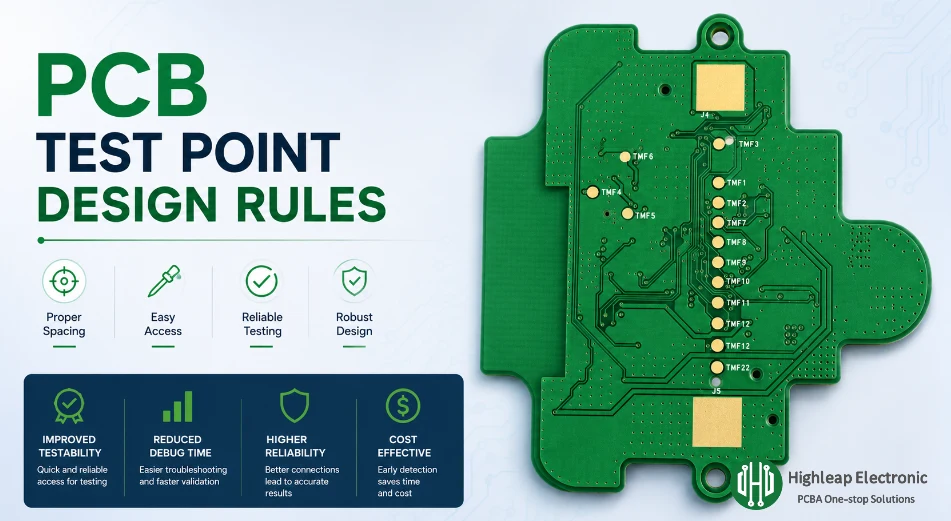
Imithetho yoYilo lwePrimiyamu yoVavanyo lwePCB yoLungiso kunye ne-ICT
Umfanekiso 1. Imithetho yoyilo lwe-PCB test point inceda ekwenzeni ukulungisa iimpazamo,...
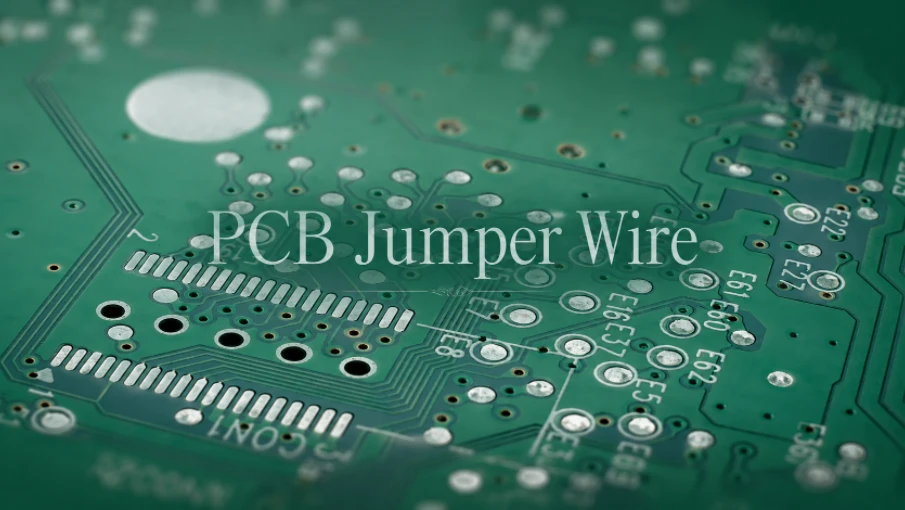
I-PCB Jumper Wire: Ukusetyenziswa, Iintlobo, kunye neengcebiso zoYilo
Umfanekiso 1. Iingcingo ze-PCB jumper ziluncedo kwiiprototypes kunye...