
Treoirlínte Dírithe Voltais Toilleora le haghaidh Dearadh PCB

Réamhrá: Costas an tSonraitheora
Capacitor voltage selection must account for the supply tolerance, transients, temperature, ripple and the exact part. A 16 V-rated MLCC on a nominal 12 V rail is not automatically defective or destined to fail after six months. Its suitability depends on the manufacturer’s conditions and whether sufficient effective capacitance and reliability margin remain in the actual circuit.
Voltage derating means selecting a toilleoir with an appropriate operating margin below its permitted rating. The required margin varies with capacitor technology, part series, operating conditions and project rules. For Class II MLCCs, check effective capacitance under DC bias separately from the voltage-withstand rating.
Cad is Díolú Voltais Toilleora ann?
Define the voltage-utilization ratio as U = V_operating / V_rated. A 12 V operating point and a 25 V rating give 48% utilization, leaving a nominal 52% voltage margin. This arithmetic does not by itself establish transient protection, effective capacitance or service life; include the maximum actual operating conditions in the assessment.

A manufacturer’s rating applies under specified conditions, not an assumption of minimal lifetime. Review the applicable datasheet, endurance conditions, temperature limits and application guidance when translating that rating into a product design.
Cén fáth nach féidir díluacháil voltais toilleora a chaibidliú
Cosc a chur ar Mhiondealú Dréleictreach
Overvoltage or other excessive stress can damage the dielectric. Appropriate voltage margin is one control, but it cannot guarantee freedom from breakdown, defects or misuse. Apply the manufacturer’s limits and the circuit’s required transient protection.
Feabhas a chur ar Iontaofacht Fhadtéarmach agus ar Aosú
Voltage, temperature and ripple can affect lifetime differently across capacitor technologies. Use a manufacturer-supported life model or qualification plan for the exact part and conditions. A generic 5–10× MTBF benefit or a fixed lifetime reduction at 90% voltage utilization is not a universal capacitor rule.
Láimhseáil Imeachtaí Ró-Lámhacha agus Borrtha Neamhbhuana
Switching and motor-drive circuits can generate overshoot and other transients. Measure or model their actual amplitude, duration and repetition, then choose an appropriate voltage rating and protection scheme. Neither a fixed 150% overshoot assumption nor voltage derating alone establishes adequate protection.
Laghdaigh Caillteanais Claonta DC in MLCC
Class II ceramic dielectrics such as X5R agus X7R can lose effective capacitance under DC bias. The amount depends on the exact part, case size and construction; it cannot be predicted from the voltage rating alone. Use the manufacturer’s bias curve and include temperature, tolerance and aging where relevant.
Chun athbhreithniú táirgeachta níos iomláine a fháil, bain úsáid as an alt seo in éineacht le hathbhreithniú DFM agus comhpháirteanna an bhoird chiorcaid agus riachtanais chruachta, tionóil nó tástála á seiceáil.
Treoirlínte maidir le Dí-rátáil Voltais Toilleora de réir Cineáil
Riachtanais Dírithe Voltais MLCC
- X5R / X7R MLCCs: Compare part-specific DC-bias curves and permitted voltage/temperature conditions. The rating alone does not predict retained capacitance.
- C0G / NP0 MLCCs: These dielectrics have much smaller DC-bias capacitance effects, but voltage, temperature, pulse and mechanical limits still apply.
Díolú Toilleora Tantalum
- Tantalum capacitors: Follow the exact technology and series guidance, including surge, source impedance and temperature conditions. A single percentage does not cover all tantalum products.
- High-reliability projects: Apply the controlled customer or program derating requirements and qualification plan. No percentage eliminates all failure risk.
Dí-ardú Voltais Leictrealaíoch Alúmanaim
- Aluminum electrolytics: Evaluate ambient and internal temperature, ripple, operating voltage and the series-specific life model together.
Dí-ardú Toilleora Scannán agus Ardvoltais
- Film capacitors: Check the relevant DC/AC voltage, frequency, ripple, pulse and temperature ratings. Self-healing behavior does not remove these limits.
- High-voltage capacitors: Review insulation, waveform, partial-discharge and transient requirements for the actual component and application, not a universal 30–50% rule.
Conas Dí-athrátú Voltais Toilleora a Ríomh i nDearadh Fíor-PCB
For a nominal 12 V rail and a 16 V-rated part, utilization is 12/16 = 75%. That number is an input to the review, not automatic proof of a violated guideline. Compare the maximum rail voltage and transients against the part’s permitted conditions and project requirements.
- V_oibriúcháin = 12V
- V_rátáilte_1 = 16V
- DR_1 = 12/16 = 75%
- V_oibriúcháin = 12V
- V_rátáilte_2 = 25V
- DR_2 = 12/25 = 48%
When comparing a 16 V and a 25 V MLCC for a 12 V rail, compare their actual bias curves at 12 V and the relevant temperatures. A higher nameplate voltage does not guarantee a particular retained capacitance. Select the part that meets the minimum effective-capacitance and stress requirements in the available footprint.

Saintréithe Claonta DC MLCC
Dí-ardú Voltais Toilleora faoi Choinníollacha Speisialta
Éifeacht Claonta DC ar Thoilleas MLCC
For Class II MLCCs, evaluate DC bias at the actual operating voltage using the selected part’s data. Test conditions for nominal capacitance and bias characterization matter. A blanket half-rated-voltage rule cannot guarantee that a specified percentage of capacitance remains.
Dí-ráitiú Ardteochta agus Voltais
Use the component’s voltage-versus-temperature limits and any applicable project derating requirements. Do not invent a universal reduction of 5–10 percentage points per 10°C above 85°C; different capacitor systems and series have different permitted conditions.
Cosaint Srutha Tonnta agus Cosaint Borrtha
Ripple-current heating depends on ESR, frequency, cooling and the component construction. Verify the permitted ripple and temperature rise, including transient and surge conditions. Voltage margin does not replace ripple-current, thermal or surge qualification.
Caighdeáin Tionscail maidir le Dí-rátáil Voltais Toilleora
Customer or sector requirements may specify additional derating rules. Confirm the applicable document, revision, part category and operating conditions before applying a numerical limit.
- MIL-HDBK-338 guidance: Check the applicable section, component category and project adoption before using a value as a design limit.
- NASA or space-program requirements: Use the controlled parts/derating requirements for the actual mission and capacitor technology; do not substitute a generic percentage.
- IPC-9592 requirements: Where applicable to the power-conversion product, confirm the relevant component and stress conditions in the adopted revision rather than extending one ratio to all commercial electronics.
Requirements from different sectors are not interchangeable. Record which rule governs the project and resolve any conflict with the component manufacturer’s limits rather than claiming a universal cross-industry ratio.
Moltaí Praiticiúla maidir le Dearadh PCB
Éilíonn cur i bhfeidhm dí-rátáil voltais toilleora chuí roinnt cleachtas ríthábhachtach:
- Check manufacturer bias data: Calculate the effective capacitance at the relevant voltage, temperature and tolerance conditions.
- Compare candidate part numbers: A 50 V rating on a 12 V rail does not guarantee a particular capacitance; verify the chosen construction.
- Apply project requirements: Define voltage, ripple, thermal and surge limits according to the component data and the product’s reliability requirements.
- Document approved substitutions: Identify the part number, permitted operating conditions and required effective capacitance. Review alternatives against those requirements rather than only the printed capacitance and voltage.
These checks connect the selected component to the actual operating conditions. Reliability still needs appropriate design verification and production control; following a generic percentage cannot guarantee field performance.
Conclúid
A 50 V MLCC may be appropriate on a 12 V rail, but it should not be a default choice without comparing the actual parts. Bias response, package size, dielectric system, impedance, availability and cost all matter. Choose the rating and construction from the required performance.
Use the minimum effective capacitance required by the circuit. If a nominal 10 µF part provides 3 µF under its actual conditions, acceptability depends on whether the circuit requires more than that value. The component’s bias data is part of the design evidence, not a contradiction of its datasheet.
Specify the permitted voltage, temperature, ripple and transient conditions, then verify effective capacitance and life requirements for the selected part. Document the approved part number and substitution criteria so that procurement changes do not invalidate the design review.

Poist is molta
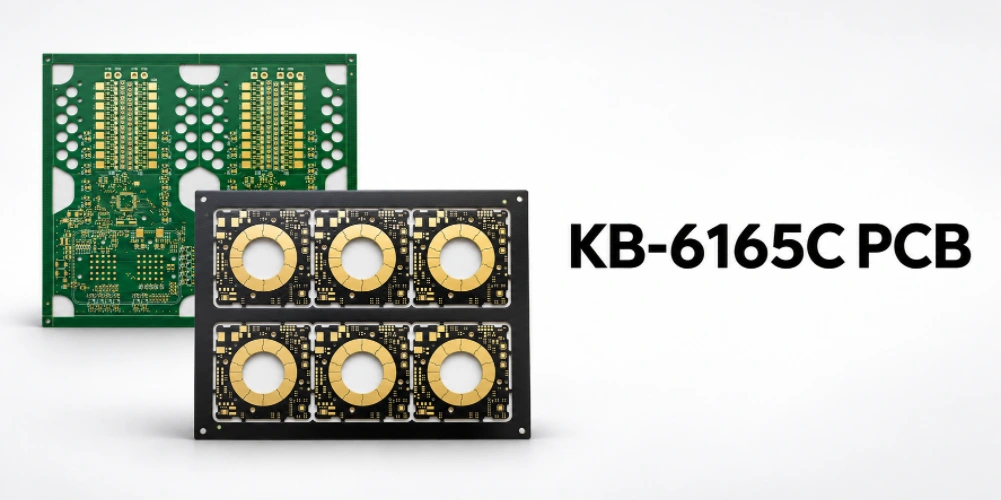
Monaróir PCB KB-6165C do Chláir Chumhachta & Rialaithe
LEICTREONAIC HIGHLEAP / KB-6165C / PCB CUMHACHTA & RIALÚ...

Monaróir PCB Copair Trom 14 Sraith sa tSín do Bhoird Ard-Reatha
COPAR ARD-REATHA / MEASCTHA · ARD-LEAP...
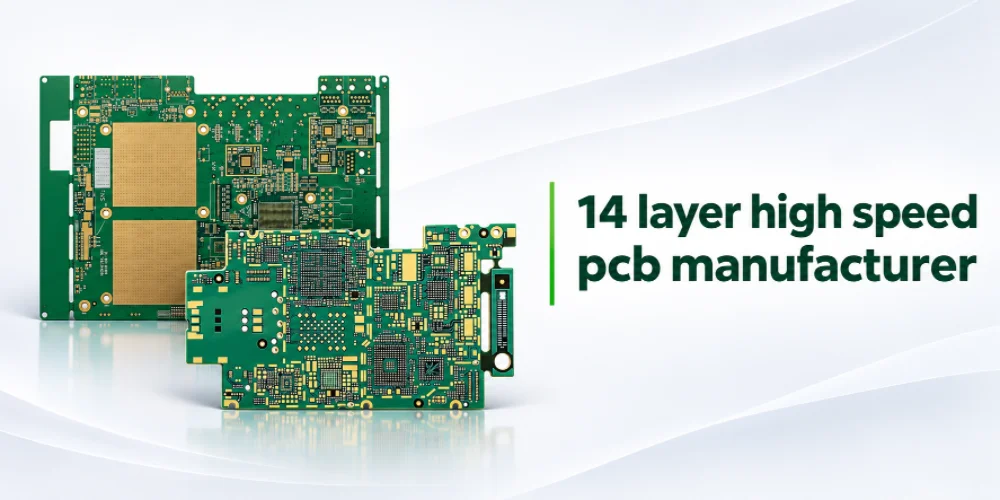
Monaróir PCB Ardluais 14 Sraith sa tSín le haghaidh Dearthaí Ísealchaillteanais
ARDLUAS / SLÁINE COMHARTHA ARDLEAP...
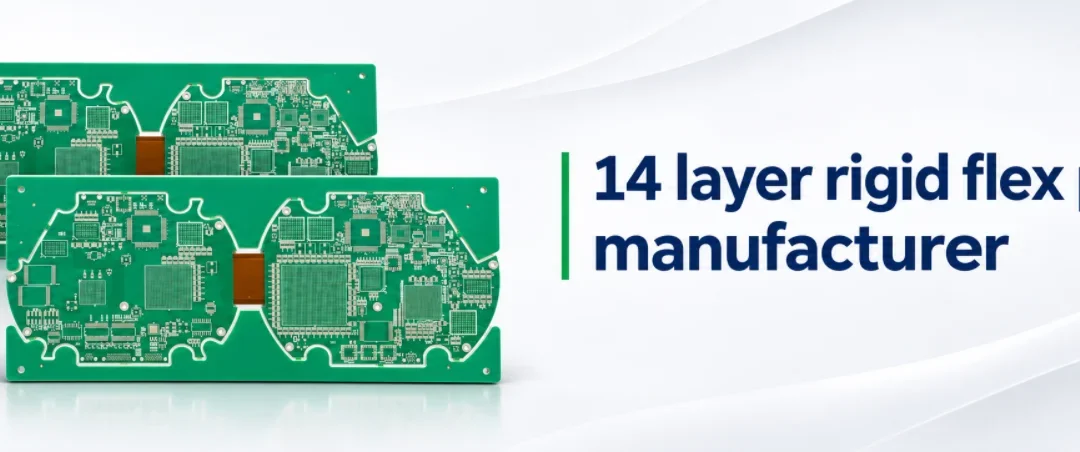
Monaróir PCB Rigid-Flex 14 Sraith sa tSín le haghaidh Tógálacha OEM Saincheaptha
CRÍOCHA DOCHA + SOLÚBTHA · HIGHLEAP Leictreonaic Highleap...
Conas luachan a fháil le haghaidh PCBanna
Déanaimis anailís DFM/DFA a dhéanamh duit agus rachaimid ar ais chugat le tuarascáil. Is féidir leat do chuid comhad a uaslódáil go slán tríd ár suíomh Gréasáin. Teastaíonn an fhaisnéis seo a leanas uainn chun luachan a thabhairt duit:
-
- Gerber, ODB++, nó .pcb, sonraíocht.
- Liosta BOM má tá cóimeáil uait
- Cé mhéad
- Cas am
Chomh maith le monarú PCB, cuirimid réimse cuimsitheach seirbhísí leictreonacha ar fáil, lena n-áirítear dearadh PCB, PCBA, agus réitigh lán-eochair. Cibé an bhfuil cabhair uait le fréamhshamáirí, fíorú dearaidh, foinsiú comhpháirteanna, nó olltáirgeadh, soláthraímid tacaíocht ó cheann ceann go ceann chun rath do thionscadail a chinntiú.
I gcás seirbhísí PCBA, cuir do Bhille Ábhar (BOM) agus aon treoracha tionóil sonracha ar fáil. Cuirimid anailís DFM/DFA ar fáil freisin chun do dhearaí a bharrfheabhsú le haghaidh inmhonaraitheachta agus tionóil, rud a chinntíonn próiseas táirgthe réidh.