
Déantúsaíocht PCB Shengyi S1141 le haghaidh Tógálacha FR-4 Costas-Rialaithe
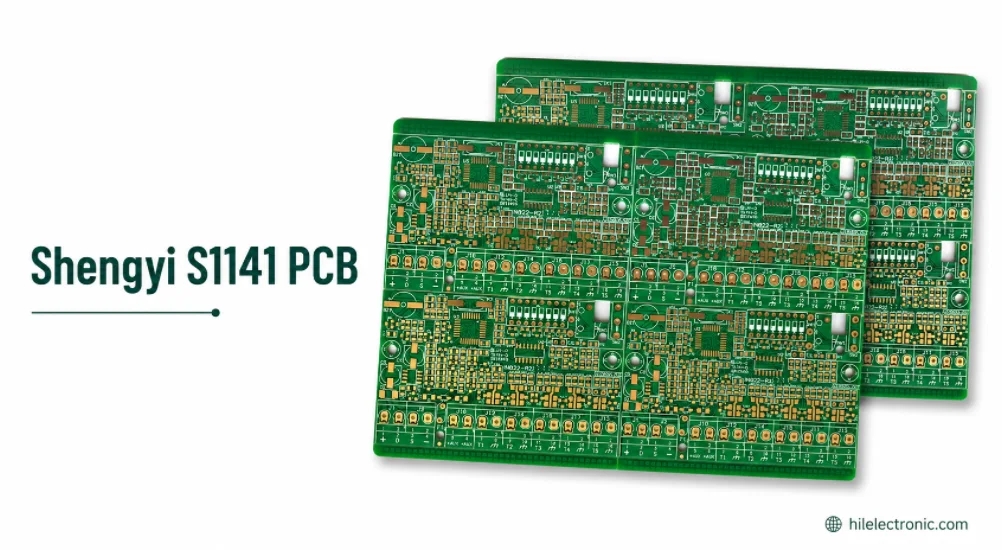
Is rogha phraiticiúil é PCB Shengyi S1141 nuair a bhíonn tógáil FR-4 príomhshrutha, próiseáil mheicniúil chobhsaí agus rialú costais disciplínithe ag teastáil ón táirge—gan HDI, comhaireamh sraitheanna an-ard, ceanglais fhoirmiúla frith-CAF nó copar os cionn 2 unsa. Déanann Highleap Electronics boird lom S1141 agus tionóil PCB a mhonarú tar éis a sheiceáil go bhfanann an dearadh laistigh de na teorainneacha sin.
Ní hamháin go bhfuil an buntáiste tráchtála i gceist le praghas níos ísle ar an lannán. Is éard atá i gceist leis ná ábhar préimhe neamhriachtanach a sheachaint agus ag an am céanna cruachadh, struchtúr poill, stair sádrála agus plean cigireachta a shainiú a oireann don táirge. Tá an leathanach seo scríofa do cheannaitheoirí agus d’innealtóirí atá ag cinneadh an bhfuil S1141 oiriúnach, cén fhaisnéis a bhaineann leis an RFQ agus cathain is rogha níos sábháilte ábhar a bhfuil iontaofacht níos airde aige.
An é S1141 an t-ábhar ceart do do PCB?
Ba chóir S1141 a roghnú ó na riachtanais don chlár críochnaithe, ní ó ainm an ábhair amháin. Is iad na hathróga scagtha is úsáidí ná líon na sraitheanna, tiús críochnaithe, meáchan copair, an poll críochnaithe is lú, stair teochta an tionóil, spásáil inslithe agus timpeallacht allamuigh.
| Coinníoll tionscadail | Measúnú S1141 | Impleacht tráchtála |
|---|---|---|
| Bord tomhaltóra, ionstraimíochta nó tionsclaíoch ginearálta 1–8 sraithe traidisiúnta | Iarrthóir réasúnta de ghnáth, faoi réir athbhreithnithe cruachta agus tionóil | Seachnaíonn sé íoc as feidhmíocht theirmeach nó leictreach nach n-úsáideann an dearadh |
| SMT saor ó luaidhe le seicheamh athshreabhadh gnáth amháin | Indéanta, ach tá tábhacht fós le rialú taise agus leis an bpróifíl bhuaic fíor | Ba chóir go luafaí raon feidhme an tionóil sa luachan ionas nach ndéanfar measúnú ar an lannán ina aonar |
| HDI, micrea-vias léasair nó lannú seicheamhach | Ní mholtar ag Shengyi | Bogadh chuig ábhar cáilithe HDI agus próiseas lannaithe scaoilte |
| 12 shraith nó níos mó | Ní mholtar ag Shengyi | Bain úsáid as ardán ard-Tg, íseal-CTE atá deartha le haghaidh comhaireamh sraitheanna níos airde |
| Copar os cionn 2 unsa | Ní mholtar ag Shengyi | Athbhreithniú a dhéanamh ar chóras roisín atá cáilithe le haghaidh líonadh copair throm agus strus teirmeach |
| Riachtanas foirmiúil frith-CAF | Ní mholtar ag Shengyi | Roghnaigh grád foilsithe atá frithsheasmhach in aghaidh CAF agus sainmhínigh fianaise tástála |
Chun comparáid níos leithne a dhéanamh, míníonn treoir ábhar FR-4 an tsuímh conas a bhíonn difríocht idir catagóirí gnáth-Tg, ard-Tg, íseal-CTE agus ísealchaillteanais. Ní hé an cinneadh ceannaigh tábhachtach ná “FR-4 caighdeánach i gcoinne FR-4 préimhe”; is é an féidir leis an ábhar ceadaithe maireachtáil le geoiméadracht agus stair theirmeach iarbhír an bhoird le corrlach leordhóthanach.
Seol méid an bhoird, líon na sraitheanna, tiús críochnaithe, copar, an poll is lú, cainníocht agus cibé an bhfuil PCBA ag teastáil. Is féidir le Highleap an tógáil a scagadh agus aon chúis a aithint ar cheart S1141 a uasghrádú.
Cad is brí le hairíonna foilsithe S1141 i dtáirgeadh
Foilsíonn Shengyi S1141 mar FR-4 traidisiúnta le DSC Tg tipiciúil de 140°C, Td de 310°C, leathnú iomlán ais-Z de 4.5% ó 50–260°C, T260 de 15 nóiméad agus T288 de 2 nóiméad. Is luachanna tipiciúla ábhair iad seo, ní ráthaíochtaí boird chríochnaithe. Déanann siad cur síos ar rang teirmeach an ábhair agus cabhraíonn siad leis an monaróir riosca a mheas; ní chuireann siad ionad glactha micrea-alt, meastóireacht ar shnáithín sádrála ná athbhreithniú ar phróifíl tionóil.
Ní uimhir pas/teip neamhspleách í Tg
Is féidir le bord iontaofacht poill phlátáilte a theip fiú nuair a bhíonn cuma inghlactha ar Tg a lannaithe. Bíonn tionchar ag tiús críochnaithe, trastomhas an druileála, cóimheas gné, copar balla-phoill, cúlú roisín, comhaireamh athoibrithe agus nochtadh taise ar strus bairille. Soláthraíonn S1141 corrlach teirmeach níos lú ná córais ard-Tg agus íseal-CTE, mar sin teastaíonn rialú próisis níos déine nó uasghrádú ábhair ó dhearaí gar don imeall.
Nochtann T288 an corrlach teirmeach caol
Ní chiallaíonn T288 foilsithe de 2 nóiméad go dteipeann ar gach bord S1141 tar éis dhá nóiméad i dtáirgeadh. Ciallaíonn sé nach ceart an t-ábhar a láimhseáil mar ardán flaithiúil le haghaidh turais ardteochta arís agus arís eile. Ní mór tionól déthaobhach, sádráil roghnach, athoibriú nascóirí agus deisiú BGA a áireamh san athbhreithniú. Soláthraíonn an treoir ábhar PCB saor ó luaidhe comhthéacs breise chun rang lannaithe a mheaitseáil le nochtadh tionóil.
Tagairt: Liostaítear na luachanna tipiciúla ar leathanach táirge reatha S1141 Shengyi agus eisiatar go sainráite feidhmchláir frith-CAF, HDI, copar os cionn 2 unsa agus 12 shraith agus os a chionn. Is le haghaidh tagartha atá na luachanna tipiciúla agus níor cheart iad a chóipeáil i sonraíocht cheannaigh mar theorainneacha ráthaithe.
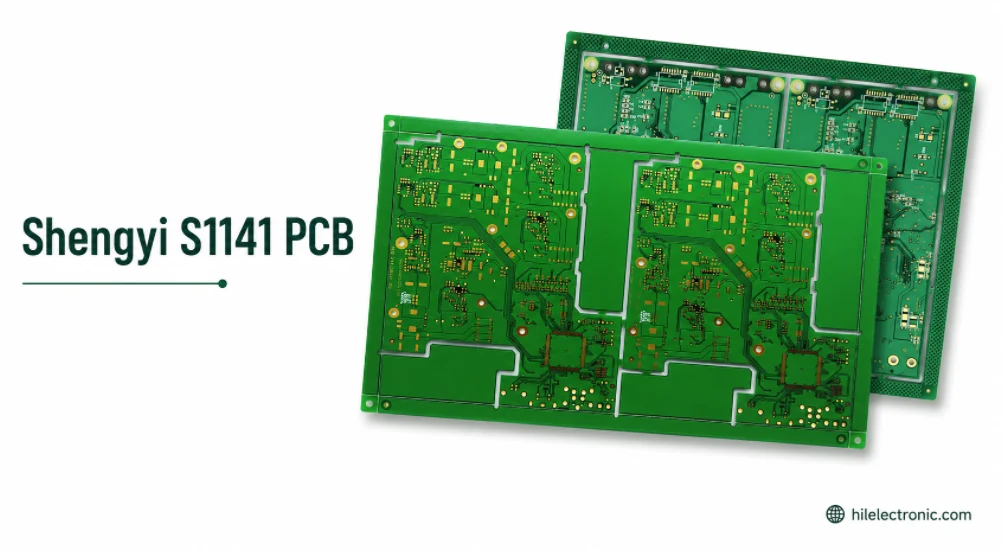
Rialacha Dearaidh agus Déantúsaíochta do Bhord Iontaofa S1141
Coinnigh struchtúr an phoill i gcomhréir leis an rang ábhair
Méadaíonn poill bheaga críochnaithe i mbord tiubha deacracht druileála, dí-sméara agus plátála. I gcás S1141, tá cóimheas gné coimeádach agus fáinne fáinneach leordhóthanach níos luachmhaire ná geoiméadracht ard-dlúis a fhorchur ar ábhar príomhshrutha. Déanann Highleap athbhreithniú ar spásáil druileála go copar, riosca briseadh amach, baint sméara roisín agus riachtanais chopair chríochnaithe sula scaoiltear an uirlisí.
Cothromaíocht a dhéanamh ar an éileamh ar chopar agus roisín
Is féidir le dáileadh míchothrom copair easpa roisín áitiúil, éagsúlacht tiús agus bogha nó casadh a chruthú. Ba chóir sraitheanna plánacha a chothromú trasna an líne lárnaigh nuair is féidir, agus níor chóir limistéir dlútha copair a phéireáil le fuinneoga móra oscailte gan chúiteamh. Nuair a bhíonn an dearadh ag druidim le 2 unsa nó nuair a chuimsíonn sé oileáin mhóra copair, is fearr tús a chur leis an treoir dearaidh copair throm ná díreach grád an ábhair a mhéadú.
Sainmhínigh impedance rialaithe ach amháin nuair a chuireann sé luach leis
Is féidir S1141 a úsáid le haghaidh go leor dearaí bac rialaithe, ach ní mór don mhonaróir PCB an Dk atá sainiúil don tógáil, an tiús tréleictreach brúite agus geoiméadracht chopair a réiteach. Ná cóipeáil catalóg Dk isteach sa réiteoir allamuigh agus glac leis go mbeidh an cúpón comhoiriúnach. Luaigh an bac sprioc, an chaoinfhulaingt, na sraitheanna tagartha agus an riachtanas cúpóin sa líníocht monaraíochta; ansin is féidir le Highleap cruachadh táirgeachta a thógáil agus tomhas cúpóin a sholáthar nuair a luaitear é.
Sampla: comparáid costais idir S1141 agus rogha eile ard-Tg
B’fhéidir nach mbeadh mórán tairbhe le baint as ábhar ard-Tg i gcás bord rialaithe ceithre shraith le 1 unsa copair, poill chríochnaithe flaithiúla 0.40 mm agus seicheamh athshreafa amháin saor ó luaidhe. Is féidir gurb é S1141 an rogha is réasúnta má cheadaíonn an timpeallacht agus sonraíocht an chustaiméara é. I gcodarsnacht leis sin, d’fhéadfadh bord ocht shraith 2.0 mm le poill 0.25 mm agus dhá athshreabhadh móide sádráil roghnach a bheith ina údar maith leis an uasghrádú le Tg níos airde cé go bhfuil an dá dhearadh faoi bhun 12 shraith.
Conas a chuireann Highleap uasghrádú ábhartha i láthair
Mura bhfuil S1141 oiriúnach, ba chóir go míneofaí sa luachan an spreagadh: líon na sraitheanna, copar trom, HDI, frith-CAF, timthriallta teirmeacha nó trí chóimheas gné. Fágann sé seo go bhfuil an t-uasghrádú inchosanta ó thaobh tráchtála de. Is léir don fhoireann soláthair go bhfuil an moladh ceangailte leis an dearadh seachas rogha d’ábhar níos costasaí.
Rialuithe ó fhréamhshamhail go dtí táirgeadh
I gcás táirge atá íogair ó thaobh costais de, ba cheart foinse ábhair agus coibhéisí ceadaithe a shocrú roimh tháirgeadh toirte. Uaireanta bíonn grád FR-4 difriúil mar thoradh ar infhaighteacht fréamhshamhlacha. Má tharlaíonn sé sin, ba cheart an t-ábhar táirgthe a athbhreithniú maidir le cruachadh, iompar druileála agus comhghaol tionóil seachas a choibhéis a bheith glactha leis.
Cad ba chóir don cheannaitheoir a fháil leis an luachan
Is féidir le Highleap an cinneadh maidir le hoiriúnacht ábhair, an cruachadh réamhchéime, mórcheisteanna DFM, rialuithe cáilíochta san áireamh, tuarascálacha roghnacha agus faisnéis atá ar iarraidh a thabhairt ar ais. Cruthaíonn sé seo cosán comhshó soiléir: is féidir leis an gceannaitheoir S1141 a cheadú, uasghrádú a ghlacadh nó an dearadh a athbhreithniú sula ngeallann sé/sí uirlisí a chur ar fáil.
Costas, Roghanna Eile agus Faisnéis faoi RFQ
Baintear an praghas aonaid is ísle amach nuair a bhíonn na coinníollacha ábhair, dearaidh agus ordaithe ailínithe. Bíonn luachan S1141 neamhiontaofa nuair a fhágtar dáileadh copair, an poll is lú, srianta painéil, bealach sádrála nó doiciméadacht cáilíochta ar lár san RFQ. Bíonn tionchar níos mó ag na míreanna sin ar tháirgeacht agus ar am próiseála ná ainm an lannáin ina aonar.
Cathain is ceart uasghrádú a dhéanamh
- Bain úsáid as ábhar ard-Tg, íseal-CTE le haghaidh líon ard sraitheanna, boird thiubha, poill ardchóimheasa nó timthriallta teirmeacha arís agus arís eile.
- Bain úsáid as grád foilsithe atá frithsheasmhach in aghaidh CAF le haghaidh spásáil dlúth i dtimpeallachtaí taise, claonta nó nuair a éilíonn sonraíocht an chustaiméara fianaise CAF go sainráite.
- Bain úsáid as córas atá cáilithe le haghaidh HDI le haghaidh vias léasair nó lannú seicheamhach.
- Bain úsáid as tógáil atá cáilithe le haghaidh copair throm nuair a sháraíonn copar 2 unsa nó nuair a bhíonn éileamh suntasach ar roisín líonta.
Ní chuirfidh Highleap ábhar in ionad ábhair eile ar an gcúis amháin go dtugtar FR-4 ar an dá ghrád araon. Ba cheart d’athbhreithniú coibhéiseach Tg a chur i gcomparáid de réir modh tástála, leathnú ais-Z, T288, córas roisín, comhoiriúnacht copair, deimhnithe, foinse monarchan ceadaithe agus riachtanais úsáide deiridh an chustaiméara.
Faisnéis íosta le haghaidh luachan úsáideach
- Toisí agus cainníocht an bhoird
- Líon na sraitheanna agus an tiús críochnaithe
- Meáchan copair de réir ciseal
- An poll críochnaithe is lú
- Críochnú dromchla agus masc sádrála
- Spriocanna bacainní, más ann dóibh
- PCB lom nó raon feidhme PCBA iomlán
- Riachtanais iniúchta, micrea-ghearradh nó deimhnithe
Níl aon sceitseáil ag teastáil le haghaidh athbhreithniú tráchtála tosaigh. Tá sonraí Gerber, ODB++ nó IPC-2581 ag teastáil roimh an DFM deiridh agus an scaoileadh táirgeachta.
Rialuithe Déantúsaíochta agus Scaoilte Highleap
I gcás tógála S1141 ceadaithe, déanann Highleap an glao ábhair a thiontú ina thaistealaí rialaithe a chlúdaíonn céannacht lannaithe, cruachadh, clárú ciseal istigh, lannú, druileáil, dí-sméarú, copar gan leictrim, plátáil patrún, tiús deiridh agus tástáil leictreach . Déantar an plean scaoilte a mheaitseáil leis an rang táirge seachas pacáiste ard-iontaofachta costasach a chur i bhfeidhm ar gach ordú.
| Pointe rialaithe | Cad a chosnaíonn sé | Fianaise tipiciúil nuair a shonraítear í |
|---|---|---|
| Céannacht ábhair isteach | Coscann sé ionadú lannaithe nó réamhphlandaithe neamhdhoiciméadaithe | Taifead baisce, doiciméadacht an tsoláthraí nó cóip den deimhniú |
| Cruacháil agus tiús brúite | Cosnaíonn sé tiús críochnaithe, impedance agus geoiméadracht druileála | Sonraí tiús cruachta agus tiús atá á scaoileadh |
| Druileáil/dí-sméarú/plátáil | Cosnaíonn sé leanúnachas poll plátáilte tríd | Micriseictreonach, taifead tiús copair nó athbhreithniú cúpóin |
| Tástáil leictreach deiridh | Braitheann oscailtí agus gearrchiorcaid | Taifead tástála nó stádas pas de réir crannchuir |
| Rialuithe PCBA, más ann dóibh | Cuireann sé teorainn le damáiste teirmeach agus láimhseála inseachanta | Próifíl athshreafa, AOI, taifid an chéad alt agus tástála feidhmiúla mar a luadh |
I gcás aththáirgeachta, ba cheart an fhoinse ábhair cheadaithe, an t-athbhreithniú cruachta agus an leibhéal cigireachta a ghlasáil ar an ordú ceannaigh. Cuireann sé seo cosc ar bhord ar chostas íseal a bheith ina fhadhb fabhtcheartaithe ardchostais tar éis athrú neamhdhoiciméadaithe.
Ceisteanna Ceannaitheora Maidir le Shengyi S1141
An féidir S1141 a úsáid le haghaidh bord 10-chiseal?
B’fhéidir, toisc go dtosaíonn eisiamh sainráite Shengyi ag 12 shraith agus os a chionn. Éilíonn tógáil 10 shraith athbhreithniú ar thiús, poill, copar agus timthriallta tionóil fós; ní cheadaíonn comhaireamh na sraitheanna leis féin an tógáil.
An bhfuil S1141 oiriúnach le haghaidh tionóil saor ó luaidhe?
Is féidir é a úsáid i dtógálacha saor ó luaidhe atá rialaithe i gceart, ach tá a corrlach teirmeach níos cúinge ná FR-4 ard-Tg. Ní mór líon na nochtuithe athshreafa, tonn-shádrála agus athoibre a bheith ar eolas sula scaoiltear é.
An laghdaíonn rogha S1141 costas go huathoibríoch?
Nuair a oireann an dearadh don ábhar amháin. Is féidir le síneadh S1141 i dtógáil ardriosca riosca dramhaíola, athoibrithe agus riosca allamuigh a mhéadú. Ba cheart costas ábhair a mheas mar aon le riachtanais toraidh agus cáilíochta.
An féidir le Highleap luachana a thabhairt ó fhaisnéis neamhiomlán?
Sea. Is leor toisí, sraitheanna, tiús, copar, méid an phoill, cainníocht agus raon feidhme na seirbhíse le haghaidh raon tosaigh. Leanann an praghsáil deiridh na sonraí monaraíochta comhlánaithe agus athbhreithniú DFM.
Tagairt ábhair phríomhúil: sonraí táirge Shengyi S1141. Is luachanna tagartha tipiciúla iad figiúirí an mhonaróra; bain úsáid as an mbileog sonraí reatha agus as an tógáil cheadaithe le haghaidh sonraíochtaí táirgthe.
Is féidir le Highleap PCB lom S1141, foinsiú comhpháirteanna agus PCBA a lua mar thionscadal aonair tar éis a dheimhniú go bhfuil an tógáil oiriúnach.

Poist is molta
Déantúsaíocht PCB Scagaire TMM6
Clár ÁbhairCén Fáth a nÚsáideann Dearthóirí Scagairí Micreathonnta...
Déantúsaíocht PCB Scagaire TMM4
Tá monarú PCB scagaire TMM4 á rialú ag an...
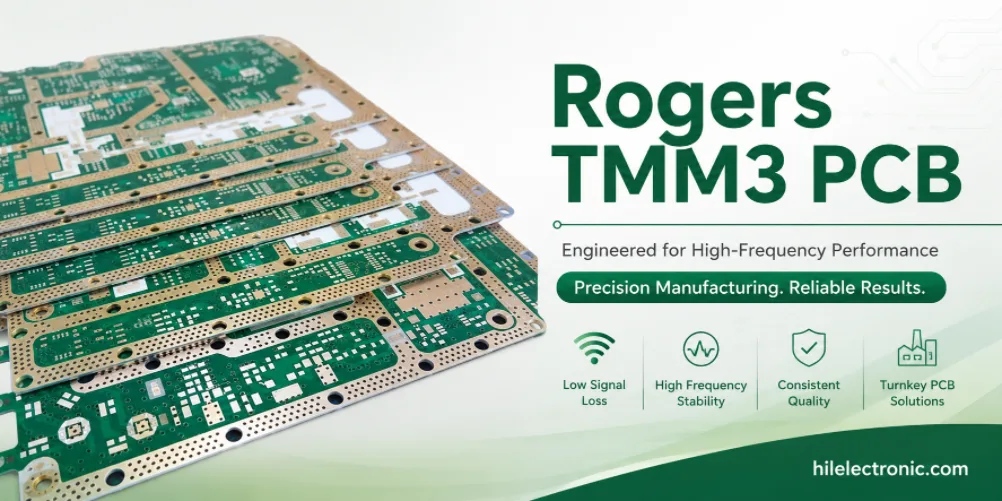
Déantúsaíocht PCB TMM3 do Mhodúil RF
Is úsáideach an rud is mó a dhéantar le monarú PCB TMM3 nuair a bhíonn an modúl RF...
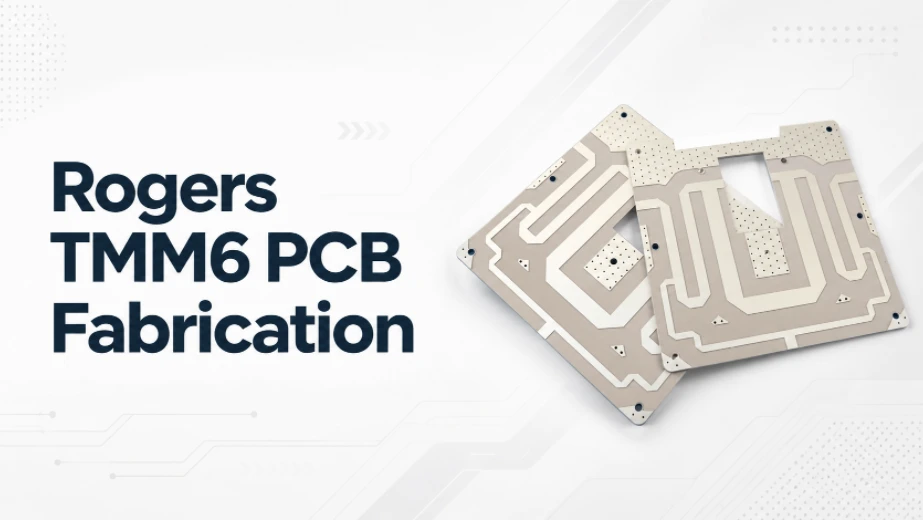
Déantúsaíocht PCB TMM6
Is é monarú TMM6 an leathanach rialaithe próisis do lár-Dk...
Conas luachan a fháil le haghaidh PCBanna
Déanaimis anailís DFM/DFA a dhéanamh duit agus rachaimid ar ais chugat le tuarascáil. Is féidir leat do chuid comhad a uaslódáil go slán tríd ár suíomh Gréasáin. Teastaíonn an fhaisnéis seo a leanas uainn chun luachan a thabhairt duit:
-
- Gerber, ODB++, nó .pcb, sonraíocht.
- Liosta BOM má tá cóimeáil uait
- Cé mhéad
- Cas am
I gcás seirbhísí PCBA, cuir do Bhille Ábhar (BOM) agus aon treoracha tionóil sonracha ar fáil. Cuirimid anailís DFM/DFA ar fáil freisin chun do dhearaí a bharrfheabhsú le haghaidh inmhonaraitheachta agus tionóil, rud a chinntíonn próiseas táirgthe réidh.