
Ó Fhréamhshamhail Fhisiciúil-Intleachta Saorga go Táirgeadh: Treoir Déantúsaíochta PCB & PCBA do Fhoirne Róbataic
Is féidir le róbat siúl, féachaint ar rudaí, nascleanúint a dhéanamh orthu nó rudaí a ionramháil i saotharlann agus fós a bheith i bhfad ó bheith réidh le haghaidh táirgthe. Is é an t-aistriú deacair ná fréamhshamhail leictreonaice oibre a thiontú ina thionóil PCB ar féidir iad a fhoinsiú, a mhonarú, a iniúchadh agus a thástáil le torthaí comhsheasmhacha.
Díríonn an t-alt seo ar indéantacht agus ullmhacht táirgthe seachas ar chrua-earraí dílseánaigh róbait ar leith.
Ní hé an fhadhb a thuilleadh “An féidir leis an róbat oibriú?” — is í an fhadhb atá ann ná “An féidir linn é a thógáil arís?”
Tá hintleacht shaorga fhisiciúil ag brú níos mó faisnéise isteach i meaisíní fíor: róbónna seirbhíse, daonnóidigh, AMRanna, airm róbatacha, córais chigireachta, gníomhaitheoirí cliste agus ardáin bheaga taighde. Nuair a bhíonn na bogearraí agus na córais mheicniúla feidhmiúil, bíonn déantúsaíocht leictreonaice ar cheann de na srianta is mó ar in-athdhéantacht.
De ghnáth bíonn fréamhshamhail saotharlainne optamaithe le haghaidh foghlama tapa. Bíonn crua-earraí táirgthe optamaithe le haghaidh rud éigin difriúil: monarú in-athdhéanta, cóimeáil rialaithe, soláthar comhpháirteanna cobhsaí, in-iniúchadh, in-tástáil agus tacaíocht saoilré.
Is é an difríocht sin an fáth gur féidir le fréamhshamhail tástáil bhinse a rith agus toradh neamhréireach a thaispeáint i dtógáil níos déanaí, nó cén fáth gur féidir moill a chur ar thógáil píolótach de bharr IC amháin nach bhfuil ar fáil, pacáiste amháin atá deacair a iniúchadh nó riachtanas tástála amháin neamhshainithe.
Gaolmhar: an treocht fhisiciúil-AI
Breathnaíonn ár n-alt Microduck, a foilsíodh le déanaí , ar an scéal ó bhogearraí go crua-earraí atá taobh thiar d’ardán róbataice reatha.
Bogann an treoir seo céim amháin níos gaire do chinneadh ceannaigh: conas ba chóir d'fhoireann róbataice a bpacáiste PCB/PCBA a ullmhú le haghaidh tógála fréamhshamhlacha, NPI agus táirgeadh.
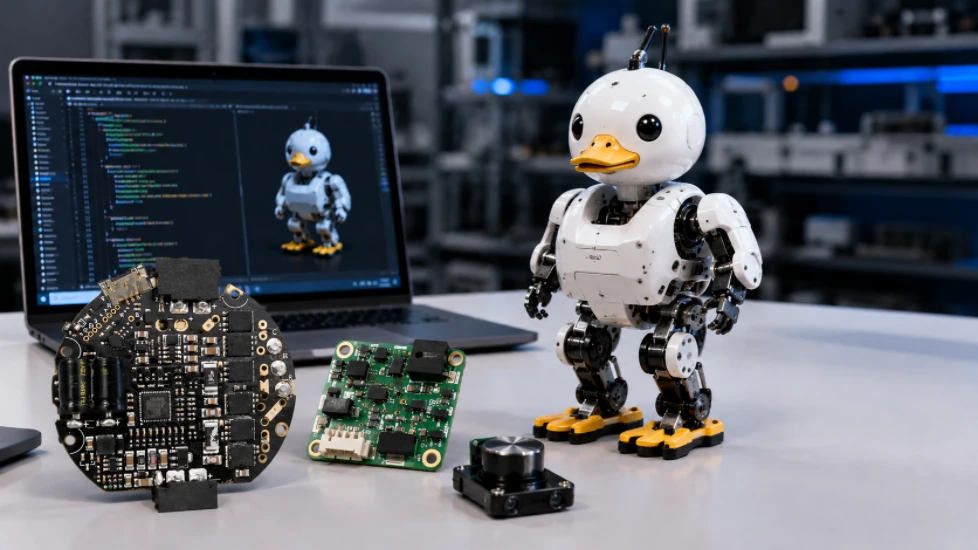
Réitíonn fréamhshamhlacha, NPI, tógálacha píolótacha agus tógálacha toirte fadhbanna éagsúla
Botún coitianta amháin is ea gach tógáil a chóireáil mar “an PCB céanna, ach cainníocht dhifriúil.” Go praiticiúil, athraíonn an cuspóir innealtóireachta de réir mar a aibíonn an tionscadal.
Cinneann an pacáiste déantúsaíochta cé chomh cruinn is féidir athbhreithniú a dhéanamh ar do thionscadal
Ní bhíonn luachan chomh hiontaofa leis na sonraí monaraíochta atá taobh thiar de. Cruthaíonn comhaid atá ar iarraidh nó comhaid a bhíonn ag teacht salach ar a chéile toimhdí, agus cruthaíonn na toimhdí sin riosca a luaithe a cheannaítear páirteanna nó a thosaíonn an táirgeadh.
An bhfuil na comhaid agat ach níl tú cinnte an bhfuil an pacáiste iomlán?
Seol na comhaid Gerber nó ODB++ atá ar fáil, an BOM agus sonraí tionóil ar dtús. Is féidir le Highleap athbhreithniú a dhéanamh ar an bpacáiste déantúsaíochta agus faisnéis a bhfuil soiléiriú ag teastáil uaithi a aithint sula scaoiltear an tógáil.
Ba chóir athbhreithniú ar mhonaraíocht a dhéanamh roimh thógáil chostasach
Ní ionad fíorú dearaidh leictrigh é DFM. Is é an cuspóir atá leis gnéithe a aithint a d'fhéadfadh a bheith bailí ó thaobh leictreachais de ach atá deacair, costasach nó éagobhsaí a mhonarú.
I gcás crua-earraí róbataice, is minic a thrasnaíonn an t-athbhreithniú roinnt disciplíní toisc go bhféadfadh loighic mhínpháirce, cumhacht ard-reatha, nascóirí, braiteoirí agus comhpháirteanna atá faoi strus meicniúil a bheith comhcheangailte ar an mbord céanna.
DFM Déantúsaíochta
Rian/spás, fáinne fáinneach, druileáil-go-copar, struchtúr trína, cothromaíocht copair, tiús an bhoird, cruachadh agus indéantacht impedance.
Tionól DFA
Lorg coise, polaraíocht, spásáil comhpháirteanna, oscailtí greamaigh, mais theirmeach, imréiteach imeall boird, painéalú agus rochtain athoibrithe.
Dearadh le haghaidh Tástála
Pointí tástála, rochtain ar chlársceidealú, rochtain ar dhaingneáin, nascóirí dífhabhtaithe agus critéir intomhaiste pas/teip.
Athbhreithniú meicniúil
Fórsaí nascóirí, comhpháirteanna troma, poill gléasta, treo cábla, brú, imréiteach imfhálú agus páirteanna íogaire ó thaobh creathadh de.

I gcás ina n-oireann caighdeáin IPC
Déanann IPC cur síos ar DFM mar ghníomhaíocht thábhachtach forbartha táirgí, agus áirítear ar a chaighdeáin dearaidh IPC-2221 le haghaidh dearadh cineálach clár priontáilte. Ó Lúnasa 2026, liostaítear IPC-2221C mar an t-athbhreithniú dearaidh cineálach reatha san fhaisnéis athbhreithnithe foilsithe ag IPC. Caithfidh na ceanglais iarbhír monaraíochta agus tionóil do thionscadal líníocht an chustaiméara, sonraíocht soláthair agus ceanglais táirge is infheidhme a leanúint fós.
Roghnaigh teicneolaíocht PCB mar go bhfuil gá leis ag an róbat — ní mar go bhfuil cuma ardfhorbartha air
Is féidir le leictreonaic róbataice ábhair ilchisealacha caighdeánacha FR-4, HDI, copar trom, solúbtha, righin-sholúbtha nó ábhair speisialtachta a úsáid ag brath ar na riachtanais leictreacha agus meicniúla iarbhír. Níor cheart aon cheann de na teicneolaíochtaí seo a áireamh mar réamhshocrú do gach róbat.
Cruacháil sraitheanna agus cosáin fillte
D’fhéadfadh go mbeadh impedance rialaithe agus plánaí tagartha disciplínithe ag teastáil le haghaidh ríomhaireacht ardluais, naisc ceamara, comhéadain chuimhne agus cumarsáid. Ba cheart comhaontú a dhéanamh ar an gcruachadh sula ndéantar an ródaíocht a chríochnú nuair a bhíonn impedance ríthábhachtach ó thaobh feidhmíochta de.
Riachtanais reatha agus theirmeacha
D’fhéadfadh go mbeadh gá le gnéithe copair níos leithne, copar níos troime, tríphoill theirmeacha nó bearta teirmeacha eile i gcás boird rialaithe mótair nó dáilte cumhachta. Ba cheart meáchan copair agus an t-ardú teochta incheadaithe a roghnú bunaithe ar an sruth iarbhír agus ar an timpeallacht theirmeach.
HDI ach amháin nuair a thugann dlús údar leis
Is féidir le micrea-vias, vias dalla/adhlactha agus via-in-pad cabhrú le dearaí próiseálaithe dlútha nó BGA, ach cuireann siad castacht agus costas monaraíochta leis. Bain úsáid astu nuair a bhíonn gá leo i gcás ródaireacht éalaithe, fachtóir foirme nó srianta comhartha.
Solúbtha agus righin-solúbtha le haghaidh idirnaisc ghluaiseacha
Is minic a bhíonn hailt ghluaiseachta agus cosáin chábla srianta ag róbónna. Féadfaidh solúbthacht nó solúbthacht dhocht líon na nascóirí nó toirt an phacáistithe a laghdú, ach ní mór ga lúbadh, saolré solúbtha dinimiciúil agus tógáil an chairn a shainiú don fheidhmchlár.
Soláthraíonn Highleap monarú PCB mar aon le tionól, rud a fhéadann bearnaí comhordaithe a laghdú idir cinntí monaraíochta lomchlár agus tionól comhpháirteanna iartheachtach. Féach cumais monaraíochta PCB nó an leathanach tiomnaithe monaraíochta PCB róbat.
Sreabhadh praiticiúil PCBA le haghaidh crua-earraí róbataice
Braitheann an bealach cruinn ar dhearadh an bhoird agus ar mheascán na gcomhpháirteanna, ach de ghnáth áirítear fíorú ábhair, priontáil greamaigh-sádrála, socrú comhpháirteanna, sádráil, cigireacht agus tástáil shonrach don tionscadal i dtógáil PCBA rialaithe.
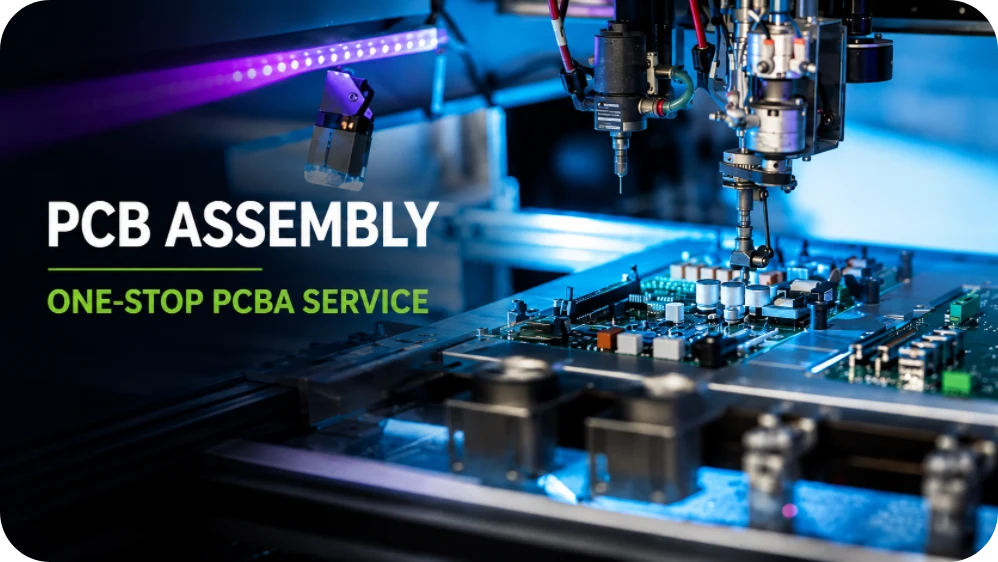
Loighic mhínpháirce agus hailt fholaithe
D’fhéadfadh go mbeadh rialuithe próisis agus modhanna cigireachta oiriúnacha do chomhpháirteanna sádrála i bhfolach ag teastáil i gcás BGAnna, QFNanna agus modúil phróiseálaithe dlútha. Bíonn cigireacht X-gha úsáideach nuair nach féidir lochtanna féideartha a mheas go amhairc, ach ba cheart go mbeadh an plean cigireachta ag teacht leis an gcineál pacáiste agus leis an riosca.
Nascóirí móra agus mais theirmeach mheasctha
Is minic a chomhcheanglaíonn boird róbataice páirteanna beaga loighce le nascóirí, ionduchtóirí agus gléasanna cumhachta. B’fhéidir go mbeadh gá an mais theirmeach mheasctha a chur san áireamh i ndearadh greamaigh, próifíl theirmeach, sádráil roghnach nó oibríochtaí láimhe/daingneáin.
Is féidir leis an mBOM tionscadal róbait a stopadh sula ndéanann an líne tionóil é.
Ní réitíonn fiú leagan amach PCB atá fónta ó thaobh na teicneolaíochta de infhaighteacht comhpháirteanna. I gcás NPI agus táirgthe, ba cheart an BOM a athbhreithniú mar dhoiciméad déantúsaíochta, ní hamháin mar easpórtáil ó bhogearraí sceitseacha.
Úsáid uimhreacha páirteanna an mhonaróra
Ní leor tuairiscí cineálacha ar nós “toilleoir 10 µF” le haghaidh ceannaigh rialaithe. Ba cheart don Bhord Táirge an monaróir ceadaithe agus uimhir pháirte chruinn a aithint i gcás ina bhfuil feidhmíocht nó oiriúnacht tábhachtach.
Sainmhínigh roghanna malartacha d'aon ghnó
Níor cheart ionadach a cheadú díreach toisc go n-oireann an pacáiste. Is féidir le voltas, caoinfhulaingt, raon teochta, ESR, uainiú, comhoiriúnacht firmware agus ceanglais cháilíochta a bheith tábhachtach.
Bainistigh an saolré roimh an rampa
Seiceáil le haghaidh neamhfheidhmeachta, stádas deireadh saoil, amanna luaidhe fada agus rioscaí leithdháilte sula mbogtar ó thógáil phíolótach go táirgeadh. D’fhéadfadh go mbeadh athcháiliú nó athruithe ar fhirmchlár ag teastáil le haghaidh athrú déanach ar an mBOM.
Más cuid den luachan an soláthar, seol an BOM go luath
Áirítear le seirbhís tionóil PCB Highleap foinsiú comhpháirteanna. Trí uimhreacha páirteanna an mhonaróra, roghanna malartacha ceadaithe agus cainníochtaí réamhaisnéise a sholáthar, is féidir rioscaí foinsithe a athbhreithniú sula ndéantar gealltanas do sceideal táirgthe.
Ná húsáid “tástáilte” mar riachtanas doiléir
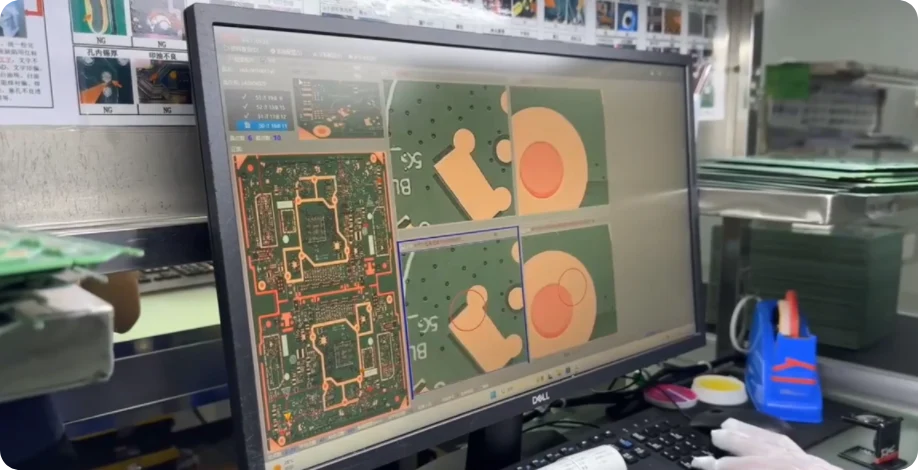
Réitíonn cigireacht agus tástáil fadhbanna éagsúla. Is féidir le hathbhreithniú ar chomhéadan (AOI) coinníollacha cóimeála infheicthe a aithint; is féidir le X-gha cabhrú le hailt fholaithe a mheas; is féidir le tástáil leictreach líonta roghnaithe nó coinníollacha leictreacha a sheiceáil; is féidir le tástáil fheidhmiúil iompar a fhíorú faoi choinníollacha sainithe. Ní fhíoraíonn aon mhodh amháin gach gné de PCBA róbait chasta.
| Modh | Úsáideach do | Teorannú tábhachtach |
|---|---|---|
| SPI | Monatóireacht a dhéanamh ar thaisceadh greamaigh sádair sula gcuirtear comhpháirteanna i bhfeidhm. | Ní chruthaíonn sé an comhpháirteach sádrála deiridh ná an fheidhmíocht fheidhmiúil. |
| AOI | Ag seiceáil socrúcháin infheicthe, polaraíocht agus coinníollacha a bhaineann le sádráil. | Ní féidir hailt fholaithe faoi phacáistí a mheas go hiomlán ó thaobh amhairc de. |
| X-gha | Ag iniúchadh struchtúir sádrála i bhfolach amhail go leor coinníollacha BGA/QFN. | Ní mór critéir léirmhínithe agus glactha a shainiú fós. |
| TFC / braiteoir eitilte | Seiceáil líonraí, comhpháirteanna nó coinníollacha leictreacha roghnaithe i gcás ina dtacaíonn forbairt rochtana agus tástála leis. | Braitheann an clúdach ar dhearadh le haghaidh tástála, rochtain ar dhaingneáin/tóireadóir agus ar an gclár tástála. |
| Tástáil fheidhmiúil | Ag fíorú iompar an bhoird ag baint úsáide as ionchuir, aschuir, firmware agus teorainneacha pas/teip atá sainithe ag an tionscadal. | Ní hionann “tástáil chumhachta ar siúl” doiléir agus nós imeachta tástála feidhmiúil doiciméadaithe. |
Caighdeáin reatha tionóil: sonraigh an caighdeán, an t-athbhreithniú agus an rang
D’fhoilsigh IPC athbhreithnithe J ar J-STD-001 agus IPC-A-610 in 2024. Pléann J-STD-001 riachtanais agus rialuithe próisis maidir le cóimeáil leictreach/leictreonach sádráilte; soláthraíonn IPC-A-610 critéir ghlactha iar-chóimeála. Ó mhí Lúnasa 2026, liostaíonn faisnéis athbhreithnithe IPC J-STD-001J agus IPC-A-610J.
Ná glac leis go n-éilíonn gach táirge róbataice an rang IPC céanna go huathoibríoch. Ba cheart don tionscadal an caighdeán, an t-athbhreithniú, an rang, ceanglais líníochta custaiméirí agus aon cheanglais earnáil-shonracha is infheidhme a shainiú roimh an táirgeadh.
Ba cheart go mbainfí castacht neamhriachtanach as laghdú costais, ní as an nglanbhrabús déantúsaíochta
Ní hé an luachan is saoire an costas táirgthe is ísle i gcónaí. Is féidir le cláir róbataice níos mó a chailleadh trí athdhearadh arís agus arís eile, trí bhreis dramhaíola, trí stopadh líne nó trí ghanntanas comhpháirteanna ná mar a shábhálann siad trí laghdú beag ar phraghas aonaid.
Laghdaigh castacht neamhriachtanach PCB
Ná húsáid HDI, lannú seicheamhach, ábhair speisialtachta, lamháltais an-daingean ná copar trom mura bhfuil údar maith leis mar gheall ar an riachtanas leictreach, teirmeach nó meicniúil.
Dearadh le haghaidh corrlach tionóil
D’fhéadfadh lorg coise nach n-oibríonn ach ag teorainn an phróisis íogaireacht toraidh a chruthú. Is féidir le spásáil chobhsaí, patrúin talún cuí agus painéalú réasúnta a bheith níos luachmhaire ná an milliméadar deireanach a fháscadh ón mbord.
Déan rochtain tástála d'aon ghnó
Is gnách go mbíonn sé níos éasca pointí tástála inrochtana a chur leis le linn leagan amach ná réitigh sheachbhóthair a chruthú tar éis don táirge dul isteach i NPI.
Reoigh athbhreithnithe sula gceannaítear toirt
Ba cheart go mbeadh tagairt do athbhreithnithe rialaithe agus comhpháirteanna á gceannach agus PCB á ndéanamh. Is féidir le hathruithe innealtóireachta déanacha comhpháirteanna, boird lom, stensilí nó daingneáin tástála a shnáithiú.
I gcás róbataic, caithfidh an soláthraí na comhéadain idir próisis a bhainistiú.
Is minic a chlúdaíonn leictreonaic róbat monarú PCB lom, foinsiú comhpháirteanna, SMT, tionól trí phoill, cláreoireacht, tástáil, sciath agus comhtháthú leictrimheicniúil deiridh. Is féidir go n-oibreodh sé gach céim a roinnt idir soláthraithe neamhghaolmhara, ach méadaíonn sé líon na gcomhéadan a chaithfidh an fhoireann innealtóireachta a bhainistiú.
Ceisteanna is fiú a chur sula gcuirtear ordú isteach
- Cé a dhéanann athbhreithniú ar cheisteanna DFM agus tionóil roimh an scaoileadh?
- Conas a chuirtear ganntanais agus ionadaíochtaí BOM in iúl?
- Cé na modhanna cigireachta atá oiriúnach don mheascán pacáiste comhpháirteanna?
- Conas a dhoiciméadófar agus a réiteofar saincheisteanna leis an gcéad alt nó leis an ábhar píolótach?
- An féidir leis an soláthraí tacú le cláreoireacht agus tástáil fheidhmiúil nuair a chuirtear nósanna imeachta ar fáil?
- Conas a rialaítear athbhreithnithe ar PCB, BOM, firmware agus tionóil?
- An féidir leis an gcomhpháirtí céanna tacú le fréamhshamhail, píolótach agus táirgeadh ina dhiaidh sin?
Raon feidhme seirbhíse ábhartha Highleap
I measc na seirbhísí cóimeála PCB atá foilsithe ag Highleap tá comhordú déantúsaíochta PCB, foinsiú comhpháirteanna, SMT, cóimeáil trí-phoill, tástáil PCBA, ríomhchlárú IC, sciath chomhréireach, potaithe agus roghanna cóimeála táirgí críochnaithe.
I gcás foirne róbataice, cruthaíonn sé sin cosán ó PCB lom agus PCBA trí chéimeanna comhtháthaithe breise nuair a bhíonn siad ag teastáil ón tionscadal.
Cad atá le seoladh chuig Highleap le haghaidh luachan róbataice PCB / PCBA
Má tá do dhearadh ag céim an luachana cheana féin, laghdaíonn sé timthriallta soiléirithe má sheoltar pacáiste iomlán agus cuidíonn sé leis an bhfoireann déantúsaíochta an tógáil iarbhír a thuiscint seachas toimhdí a dhéanamh ó chomhaid Gerber amháin.
Tóg an chéad róbat eile mar tháirge in-athdhéanta, ní hamháin mar fhréamhshamhail rathúil.
Cuireann Highleap Electronics tacaíocht ar fáil maidir le monarú PCB, foinsiú comhpháirteanna agus tionól PCB do thionscadail róbataic, rialaithe leabaithe agus leictreonaice eile ó thógáil fréamhshamhlacha go dtí táirgeadh. Seol do phacáiste déantúsaíochta reatha le haghaidh athbhreithnithe agus luachana.
Ba cheart ceanglais déantúsaíochta, raon feidhme tástála agus caighdeáin tionscail is infheidhme a shainiú i gcónaí don táirge sonrach agus do riachtanais an chustaiméara.
Ceisteanna a chuireann foirne róbataic roimh thionól PCB
Cad iad na comhaid ba chóir dom a sheoladh le haghaidh luachan tionóil PCB róbat?
Chun athbhreithniú cruinn a dhéanamh ar PCBA, seol sonraí déantúsaíochta PCB, an BOM le huimhreacha páirteanna an mhonaróra, sonraí pioc-agus-cuir, líníochtaí tionóil agus na cainníochtaí riachtanacha. Más gá cláir, tástáil fheidhmiúil, sciath nó próisis thánaisteacha eile, cuir na ceanglais sin san áireamh a luaithe is féidir.
Oibríonn mo fhréamhshamhail. An féidir liom dul díreach chuig táirgeadh toirte?
Cruthaíonn fréamhshamhail oibre toimhdí tábhachtacha leictreacha agus bogearraí, ach ní chruthaíonn sé go huathoibríoch in-athdhéantacht déantúsaíochta. Tá NPI nó tógáil phíolótach úsáideach chun saincheisteanna DFM, foinsiú, tionóil, doiciméadú, cigireachta agus tástála a aimsiú sula ndéantar gealltanas do cheannacháin ábhar níos mó.
An bhfuil gá le HDI nó copar trom do gach PCB róbataice?
Ní hea. Ba cheart ábhair HDI, copar trom, ábhair solúbtha, ábhair dhocht-sholúbtha agus ábhair speisialtachta a roghnú bunaithe ar na riachtanais iarbhír maidir le dlús ródaithe, acmhainn reatha, feidhmíocht theirmeach, méid, sláine comhartha agus srianta meicniúla. Is féidir le teicneolaíocht PCB chun cinn a úsáid gan riachtanas dearaidh costas agus castacht phróisis neamhriachtanach a chur leis.
An leor AOI chun PCBA róbataice a thástáil?
Ní hea. Is modh cigireachta é AOI le haghaidh coinníollacha cóimeála infheicthe. Ag brath ar an dearadh agus ar phróifíl riosca, féadfaidh an plean déantúsaíochta X-gha, tástáil leictreach, clársceidealú agus tástáil fheidhmiúil a úsáid freisin. Braitheann an teaglaim cheart ar chineálacha pacáistí, rochtain tástála agus riachtanais táirge.
Cén rang IPC ba chóir a úsáid i dtionól PCB róbait?
Níl aon aicme IPC amháin ann a bhaineann go huathoibríoch le gach róbat. Ba cheart don chustaiméir, do riachtanais feidhmíochta an táirge, don riosca, do riachtanais chonarthacha agus d’aon rialacha earnáil-shonracha an aicme agus na caighdeáin is infheidhme a shainiú.
Conas luachan a fháil le haghaidh PCBanna
Déanaimis anailís DFM/DFA a dhéanamh duit agus rachaimid ar ais chugat le tuarascáil. Is féidir leat do chuid comhad a uaslódáil go slán tríd ár suíomh Gréasáin. Teastaíonn an fhaisnéis seo a leanas uainn chun luachan a thabhairt duit:
-
- Gerber, ODB++, nó .pcb, sonraíocht.
- Liosta BOM má tá cóimeáil uait
- Cé mhéad
- Cas am
I gcás seirbhísí PCBA, cuir do Bhille Ábhar (BOM) agus aon treoracha tionóil sonracha ar fáil. Cuirimid anailís DFM/DFA ar fáil freisin chun do dhearaí a bharrfheabhsú le haghaidh inmhonaraitheachta agus tionóil, rud a chinntíonn próiseas táirgthe réidh.