
PCB Shengyi S1000-2M le haghaidh Iontaofachta Ilchiseal Tiubh
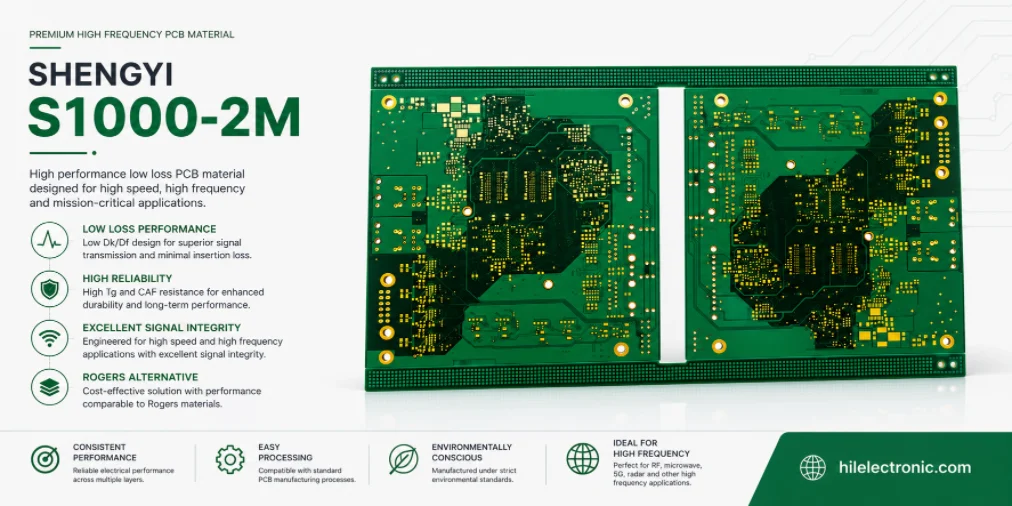
Is lannán FR-4.0 ard-Tg, íseal-CTE é Shengyi S1000-2M do bhoird ard-shraitheanna a chaithfidh maireachtáil i rith próiseáil saor ó luaidhe agus iontaofacht pholl-trí phlátáilte agus inslithe a choinneáil. Leagann Shengyi béim ar 180°C Tg de réir DSC, 185°C de réir DMA, 355°C Td, 41 ppm/°C CTE ais-z faoi bhun Tg, 208 ppm/°C os cionn Tg, 2.4% leathnú z iomlán ó 50–260°C, T260 níos mó ná 60 nóiméad, T288 de 30 nóiméad, feidhmíocht frith-CAF, ionsú íseal uisce, agus oiriúnacht do tháirgí ríomhaireachta, cumarsáide, feithicleach, agus táirgí ard-ilshraitheacha.
Níor cheart an t-ábhar a shuíomh mar lannán thar a bheith ísealchaillteanais. Liostaíonn sonraí poiblí Shengyi Dk tipiciúil 4.6 agus tadhlaí caillteanais 0.018 ag 1 GHz ar an eiseamal tagartha luaite. Is é an luach príomhúil iontaofacht theirmeach-mheicniúil in ilchiseal tiubh. Tá geoiméadracht phoill choimeádach, druileáil agus dí-sméarú rialaithe, plátáil aonfhoirmeach, cothromaíocht copair, clárú, bainistíocht taise, agus stair tionóil shainithe ag teastáil ó bhord S1000-2M iontaofa fós.
Cén fáth a méadaíonn líon ard sraitheanna gach riosca teirmeach-mheicniúil
Cuireann gach ciseal breise comhéadain, dáileadh copair, deiseanna clárúcháin, lamháltais tiús tréleictreach, agus stair lannaithe leis. Is minic a bhíonn boird ardchiseal níos mó agus níos tibhe go fisiciúil freisin, le níos mó nascóirí agus poill tríd. Ciallaíonn sé sin go gcruthaíonn an t-athrú céanna ar airíonna ábhair éifeacht absalóideach níos mó.
| Éifeacht ardchiseal | Riosca cruthaithe | Straitéis rialaithe |
|---|---|---|
| Tiús críochnaithe níos mó | Bairillí PTH níos faide agus leathnú z iomlán níos mó. | Bain úsáid as méideanna poill/cóimheasa gné coimeádacha, ábhar íseal-CTE, plátáil láidir, agus cáilíocht theirmeach. |
| Tuilleadh comhéadain ciseal istigh | Tuilleadh deiseanna le haghaidh easpa roisín, folúntais, teip cóireála, nó earráid chlárúcháin. | Anailís ar éileamh roisín, cothromaíocht copair, oideas preasa, trasghearrthacha suíomh painéil. |
| Tuilleadh éagothroime copair | Cogaíocht, éagsúlacht tiús áitiúil, brú míchothrom agus téamh. | Cruach shiméadrach, cothromú/gadal copair, dearadh painéil rialaithe. |
| Tuilleadh trí réimsí/nascóirí | Méadaíonn poill dhlútha cosáin CAF agus éileamh plátála. | Rialacha spásála/voltais, rialú druileála/dí-sméara, dáileadh plátála, cáilíocht frith-CAF. |
| Tuilleadh sraitheanna ródaithe | Tuilleadh athruithe sraithe agus struchtúir druileála cúil. | Trí phleanáil toipeolaíochta, rialú stumpa iarmharaigh, clárú agus cigireacht. |
| Níos mó mais theirmeach | Téamh agus fuarú tionóil níos faide nó míchothrom. | Próifíliú teochta an bhoird ag réigiúin chopair throma agus nascóirí. |
Laghdaíonn S1000-2M roinnt rioscaí taobh an ábhair, go háirithe leathnú agus seasmhacht theirmeach. Ní shimplíonn sé an geoiméadracht. Ba chóir scaoileadh ardchiseal a thosú leis na struchtúir is measa atá ar an mbord: an poll críochnaithe is lú, an copar áitiúil is tiubha, an druileáil chúl is doimhne, an réimse trína chéile is dlúithe, an t-aistriú dlúis copair is mó, agus an nochtadh tionóil is déine.
Cén fáth gur féidir le hiontaofacht phoill a bheith níos tábhachtaí ná caillteanas leictreach
I go leor bord teileachumarsáide, tionsclaíochta, rialaithe feithicleach, agus ríomhaireachta, bíonn na cosáin chomhartha measartha go leor nach é an Df an fachtóir teorannaithe. Is é an riosca réimse ná poll plátáilte oscailte , nascóir uaineach, sceitheadh CAF, nó dí-aimíniú tar éis timthriall teirmeach. Is féidir airgead a chaitheamh trí roisín ísealchaillteanais a roghnú agus córas poll ionsaitheach a fhágáil gan athrú gan an dóchúlacht teipe ceannasach a laghdú.
| Tosaíocht an Bhoird | Freagairt ábhair/phróisis |
|---|---|
| Go leor nascóirí trí-phoill | Cosain tuirse bairille, geoiméadracht brú-oiriúnach, fáinne fáinneach, copar balla agus strus tionóil. |
| Cúlphlána/bord rialaithe tiubh | Bain úsáid as leathnú z íseal, cóimheas gné coimeádach, cothromaíocht copair agus clárú scála painéil. |
| Athshreabhadh il-luaidhe saor | Cáiligh an stair theirmeach iomlán agus déan iniúchadh ar na poill tar éis réamhchoinníollaithe. |
| Seirbhís claonta tais | Bain úsáid as ábhar frith-CAF le rialuithe spásála, glaineachta, sciath agus claontacht taise. |
| Cainéal cúlphlána fada ardluais | B’fhéidir nach mbeidh caillteanas ag baint le S1000-2M; déan comparáid idir teaghlach ísealchaillteanais tiomnaithe tar éis anailís toipeolaíochta. |
Teastaíonn geoiméadracht an bhoird ó mhéadrachtaí iontaofachta
Ní léiríonn luach T288 ar shampla lannaithe tagartha conas a iompraíonn bord 4 mm le poll críochnaithe 0.25 mm tar éis trí athshreabhadh agus athoibriú. Is tagairt scagtha ábhair é. Caithfidh an cinneadh deiridh leathnú z iomlán, brú an phoill, plátáil, staid roisín, taise, agus an phróifíl theirmeach iarbhír a áireamh.
Bord Tiubh, Poll Beag, agus Athshreabhadh Il: An Riosca Comhcheangailte
Tá an meascán de thiús, poill bheaga, agus téamh arís agus arís eile níos tábhachtaí ná aon fhachtóir amháin. Le linn athshreabhadh, leathnaíonn an roisín tríd an ais z agus leathnaíonn an bairille copair níos lú. Iompraíonn an bairille brú timthriallach, a bhíonn dírithe go minic in aice leis an acomhal nó leis an nglúin sa chiseal istigh. Laghdaíonn trastomhais níos lú agus plátáil níos tanaí an trasghearradh tuirse atá ar fáil.
| Teaglaim riosca | Cén fáth go bhfuil sé dian | Freagairt dearaidh |
|---|---|---|
| Bord tiubh + poll beag críochnaithe | Cuireann cóimheas gné ard dúshlán roimh phlátáil agus cruthaíonn sé bairille fada teannaithe. | Méadaigh trastomhas an phoill nuair is féidir, laghdaigh an tiús go háitiúil/go córasach, fíoraigh copar agus dáileadh an bhalla. |
| Clár tiubh + go leor athshreabhadh | Bailíonn gach timthriall brú agus is féidir locht tosaigh a fhás. | Sainmhínigh uastimthriallta tionóil/athoibrithe agus cáiligh iad tar éis an tseicheamh iomlán. |
| Poll beag + meáchan copair ard | Bíonn próisis druileála/eitseála/plátála níos lú aonfhoirmeach; méadaíonn an t-éileamh ar roisín. | Bain úsáid as paraiméadair druileála atá sainiúil don pholl, fáinne fáinneach láidir, athbhreithniú ar líonadh roisín agus sampláil painéil. |
| Dlúth trí réimse + taise/claonadh | Méadaíonn go leor comhéadain gloine/roisín agus réimsí leictreacha áitiúla arda deiseanna CAF. | Méadaigh an spásáil nuair is féidir, rialaigh glaineacht agus sciath, déan tástáil claonta taise. |
| Druileáil chúl domhain + athrú clárúcháin | Is féidir le stumpaí iarmharacha nó damáiste ceap dochar a dhéanamh don SI agus don iontaofacht araon. | Sonraigh teorainneacha doimhneachta/fánaíochta agus bain úsáid as fíorú X-gha/trasghearradh/leictreach. |
Ba chóir go luafadh an líníocht innealtóireachta an poll críochnaithe, ní hamháin méid an druileála. Ba chóir go sainmhíníodh inti an phlátáil agus an chaoinfhulaingt chríochnaithe, toisc go mbraitheann comhoiriúnacht an nascóra brú-fheistiúcháin nó sádráilte ar an trastomhas deiridh agus go mbraitheann iontaofacht an phlátála ar an bpróiseas lena gcruthaítear é.
Cothromaíocht Cruachta, Clárú, agus Pleanáil Líonadh Roisín
Ba chóir cruachadh ardchiseal S1000-2M a dhearadh le haghaidh cothromaíochta. Laghdaíonn siméadracht i dtógáil tréleictreach agus i ndáileadh copair an chogadh agus déanann sé brú/teas lannaithe níos aonfhoirmí. Féadfaidh ceanglais leictreacha siméadracht foirfe a chosc, ach ba chóir na diallais a bheith d'aon ghnó agus athbhreithniú a dhéanamh orthu.
- Scáthánaigh nó cothromaigh meáchain chopair timpeall lár an bhoird nuair is féidir.
- Bain úsáid as gadaíocht copair i réigiúin thannacha chun aistrithe móra dlúis copair áitiúla a laghdú.
- Meaitseáil méid roisín prepreg le topagrafaíocht iarbhír an chopair agus le himréitigh phlána.
- Athbhreithnigh réimsí dlútha nascóirí agus trí réimsí ar leithligh ó réigiúin ródaithe oscailte.
- Bain úsáid as uirlisí painéil agus cúiteamh saothar ealaíne bunaithe ar ghluaiseacht thoisí tomhaiste an mhonaróra.
- Cuir cúpóin chlárúcháin agus tiús ag suíomhanna painéil a nochtar éagsúlacht ó lár go himill.
- Rialú stair teasa lannaithe seicheamhach agus gluaiseacht charnach nuair a úsáidtear vias faoi thalamh nó dalla.
Ocras roisín agus drift tiús
Is féidir le róbheagán roisín folúntais, greamaitheacht bhocht, nó comhéadain shaibhir i ngloine a fhágáil. Is féidir le ró-mhórán roisín éagsúlacht agus gluaiseacht tiús a mhéadú. Ba chóir don mhonaróir éileamh roisín a mheas ó chéatadán copair, tiús copair, stíl gloine, agus tréleictreach sprice. Ba chóir do thrasghearrthacha an chéad earra réigiúin chopair dlútha agus tanaí a chur i gcomparáid seachas cúpón áisiúil amháin.
Tá clárú nasctha le hiontaofacht phoill
Is féidir le droch-chlárú an fáinne fáinneach a laghdú agus gabháil chopair ag an tsraith istigh a athrú. Cruthaíonn sé sin riosca leictreach agus meicniúil araon. Ba cheart an cumas clárúcháin a mheas ag méid iarbhír an phainéil agus líon na sraitheanna; ní fhéadfaidh painéal tástála beag síneadh agus crapadh an táirgthe a léiriú.
Rialuithe Druileála, Dí-sméara, agus Plátála
Is trí dhruileáil agus plátáil PCB a dhéantar cumas ábhair a thiontú ina idirnasc iontaofa. Ní féidir le friotaíocht ard teasa balla poill smúite nó damáiste a dheisiú. Caithfidh an próiseas comhéadan glan, dea-ghníomhachtaithe agus bairille copair aonfhoirmeach a chruthú.
| Céim próisis | Riosca teipe | Fianaise rialaithe |
|---|---|---|
| Druileála | Smearadh, briseadh gloine, balla garbh, ceann tairní, teas iomarcach, caitheamh uirlisí. | Paraiméadair shonracha do mhéid an phoill, rialú saolré uirlisí/líon buillí, iontráil/cúltaca, micrea-ghearrthacha ionadaíocha. |
| Desmear | Cuireann roisín nach bhfuil glanta go leor bac ar theagmháil an chiseal istigh; ionsaíonn róphróiseáil gloine/roisín. | Ceimic/plasma cáilithe, meáchain caillteanas nó rialú próisis, cigireacht balla poill. |
| Copar gan leictreafhacht | Cruthaíonn folús nó drochghníomhachtú pointí laga. | Rialú folctha, cigireacht clúdaigh, cúpón/micreaseagar. |
| Plátáil leictrealaíoch | Laghdaíonn copar tanaí sa bhairille lárnach nó dáileadh míchothrom saolré tuirse. | Dáileadh reatha, ualach painéil, sonraí cumhachta caithimh, copar balla íosta/meánach. |
| Plánáil/bailchríoch | Is féidir le toisí an phoill chríochnaithe agus an eochaircheap athrú. | Tomhais an trastomhas deiridh, copar an bhalla, an fáinne fáinneach, agus riocht an dromchla. |
| Druileáil ar ais | Earráid doimhneachta, fánaíocht, smearadh, damáiste ceap, stumpa iarmharach. | Tomhas doimhneachta, X-gha/trasghearradh, cúpón leictreach, rialú uirlisí. |
Ní mór copar íosta a bheith ina riachtanas don bhord críochnaithe
Sonraigh an t-íosmhéid IPC/custaiméara is infheidhme agus aon cheanglas níos airde atá sainiúil don táirge. Ba chóir go mbeadh níos mó ná suíomh amháin agus níos mó ná méid poill amháin sa chéad alt, toisc go mbraitheann dáileadh an phlátála ar shuíomh agus geoiméadracht an phainéil. Is féidir le meánluach aonair cuid tanaí a cheilt a rialaíonn saolré tuirse.
Dearadh Frith-CAF do Bhoird Teileachumarsáide agus Tionsclaíocha Dlútha
Déantar S1000-2M a mhargú le feidhmíocht den scoth frith-CAF , rud atá tábhachtach do bhoird teileachumarsáide agus tionsclaíocha dlútha. Laghdaíonn an t-ábhar an-leochaileacht ach ní féidir leis spásáil bhocht, comhéadain gloine/roisín damáiste, éilliú, nó comhdhlúthú a shárú.
| Ciseal rialaithe CAF | Gníomh innealtóireachta |
|---|---|
| leagan amach | Socraigh spásáil seoltóirí de réir voltais, taise, sciath, aicme éillithe agus saolré; cuir imill phlána agus cosáin trí-go-trí san áireamh. |
| ábhar | Croí/réamh-ullmhaithe reoite S1000-2M agus tógálacha gloine a úsáideadh sa cháilíocht. |
| Druileáil/dí-sméaradh | Cosc a chur ar dhamáiste comhéadain agus ar iarmhair a chruthaíonn cosáin imirce. |
| Glanadh monaraíochta | Rialú sruthlaithe, iarmhair ianacha, láimhseáil agus stóráil. |
| Glanadh tionóil | Bainistigh sreabhadh agus iarmhair phróisis; cáiligh toimhdí neamh-ghlan don chomhshaol iarbhír. |
| Cosaint | Bain úsáid as sciath chomhréireach, séalaithe nó dearadh comhshaoil más gá; fíoraigh clúdach agus leigheas. |
| Tástáil | Rith cáilíocht claontacht taise/CAF atá ionadaíoch do voltas, spásáil, teocht, taise agus fad ama. |
I gcás ina roinneann fearainn voltais iolracha réimse dlúth nascóra, cruthaigh léarscáil voltais seachas imréiteach uilíoch amháin a chur i bhfeidhm. D’fhéadfadh go mbeadh spásáil níos mó nó cosaint chomhshaoil fheabhsaithe ag teastáil ó nóid ardvoltais agus ard-impedance fiú má tá an chuid eile den bhord ísealvoltais.
Na Seicphointí Próisis is Dóchúla a Theipfidh orthu
Is iad na teipeanna táirgthe is coitianta a tharlaíonn ag aistrithe: copar dlúth go copar tanaí, lár an phainéil go dtí an imeall, poll beag go poll mór, poll tríd an druileáil ar ais, an chéad timthriall lannaithe go dtí an timthriall níos déanaí, agus bord lom go dtí an tionól. Ba chóir pointí seiceála a chur ag na haistrithe seo.
| Seicphointe | Cén fáth go bhfuil luach ard air |
|---|---|
| Fíorú ábhair isteach | Coscann sé grád mícheart, réamhphlandaithe, gloine, copar nó ábhar atá imithe in éag ó dhul isteach i dtógáil chasta. |
| Iniúchadh réamh-lannaithe | Gabhann sé earráidí sraithe, treoshuímh, deighilteora, uirlisí agus seicheamh sula gcuirtear luach leis. |
| Léarscáil tiús brúite | Nochtann sé fadhbanna sreabhadh roisín agus aonfhoirmeachta painéil a mbíonn tionchar acu ar chlárú agus ar phoill. |
| Athbhreithniú ar chúpón clárúcháin | Braitheann sé gluaiseacht carntha sraithe roimh dhruileáil/plátáil. |
| Monatóireacht ar dhruileáil phoill bheaga | Aimsíonn sé caitheamh uirlisí agus damáiste teasa sula dtagann locht plátála chun cinn. |
| Micreasghearradh iar-phláta | Deimhníonn sé teagmháil sa chiseal istigh agus dáileadh copair-balla. |
| Fianaise iar-dhruileála | Deimhníonn sé stumpa iarmharach agus cuireann sé cosc ar dhamáiste ceap i bhfolach. |
| Roinn réamhchoinníoll iar-thionóil | Léiríonn sé an gcruthaíonn an stair theirmeach iomlán scoilteanna nó dí-áitiú. |
Ba chóir go luafaí i bplean rialaithe cé a dhéanann athbhreithniú ar gach seicphointe agus cad a tharlaíonn nuair a sháraítear teorainn. Cailltear luach sonraí an chéad earra má cheadaítear don táirgeadh stíl gloine, copar, airde cruach druileála, ualach plátála, nó oideas preasa a athrú gan athbhreithniú a spreagadh.
Plean Cáilíochta le haghaidh Ilchiseal Tiubh
Ba cheart an geoiméadracht is measa iarbhír a úsáid i dtástáil struis idirnasctha . Ní hionann cúpón caighdeánach 1.6 mm agus bord ardchiseal tiubh. Ba cheart go mbeadh an poll is lú, an bairille is faide, an meáchan copair is airde, an druileáil chúl is doimhne, an réimse claonta is dlúithe, agus an nochtadh tionóil pleanáilte san áireamh sa sampla.
- Bailíochtú ábhar agus tógála. Deimhnigh an lannán/réamhphlandáil S1000-2M, an bhaisc, an gloine, an cion roisín, an copar agus an TDS rialaithe beacht.
- Cruach suas mar a tógadh é. Tomhais tiús tréleictreach/copair, tiús iomlán an bhoird, clárú agus castacht trasna suíomhanna painéil.
- Micriseacsúir PTH. Déan iniúchadh ar an druileáil, an dí-sméarú, na hacomhail sa chiseal istigh, copar an bhalla, an fáinne fáinneach agus an druileáil ar ais.
- Réamhchoinníollú teirmeach. Cuir an stair athshreafa/tonnta/roghnacha/athoibre atá beartaithe i bhfeidhm roimh an iniúchadh deiridh ar an bpoll.
- Iontaofacht idirnasctha. Bain úsáid as IST, timthriall teirmeach, snámhphointe sádrála nó tástáil atá riachtanach de réir an chustaiméara ar gheoiméadracht ionadaíoch.
- CAF/comhshaoil. Déan tástáil claonta taise i gcás ina gcruthaíonn voltas, spásáil agus dálaí seirbhíse riosca.
- Rialú leictreach. Fíoraigh feidhmíocht an bhac agus an bhealaigh le sonraí sonracha don tógáil; ná héiligh caillteanas thar a bheith íseal.
- Bonnlíne táirgeachta. Cartlannaigh tomhais amha, íomhánna, baisceanna ábhar, taifid phreasa/druile/plátaí agus teorainneacha glactha.
Ba chóir teip tástála a shuíomh
Má theipeann ar chúpón, sainaithin an bhfuil an scoilt ag an nglúin, ag acomhal an tsraithe inmheánaigh, ag lár an bhairille, ag an gcomhéadan micrea-trí, nó ag an aistriú druileála cúil. Léiríonn suíomhanna difriúla cúiseanna difriúla—geoiméadracht, plátáil, druileáil/dí-sméarú, clárú, nó strus teirmeach. Is annamh a bhíonn conclúid ghinearálta “teip ábhartha” leordhóthanach.
Roghnaigh S1000-2M de réir Riosca Teipe, Ní de réir Tg Amháin
| Ceist roghnóireachta | Freagra S1000-2M |
|---|---|
| An bhfuil iontaofacht ardchiseal, saor ó luaidhe, íseal-CTE agus PTH de dhíth orainn? | Sea—seo príomhshuíomh an ábhair. |
| An bhfuil an bealach is faide teoranta ó thaobh caillteanais de ag 56G/112G PAM4? | B’fhéidir nach leor S1000-2M; déan comparáid idir córas le caillteanas níos ísle. |
| An é Tg ard an t-aon chúis atá ar an líníocht? | Neamhleor. Sainmhínigh riachtanais CTE/leathnú, poll, CAF, teirmeacha agus próisis. |
| An féidir é a chur in ionad aon Tg FR-4 180°C? | Níl. Déan comparáid idir leathnú, T260/T288, CAF, taise, iompar réamhphlandaithe, tógáil agus cáilíocht. |
| An ráthóidh sé go mairfidh bord tiubh le poill bheaga? | Níl. Is iad geoiméadracht, plátáil, druileáil, dí-sméaradh agus stair theirmeach na cinntitheoirí fós. |
| An bhfuil sé oiriúnach don fheithicil nó don teileachumarsáid? | B’fhéidir, laistigh den cháilíocht custaiméara agus phróifíl mhisin atá sainiúil don táirge. |
RFQ agus Pacáiste Sonraí Táirgthe
| Catagóir RFQ | Ábhar riachtanach |
|---|---|
| ábhar | Lannú Shengyi S1000-2M agus prepreg meaitseála, tógáil chruinn, gloine, ábhar roisín, copar, TDS/CoC reatha. |
| Foircinní an bhoird | Líon na sraitheanna, tiús, méid an bhoird/phainéil, meáchain copair, an poll druileála/críochnaithe is lú, cóimheas gné, druileáil ar ais, dlús trína. |
| Stair theirmeach | Líon agus próifíl athshreabhadh, sádráil thonnta/roghnach, teorainn athoibrithe, timthriallta bácála/stórála agus allamuigh. |
| Iontaofacht | Tástáil PTH/idirnasctha, íosmhéid copair balla, critéir micrea-alt, CAF/claontacht taise, glaineacht, IPC/aicme chustaiméara. |
| Cruacháil/próiseas | Cothromaíocht copair, athbhreithniú ar líonadh roisín, timthriall lannaithe, clárú, druileáil/saolré uirlisí, dí-sméarú, plátáil agus bogha/casadh. |
| Leictreach | Spriocanna bacainní agus Dk/Df atá sainiúil don tógáil; teorainneacha bealaigh má tá naisc luais mheasartha i láthair. |
| Fianaise | Deimhniú ábhair, cruachadh mar a tógadh é, léarscáileanna painéil, taifead preasa, micrea-rannóga, sonraí plátála, réamhchoinníollú agus torthaí iontaofachta. |
| Rialú a athrú | Tá ceadú ag teastáil le haghaidh athruithe ar ábhar/réamh-thruailliú/gloine/copar, brú, druileáil, dí-sméarú, plátáil, painéal nó próifíl tionóil. |
Ba cheart don RFQ a iarraidh ar an monaróir an poll is ionsaithí agus an corrlach táirgeachta atá beartaithe a aithint. Spreagann sé seo luachan teicniúil seachas ráiteas cineálach go bhfuil an bord “laistigh den chumas”. Ba cheart don soláthraí a mhíniú conas a dhéileálann an tógáil, an druileáil, an plátáil agus an plean tástála S1000-2M roghnaithe leis an gcás is measa sin.
Tagairtí monaróirí agus nótaí scaoilte
Is é leathanach táirge Shengyi thíos an fhoinse phoiblí le haghaidh suíomh iontaofachta agus airíonna tagartha tipiciúla an S1000-2M a úsáidtear san alt seo. Ba chóir go mbeadh an bhileog sonraí rialaithe reatha ceangailte le luachan an mhonaróra agus go n-aithneofaí na tógálacha croí/réamh-ullmhaithe beachta, toisc nach féidir iontaofacht an bhoird chríochnaithe a scaoileadh ó luachanna ar leibhéal an teaghlaigh amháin.

Poist is molta
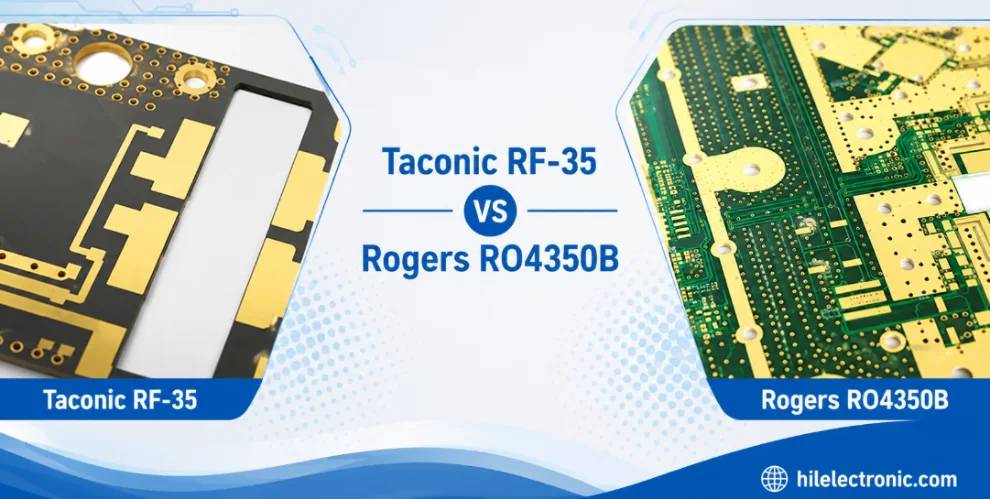
Taconic RF 35 i gcomparáid le PCB RO4350B
Clár ábhair Soláthar agus...RF-35 vs RO4350B
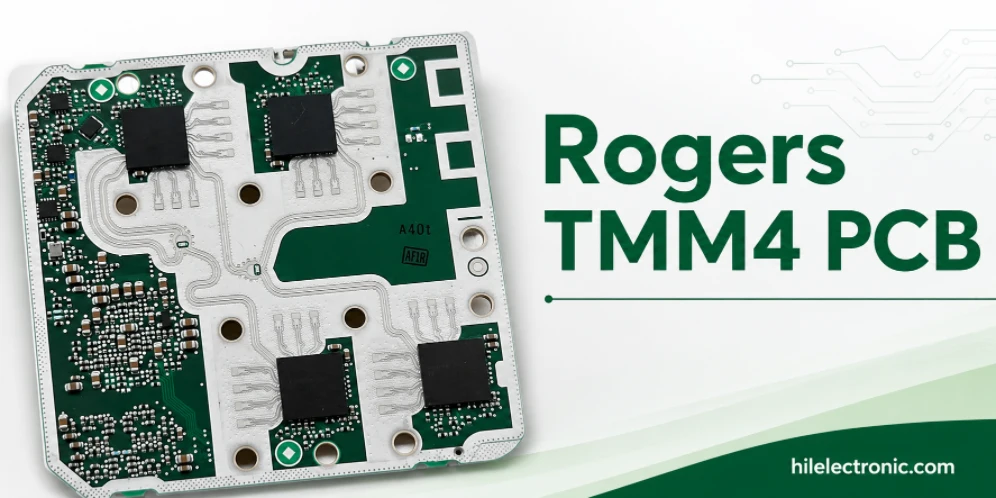
Déantúsaíocht PCB Scagaire TMM4
Tá monarú PCB scagaire TMM4 á rialú ag an...
Déantúsaíocht PCB TMM6
Is é monarú TMM6 an leathanach rialaithe próisis do lár-Dk...
Déantúsaíocht PCB TMM3 do Mhodúil RF
Is úsáideach an rud is mó a dhéantar le monarú PCB TMM3 nuair a bhíonn an modúl RF...
Conas luachan a fháil le haghaidh PCBanna
Déanaimis anailís DFM/DFA a dhéanamh duit agus rachaimid ar ais chugat le tuarascáil. Is féidir leat do chuid comhad a uaslódáil go slán tríd ár suíomh Gréasáin. Teastaíonn an fhaisnéis seo a leanas uainn chun luachan a thabhairt duit:
-
- Gerber, ODB++, nó .pcb, sonraíocht.
- Liosta BOM má tá cóimeáil uait
- Cé mhéad
- Cas am
I gcás seirbhísí PCBA, cuir do Bhille Ábhar (BOM) agus aon treoracha tionóil sonracha ar fáil. Cuirimid anailís DFM/DFA ar fáil freisin chun do dhearaí a bharrfheabhsú le haghaidh inmhonaraitheachta agus tionóil, rud a chinntíonn próiseas táirgthe réidh.