
CAF-resistent PCB-materiale til PCB-fremstilling med høj pålidelighed
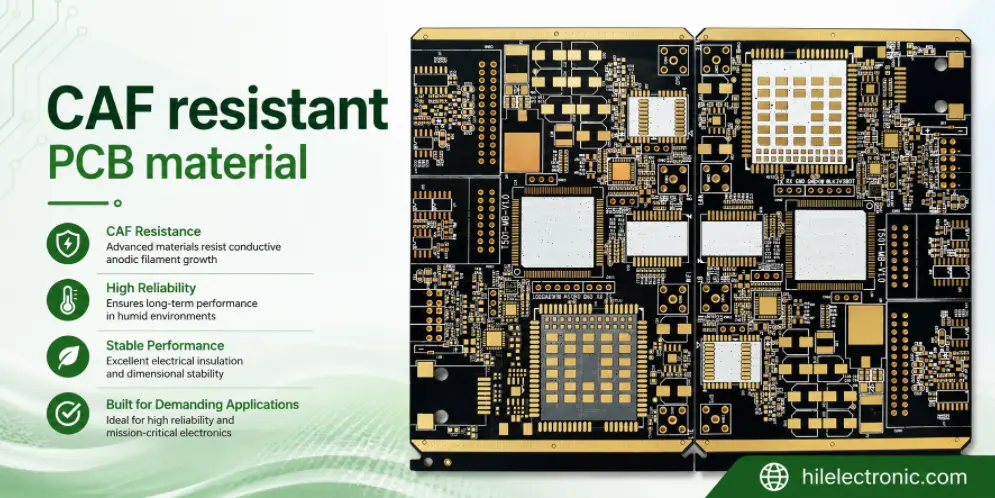
CAF-resistent printkortmateriale er ikke kun et nøgleord for laminater. Det er et pålideligt produktionsemne for printkort, der udsættes for fugtighed, spændingsbias, tætte afstande, kontamineringsrisiko og lang levetid. Highleap fokuserer på design- og proceskontroller, der reducerer CAF-risikoen, før printkortet fremstilles og samles.
Denne guide forbinder valg af CAF-resistente materialer med printkortpålidelighed , printkortisolering , gennemgang af højspændingslayout, renlighed, belægning og sporbarhed. Målet er at hjælpe købere med at udarbejde en tilbudspakke, der understøtter pålidelig fremstilling, i stedet for blot at navngive et materiale.
CAF-resistent printkortproduktion til højspændings- og fugtige miljøer
CAF-risiko stammer fra materiale, design, proces og miljø samlet set
CAF kan opstå, når fugt, spændingsbias, kontaminering, afstandsspænding og glasfiberbaner kombineres for at skabe vækst af ledende anodisk filament. Et CAF-resistent laminat hjælper, men det erstatter ikke afstandsregler, borekvalitet, renlighed eller monteringsbeskyttelse.
Highleap gennemgår først miljøet: spænding, luftfugtighed, kondensrisiko, driftstemperatur, kabinetdesign, afstand mellem kort og forventet levetid. Disse oplysninger ændrer, hvordan materiale og proces skal vælges.
- Højspændingsstyringstavler
- Industriel og bilelektronik
- Elektronik til udendørs eller fugtige omgivelser
- Tætte flerlagsplader med forspændte ledere
For en CAF-følsom PCB-byggeforespørgsel i produktionen bør kravet konverteres til tegningsnotater og leverandørtjek i stedet for at blive efterladt som baggrundsforklaring. Highleap bruger det til at afgøre, om projektet har brug for materialebekræftelse, stackup-justering, DFM-feedback, særlig inspektion eller gennemgang af monteringsproces, før tilbuddet færdiggøres.
Det samme krav påvirker også omkostninger og leveringstid, fordi spændingsbias, fugtighed, lederafstand, renlighed og belægningsdækning kan ændre værktøjsindsatsen, processtyringen, testdækningen eller materialeindkøbet. At give driftsspænding, miljø, afstandsregler, materialekrav, rengøringsproces og belægningsinstruktioner før tilbud reducerer frem-og-tilbage-processen og gør det første tekniske svar mere nyttigt.
I praktiske konstruktioner såsom højspændingsregulatorer, udendørs elektronik, bilmoduler, fugtige miljøsystemer og tætte BGA-kort opstår dette krav normalt under den første DFM- eller sourcing-diskussion. Årsagen er enkel: afstand, fugtpåvirkning, ionisk renhed, harpiksdækning og belægningsproces kan ændre den anbefalede stackup, inspektionsplan eller monteringssekvens, før en købsordre afgives.
Ved gentagen produktion kontrollerer Highleap også, om kravet kan opretholdes fra pilotproduktion til batchproduktion. Det betyder, at produktionspakken skal give Highleap komplette produktionsinput, ikke kun et materialenavn eller et delvist tegningssæt.
CAF-resistent FR4-materialevalg til industrielle og bilindustrien printkort
Materialet skal opfylde kravene til pålidelighed
En kundetegning kan angive CAF-resistent FR4, en specifik laminatfamilie eller en leverandørgodkendt materialeliste. Highleap kontrollerer, om det valgte materiale er tilgængeligt, om udskiftninger er tilladt, og om pladekonstruktionen er kompatibel med pålidelighedskravet.
Artiklen bør tydeliggøre, at materialevalg kun er én forsvarslinje. Hvis pladen bruger tæt afstand under spændingsbias, dårlig rengøring eller utilstrækkelig belægning, kan risikoen for CAF forblive, selv med et bedre laminat.
- Godkendt CAF-resistent laminat eller prepreg
- Overvejelser om glasstil og harpikssystem
- Godkendelse af materialesubstitution
- Gennemgang af tilgængelighed og leveringstid
For en CAF-følsom PCB-byggeforespørgsel i produktionen bør kravet konverteres til tegningsnotater og leverandørtjek i stedet for at blive efterladt som baggrundsforklaring. Highleap bruger det til at afgøre, om projektet har brug for materialebekræftelse, stackup-justering, DFM-feedback, særlig inspektion eller gennemgang af monteringsproces, før tilbuddet færdiggøres.
Det samme krav påvirker også omkostninger og leveringstid, fordi spændingsbias, fugtighed, lederafstand, renlighed og belægningsdækning kan ændre værktøjsindsatsen, processtyringen, testdækningen eller materialeindkøbet. At give driftsspænding, miljø, afstandsregler, materialekrav, rengøringsproces og belægningsinstruktioner før tilbud reducerer frem-og-tilbage-processen og gør det første tekniske svar mere nyttigt.
I praktiske konstruktioner såsom højspændingsregulatorer, udendørs elektronik, bilmoduler, fugtige miljøsystemer og tætte BGA-kort opstår dette krav normalt under den første DFM- eller sourcing-diskussion. Årsagen er enkel: afstand, fugtpåvirkning, ionisk renhed, harpiksdækning og belægningsproces kan ændre den anbefalede stackup, inspektionsplan eller monteringssekvens, før en købsordre afgives.
Ved gentagen produktion kontrollerer Highleap også, om kravet kan opretholdes fra pilotproduktion til batchproduktion. Det betyder, at produktionspakken skal give Highleap komplette produktionsinput, ikke kun et materialenavn eller et delvist tegningssæt.
Krav til spændingsbias, fugtighed og afstand før fremstilling
Anbudsforespørgslen skal indeholde driftsmiljøet
For CAF-følsomme printkort skal producenten kende spændingsbias, fugtighedseksponering, afstandskrav og eventuelle kunders forventninger til pålidelighedstest. Dette er især vigtigt for højspændings-printkort og industrielle styreprodukter, hvor afstand er en del af sikkerhed og pålidelighed.
Hvis designet kun anmoder om "CAF-resistent materiale" uden spændings- eller afstandsoplysninger, kan producenten ikke korrekt vurdere risikoen. Den bedre RFQ definerer lederafstand via afstand, krybning, frigang og forventninger til belægning.
- Driftsspænding og fugtighedspåvirkning
- Via-til-via og spor-til-spor afstand
- Forventninger til krybning og frihøjde
- Kundepålidelighed eller teststandard, hvis relevant
For en CAF-følsom PCB-byggeforespørgsel i produktionen bør kravet konverteres til tegningsnotater og leverandørtjek i stedet for at blive efterladt som baggrundsforklaring. Highleap bruger det til at afgøre, om projektet har brug for materialebekræftelse, stackup-justering, DFM-feedback, særlig inspektion eller gennemgang af monteringsproces, før tilbuddet færdiggøres.
Det samme krav påvirker også omkostninger og leveringstid, fordi spændingsbias, fugtighed, lederafstand, renlighed og belægningsdækning kan ændre værktøjsindsatsen, processtyringen, testdækningen eller materialeindkøbet. At give driftsspænding, miljø, afstandsregler, materialekrav, rengøringsproces og belægningsinstruktioner før tilbud reducerer frem-og-tilbage-processen og gør det første tekniske svar mere nyttigt.
I praktiske konstruktioner såsom højspændingsregulatorer, udendørs elektronik, bilmoduler, fugtige miljøsystemer og tætte BGA-kort opstår dette krav normalt under den første DFM- eller sourcing-diskussion. Årsagen er enkel: afstand, fugtpåvirkning, ionisk renhed, harpiksdækning og belægningsproces kan ændre den anbefalede stackup, inspektionsplan eller monteringssekvens, før en købsordre afgives.
Ved gentagen produktion kontrollerer Highleap også, om kravet kan opretholdes fra pilotproduktion til batchproduktion. Det betyder, at produktionspakken skal give Highleap komplette produktionsinput, ikke kun et materialenavn eller et delvist tegningssæt.
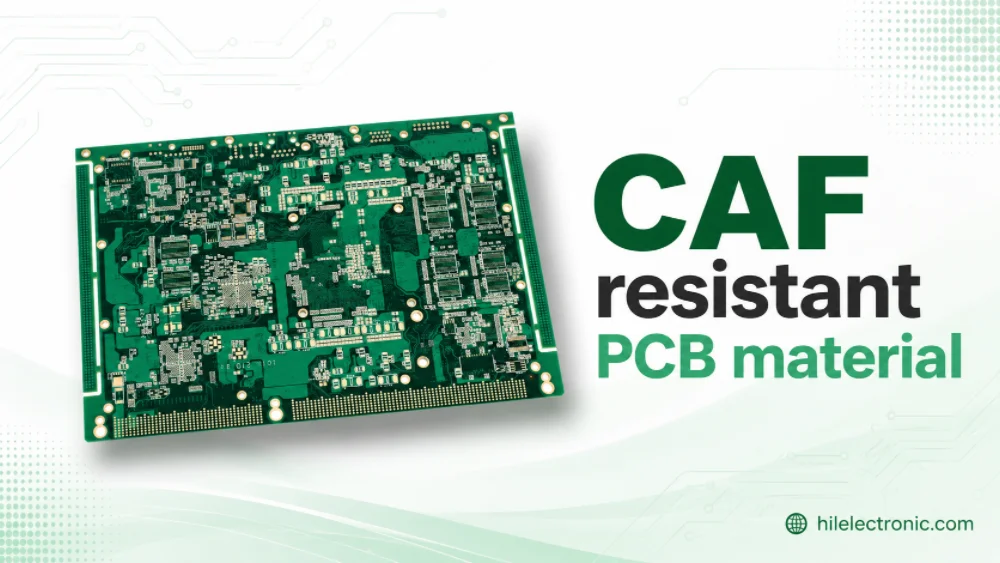
Risikogennemgang af Via-to-Via, Trace-to-Trace og BGA-områdets CAF
Tætte områder fortjener særlig opmærksomhed
CAF-risiko koncentreres ofte i tætte via-felter, BGA-breakout-områder, områder med fin pitch-konnektorer og lange, forspændte lederstrækninger. Layoutgennemgangen bør kontrollere, om afstanden er realistisk for spændingen og miljøet.
Highleap gennemgår, om viastrukturer, loddemaskeregistrering og lederafstand er kompatible med pålidelighedsmålet. Hvis et BGA-escape-område har usædvanligt tæt afstand, skal kunden markere det før fremstilling.
- Tæt BGA via felter
- Forspændte net med lille afstand
- Stik- og kantområder
- Gennemgang af lag-for-lag isolering
For en CAF-følsom PCB-byggeforespørgsel i produktionen bør kravet konverteres til tegningsnotater og leverandørtjek i stedet for at blive efterladt som baggrundsforklaring. Highleap bruger det til at afgøre, om projektet har brug for materialebekræftelse, stackup-justering, DFM-feedback, særlig inspektion eller gennemgang af monteringsproces, før tilbuddet færdiggøres.
Det samme krav påvirker også omkostninger og leveringstid, fordi spændingsbias, fugtighed, lederafstand, renlighed og belægningsdækning kan ændre værktøjsindsatsen, processtyringen, testdækningen eller materialeindkøbet. At give driftsspænding, miljø, afstandsregler, materialekrav, rengøringsproces og belægningsinstruktioner før tilbud reducerer frem-og-tilbage-processen og gør det første tekniske svar mere nyttigt.
I praktiske konstruktioner såsom højspændingsregulatorer, udendørs elektronik, bilmoduler, fugtige miljøsystemer og tætte BGA-kort opstår dette krav normalt under den første DFM- eller sourcing-diskussion. Årsagen er enkel: afstand, fugtpåvirkning, ionisk renhed, harpiksdækning og belægningsproces kan ændre den anbefalede stackup, inspektionsplan eller monteringssekvens, før en købsordre afgives.
Ved gentagen produktion kontrollerer Highleap også, om kravet kan opretholdes fra pilotproduktion til batchproduktion. Det betyder, at produktionspakken skal give Highleap komplette produktionsinput, ikke kun et materialenavn eller et delvist tegningssæt.
Boring, afsmøring, laminering og pletteringskontroller til forebyggelse af CAF
Produktionskvalitet påvirker fejlforløbet
Boreudsmidning, dårlig afsmidning, hulrum, harpiksrecession, pletteringsdefekter og fugthåndtering kan alle påvirke CAF-risikoen. Et rent materialeudkald vil ikke redde en plade, hvis processen efterlader kontaminering eller dårlig hulvægskvalitet.
Highleap forbinder CAF-arbejde med printkortkvalitetssikringskontroller , herunder boregennemgang, lamineringskvalitet, pletteringsinspektion og elektrisk testning.
- Renlighed af hulvægge og smudskontrol
- Gennemgang af lamineringshulrum og harpiksdækning
- Pletteringspålidelighed og mikrosektion om nødvendigt
- Fugthåndtering før montering
For en CAF-følsom PCB-byggeforespørgsel i produktionen bør kravet konverteres til tegningsnotater og leverandørtjek i stedet for at blive efterladt som baggrundsforklaring. Highleap bruger det til at afgøre, om projektet har brug for materialebekræftelse, stackup-justering, DFM-feedback, særlig inspektion eller gennemgang af monteringsproces, før tilbuddet færdiggøres.
Det samme krav påvirker også omkostninger og leveringstid, fordi spændingsbias, fugtighed, lederafstand, renlighed og belægningsdækning kan ændre værktøjsindsatsen, processtyringen, testdækningen eller materialeindkøbet. At give driftsspænding, miljø, afstandsregler, materialekrav, rengøringsproces og belægningsinstruktioner før tilbud reducerer frem-og-tilbage-processen og gør det første tekniske svar mere nyttigt.
I praktiske konstruktioner såsom højspændingsregulatorer, udendørs elektronik, bilmoduler, fugtige miljøsystemer og tætte BGA-kort opstår dette krav normalt under den første DFM- eller sourcing-diskussion. Årsagen er enkel: afstand, fugtpåvirkning, ionisk renhed, harpiksdækning og belægningsproces kan ændre den anbefalede stackup, inspektionsplan eller monteringssekvens, før en købsordre afgives.
Ved gentagen produktion kontrollerer Highleap også, om kravet kan opretholdes fra pilotproduktion til batchproduktion. Det betyder, at produktionspakken skal give Highleap komplette produktionsinput, ikke kun et materialenavn eller et delvist tegningssæt.
Renlighed af printkortsamling, kontrol af fluxrester og ionisk kontaminering
Monteringsrester kan ødelægge et CAF-resistent design
Fluxrester, ionisk kontaminering, fingeraftryk, dårlig vask og inkompatible belægningsprocesser kan øge lækage og pålidelighedsrisiko. Samleplanen bør angive, om processen er ikke-rengøring, vandigrengøring eller selektiv rensning.
For printplader, der anvendes i fugtige miljøer eller miljøer med høj spænding, gennemgår Highleap rengørings-, håndterings-, emballerings- og inspektionskrav før PCBA-frigivelse.
- Fluskemi og restrisiko
- Ingen rengøring versus rengøringsproces
- Forventninger til ionisk kontaminering, hvis specificeret
- Håndterings- og emballeringskontroller
Samlingsplanlægning for en CAF-følsom printkortkonstruktion bør overvejes før frigivelse af bare-board. Pudedesign, overfladefinish, loddemaske, komponentens termiske masse, adgang til armaturer og inspektionskrav kan ændre fremstillingsnoterne, selv når diagrammet allerede er færdigt.
For indkøbsteams ændrer monteringsomfanget tilbuddet væsentligt. En pris for ubehandlet printkort dækker ikke styklisteindkøb, stencil, programmering, AOI, røntgen, funktionstest, emballering eller dokumentation, medmindre disse krav er tydeligt angivet.
I praktiske konstruktioner såsom højspændingsregulatorer, udendørs elektronik, bilmoduler, fugtige miljøsystemer og tætte BGA-kort opstår dette krav normalt under den første DFM- eller sourcing-diskussion. Årsagen er enkel: afstand, fugtpåvirkning, ionisk renhed, harpiksdækning og belægningsproces kan ændre den anbefalede stackup, inspektionsplan eller monteringssekvens, før en købsordre afgives.
Ved gentagen produktion kontrollerer Highleap også, om kravet kan opretholdes fra pilotproduktion til batchproduktion. Det betyder, at produktionspakken skal give Highleap komplette produktionsinput, ikke kun et materialenavn eller et delvist tegningssæt.

anbefalet Indlæg

TMM6 Filter PCB Fremstilling
IndholdsfortegnelseHvorfor bruger designere af mikrobølgeovnsfiltre...
TMM4 Filter PCB Fremstilling
Fremstilling af TMM4-filterprintkort styres af...
TMM3 PCB-fremstilling til RF-moduler
TMM3 PCB-fremstilling er mest nyttig, hvor RF-modulet...
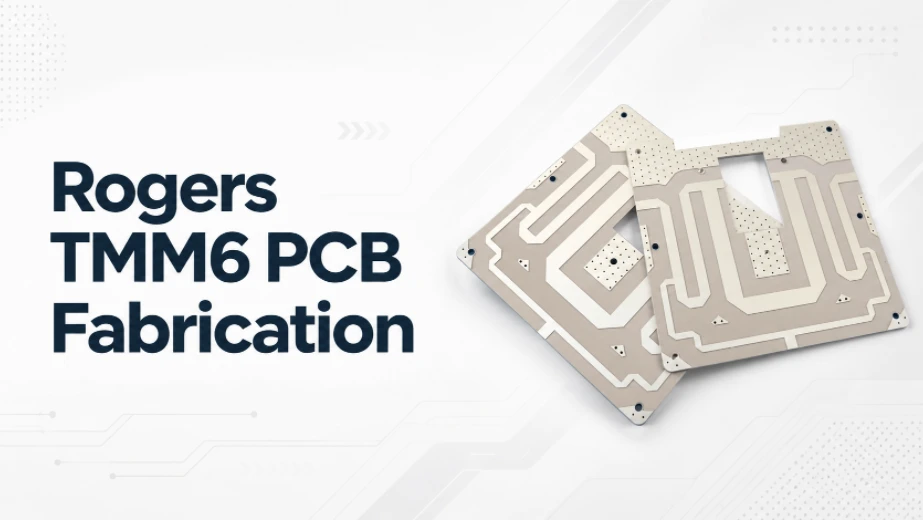
TMM6 PCB-fremstilling
TMM6-fabrikation er processtyringssiden for en mellem-Danmark...
Sådan får du et tilbud på printkort
Lad os køre en DFM/DFA-analyse for dig og vende tilbage til dig med en rapport. Du kan uploade dine filer sikkert via vores hjemmeside. Vi har brug for følgende oplysninger for at kunne give dig et tilbud:
-
- Gerber, ODB++ eller .pcb, spec.
- Stykliste, hvis du ønsker montering
- Antal
- Vendetid
For PCBA-tjenester bedes du fremvise din BOM (Bill of Materials) og eventuelle specifikke monteringsinstruktioner. Vi tilbyder også DFM/DFA-analyse for at optimere dine designs med hensyn til fremstillingsevne og montering, hvilket sikrer en problemfri produktionsproces.