
Fabricarea PCB-urilor pentru balize de localizare personale pentru programe PLB de 406 MHz
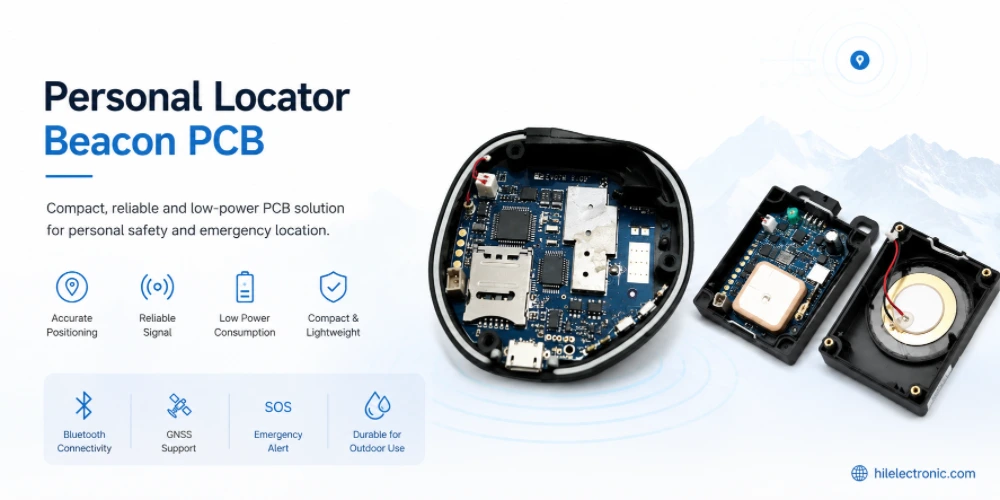
Un PCB pentru baliză personală de localizare aparține unui program reglementat de balize de distress pe frecvența de 406 MHz. În acest context, fabrica de PCB produce conform designului aprobat de client și metodei de testare controlate; nu redefinește protocolul balizei, fluxul de lucru pentru înregistrare sau baza omologării de tip. Un PLB rămâne, de asemenea, distinct de un mesager prin satelit bidirecțional.
Highleap Electronics poate oferi suport pentru hardware PLB proiectat de client, cu fabricație PCB, aprovizionare aprobată, PCBA, inspecție la primul articol, trasabilitate, procese de protecție a mediului și teste de producție definite de client. Construcțiile prototip și pilot sunt utile pentru asistență la calificare, în timp ce producția repetată ar trebui să rămână legată de lista de materiale aprobată, fluxul de lucru de identitate și procesul de control al modificărilor.
Valoarea comercială a fabricii constă în execuția disciplinată. Etapele de putere RF, GNSS, potrivirea antenei, hardware-ul de activare, gestionarea lotului de baterii, limitele de acoperire/etanșare și identitatea unității pot fi toate părți relevante pentru siguranță ale pachetului de fabricație.
- Highleap poate fabrica hardware PCB/PCBA conform datelor de proiectare aprobate și aprobate de client.
- Programarea cu ID unic, verificarea RF și autotestarea pot fi incluse numai conform procedurii și echipamentului aprobate de client.
- Testele de rutină din fabrică nu ar trebui să transmită o alertă de pericol reală.
- Aprobarea de tip a balizei, responsabilitatea pentru codificare, instrucțiunile de înregistrare și autorizația de comercializare rămân clar atribuite în cadrul proiectului.
Un program PLB de 406 MHz are limite de siguranță și reglementări
Ce este o baliză personală de localizare de 406 MHz și ce nu este
NOAA descrie PLB-urile ca balize portabile de urgență de 406 MHz pentru persoane fizice. Acestea au în comun sistemul de alertare prin satelit Cospas-Sarsat cu EPIRB-urile și ELT-urile, dar deservesc medii și convenții de montare/activare diferite. Baliza transmite un mesaj de urgență codificat digital care conține un identificator unic, iar modelele compatibile cu GNSS pot include date de localizare. Multe balize transmit, de asemenea, un semnal de localizare de putere redusă de 121.5 MHz utilizat de salvatorii de la mică distanță.
Prin urmare, PCB-ul aparține unui dispozitiv de urgență reglementat, mai degrabă decât unui dispozitiv general de urmărire. Fabricarea PCB-urilor pentru comunicații de înaltă frecvență de către Highleap este relevantă pentru hardware-ul de transmisie RF, în timp ce considerațiile privind PCB-ul amplificatorului RF se pot aplica etajului de putere al emițătorului. Specificația aprobată a balizei controlează în continuare parametrii exacți de frecvență, ieșire, codare și omologare de tip.
Produsele adiacente trebuie păstrate separat. O baliză electronică de semnalizare (EPIRB) este concepută pentru utilizare în caz de primejdie maritimă; o baliză electronică de semnalizare (ELT) pentru aeronave; un mesager prin satelit pentru comunicare bidirecțională în afara rețelei; un dispozitiv AIS MOB utilizează un mecanism local de alertă maritimă diferit. Acestea pot partaja componente electronice RF robuste, dar un articol despre PLB ar trebui să rămână concentrat pe baliza personală de semnalizare (PLB) de 406 MHz, purtată manual.
PLB vs. mesagerie prin satelit, EPIRB și ELT
| Produs | Scopul principal | Distincția cheie |
|---|---|---|
| PLB | Alertă de primejdie personală pe frecvența de 406 MHz | Baliză individuală portabilă; activarea manuală este centralizată |
| EPIRB | Alertă de primejdie maritimă | Categorie de balize orientate spre nave |
| ELT | Alertă de primejdie în aviație | Categoria emițătoarelor de urgență pentru aeronave |
| mesager prin satelit | Mesagerie/SOS bidirecțională în afara rețelei | Serviciu de comunicare interactivă, nu un înlocuitor PLB prin definiție |
Mesaj de primejdie pe 406 MHz, poziție GNSS și funcții de localizare pe 121.5 MHz
Transmisia de 406 MHz este principala cale de alertă de urgență. NOAA explică faptul că informațiile despre pericol sunt codificate digital și transmise prin sistemul Cospas-Sarsat, în timp ce identificatorii de baliză înregistrați ajută autoritățile să asocieze alerta cu proprietarul și informațiile de urgență. PLB-urile compatibile cu GNSS pot include poziția în mesajul transmis, reducând incertitudinea căutării atunci când este disponibilă o corecție validă.
Semnalul de 121.5 MHz are un rol diferit: localizarea locală după ce salvatorii sosesc în zona de căutare. Nu este canalul principal de alertă prin satelit. Un articol PCB nu trebuie să confunde cele două emițătoare sau să sugereze că 121.5 MHz singură oferă aceeași alertă de pericol prin satelit modern. Prin urmare, designul RF poate conține considerații distincte privind potrivirea, filtrarea, amplificatorul de putere și antena pentru fiecare funcție.
Contextul de proiectare și asamblare a amplificatorului de putere RF de la Highleap este relevant pentru stadiul emițătorului. Proiectul Cospas-Sarsat/omologat de tip aprobat de client definește puterea de ieșire, forma de undă, codarea și temporizarea. Producătorul ar trebui să verifice acești parametri cu echipamente și proceduri aprobate, nu să înlocuiască limitele generice de testare RF.
Precizie critică pentru siguranță
Nu utilizați activarea de urgență în timp real ca test de rutină din fabrică. Utilizați autotestul desemnat de producătorul balizei, configurația RF ecranată, simulatorul sau altă procedură aprobată fără risc de pericol, astfel încât validarea producției să nu poată genera o alertă falsă.
Note de integrare a beacon-urilor care afectează producția
Documentația de producție ar trebui să separe conținutul semnalului de urgență de 406 MHz de funcțiile opționale/locale aferente. Codificarea identității balizei, câmpurile de poziție GNSS și transmițătorul de localizare sunt corelate în produsul finit, dar au metode de verificare diferite. O configurație RF ecranată sau un tester de balize poate confirma identificatorul codificat și parametrii de transmisie fără a implica sistemul de căutare și salvare în timp real. Datele de înregistrare, informațiile despre proprietar și contactele de urgență sunt în mod normal gestionate de autoritatea națională competentă sau de fluxul de lucru al clientului, nu de fabrica de PCB. Această separare explicită previne confundarea unei înregistrări a testelor de fabricație cu înregistrarea balizei sau cu aprobarea formală.
Contractul de fabricație ar trebui să precizeze cine deține designul balizei aprobate, tabelul de codare, documentația de reglementare/omologare de tip, specificațiile antenei și instrucțiunile de înregistrare finală pe piața. Rolul Highleap poate include fabricarea, asamblarea, programarea controlată și testarea documentată, dar domeniul de aplicare nu ar trebui niciodată descris ca fiind „certificare inclusă” cu termen nelimitat.
Puterea RF, GNSS și traseele antenei necesită fabricație controlată
Arhitectura PCB PLB: Transmițător, GNSS, Controler, Antenă și Comenzi Utilizator
Un PLB poate include un lanț de emițătoare de 406 MHz, un emițător de reper de 121.5 MHz, un receptor GNSS, un microcontroler, o memorie nevolatilă pentru identitate/configurație, o interfață pentru baterie, LED-uri indicatoare sau un buzzer, un comutator de activare și un sistem de antenă. Unele funcții pot fi integrate, dar arhitectura de siguranță este controlată în mod deliberat. Interfața cu utilizatorul include adesea caracteristici fizice care reduc activarea accidentală și ghidează desfășurarea antenei.
Secțiunile RF și digitale trebuie să coexiste fără a compromite recepția GNSS sau comportamentul spectral al transmițătorului. Designul rețelei de distribuție a energiei de pe PCB este important deoarece baliza trebuie să furnizeze o putere previzibilă a transmițătorului de la o baterie stocată în condiții definite. Căile de așteptare cu scurgeri reduse sunt, de asemenea, importante pentru durata de viață a bateriei, dar cerințele exacte privind durata de viață a bateriei și durata de funcționare aparțin specificațiilor de produs aprobate.
Designul antenei face parte din dispozitivul finit. Geometria antenei utilizate, priza utilizatorului, carcasa și metalul din apropiere influențează performanța RF. Prin urmare, producătorul PCB-ului ar trebui să păstreze structurile de alimentare și împământare ale antenei și să urmeze desenul mecanic. Nu ar trebui să reproiecteze o antenă doar pentru a facilita panotarea sau asamblarea.
Comportamentul la stări de defecțiune face, de asemenea, parte din arhitectură. Controlerul ar trebui să știe când GNSS nu este disponibil, când rulează un autotest și când a avut loc o activare de urgență. Indicatorii sau un buzzer comunică aceste stări utilizatorului, iar dispozitivul de producție trebuie să le verifice fără a intra într-un mod de defect necontrolat. Mecanismele de desfășurare a antenei și capacele de activare pot include comutatoare sau contacte care sunt simple din punct de vedere electric, dar relevante din punct de vedere al siguranței. Prin urmare, pozițiile conectorilor și polaritatea acestora ar trebui să facă parte din inspecția primului articol. Dacă carcasa se modifică, forța de activare, geometria antenei și etanșarea la apă pot necesita o validare reînnoită la nivel de produs, chiar și atunci când grafica PCB-ului nu se modifică.
Calea emițătorului, secțiunea GNSS, alimentarea antenei și orice circuit de localizare de 121.5 MHz trebuie construite exact conform designului lansat. În funcție de construcție, pot fi relevante capacitățile de fabricare a PCB-ului pentru comunicații de înaltă frecvență , de fabricare a PCB-ului pentru amplificatorul RF și cerințele de impedanță controlată . Țintele reale de împerechere și impedanță provin din designul PLB aprobat, nu din limbajul generic de marketing RF.
Bateria, hardware-ul de activare și protecția mediului trebuie tratate împreună
Rezervă de baterie, scurgeri reduse de energie și prevenire a activării false
O baterie cu litiu tip PLB poate rămâne neutilizată ani de zile și apoi se poate aștepta să funcționeze în caz de urgență. Acest lucru face ca starea pe termen lung a bateriei și controlul scurgerilor să fie mai importante decât confortul reîncărcării zilnice. Unele modele utilizează baterii primare cu litiu cu intervale de înlocuire/service, în loc de încărcare de către utilizator. Procesul de producție trebuie să respecte regulile aprobate privind chimia celulelor, construcția pachetelor și protecția; o abordare generică de gestionare a bateriilor pentru consumatori nu este suficientă.
Șinele de alimentare ar trebui să rămână oprite sau în stări de putere foarte scăzută până la activare/autotestare. Scurgerile prin dispozitivele ESD, rețelele de tracțiune sau componentele deteriorate pot scurta durata de viață a depozitării. De asemenea, PCB-ul trebuie să suporte o sarcină a emițătorului atunci când este activat, așadar rezistența de contact, traseele conductorilor și căderea de tensiune contează. Testele electrice de fabricație pot detecta aceste probleme dacă sunt definite criteriile de acceptare.
Activarea falsă este o problemă atât la nivelul interfeței utilizatorului, cât și la nivelul fabricației. Amplasarea comutatoarelor, etanșările, capacele și sistemul anti-recul al firmware-ului contribuie la acest lucru. Un dispozitiv din fabrică ar trebui să acceseze funcțiile de testare fără a dezactiva designul de siguranță sau a lăsa produsul într-o stare armată. De asemenea, trebuie controlată furnizarea serialului/identității, astfel încât să nu se creeze ID-uri de beacon duplicate sau incorecte.
Trasabilitatea bateriei este deosebit de utilă în această categorie, deoarece durata de valabilitate și pregătirea pentru situații de urgență depind de pachetul aprobat, data fabricației și condițiile de depozitare. Fabricantul de echipamente originale (OEM) poate defini dacă datele lotului/datei bateriei trebuie legate de numărul de serie al balizei finite. În timpul asamblării, operațiunile de sudare sau de conectare ar trebui să evite deteriorarea celulelor și să mențină izolația și detensionarea specificate. Producția de rutină ar trebui să verifice tensiunea de circuit deschis sau un alt indicator de stare a bateriei aprobat, fără a descărca inutil pachetul. Aceasta este o filozofie de producție diferită de cea a unui gadget reîncărcabil de consum: minimizarea scurgerilor și conservarea energiei stocate pot fi mai importante decât susținerea ciclurilor frecvente de încărcare.
Fabricarea PCB-urilor RF de 406 MHz, protecția mediului și mecanica robustă a PLB-urilor
Calea RF trebuie fabricată conform impedanței, materialului și geometriei eliberate. Cerințele Highleap pentru PCB cu impedanță controlată sunt relevante atunci când alimentările emițătorului și antenei utilizează structuri definite de linie de transmisie. Laminatul RF special trebuie utilizat numai dacă este specificat în proiectul aprobat; multe arhitecturi de produse pot combina secțiuni RF și digitale pe construcții FR-4 multistrat sau hibride, proiectate cu atenție.
Produsele pentru exterior necesită, de asemenea, controlul umidității și al coroziunii. Acoperirea conformală pentru protecția PCB și impermeabilitatea PCB-urilor. Considerațiile privind proiectarea PCB-urilor sunt relevante numai în cadrul designului de mediu validat. Acoperirea nu trebuie să contamineze contactele RF, conectorii, orificiile de ventilație sau interfețele bateriei. Impermeabilizarea este o proprietate a carcasei finite; acoperirea singură nu face un PLB impermeabil.
Caracteristicile mecanice, cum ar fi balamalele antenei, punctele de fixare a șnurului, garniturile, capacele de activare și elementele de fixare a bateriei, pot încărca PCB-ul. DFM ar trebui să utilizeze ansamblul mecanic complet pentru a verifica distanțele și locațiile conectorilor/suporturilor. Placa poate trece testul electric, dar totuși nu îndeplinește cerințele de rezistență la cădere sau pătrunderea apei dacă integrarea carcasei este greșită.
Protecția mediului trebuie verificată atât la nivelul plăcii, cât și la nivelul carcasei. Acoperirea poate reduce riscul de coroziune, dar contactele antenei, bornele bateriei și punctele de testare/programare pot necesita mascare. Dacă produsul trebuie să îndeplinească cerințele de imersie, cădere sau temperatură scăzută, materialul PCB și îmbinările de lipire trebuie selectate și calificate în cadrul acelui proiect general. Ieșirea RF se poate modifica, de asemenea, odată cu desfășurarea antenei și cu apa din jurul carcasei, astfel încât calificarea finală aparține întregului PLB. Responsabilitatea furnizorului de PCBA este de a reproduce construcția aprobată în mod consecvent și de a furniza dovezi de proces/test trasabile, nu de a redefini standardul de mediu sau RF în timpul producției.
Durata lungă de viață a produsului și pregătirea pentru situații de urgență fac ca scurgerile, contaminarea, conectarea bateriei și etanșarea să fie deosebit de importante. Protecția mediului poate include un proces de acoperire conformală sau alte metode de etanșare, în timp ce strategiile de protecție a PCB-urilor rezistente la apă pot influența protecția carcasei/plăcii. Aceste procese trebuie să respecte contactele RF, comutatoarele, căile de presiune și punctele de service definite de proiectarea produsului.
Controalele privind primul articol și trasabilitatea contează mai mult în Beacon Hardware
PCBA PLB, Inspecția Primului Articol, Controlul Identității și Trasabilității
PCBA PLB merită un control al configurației mai strict decât un gadget obișnuit pentru consumatori, deoarece identitatea dispozitivului și performanța RF sunt relevante pentru siguranță. Inspecția primului articol realizată de Highleap pentru asamblarea PCB este utilă în special înainte de lansarea unui lot. Componentele RF, dispozitivele GNSS, etapa de putere, conexiunile bateriei, hardware-ul antenei și controalele de activare ar trebui verificate în raport cu lista de materiale și desenul aprobate.
Trasabilitatea ar trebui să conecteze lotul de plăci goale, lotul de asamblare, loturile de componente critice, firmware-ul, identitatea beaconului programat și înregistrarea finală a testului. Metodele de trasabilitate a fabricării PCB-urilor Highleap susțin această disciplină de producție. Păstrarea exactă a datelor depinde de sistemul de calitate al clientului și de cerințele de aprobare aplicabile.
- Limitele de reparare ar trebui definite pentru etapa de putere RF, comutatoarele de siguranță și ansamblurile etanșe. O placă reparată poate necesita verificări RF și de mediu repetate. Fabrica nu ar trebui să decidă asupra acceptării doar pe baza calității vizuale a lipirii atunci când planul de calificare controlată al produsului necesită mai multe dovezi.
- Controlul identității ar trebui să se extindă prin deșeuri și refaceri. Dacă o placă de circuit nu funcționează după ce a fost programat un cod unic de baliză, procesul de calitate ar trebui să precizeze dacă identitatea respectivă este retrasă, transferată sau reemisă sub autorizația clientului. Etichetele și datele programate trebuie să fie în concordanță. Înlocuirile componentelor RF critice ar trebui blocate, cu excepția cazului în care inginerii confirmă că acestea rămân în limitele designului aprobat. Un călător poate înregistra inspecția mecanismului de activare, a conexiunii antenei și a instalării bateriei după asamblarea finală. Acești pași fac trasabilitatea utilă din punct de vedere operațional, mai degrabă decât simpla stocare a numerelor de lot și ajută producătorul de echipamente originale să investigheze orice eveniment de teren până la o configurație specifică de fabricație.
Înainte de un lot de producție, o inspecție documentată a primului articol ajută la verificarea polarității, a pieselor RF, a componentelor unice, a manoperei de asamblare și a alinierii reviziilor. Pentru produsele legate de siguranță, trasabilitatea PCB-urilor și PCBA-urilor este valoroasă, deoarece înregistrările lotului, componentelor și programării pot necesita legătura cu unități individuale sau loturi definite.
Testul de producție trebuie să evite un eveniment de primejdie în direct
Testarea sigură a producției PLB, verificarea RF și limitele omologării de tip
Verificarea producției poate include verificări DC, logică de autotestare, recepție GNSS, indicatori LED/buzzer, măsurarea bateriei și măsurători RF într-o configurație ecranată sau bazată pe simulator. Conținutul mesajului de 406 MHz, frecvența, modulația și temporizarea trebuie verificate utilizând procedura și echipamentul aprobate de client. Funcția de homing de 121.5 MHz poate fi verificată separat.
Regula cheie de siguranță este că testele de rutină nu trebuie să creeze o alertă de primejdie reală. NOAA avertizează în mod explicit utilizatorii să urmeze procedurile de testare adecvate, iar ecosistemele de balize oferă moduri de autotestare din acest motiv. Producătorul ar trebui să documenteze starea de testare non-urgență și să instruiască operatorii în consecință.
- Omologarea de tip Cospas-Sarsat, autorizarea națională și certificarea produsului finit sunt separate de asamblarea PCB-urilor. Un furnizor poate construi pe baza fișierelor aprobate și poate furniza date de testare a fabricației; nu ar trebui să pretindă că testul său funcțional intern conferă automat aprobarea balizei. Fabricantul de echipamente originale (OEM) trebuie să gestioneze aprobarea formală cu autoritățile și organismele de testare competente.
- Limita omologării de tip ar trebui să fie reflectată în documentația fabricii. O stație de testare a producției poate măsura frecvența, caracteristicile rafale, identitatea codificată și ieșirea de homing în raport cu limitele aprobate; testele de mediu și formale de aprobare Cospas-Sarsat/națională pot fi efectuate de laboratoare desemnate în cadrul unui program separat. Orice modificare de firmware sau a componentei RF care ar putea afecta forma de undă aprobată ar trebui să urmeze procesul de control al modificărilor OEM înainte de producție. Acest lucru este important din punct de vedere comercial, deoarece o substituție „echivalentă funcțional” poate genera costuri mult mai mari decât prețul componentei sale dacă declanșează recalificarea. Prin urmare, furnizorii ar trebui să acorde prioritate fidelității configurației față de optimizarea ad-hoc a BOM pe calea emițătorului.
Highleap poate executa autotestul aprobat de client, simulatorul, măsurătorile RF efectuate sau alte metode fără probleme. Procedura ar trebui să definească comportamentul așteptat în ceea ce privește frecvența/puterea/identitatea, echipamentul, limitele, captura de date și eliminarea defecțiunilor. Controalele fiabilității PCB-urilor pot fi apoi aplicate procesului mai larg de fabricație și asamblare.
Înghețarea configurației aprobate înainte de producție
O fază de prototip ar trebui să demonstreze componentele PCB, ansamblul, interfața bateriei, antena/mecanica, programarea și metoda de testare sigură înainte de o angajare mai mare de materiale. Construcțiile controlate de PCBA în volum redus sunt potrivite atunci când producătorul original de echipamente (OEM) are nevoie de cantități inginerești controlate pentru validare, mai degrabă decât de o serie imediată de volum mare.
Înainte de producție, înghețați lista de materiale aprobată și variantele alternative, firmware-ul, fluxul de lucru pentru identitatea beaconului, gestionarea lotului de baterii, limitele de testare RF, câmpurile de trasabilitate, etichetele, ambalajul și procesul de neconformitate. Orice modificare care poate afecta configurația beaconului aprobată trebuie să urmeze calea de control al modificărilor a clientului.
Ce să trimiteți către Highleap pentru o analiză a producției PLB
Pentru o analiză a producției PLB, furnizați pachetul de proiectare PCB aprobat, specificațiile de fabricație, lista de materiale (BOM), informațiile despre RF și antenă, specificațiile bateriei, desenele mecanice/de etanșare, fișierele de asamblare, instrucțiunile de firmware și de programare a identității, cerințele de trasabilitate, metoda de testare a producției în condiții de siguranță și cantitățile necesare pentru prototip, asistență pentru calificare, pilot sau producție.
Highleap poate fabrica și asambla hardware-ul în limitele eliberate. Orice modificare a componentelor RF, a gestionării identității, a sistemului de baterii, a rețelei de antene sau a altor elemente de configurare aprobate ar trebui să fie returnată prin procesul de control al modificărilor al clientului, în loc să fie tratată ca o înlocuire de achiziție obișnuită.
Rezultatul corect nu este o fabrică care „testează mai intens” prin transmiterea unei alerte de primejdie reale. Este un proces controlat care utilizează autotestul aprobat, simulatorul, configurația atenuată sau alte metode definite de client, adecvate programului, păstrând în același timp trasabilitatea de la primul articol până la unitățile de producție expediate.

Posturi recomandate
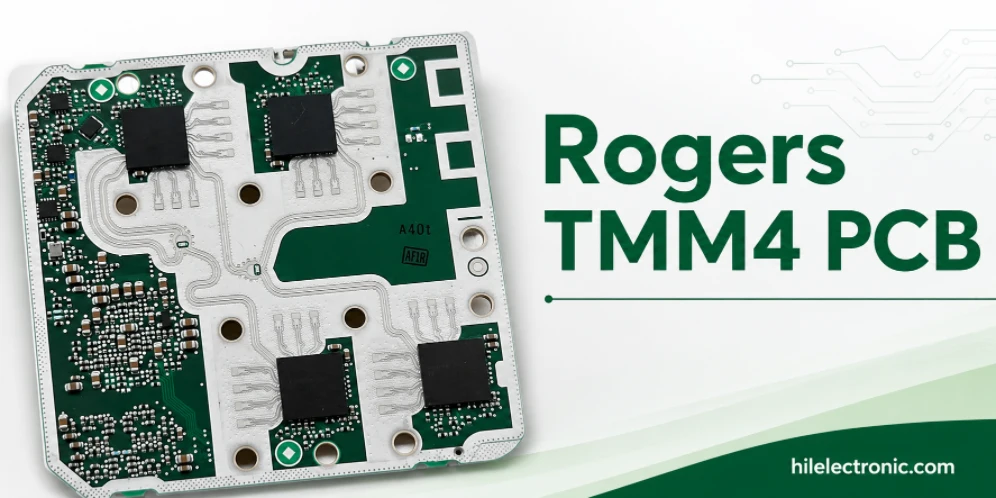
Fabricarea PCB-urilor pentru filtre TMM4
Fabricarea PCB-urilor filtrului TMM4 este controlată de...
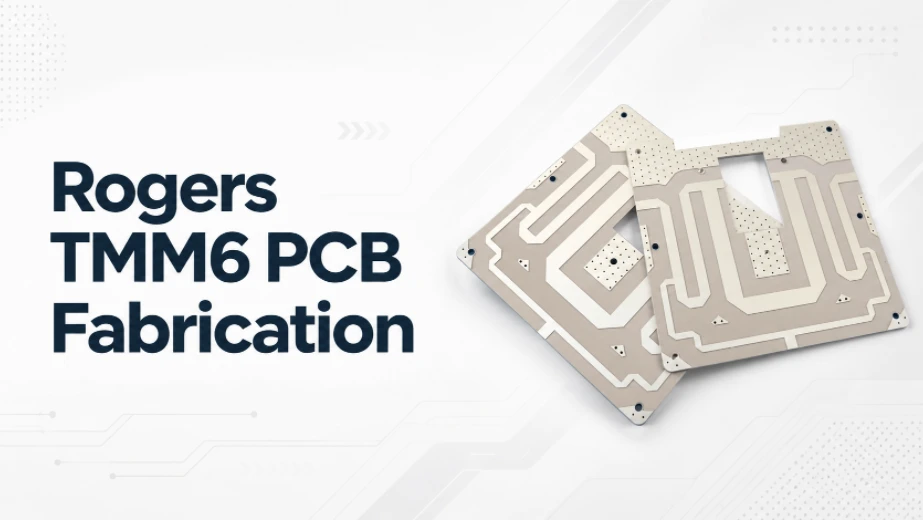
Fabricarea PCB-urilor TMM6
Fabricarea TMM6 este pagina de control al procesului pentru un DK mediu...
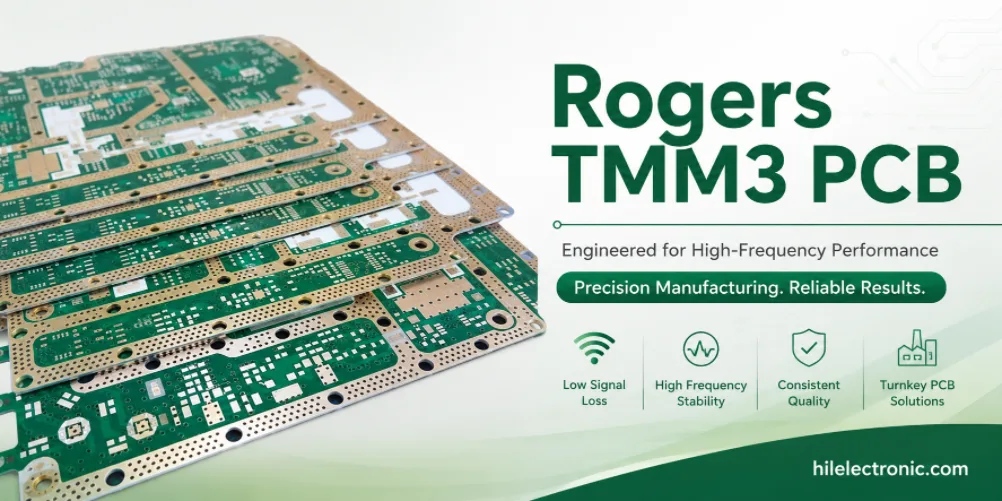
Fabricarea de PCB-uri TMM3 pentru module RF
Fabricarea PCB-urilor TMM3 este cea mai utilă acolo unde modulul RF...

Fabricarea PCB-urilor TMM10 pentru designuri RF compacte
CuprinsCum micșorează TMM10 structurile RFTMM10 vs...
Cum să obțineți o ofertă pentru PCB-uri
Hai să executăm o analiză DFM/DFA pentru tine și să te contactăm cu un raport. Poți încărca fișierele în siguranță prin intermediul site-ului nostru web. Avem nevoie de următoarele informații pentru a-ți oferi o ofertă de preț:
-
- Specificații Gerber, ODB++ sau .pcb.
- Lista BOM dacă aveți nevoie de asamblare
- Cantitate
- Timp de întoarcere
Pentru servicii PCBA, vă rugăm să furnizați lista de materiale (BOM) și orice instrucțiuni specifice de asamblare. De asemenea, oferim analize DFM/DFA pentru a optimiza proiectele dumneavoastră în ceea ce privește fabricabilitatea și asamblarea, asigurând un proces de producție fără probleme.