
Pautas para la reducción de voltaje de capacitores en el diseño de PCB

Introducción: El costo de la subespecificación
Capacitor voltage selection must account for the supply tolerance, transients, temperature, ripple and the exact part. A 16 V-rated MLCC on a nominal 12 V rail is not automatically defective or destined to fail after six months. Its suitability depends on the manufacturer’s conditions and whether sufficient effective capacitance and reliability margin remain in the actual circuit.
Voltage derating means selecting a condensador with an appropriate operating margin below its permitted rating. The required margin varies with capacitor technology, part series, operating conditions and project rules. For Class II MLCCs, check effective capacitance under DC bias separately from the voltage-withstand rating.
¿Qué es la reducción de voltaje del capacitor?
Define the voltage-utilization ratio as U = V_operating / V_rated. A 12 V operating point and a 25 V rating give 48% utilization, leaving a nominal 52% voltage margin. This arithmetic does not by itself establish transient protection, effective capacitance or service life; include the maximum actual operating conditions in the assessment.

A manufacturer’s rating applies under specified conditions, not an assumption of minimal lifetime. Review the applicable datasheet, endurance conditions, temperature limits and application guidance when translating that rating into a product design.
Por qué la reducción de voltaje del capacitor no es negociable
Prevenir la ruptura dieléctrica
Overvoltage or other excessive stress can damage the dielectric. Appropriate voltage margin is one control, but it cannot guarantee freedom from breakdown, defects or misuse. Apply the manufacturer’s limits and the circuit’s required transient protection.
Mejorar la confiabilidad y el envejecimiento a largo plazo
Voltage, temperature and ripple can affect lifetime differently across capacitor technologies. Use a manufacturer-supported life model or qualification plan for the exact part and conditions. A generic 5–10× MTBF benefit or a fixed lifetime reduction at 90% voltage utilization is not a universal capacitor rule.
Manejo de eventos transitorios de sobretensión y sobrecarga
Switching and motor-drive circuits can generate overshoot and other transients. Measure or model their actual amplitude, duration and repetition, then choose an appropriate voltage rating and protection scheme. Neither a fixed 150% overshoot assumption nor voltage derating alone establishes adequate protection.
Reducir las pérdidas de polarización de CC en MLCC
Class II ceramic dielectrics such as X5R y X7R can lose effective capacitance under DC bias. The amount depends on the exact part, case size and construction; it cannot be predicted from the voltage rating alone. Use the manufacturer’s bias curve and include temperature, tolerance and aging where relevant.
Para una revisión de producción más completa, utilice este artículo junto con la revisión DFM y los componentes de la placa de circuito impreso al verificar la configuración, el ensamblaje o los requisitos de prueba.
Pautas para la reducción de voltaje del capacitor por tipo
Requisitos de reducción de voltaje de MLCC
- X5R / X7R MLCCs: Compare part-specific DC-bias curves and permitted voltage/temperature conditions. The rating alone does not predict retained capacitance.
- C0G / NP0 MLCCs: These dielectrics have much smaller DC-bias capacitance effects, but voltage, temperature, pulse and mechanical limits still apply.
Reducción de potencia del condensador de tantalio
- Tantalum capacitors: Follow the exact technology and series guidance, including surge, source impedance and temperature conditions. A single percentage does not cover all tantalum products.
- High-reliability projects: Apply the controlled customer or program derating requirements and qualification plan. No percentage eliminates all failure risk.
Reducción de voltaje del electrolito de aluminio
- Aluminum electrolytics: Evaluate ambient and internal temperature, ripple, operating voltage and the series-specific life model together.
Reducción de potencia de condensadores de película y de alto voltaje
- Condensadores de película: Check the relevant DC/AC voltage, frequency, ripple, pulse and temperature ratings. Self-healing behavior does not remove these limits.
- High-voltage capacitors: Review insulation, waveform, partial-discharge and transient requirements for the actual component and application, not a universal 30–50% rule.
Cómo calcular la reducción de voltaje del capacitor en un diseño de PCB real
For a nominal 12 V rail and a 16 V-rated part, utilization is 12/16 = 75%. That number is an input to the review, not automatic proof of a violated guideline. Compare the maximum rail voltage and transients against the part’s permitted conditions and project requirements.
- V_operando = 12V
- V_nominal_1 = 16 V
- DR_1 = 12/16 = 75%
- V_operando = 12V
- V_nominal_2 = 25 V
- DR_2 = 12/25 = 48%
When comparing a 16 V and a 25 V MLCC for a 12 V rail, compare their actual bias curves at 12 V and the relevant temperatures. A higher nameplate voltage does not guarantee a particular retained capacitance. Select the part that meets the minimum effective-capacitance and stress requirements in the available footprint.

Características de polarización de CC de MLCC
Reducción de la tensión del condensador en condiciones especiales
Efecto de polarización de CC en la capacitancia del MLCC
For Class II MLCCs, evaluate DC bias at the actual operating voltage using the selected part’s data. Test conditions for nominal capacitance and bias characterization matter. A blanket half-rated-voltage rule cannot guarantee that a specified percentage of capacitance remains.
Reducción de potencia por alta temperatura y tensión
Use the component’s voltage-versus-temperature limits and any applicable project derating requirements. Do not invent a universal reduction of 5–10 percentage points per 10°C above 85°C; different capacitor systems and series have different permitted conditions.
Protección contra corrientes de ondulación y sobretensiones
Ripple-current heating depends on ESR, frequency, cooling and the component construction. Verify the permitted ripple and temperature rise, including transient and surge conditions. Voltage margin does not replace ripple-current, thermal or surge qualification.
Estándares de la industria para la reducción de voltaje de los capacitores
Customer or sector requirements may specify additional derating rules. Confirm the applicable document, revision, part category and operating conditions before applying a numerical limit.
- MIL-HDBK-338 guidance: Check the applicable section, component category and project adoption before using a value as a design limit.
- NASA or space-program requirements: Use the controlled parts/derating requirements for the actual mission and capacitor technology; do not substitute a generic percentage.
- IPC-9592 requirements: Where applicable to the power-conversion product, confirm the relevant component and stress conditions in the adopted revision rather than extending one ratio to all commercial electronics.
Requirements from different sectors are not interchangeable. Record which rule governs the project and resolve any conflict with the component manufacturer’s limits rather than claiming a universal cross-industry ratio.
Recomendaciones prácticas para el diseño de PCB
La implementación de una reducción adecuada del voltaje del capacitor requiere varias prácticas críticas:
- Check manufacturer bias data: Calculate the effective capacitance at the relevant voltage, temperature and tolerance conditions.
- Compare candidate part numbers: A 50 V rating on a 12 V rail does not guarantee a particular capacitance; verify the chosen construction.
- Apply project requirements: Define voltage, ripple, thermal and surge limits according to the component data and the product’s reliability requirements.
- Document approved substitutions: Identify the part number, permitted operating conditions and required effective capacitance. Review alternatives against those requirements rather than only the printed capacitance and voltage.
These checks connect the selected component to the actual operating conditions. Reliability still needs appropriate design verification and production control; following a generic percentage cannot guarantee field performance.
Conclusión
A 50 V MLCC may be appropriate on a 12 V rail, but it should not be a default choice without comparing the actual parts. Bias response, package size, dielectric system, impedance, availability and cost all matter. Choose the rating and construction from the required performance.
Use the minimum effective capacitance required by the circuit. If a nominal 10 µF part provides 3 µF under its actual conditions, acceptability depends on whether the circuit requires more than that value. The component’s bias data is part of the design evidence, not a contradiction of its datasheet.
Specify the permitted voltage, temperature, ripple and transient conditions, then verify effective capacitance and life requirements for the selected part. Document the approved part number and substitution criteria so that procurement changes do not invalidate the design review.

Mensajes recomendados
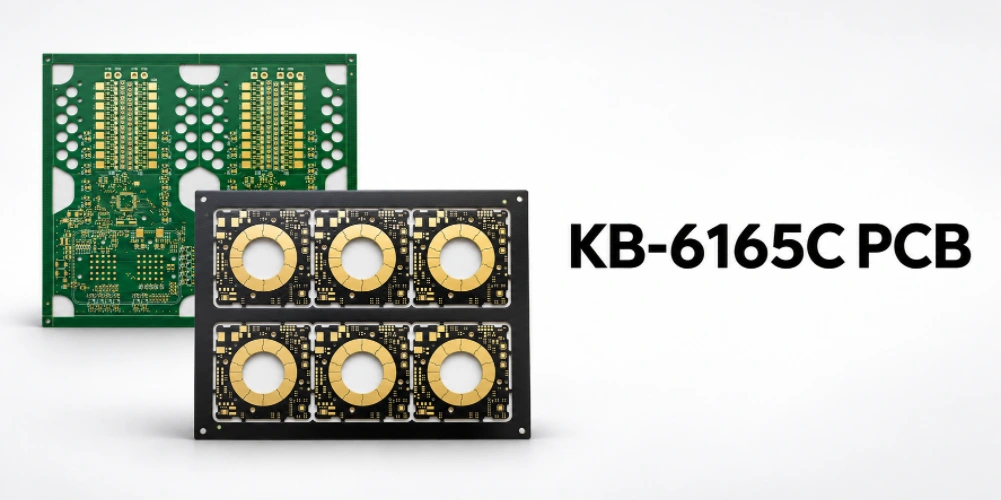
Fabricante de placas de circuito impreso KB-6165C para placas de potencia y control.
HIGHLEAP ELECTRONICS / KB-6165C / PCB DE ALIMENTACIÓN Y CONTROL...

Fabricante chino de placas de circuito impreso de cobre de 14 capas para placas de alta corriente.
COBRE MIXTO DE ALTA CORRIENTE · HIGHLEAP...
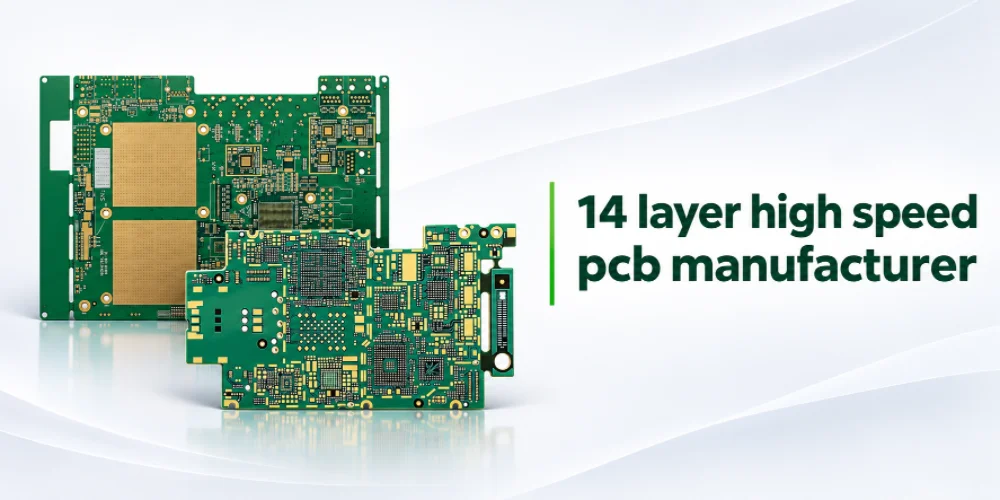
Fabricante chino de PCB de alta velocidad de 14 capas para diseños de baja pérdida.
HIGHLEAP DE ALTA VELOCIDAD / INTEGRIDAD DE SEÑAL...
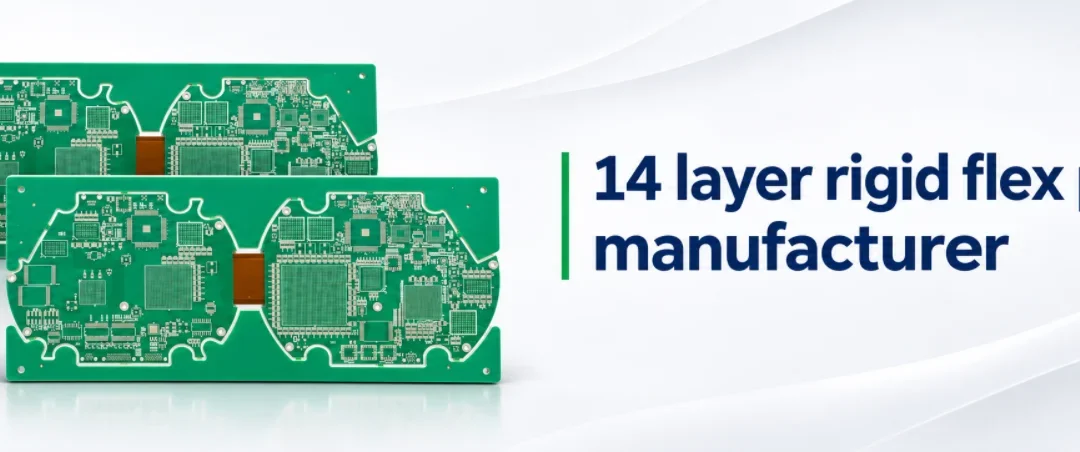
Fabricante chino de placas de circuito impreso rígido-flexibles de 14 capas para la fabricación de productos OEM personalizados.
ZONAS RÍGIDAS + FLEXIBLES · HIGHLEAPHighleap Electronics...
Cómo obtener una cotización para PCB
Realicemos un análisis DFM/DFA y le enviaremos un informe. Puede subir sus archivos de forma segura a través de nuestro sitio web. Necesitamos la siguiente información para poder ofrecerle un presupuesto:
-
- Gerber, ODB++ o .pcb, especificación.
- Lista de materiales si necesita ensamblaje
- Cantidad
- Convertir el tiempo
Además de la fabricación de PCB, ofrecemos una amplia gama de servicios electrónicos, incluyendo diseño de PCB, PCBA y soluciones llave en mano. Ya sea que necesite ayuda con el prototipado, la verificación del diseño, el suministro de componentes o la producción en masa, le brindamos soporte integral para garantizar el éxito de su proyecto.
Para servicios de PCBA, proporcione su lista de materiales (BOM) e instrucciones de montaje específicas. También ofrecemos análisis DFM/DFA para optimizar la fabricación y el montaje de sus diseños, garantizando así un proceso de producción sin problemas.