
Placas de circuito impreso para focos y proyectores LED: motores de luz de alto flujo, registro óptico y controladores.
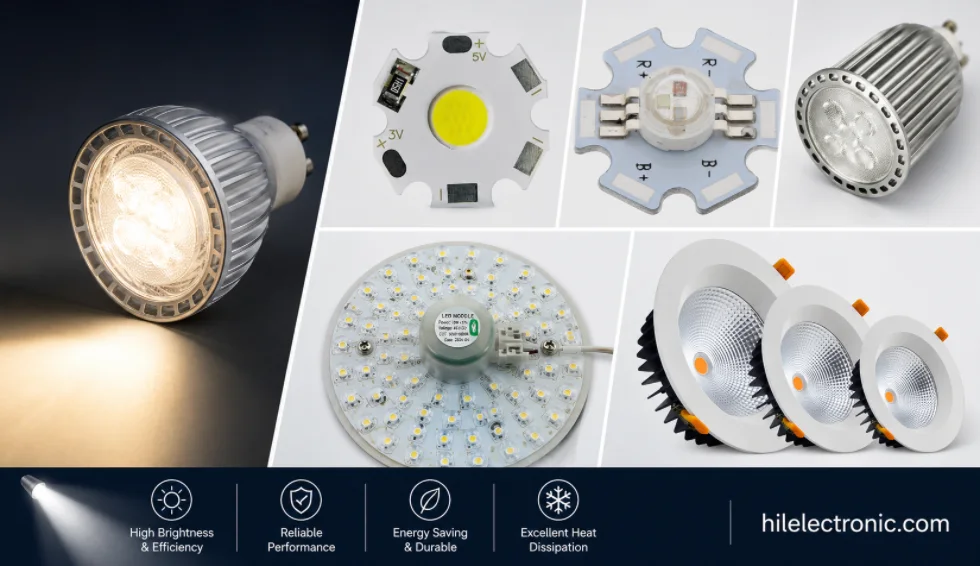
Figura 1. Referencia para la fabricación de PCB de focos LED.
Índice
- Lo que debe ofrecer un panel de proyección o foco
- Motores de luz de alto flujo y registro óptico
- Controladores y atenuadores para focos de alta potencia.
- Las tablas dentro de un foco
- Revestimiento exterior para proyección de fachadas y señalización.
- ¿Por qué una sola fábrica para el motor, la placa preparada para óptica y el controlador?
- Placas de circuito impreso LED para focos y proyectores: preguntas frecuentes
Un proyector o foco tiene una única función: dirigir un haz de luz controlado e intenso exactamente donde se apunta, ya sea iluminando la fachada de un edificio, destacando una valla publicitaria o iluminando una exposición. Esto exige mucha luz de una fuente pequeña y posicionada con precisión, porque cuanto más concentrado y nítido sea el haz, mayor deberá ser la precisión de la superficie emisora de luz con respecto a la óptica. El motor de luz es donde reside esa precisión.
Highleap Electronics es una fábrica interna de fabricación de PCB y ensamblaje completo de PCBA con capacidad total . Los motores de alto flujo con tolerancias de colocación estrictas son precisamente el tipo de trabajo exigente con núcleo metálico y COB en el que nuestras líneas se especializan. Fabricamos el motor, el controlador de alta corriente y cualquier placa de control, y los ensamblamos en un módulo probado. Esta guía cubre la ingeniería de alto flujo y registro óptico que requiere un foco, y cómo realizar un pedido. La categoría más amplia se encuentra en nuestra página del programa de PCB para iluminación .
Respuesta rápida: Un foco o proyector requiere un módulo de luz de alto flujo cuya superficie emisora esté posicionada con precisión para la óptica, además de un controlador de alta corriente para alimentarlo. Highleap Electronics fabrica y ensambla módulos COB y SMD de alta densidad sobre sustratos de cobre o núcleo metálico con estrictas tolerancias de registro óptico, controladores de alta corriente compatibles y resistencia para uso en exteriores, fachadas y señalización, con un pedido mínimo de 1 unidad y presupuesto en 24 horas.
Lo que debe ofrecer un panel de proyección o foco
Los focos y proyectores se diferencian de la iluminación general en un aspecto crucial: el haz de luz debe controlarse. La iluminación general dispersa la luz; un foco la concentra en un ángulo de haz definido y la proyecta a distancia. Esto plantea dos exigencias: un alto flujo luminoso proveniente de una fuente compacta y un posicionamiento preciso de dicha fuente para que el reflector o la lente puedan generar un haz nítido.
Un alto flujo luminoso en un área pequeña implica una alta densidad de potencia y, por lo tanto, una gran generación de calor, lo que requiere un núcleo metálico o de cobre. El posicionamiento preciso exige que el LED —especialmente la superficie emisora de luz de un COB— se ubique en la posición deseada por la óptica, con tolerancias muy ajustadas. Por consiguiente, un motor de foco es a la vez una placa térmica y una placa mecánica de precisión, razón por la cual su fabricación requiere conocimientos especializados.
Motores de luz de alto flujo y registro óptico
Vale la pena examinar detenidamente el motor del foco, ya que dos factores —la densidad de flujo y el registro óptico— determinan si la luminaria proyecta un haz nítido y concentrado o uno difuso e irregular.
Alto flujo luminoso desde una fuente compacta. El control del haz mejora a medida que la fuente se vuelve más pequeña y brillante, razón por la cual los focos prefieren emisores concentrados. La tecnología COB (chip-on-board) integra muchos chips LED en una única superficie emisora de luz pequeña, lo que proporciona a la fuente brillante y compacta una óptica de haz estrecho. Las matrices SMD de alta densidad realizan una función similar en algunas luminarias. En cualquier caso, la placa concentra una gran cantidad de vatios en un área reducida.
- Núcleo de cobre y núcleo metálico de alta conductividad — para alejar rápidamente el calor concentrado y mantener fría la unión COB, a menudo en nuestro núcleo metálico o, para las luminarias más potentes, cable con núcleo de cobre.
- Cobre grueso para corriente — los motores de alto flujo consumen mucha corriente, por lo que cobre pesado El enrutamiento lo transporta sin pérdidas ni calentamiento.
- Interfaz térmica con el disipador de calor — el motor está diseñado para que su trayectoria del calor La resistencia al disipador de calor de la luminaria es corta y baja, porque un COB caliente pierde potencia y cambia de color exactamente donde el haz lo concentra.
Registro óptico: la precisión que define el haz. Esta es la parte que la iluminación general no suele considerar. Un reflector o lente de haz estrecho forma su haz a partir de la luz que sale de la fuente, asumiendo que esta se encuentra en una posición exacta. Si el LED o COB se encuentra ligeramente desviado (lateralmente, rotacionalmente o en altura), el haz se degrada: se dispersa, desarrolla puntos calientes o proyecta un patrón irregular. Por lo tanto, la placa debe colocar el emisor con precisión y proporcionar a la óptica un punto de referencia para el registro.
- Tolerancia de colocación ajustada — El proceso de ensamblaje posiciona la matriz COB o LED con la tolerancia precisa que exige la óptica, mucho más estricta que la que necesita un proyector o un panel de luz.
- Características de registro — localizar orificios, marcas de referencia o referencias mecánicas en la placa para que la óptica secundaria se asiente en alineación exacta con la superficie emisora de luz en todo momento.
- Control de superficies emisoras de luz — El área de emisión del COB se ajusta al diseño de la óptica para que el haz salga según lo especificado.
- repetibilidad — En una misma tanda de producción, cada placa coloca la fuente de luz de forma idéntica, por lo que cada luminaria proyecta el mismo haz; una colocación inconsistente implica que cada foco apuntará de forma ligeramente diferente.
Lograr la densidad de flujo y el registro óptico adecuados es fundamental para el diseño de motores de focos, y requiere tanto trabajo de ensamblaje como de diseño. Construir el motor y adaptarlo a la óptica y al controlador en una misma instalación es clave para que la precisión de posicionamiento, la trayectoria térmica y la corriente de excitación se alineen y produzcan el haz limpio y repetible que caracteriza a un proyector.
Controladores y atenuadores para focos de alta potencia.
Un motor de alto flujo necesita un controlador que pueda alimentarlo de forma limpia. Fabricamos placas controladoras para focos de alta potencia con la capacidad de corriente y el control que estos dispositivos necesitan:
- Corriente constante alta — Suministrando la considerable corriente que consume un COB o un conjunto denso, con una regulación precisa para una salida estable.
- Atenuación y efectos — Control de 0-10 V, DALI o DMX para proyección arquitectónica y de entretenimiento, incluyendo transiciones suaves.
- Opciones de color y ajuste — donde la luminaria cambia de color o temperatura, control coordinado de los canales.
- espacio libre térmico — El controlador está diseñado para funcionar a baja temperatura junto con un motor caliente, ya que ambos comparten el mismo soporte.
Integrado con el motor, el circuito de control ajusta la corriente al emisor exacto y la atenuación mantiene el color constante en todo el rango.
Las tablas dentro de un foco
Un dispositivo de proyección, especialmente uno arquitectónico o de señalización, es un producto con múltiples paneles, y nosotros construimos el conjunto:
- Motor ligero de alto flujo — el COB o SMD denso núcleo metálico placa con registro óptico.
- Controlador de alta corriente - El conductor alimentando el motor, a menudo con control DMX/DALI.
- Tablero de control de color/efectos — para proyección de letreros y fachadas que cambian de color.
- Sobretensión y protección — para elementos de fachadas exteriores y vallas publicitarias expuestos a la red eléctrica y a la intemperie.
Integrar todos estos componentes significa que el motor, la óptica, el controlador y el control están diseñados como un único sistema de formación de haces.
Revestimiento exterior para proyección de fachadas y señalización.
La mayoría de las proyecciones de iluminación apuntan a edificios y vallas publicitarias desde el exterior, por lo que estas reciben un tratamiento especial: recubrimientos protectores contra la humedad, protección contra sobretensiones para las luminarias conectadas a la red eléctrica y un diseño térmico que resiste la luz solar directa del verano, además del calor propio del motor. Para las luminarias de fachada que iluminan grandes superficies, también fabricamos motores de iluminación específicos y ajustamos el nivel de protección según el montaje y el clima durante la revisión del diseño para la fabricación (DFM).
¿Por qué una sola fábrica para el motor, la placa preparada para óptica y el controlador?
Un foco se evalúa por su haz de luz, y este depende de que el emisor esté colocado con precisión, correctamente refrigerado y alimentado de forma limpia; tres factores que deben coincidir. Cuando la colocación, el diseño térmico y la corriente de alimentación provienen de proveedores diferentes, el haz se ve afectado y nadie es responsable del resultado. Cuando un solo fabricante coloca el emisor con la tolerancia adecuada, diseña la trayectoria del calor y selecciona el controlador correcto, la luminaria proyecta el haz de luz limpio y repetible para el que fue diseñada.
Highleap Electronics fabrica el motor de alto flujo con registro óptico, el controlador de alta corriente y la placa de control en un solo paquete, con un pedido mínimo de 1 unidad, para que pueda probar el haz antes de la producción en masa. Envíe el flujo luminoso, el ángulo del haz y la óptica que necesita a nuestro equipo de ensamblaje de placas de circuito impreso LED para obtener un presupuesto en 24 horas.
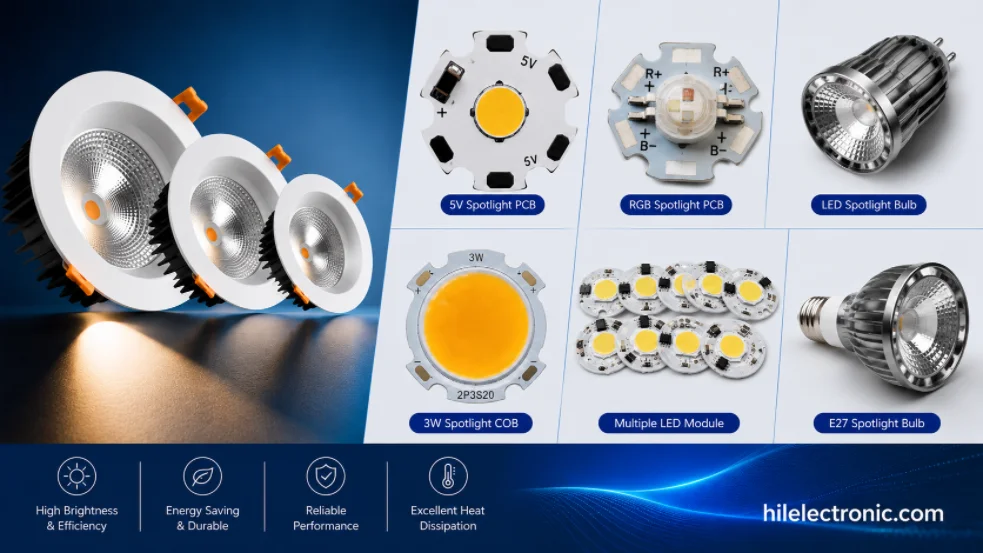
Figura 2. Detalle de producción y ensamblaje de la placa de circuito impreso (PCB) del foco LED.
Placas de circuito impreso LED para focos y proyectores: preguntas frecuentes
¿Por qué la ubicación de los LED es tan importante para un foco, pero no para una luz de panel?
Debido a que la óptica de un foco crea un haz concentrado y presupone que la superficie emisora de luz está en una posición exacta, si el COB o la matriz de LED se encuentran ligeramente desalineados (lateralmente, rotacionalmente o en altura), el haz se dispersa, genera puntos calientes o se dirige de forma irregular. Una luz de panel simplemente dispersa la luz sin importarle esta desalineación. Por ello, los módulos de los focos se ensamblan con tolerancias de posicionamiento muy estrictas, con elementos de registro (marcas de referencia, orificios de localización) para que la óptica se asiente con precisión en cada ocasión y cada placa de la serie coloque la fuente de luz de forma idéntica.
¿Es posible construir motores COB de alto flujo y mantenerlos refrigerados?
Sí. Los focos de alto flujo concentran muchos vatios en un área pequeña, por lo que fabricamos módulos COB y SMD de alta densidad sobre sustratos de núcleo metálico o de cobre de alta conductividad con cobre grueso para la corriente, y diseñamos una ruta de calor corta y de baja resistencia hacia el disipador de calor de la luminaria. Mantener fría la unión COB es crucial aquí más que en casi cualquier otro lugar, ya que un emisor caliente pierde potencia y cambia de color justo donde el haz se concentra.
¿También desarrollas el controlador y el control de color, además del motor?
Sí. Fabricamos el controlador de alta corriente que alimenta un motor de alto flujo, con control de 0-10 V, DALI o DMX para proyección arquitectónica y de entretenimiento, además de placas de control de color/efectos para luminarias de fachada y señalización con cambio de color. Integrado con el motor, la corriente del controlador se ajusta al emisor exacto y la atenuación mantiene el color constante en todo el rango.
¿Se pueden utilizar estas luminarias en exteriores, en fachadas y vallas publicitarias?
Sí. La mayoría de las luminarias de proyección son para exteriores, por lo que añadimos un revestimiento protector contra la humedad, protección contra sobretensiones para las luminarias conectadas a la red eléctrica y un diseño térmico que soporta la luz solar directa, además del calor del motor. Adaptamos el nivel de protección al montaje y al clima durante la revisión DFM, y fabricamos motores de proyectores específicos para las luminarias de iluminación de fachadas.

Mensajes recomendados
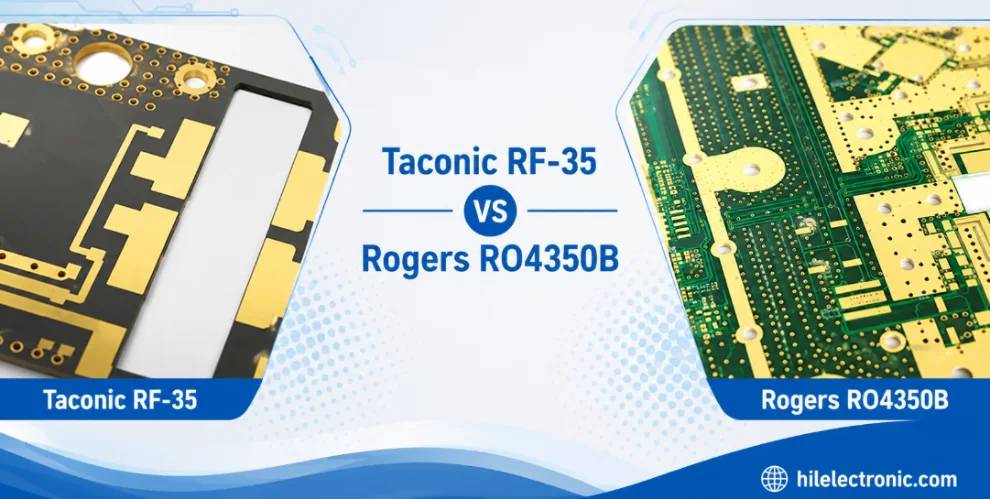
Placa de circuito impreso Taconic RF 35 vs RO4350B
Tabla de contenido RF-35 vs RO4350B Adquisición y...
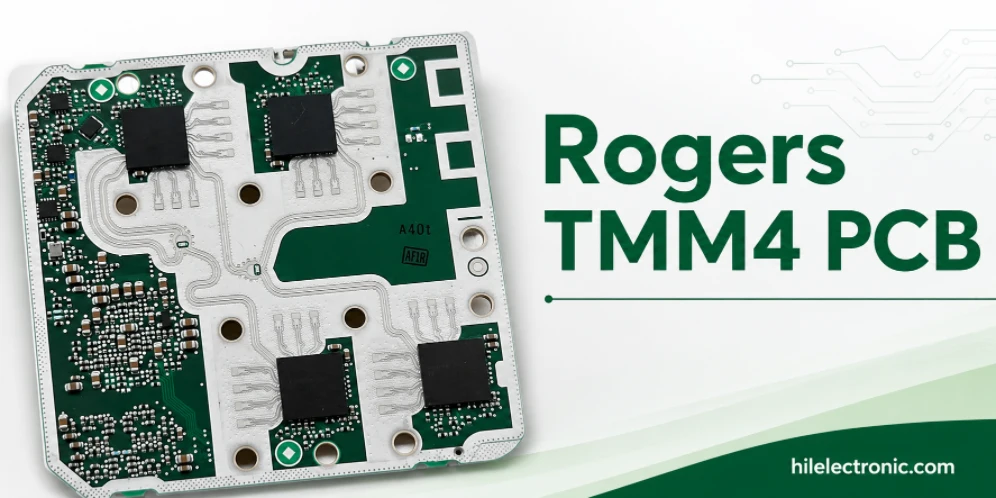
Fabricación de PCB con filtro TMM4
La fabricación de la placa de circuito impreso del filtro TMM4 está controlada por...
Fabricación de PCB TMM3 para módulos de RF
La fabricación de PCB TMM3 es más útil donde el módulo de RF...
Fabricación de PCB TMM6
La fabricación de TMM6 es la página de control de procesos para un sistema de fabricación de mediados de siglo...
Cómo obtener una cotización para PCB
Realizaremos un análisis DFM/DFA y le enviaremos un informe. Puede subir sus archivos de forma segura a través de nuestro sitio web. Para poder ofrecerle un presupuesto, necesitamos la siguiente información:
-
- Gerber, ODB++ o .pcb, especificación.
- Lista de materiales si necesita ensamblaje
- Cantidad
- Convertir el tiempo
Para servicios de PCBA, proporcione su lista de materiales (BOM) e instrucciones de montaje específicas. También ofrecemos análisis DFM/DFA para optimizar la fabricación y el montaje de sus diseños, garantizando así un proceso de producción sin problemas.