
Power Electronics PCB Assembly for High-Current and Power Conversion Systems
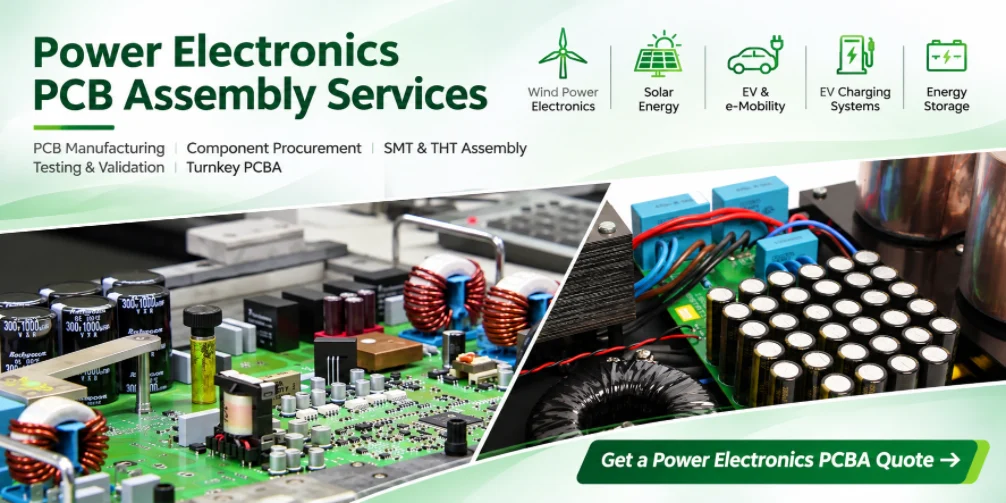
Highleap Electronics provides Power Electronics PCB Assembly for OEMs sourcing complete power-conversion circuit boards, from custom PCB fabrication and component procurement to SMT/THT assembly, inspection, programming and project-specific functional testing. We support OEM manufacturing inquiries for wind power converter controls, solar and battery energy storage electronics, EV charging equipment, industrial motor drives, power supplies and other power-conversion products. Each board is reviewed against its own electrical, mechanical, assembly and test requirements. The deliverable can be a tested PCBA or a broader electromechanical assembly when fixtures, connectors, enclosures and acceptance criteria are defined.
For a power-electronics purchasing team, the deciding issue is rarely the number of components. It is whether the same supplier can coordinate heavy-copper boards, fine-pitch control circuits, power semiconductors, large magnetic components, heat-sink interfaces, high-voltage spacing and a test sequence that does not expose unfinished boards or operators to uncontrolled energy. Highleap’s power electronics manufacturing capability brings these topics into a single PCB and PCBA quotation discussion.
Power Electronics PCB Assemblies and Related Products We Can Quote
Power Electronics PCB Assembly covers a family of board-level manufacturing requirements, not one standard board design. To obtain a meaningful quotation, identify the equipment family and the precise PCBAs being outsourced. The following list reflects the adjacent products typically bundled in power-conversion OEM sourcing programs; availability of any particular high-energy assembly or system integration operation is reviewed against the design.
| OEM equipment family | PCBAs commonly sourced together | What changes the manufacturing plan |
|---|---|---|
| Wind energy and turbine converters | Wind turbine power converter control boards, pitch-control PCBAs, yaw-drive controls, gate-driver boards, current/voltage sensing and communications boards | Power-stage isolation, rugged connectors, vibration exposure and long-term service revisions |
| Energía solar fotovoltaica y almacenamiento de energía | Solar inverter control PCBAs, MPPT controller boards, battery energy storage PCS control boards, bidirectional DC/DC controls and monitoring electronics | Mixed high-voltage and low-voltage zones, sensing accuracy and interface configuration |
| EV charging and electrification | AC EVSE controller boards, DC fast charger power-module controls, charging station auxiliary power, on-board charger controls and automotive DC/DC controller PCBAs | Connector/current ratings, insulation, thermal interfaces and firmware-controlled outputs |
| Industrial conversion and motion | Variable frequency drive PCBAs, servo motor drive controls, rectifier and PFC boards, industrial SMPS, UPS controls and power-distribution electronics | Through-hole magnetics, current paths, switching noise, thermal cycling and production test fixtures |
| Energía de infraestructura | Telecom rectifier controls, data-center PSU monitoring boards, DC power distribution and high-efficiency power-module interfaces | Density, hot-swap contacts, remote monitoring and coordinated board-level diagnostics |
A wind turbine pitch-control PCBA and a DC fast charger control PCBA may both need power devices and protective circuitry, but they should not share a generic acceptance plan. For each family, send the actual board list, electrical drawings, interfaces and test boundaries. Highleap can quote the complete PCB/PCBA package or selected boards within the system.
PCB Fabrication Choices for High Current, Heat and Isolation
Current carrying capacity, temperature rise and electrical spacing must be engineered at the board level before assembly tooling is released. A heavy copper layer is a possible solution for a defined current path, not a universal substitute for busbars, power modules or thermal interfaces. The allowable geometry depends on conductor width, layer position, copper weight, airflow, acceptable temperature rise and the OEM’s safety design.
Heavy copper and mixed power/control stack-ups
Highleap fabrica heavy copper PCBs for power circuits as well as standard and multilayer boards. For the same product, one thick-copper power distribution PCB may sit beside a finer-pitch DSP or MCU control board. We review copper balance, finished board thickness, plated holes, clearance at etched features and practical soldering access. Heavy copper can affect etching geometry, pad thermal mass, solder-joint heating and panel yield; specify the target copper weights and tolerances rather than only the phrase “high-current PCB.”
Where power stages require enhanced heat transfer, an aluminum or other metal-core approach may be assessed against conventional FR-4, ceramic or mechanical heat-sinking. The correct metal-core PCBA process includes a review of soldering profiles, mechanical flatness and the intended thermal interface—not merely a different substrate in the BOM.
Insulation zones and assembly geometry
Review the actual working and transient voltages, pollution degree, overvoltage category, insulating materials and end-product standards when defining creepage and clearance. Protective slots and keep-out regions must be represented consistently in the fabrication drawing and assembly data. High-voltage power electronics PCB assembly may also need special handling of exposed copper, connectors, mounting hardware, isolation barriers and conformal-coating exclusions. Assembly does not independently certify the end product for electrical safety.
Un útil PCB fabrication and stack-up review also reconciles layer registration, controlled impedance for fast control signals, via structures and the thermal expansion relationship between materials. Final stack-up approval belongs to the OEM’s design authority.
From Power Semiconductor Placement to Mixed SMT/THT Assembly
A professional power electronics PCBA line must manage two very different manufacturing populations: fine-pitch control components and high-thermal-mass power hardware. Control sections often use QFN controllers, gate-driver ICs, optocouplers or digital isolators, current sensors, MCUs and protection circuits. Other sections may contain film capacitors, inductors, relays, transformers, terminal blocks, high-current connectors and bolted assemblies.
Before a build, our DFM and assembly engineering review examines pad patterns, stencil requirements, bottom-terminated packages, insertion clearances, polarity markings, heat sinks and test access. Power-device packages may need solder void criteria, controlled mounting torque and a defined thermal interface. Those conditions are specified by the customer drawing and component manufacturer; they cannot be inferred from package appearance.
Highleap mixed SMT and through-hole PCB assembly services can coordinate placement, insertion, inspection and rework as one route. If an OEM needs power-module mounting, busbar connection, potting or full unit assembly, include the mechanical drawings and request a specific manufacturability assessment rather than assuming those operations are standard for every PCBA order.
Power semiconductor selection can also create supply-chain exposure. SiC MOSFET drivers, IGBTs, digital isolators, isolated supplies, high-voltage capacitors and magnetic components may have restricted approved sources or lengthy qualification cycles. Through Suministro de componentes llave en mano, purchasing can be coordinated with the released BOM, but critical substitutions should be proposed for written OEM approval before procurement.
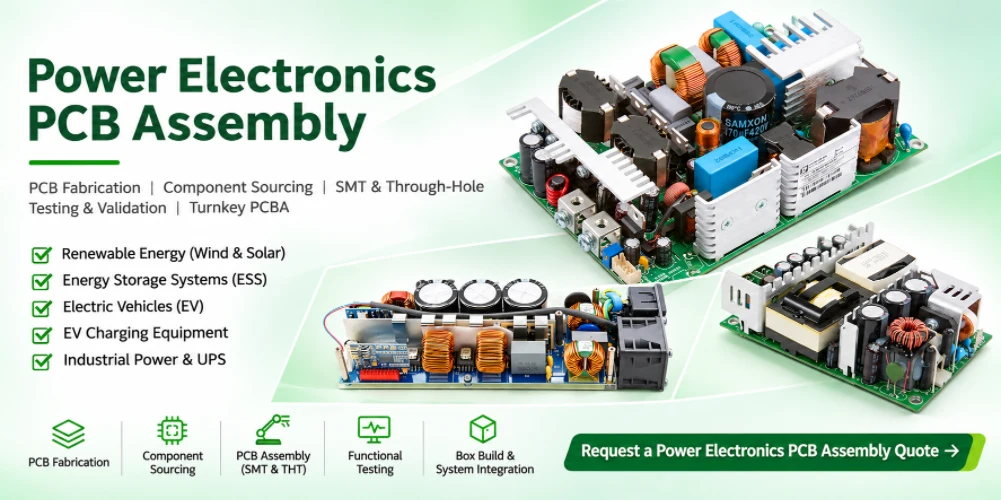
Power Semiconductor PCBA Manufacturing for MOSFET, IGBT, SiC and GaN Designs
Power semiconductor assembly requires the package, PCB land pattern, thermal path and electrical test method to be considered as one manufacturing package. MOSFET, IGBT, SiC and GaN devices may be supplied in different leaded or surface-mount packages, and the appropriate soldering and inspection route depends on the device manufacturer’s recommendations and the OEM’s released process specification. A device family name alone is not enough to define an assembly profile.
For a gate-driver or power-switching board, the engineering review should identify gate-driver ICs, isolated power supplies, digital isolators, current and voltage sensors, DC-link capacitors, snubbers, protection components and the power-device connection method. Particular attention should be given to polarity, package orientation, solder-joint access, thermal-pad design, copper balance and the mechanical support of large components. If the design uses screw terminals, press-fit contacts, busbars or bolted power modules, provide the relevant drawings and torque or inspection requirements.
For bottom-terminated power packages, the OEM should define the acceptable solder-void criteria and the inspection method. X-ray can help inspect hidden solder connections, but the acceptance limits must be tied to the package, application and customer workmanship requirements. Thermal interface material, heatsink flatness, mounting pressure and insulation pads should be specified separately when they form part of the supplied assembly.
Manufacturing information needed for high-current and high-voltage boards
- Power-device manufacturer part numbers, package drawings and approved soldering recommendations.
- PCB copper weights, finished thickness, stack-up, plated-hole requirements and controlled fabrication tolerances.
- Working voltage, transient conditions, current paths, isolation boundaries and the OEM’s approved creepage and clearance design.
- Heatsink, thermal pad, busbar, terminal and mechanical mounting drawings where applicable.
- Defined inspection criteria, safe test limits, representative loads and any required calibration or traceability records.
These details help distinguish a standard populated control board from a power assembly requiring additional mechanical operations, dedicated fixtures or controlled electrical testing. They also allow the quotation to separate recurring assembly cost from tooling, programming and any optional integration work.
Functional Tests That Matter Before Power PCBAs Ship
AOI, X-ray and continuity checks verify different parts of assembly quality; none alone demonstrates safe switching behavior under the intended electrical conditions. For a converter-control board, the production plan should identify what can be tested without energizing the full power stage and what requires an approved high-energy fixture or system-level integration.
A practical gate-by-gate release plan
- Pre-power verification: visual inspection, polarity, solder quality, insulation/short checks where specified, power-rail resistance and programming readiness.
- Encendido controlado: approved supply limits, start-up sequence, regulated low-voltage rails and protection status.
- Control and sensing: PWM or driver-enable behavior, feedback measurement, sensor calibration and fault-input response under a defined safe test configuration.
- Output and interface checks: relays, fans, communications, contactors or representative loads as specified by the OEM.
- Registros de configuración: hardware revision, firmware image, calibration parameters, fixture revision and pass/fail outcomes tied to unit or lot identifiers as required.
Highleap ofrece Pruebas funcionales de PCBA definidas por el cliente. Test fixtures, software, applied voltage and load, measurement tolerances, calibration requirements, sampling and reporting need agreement before production. Full-power burn-in, grid connection, surge, EMC, hi-pot and safety-certification tests are separate scopes unless expressly included in an approved test plan.
One-Stop Manufacturing for Power PCBAs, Not Fragmented Work Orders
For power-conversion OEMs, the practical advantage of turnkey PCB manufacturing and assembly is a shared release between PCB shop, purchasing, assembly and testing. One project may contain six interdependent boards with different copper weights, connector styles and firmware versions. If they are quoted separately without a system-level revision list, the customer can receive individually acceptable boards that do not match each other.
We recommend releasing a board-family matrix with part numbers, assembly revisions, approved BOM, firmware identity, test instructions and the planned delivery grouping. Full turnkey, partial turnkey and consigned-part sourcing can be evaluated. The quote should separate PCB fabrication, purchased components, SMT/THT, fixtures, programming, testing, optional protective finishing and final integration.
For outdoor energy infrastructure or harsh industrial enclosures, ask whether selective coating, potting or controlled enclosure assembly is relevant, then define the masking, curing, thermal and service requirements. These operations should protect field interfaces without compromising cooling paths or maintainability.
Request a Power Electronics PCB Assembly Quote from Highleap
To quote wind power, solar energy storage, EV charger or industrial power PCBAs accurately, send production files together with the electrical and test boundaries. The fastest engineering evaluation begins with a clearly released package, not a statement that the board is “high power.”
- Datos de PCB: Gerber/ODB++ or equivalent, drill data, stack-up, copper weights, laminate/finish, finished thickness, slot and insulation requirements.
- Datos de ensamblaje: BOM with manufacturer part numbers, approved alternates, placement data, assembly drawings, polarity and large-component mounting instructions.
- Información de potencia: nominal/maximum input, transient and working voltages, critical currents, isolation zones and expected thermal environment.
- Test and delivery: safe test supply/load requirements, firmware, calibration, inspection criteria, target quantity, annual forecast, panel or unit-level traceability and any box-build scope.
Highleap can assess the combined PCB fabrication, component sourcing, assembly and testing requirements and identify any engineering or third-party qualification steps that need separate approval. For a multi-board converter, attach the system board list so the quotation includes the components that are actually intended to ship together.
Procurement Questions That Change the Cost of a Power PCBA
Can the factory produce both the control and power interface boards? In many programs, yes, subject to engineering approval of both constructions. A power PCB with thick copper and a fine-pitch MCU controller may need different panel sizes, fabrication tolerances and soldering profiles. Ask for the two boards on the same system RFQ and request separate line-item prices if that helps compare suppliers.
Can one quote include MOSFET or IGBT gate-driver PCB assembly, current sensing and communication boards? A coordinated board-family quotation can include these PCBAs. Distinguish low-voltage functional checks from system-level power-stage testing: an assembler can verify that a driver channel behaves correctly in a controlled fixture without claiming to have qualified the complete converter at rated power.
What about SiC and GaN power electronics PCB assembly? These designs can impose tighter requirements for gate-loop geometry, parasitic inductance, thermal contact and component handling. The customer must specify package, heat-sinking, measurement and approved solder profile; a design’s switching speed is not, by itself, proof that a generic manufacturing profile is suitable. Highleap can review the actual PCB and PCBA build package before quoting.
Manufacturing inquiry: power conversion and high-current PCBA
Submit your wind turbine controller, solar/ESS converter, EV charging station, industrial drive or power-supply board files. We will review the applicable bare-board, sourcing, mixed assembly and test scope for a project-specific offer.
Project note: final capabilities, electrical test limits, safety/EMC qualification, certification responsibilities, lead time and commercial terms require agreement against the released design. Highleap fabricates and assembles electronic boards; this article does not claim certification of the finished wind, solar, charging or industrial power equipment.

Mensajes recomendados
Proceso de fabricación y verificación de la placa de circuito impreso I-Tera MT40
Highleap Electronics proporciona la PCB Isola I-Tera MT40...
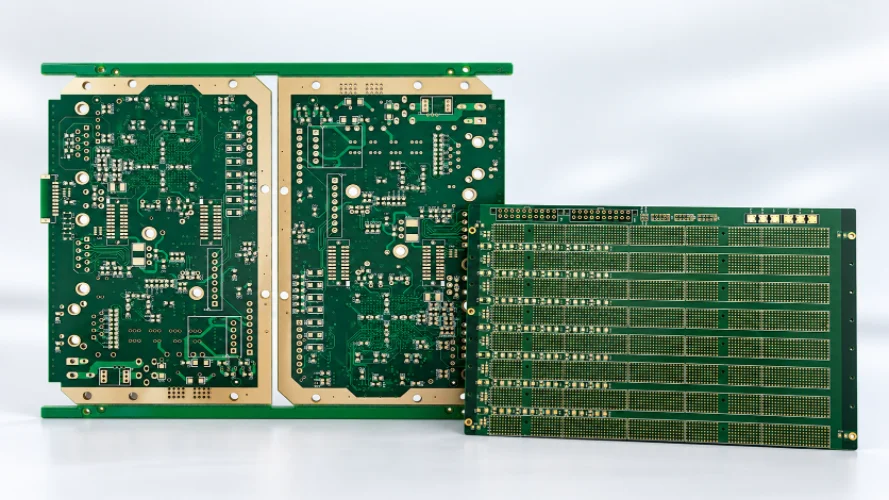
Lista de verificación de calificación de proveedores de PCB I-Tera MT40
Highleap Electronics fabrica placas de circuitos impresos...
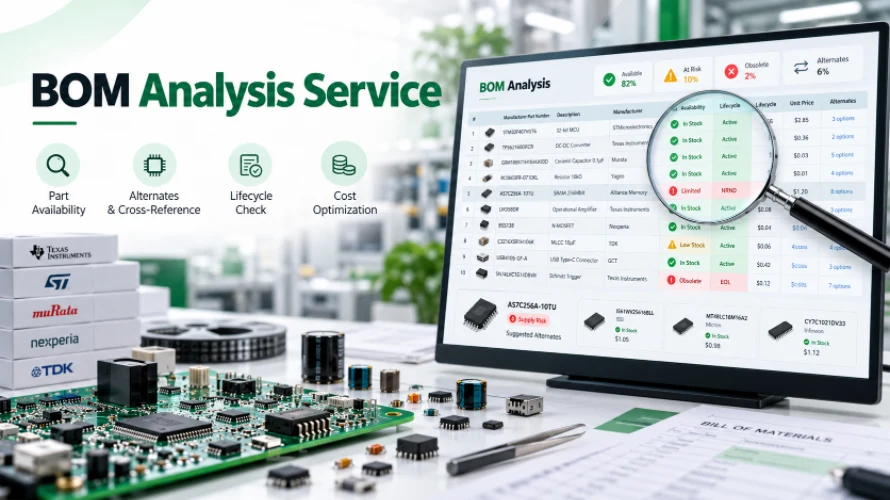
Ensamblaje de PCB con servicio gratuito de análisis de lista de materiales (BOM).
¿Necesitas un servicio gratuito de análisis de la lista de materiales antes de decidirte por la placa de circuito impreso?
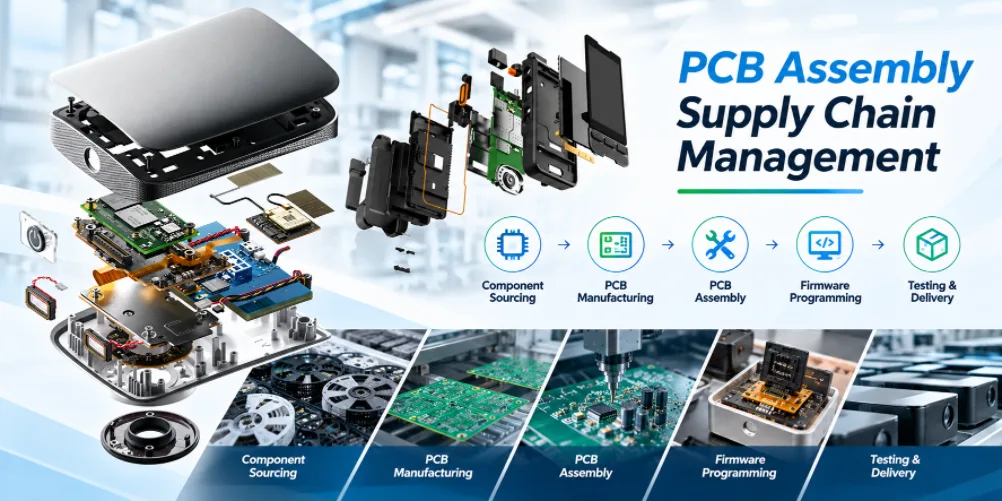
Gestión de la cadena de suministro de ensamblaje de PCB
Highleap Electronics ofrece soporte a la cadena de suministro de ensamblaje de PCB...
Cómo obtener una cotización para PCB
Realicemos un análisis DFM/DFA y le enviaremos un informe. Puede subir sus archivos de forma segura a través de nuestro sitio web. Necesitamos la siguiente información para poder ofrecerle un presupuesto:
-
- Gerber, ODB++ o .pcb, especificación.
- Lista de materiales si necesita ensamblaje
- Cantidad
- Convertir el tiempo
Además de la fabricación de PCB, ofrecemos una amplia gama de servicios electrónicos, incluyendo diseño de PCB, PCBA y soluciones llave en mano. Ya sea que necesite ayuda con el prototipado, la verificación del diseño, el suministro de componentes o la producción en masa, le brindamos soporte integral para garantizar el éxito de su proyecto.
Para servicios de PCBA, proporcione su lista de materiales (BOM) e instrucciones de montaje específicas. También ofrecemos análisis DFM/DFA para optimizar la fabricación y el montaje de sus diseños, garantizando así un proceso de producción sin problemas.