
Fabricación de PCB y PCBA de cliente cero para puntos finales de acceso remoto dedicados
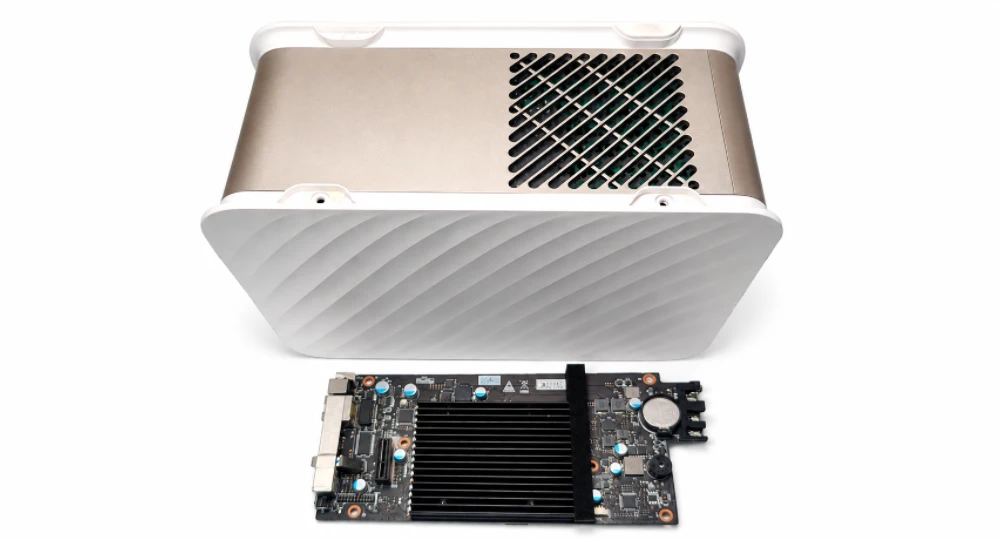
Tabla de contenidos.
- Defina el hardware, el firmware y los límites de aprovisionamiento del cliente cero.
- Control de PCB y PCBA para interfaces de red, pantalla y USB
- Firmware, identidad y datos de aprovisionamiento en la fábrica
- Abastecimiento de componentes para hardware de punto final sensible a la plataforma
- Pruebas funcionales y trazabilidad para puntos finales de acceso remoto dedicados
- NPI y control de costos para PCBA de cliente cero aprovisionados
- Fabricación transfronteriza de hardware dedicado para terminales VDI
- Prepare un paquete de fabricación de PCB/PCBA de cliente cero
Un cliente cero es un dispositivo de acceso remoto dedicado en el que se minimizan las funciones informáticas locales y el dispositivo está estrechamente integrado a un entorno de escritorio o estación de trabajo remota. Las implementaciones comerciales varían: algunas utilizan un almacenamiento local muy limitado y carecen de un sistema operativo local de propósito general, mientras que otras dependen de firmware integrado y software de plataforma específico para cada protocolo. Esta variabilidad hace que la definición de hardware/firmware publicada sea fundamental para la fabricación.
Highleap Electronics ofrece soporte para dispositivos electrónicos de cliente cero propiedad del cliente, desde la fabricación y el ensamblaje de PCB hasta el abastecimiento aprobado, la programación, la serialización y las pruebas funcionales definidas por el cliente, siempre que se proporcionen los datos de producción necesarios. Highleap fabrica el hardware del punto final; la arquitectura de acceso remoto, la política de credenciales, las licencias de protocolo y el diseño de ciberseguridad del cliente quedan fuera del alcance de la fabricación estándar de PCB/PCBA.
La placa en sí puede ser compacta, pero la fiabilidad de la red, la salida de vídeo, la conectividad USB/periféricos y la precisión del aprovisionamiento pueden ser más importantes que la expansión de la capacidad de procesamiento local. Los controles de producción deben reflejar estos riesgos específicos de cada dispositivo.
1. Definir el hardware, el firmware y los límites de aprovisionamiento del cliente cero.
Un paquete de cliente cero listo para producción requiere más que archivos Gerber, listas de materiales (BOM) y listas de compatibilidad de cliente (CPL). La fábrica debe saber qué firmware o imagen integrada corresponde a la revisión del hardware, si se programan identificadores específicos del dispositivo, cómo se verifica la correcta programación y qué datos confidenciales, si los hay, se manejan durante la producción.
Dependencias de compilación
El cliente también debe definir el límite entre las pruebas de fábrica y la validación de la implementación. Highleap puede verificar el hardware fabricado según un procedimiento local aprobado, pero la autenticación en un entorno VDI/DaaS de producción o la validación final de la política pueden requerir infraestructura controlada por el cliente.
Mantener las afirmaciones de seguridad del punto final dentro del alcance
La trazabilidad de la fabricación, la programación controlada y la gestión de identificadores pueden contribuir a un proceso de producción seguro, pero por sí solas no garantizan la ciberseguridad del cliente cero finalizado ni del entorno de escritorio remoto.
2. Control de PCB y PCBA para interfaces de red, pantalla y USB
La conectividad de red es fundamental para un punto final de acceso remoto, por lo que los circuitos Ethernet, los componentes magnéticos, los conectores, los relojes, el filtrado de energía y el enrutamiento de alta velocidad asociado deben fabricarse conforme al diseño aprobado. Si se utiliza Wi-Fi u otro módulo de radio, su módulo, conector de antena y requisitos de exclusión deben controlarse como parte del paquete de hardware aprobado.
Restricciones físicas
Las interfaces de pantalla, USB, audio y alimentación generan requisitos mecánicos y de ensamblaje adicionales. Los recursos de ensamblaje de PCB de comunicación de Highleap constituyen un puente de fabricación relevante para productos que combinan conectividad de red con múltiples interfaces externas. Durante el montaje piloto, se debe verificar el número de pieza del conector, la altura de montaje y la referencia de la carcasa.
Control de fabricación
Si la placa contiene redes de impedancia controlada, los requisitos de apilamiento e impedancia deben especificarse claramente. No se debe aceptar un cambio de material o dieléctrico simplemente porque la placa aún supere la prueba básica de continuidad.
3. Firmware, identidad y datos de aprovisionamiento en la fábrica
La programación debe tratarse como una operación de producción controlada. El responsable debe identificar la imagen aprobada, la revisión del hardware, el método de programación, el resultado de la verificación y la regla de retrabajo. Si el cliente requiere direcciones MAC, números de serie, certificados u otros datos únicos, el proceso debe evitar la duplicación y mantener un registro de los identificadores utilizados.
Línea base de la arquitectura
El aprovisionamiento de datos sensibles a la seguridad requiere una transferencia acordada. El cliente debe definir quién suministra los datos, quién puede acceder a ellos, cómo se gestionan las unidades defectuosas o desechadas, cómo se emiten los identificadores de reemplazo y qué registro de producción se devuelve. Highleap puede ejecutar los pasos aprobados por el cliente, pero no debe asumirse que crea o gestiona la infraestructura de credenciales del cliente.
Dependencias de compilación
| Control de aprovisionamiento | Requisito de fábrica |
|---|---|
| Coincidencia de hardware/firmware | Imagen aprobada asignada a la revisión exacta de PCB/PCBA. |
| Identificadores únicos | Fuente controlada, prevención de duplicaciones y gestión clara de las unidades defectuosas. |
| Verificación de programación | Confirmación definida mediante lectura, suma de verificación, versión u otra confirmación aprobada por el cliente. |
| Manejo de retrabajo | Normas que determinan si los datos pueden reutilizarse, reemitirse o deben eliminarse. |
| Registro de producción | Los campos de trazabilidad acordados se devuelven con la compilación cuando es necesario. |
La compatibilidad con el protocolo o el intermediario debe permanecer vinculada a la plataforma del cliente.
Los dispositivos de acceso remoto pueden diseñarse en torno a diferentes ecosistemas de software y protocolos. El ensamblador de PCB no debe dar por sentada la compatibilidad basándose únicamente en la expresión "cliente cero". La selección del procesador/SoC, el firmware, las capacidades de visualización, la redirección USB, el hardware de autenticación y el comportamiento de la red dependen del diseño de plataforma aprobado por el cliente.
En la fabricación, lo correcto es preservar la combinación validada. Cualquier cambio propuesto en un circuito integrado, dispositivo flash o componente de seguridad sensible a la plataforma debe devolverse al cliente para su revisión antes de incorporarse a un lote de producción.
Highleap Electronics • Fabricación de PCB y ensamblaje de PCBA
Solicite una revisión de la fabricación de PCB de cliente cero.
Envíe sus archivos Gerber u ODB++, la lista de materiales (BOM), los datos de ensamblaje y la cantidad. Highleap revisará la fabricación de la placa de circuito impreso, el abastecimiento, el ensamblaje, la programación y el alcance de las pruebas para garantizar un montaje controlado.
Solicitar presupuesto para PCB y PCBA → Analizar requisitos de fabricación →
✓ Revisión DFM y DFA ✓ Prototipo para producción en serie ✓ Fabricación y ensamblaje de PCB
4. Abastecimiento de componentes para hardware de punto final sensible a la plataforma
Las listas de materiales (BOM) de los clientes cero pueden contener componentes estrechamente vinculados al firmware del dispositivo o a la pila de protocolos de acceso remoto. El procesador/SoC, los dispositivos de red, la memoria flash, los relojes, los dispositivos de seguridad (cuando se utilicen) y los controladores de interfaz no deben reemplazarse únicamente porque otra pieza parezca eléctricamente similar.
Integridad de la lista de materiales
Highleap puede gestionar el abastecimiento de componentes mediante una lista de proveedores verificada (AVL) y un proceso de sustitución controlado por el cliente. Bloquee los números de pieza del fabricante (MPN) críticos cuando la relación hardware/firmware lo requiera y clasifique las piezas de menor riesgo con reglas alternativas documentadas. Esto proporciona flexibilidad en las compras sin que la escasez derive en un rediseño de la plataforma sin revisión.
La mecánica de los conectores sigue siendo importante en un punto final definido por software.
SKU / Riesgo del ciclo de vida
Aunque la mayor parte de la experiencia del usuario provenga de una sesión remota, el producto físico sigue dependiendo de conectores Ethernet, de pantalla, USB y de alimentación que se utilizan repetidamente. Un conector puede cumplir con el esquema eléctrico, pero fallar si su altura, las pestañas de la carcasa o la geometría de montaje no coinciden con la carcasa. Por lo tanto, la producción piloto debe incluir comprobaciones de ajuste mecánico, además de las de la red y la pantalla.
Regla de partes alternas
Si una carcasa admite varias configuraciones de puertos, la cantidad de conectores y las piezas del chasis correspondientes deben controlarse conjuntamente mediante revisiones. Esto evita que la fábrica produzca una placa de circuito impreso (PCBA) correcta para una variante mecánica incorrecta.
5. Pruebas funcionales y trazabilidad para puntos finales de acceso remoto dedicados
Las pruebas de fábrica deben verificar las funciones que puedan verse afectadas por la fabricación, el ensamblaje y la programación de la placa de circuito impreso (PCB). Según el diseño, esto puede incluir el encendido, la identificación del firmware, el enlace Ethernet y la transferencia de datos, las salidas de vídeo, USB, audio y otras entradas/salidas definidas por el cliente.
Funciones a nivel de sistema
Highleap puede integrar las pruebas funcionales de PCB cuando el cliente proporciona el software de prueba, los dispositivos de prueba y los criterios de aceptación. Si la verificación final requiere un intermediario de protocolo, una estación de trabajo remota, un entorno en la nube o una infraestructura de credenciales, el proyecto debe especificar si dicho entorno se reproduce en la fábrica o se gestiona durante la aceptación por parte del cliente.
Trazabilidad
La trazabilidad debe vincular la unidad física con su revisión de hardware, imagen programada y cualquier identificador único utilizado durante la producción. Esta información es especialmente valiosa cuando se despliega una flota y es necesario separar una versión posterior en conjuntos de hardware, firmware o configuración.
6. NPI y control de costos para PCBA de cliente cero aprovisionados
El coste de fabricación sin cliente puede verse influenciado tanto por la programación y las pruebas como por la placa base. La serialización, el manejo de datos únicos, las pruebas de interfaz de red/pantalla y los dispositivos específicos del cliente añaden trabajo de producción que puede no aparecer en un presupuesto SMT genérico.
Secuencia de fabricación
- Prototipo. La compilación NPI debe fijar la construcción de PCB aprobada, la lista de materiales (BOM), la imagen del firmware, el flujo de trabajo de aprovisionamiento, las reglas de identificación, la prueba de interfaz y el etiquetado. Una vez que estos controles estén estables, la producción repetida puede reutilizar la misma base y aislar únicamente los cambios de producto aprobados.
- Piloto / NPI. Para la comparación de presupuestos, se consideran por separado la fabricación de PCB, la lista de materiales (BOM), el ensamblaje de PCBA, la programación/aprovisionamiento, las pruebas funcionales y la integración opcional de la carcasa. Esto evita que un precio bajo de solo ensamblaje se compare directamente con un presupuesto que incluya una PCBA completa con el equipo listo para usar.
- Control de compilación recurrente. Los productos aprovisionados requieren una respuesta definida cuando una placa falla la prueba tras asignarle un identificador o credencial únicos. El proyecto debe especificar si el valor se conserva con la unidad reparada, se retira o se reemplaza; si la programación duplicada está técnicamente bloqueada; y cómo se registran las unidades desechadas. Este es un problema de control de fabricación que se vuelve difícil de resolver una vez iniciada la producción en volumen.
Planificar la gestión de fallos y reelaboraciones antes de consumir datos únicos.
Si en fábrica no se programan datos confidenciales o únicos, el proceso puede ser más sencillo. El presupuesto debe indicarlo claramente, en lugar de dar a entender que se realizarán trabajos de aprovisionamiento que el cliente no necesita.
7. Fabricación transfronteriza de hardware dedicado para terminales VDI
Los terminales de acceso remoto dedicados y de cliente cero son productos que dependen en gran medida de la configuración. Su implementación de red, pantalla, USB, seguridad, identidad y aprovisionamiento varía según la plataforma, por lo que un socio de fabricación internacional debe construir y verificar el diseño final en lugar de sustituirlo por una definición genérica de "cliente cero".
Estados Unidos y Canadá: Puntos finales de acceso remoto controlado
Los equipos de fabricantes de equipos originales (OEM) o de hardware empresarial norteamericanos que evalúan a un fabricante de placas de circuito impreso (PCB) de cliente ligero en China deben definir qué dispositivos programables, identificadores únicos, certificados, datos de configuración o imágenes de firmware se cargan en la fábrica. Estos elementos deben estar vinculados a los registros de revisión y prueba de la placa para poder rastrear las unidades de producción hasta la versión aprobada.
Reino Unido, Alemania y Países Bajos: Hardware VDI repetible
Para proyectos europeos, un presupuesto de ensamblaje de PCBA para terminales VDI empresariales debe especificar los requisitos de pantalla e interfaz USB, el hardware Ethernet, los recursos de seguridad proporcionados por el cliente (si los hubiera), la responsabilidad del aprovisionamiento y los criterios de aceptación funcional. El proceso de fabricación debe separar los datos confidenciales del cliente de los registros de componentes y procesos de PCB habituales.
Australia, Singapur y Japón: Soporte para la implementación distribuida
Cuando los terminales se envían a varias oficinas o entornos gestionados, un proveedor de electrónica para terminales de escritorio remoto necesita reglas claras de configuración y etiquetado. Las diferencias regionales en accesorios o embalaje no deben generar variantes de PCBA no controladas; cada opción eléctrica debe tener su propia lista de materiales (BOM) y definición de prueba.
Highleap fabrica y ensambla componentes electrónicos de cliente cero diseñados a medida para programas B2B internacionales. Incluya el destino, la revisión, el método de aprovisionamiento, la cantidad y los recursos de prueba en los archivos PCB/PCBA para que el presupuesto pueda identificar el alcance de la fabricación y las dependencias de datos antes de que comience la producción.
8. Preparar un paquete de fabricación de PCB/PCBA de cliente cero
Envíe los archivos Gerber u ODB++, las notas de configuración/fabricación, la lista de materiales (BOM), la lista de componentes del fabricante (CPL), los planos de montaje, la cantidad y la revisión del hardware. Incluya la imagen del firmware, las instrucciones de programación, los requisitos de identificación/aprovisionamiento y el método de prueba de producción cuando sean necesarios.
Evaluación de fábrica
Highleap puede revisar el paquete y definir el alcance de la fabricación para la producción, el abastecimiento, el ensamblaje, la programación, la trazabilidad y las pruebas funcionales de la placa de circuito impreso (PCB). Utilice la página de solicitud de presupuesto para el ensamblaje de PCB para enviar los archivos del proyecto.

Mensajes recomendados
Fabricación de PCB con filtro TMM4
La fabricación de la placa de circuito impreso del filtro TMM4 está controlada por...
Fabricación de PCB TMM3 para módulos de RF
La fabricación de PCB TMM3 es más útil donde el módulo de RF...
Fabricación de PCB TMM6
La fabricación de TMM6 es la página de control de procesos para un sistema de fabricación de mediados de siglo...

Fabricación de PCB TMM10 para diseños de RF compactos
Tabla de contenido Cómo TMM10 reduce el tamaño de las estructuras de RF TMM10 vs...
Cómo obtener una cotización para PCB
Realizaremos un análisis DFM/DFA y le enviaremos un informe. Puede subir sus archivos de forma segura a través de nuestro sitio web. Para poder ofrecerle un presupuesto, necesitamos la siguiente información:
-
- Gerber, ODB++ o .pcb, especificación.
- Lista de materiales si necesita ensamblaje
- Cantidad
- Convertir el tiempo
Para servicios de PCBA, proporcione su lista de materiales (BOM) e instrucciones de montaje específicas. También ofrecemos análisis DFM/DFA para optimizar la fabricación y el montaje de sus diseños, garantizando así un proceso de producción sin problemas.