
PCB-ionikontaminaation analyysi
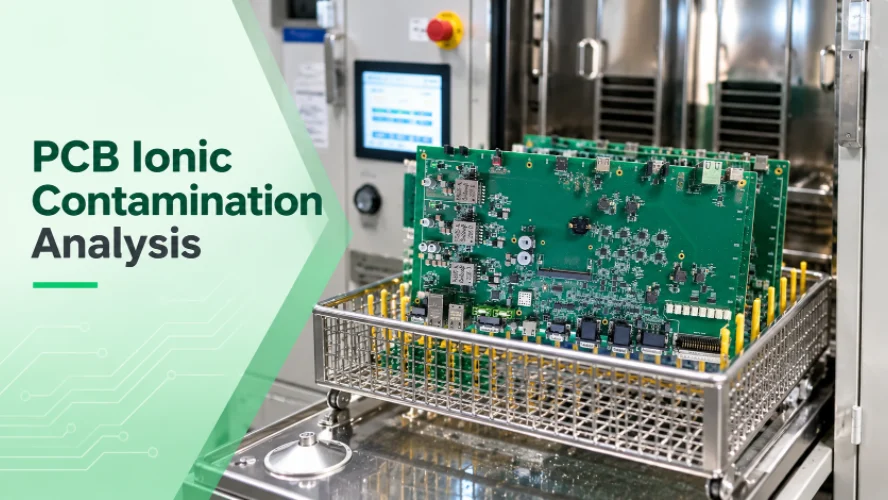
PCB ionic contamination analysis helps OEMs determine whether extractable ionic residues left on a bare circuit board or assembled PCBA could contribute to leakage current, corrosion, electrochemical migration, or reduced surface insulation resistance under moisture and electrical bias. For a procurement or quality team, the useful question is not simply “Does the PCB pass a cleanliness test?” It is which test method is appropriate, where the contamination might originate, and what production evidence is needed before approving a supplier.
Highleap-elektroniikka manufactures bare PCBs and populated PCB assemblies in China, covering fabrication, component sourcing, SMT/THT assembly, inspection, and project-defined functional testing. For customers requiring PCB ionic cleanliness testing or a formal contamination report, the test method, sample plan, acceptance basis, and whether specialist laboratory analysis is required should be agreed during engineering review. Published PCB/PCBA manufacturing capabilities should not be mistaken for a claim that every ROSE, ion chromatography, or SIR test is performed in-house.
PCB Ionic Contamination Analysis: When OEMs Need It
PCB ionic contamination analysis measures or identifies ionizable residues that can remain after fabrication, soldering, cleaning, rework, or handling. It is especially relevant when the assembly has fine conductor spacing, sensitive high-impedance circuitry, high electrical bias, condensation exposure, or a demanding product-reliability requirement. Analysis may be performed on bare PCBs, assembled boards, representative samples, or dedicated test vehicles according to the objective.
A PCB may look clean and pass continuity tests while still carrying residues that are not visible under normal inspection. With sufficient moisture and an electric field, mobile ionic species can contribute to increased leakage, electrochemical corrosion, or conductive dendrite formation. Conversely, the detection of an ionic residue does not automatically mean the product will fail: residue type, location, solubility, humidity, conductor spacing, operating voltage, and protective design all matter.
For example, a compact industrial controller may place a high-impedance analog input near a densely populated QFN, or an isolated communications board may operate in humid equipment cabinets. A small quantity of harmful residue trapped below a low-standoff component can be more relevant to its failure mechanism than a larger quantity spread across a benign area. That is why a single board-average cleanliness value is not a universal reliability judgment.
Highleapin Piirilevyjen valmistuspalvelut ja SMT and through-hole PCBA manufacturing cover both major stages at which cleanliness risks must be considered. An OEM can therefore discuss the bare-board condition, soldering materials, cleaning approach, and final acceptance together, with responsibilities defined for the specific build.
When should a buyer request ionic contamination testing?
- New product introduction: qualify a soldering and cleaning process before repeat orders, particularly for fine-pitch or low-standoff components.
- Supplier or process transfer: compare a new PCB fab, solder paste, flux, cleaning chemistry, or assembly location against an approved baseline.
- Failure investigation: assess possible residue contributions when there are humidity-related leakage, intermittent faults, corrosion, or electrochemical migration concerns.
- Pre-coating release: evaluate surface preparation before applying a conformal coating that could restrict subsequent cleaning or rework.
- Customer-specific quality control: provide a defined cleanliness record or independent-laboratory result when required in the purchasing specification.
The objective determines the appropriate service. A routine PCB quality assurance plan may require trend monitoring, whereas a field-return investigation may need targeted ion identification, visual examination, failure localization, and environmental reliability evidence. Those are different test scopes and should not be quoted as if they were interchangeable.
ROSE vs. Ion Chromatography vs. SIR: Choosing the Right Test
ROSE indicates the bulk level of extractable ionizable contamination; ion chromatography identifies and quantifies selected ionic species; surface insulation resistance (SIR) testing evaluates electrical behavior under specified conditions. They answer different questions. A technically sound PCB ionic contamination analysis may use one method or a combination, depending on whether the OEM needs process monitoring, source identification, or evidence of electrical performance.
| Menetelmä | Ensisijainen tuotos | Best manufacturing use | Tärkeä rajoitus |
|---|---|---|---|
| ROSE IPC-TM-650 2.3.25 |
Extract conductivity converted to µg NaCl equivalent/cm² | Monitoring a qualified fabrication, soldering, or cleaning process | Does not identify ions or predict field reliability |
| Ionikromatografia (IC) IPC-TM-650 2.3.28 |
Concentrations of measured ionic species in the extract | Tracing flux, wash-water, handling, or process chemical residues | Only ions recovered and included in the analytical method are quantified |
| SIR testing Relevant IPC-TM-650 2.6.3 methods |
Insulation-resistance behavior under specified environmental/electrical stress | Supporting qualification of materials and soldering/cleaning process reliability | Fixture, geometry, bias, environment, and test duration determine applicability |
What does a PCB ROSE test actually measure?
Resistivity of Solvent Extract (ROSE) testing extracts soluble ionizable substances into a specified solvent system and measures the extract’s conductivity or resistivity. The result is often expressed as micrograms of sodium-chloride equivalent per square centimeter (µg NaCl Eq./cm²). That is an electrical-equivalence unit, not proof that the board contains sodium chloride. Results depend on extraction conditions, instrument setup, specimen area calculation, and which residues are accessible to the solvent.
The IPC-TM-650 2.3.25 method explicitly treats ROSE as a process-control tool rather than a predictor of reliability. It also warns that different instruments and extraction approaches can produce results that are not directly interchangeable. Its documented limitations include inaccessible, insoluble, or incompletely extracted contamination. See the official IPC ROSE test method.
When does ion chromatography add value?
Ion chromatography can identify selected species such as chloride, bromide, sodium, potassium, ammonium, and some weak organic acids, depending on the analytical method and detection panel. That helps engineers investigate whether residues may be associated with a soldering flux, inadequate rinsing, a processing chemical, or handling. It is particularly useful when the buyer needs a specific-ion report rather than a bulk conductivity number. The extraction procedure and reporting units must be recorded because different recovery conditions affect the result.
When is SIR or electrochemical migration testing appropriate?
For a product whose main risk is humidity-plus-bias electrical leakage, SIR or a defined electrochemical migration study may provide more directly relevant evidence than bulk residue measurement alone. Such evaluations use representative materials, conductor patterns or product test vehicles under specified stress conditions. A normal power-on functional test cannot replace them, and a SIR result from one materials/process combination should not be generalized to every future design.
Where Ionic Contamination Enters PCB Fabrication and Assembly
The best contamination-control plan identifies where residue can be introduced and when it can still be removed. Bare-board fabrication and PCBA production have different chemical inputs and geometries. Reviewing only the final board can leave the manufacturer without enough evidence to locate the problem.
| Tuotantovaihe | Possible residue source | Useful control or investigation point |
|---|---|---|
| Paljaan piirilevyn valmistus | Residual process chemicals, rinsing chemistry, storage or handling contamination | Controlled final rinse, drying, packaging and bare-board sample testing where specified |
| SMT reflow | Flux activators and residues around or beneath low-clearance parts | Validate the actual solder-paste profile and no-clean or cleaning process |
| Through-hole and rework | Selective/wave solder flux, localized hand-soldering flux, handling residues | Include rework and mixed-technology operations in the qualified process |
| Cleaning and rinsing | Trapped residues, dirty rinse water, inadequate drying or cleaning-agent carryover | Monitor cleaning parameters and verify representative assembly geometries |
| Coating and final handling | Residues concealed beneath coating or introduced during handling/masking | Set the cleanliness acceptance point before coating and preserve approved handling controls |
No-clean soldering still requires process qualification
“No-clean” describes an intended soldering process using compatible materials and conditions; it does not mean all remaining residues are harmless in every product environment. Flux activation, reflow thermal history, solder-paste volume, hand rework, component standoff, and subsequent humidity exposure may all affect residue behavior. Washing without a validated method may also make matters worse by spreading residues or trapping cleaning fluid underneath components.
Käytännöllinen PCB and assembly DFM review should flag very low component standoff, dense high-impedance circuitry, inaccessible wash zones, and coating keep-outs before pilot production. Manufacturing engineers can then decide whether a no-clean approach, a qualified cleaning step, targeted local cleaning, or additional testing is appropriate. The answer must follow the materials and product requirements rather than a universal rule.
Why AOI, X-ray, and coating inspection are not contamination tests
AOI- ja röntgentarkastus support soldering and assembly workmanship checks; they cannot establish ionic cleanliness on their own. A board can have excellent visible solder joints and still contain soluble residues. Similarly, muodollinen pinnoite is an environmental-protection step, not a substitute for suitable surface preparation. If contamination is present before coating, the coating does not automatically neutralize it.
pää PCBA:n toiminnallinen testaus is important for verifying the agreed electrical behavior, but a short room-temperature test may not reveal a moisture-induced failure mechanism. For high-impedance sensor boards, industrial controllers, and electronics intended for humid service, the qualification approach should connect cleaning controls with application-relevant electrical and environmental evidence.
IPC Cleanliness Requirements and a Production Acceptance Plan
There is no single universal ROSE number that proves all PCBs or PCBAs reliable. The historic 1.56 µg NaCl Eq./cm² figure is still encountered in legacy drawings and procurement checklists, but using that threshold alone as proof of process or end-product reliability is not technically justified. Modern cleanliness acceptance is better based on a qualified manufacturing process, the applicable contract and standard revision, and objective evidence appropriate to the design’s risk.
IPC lists IPC-TM-650 2.3.25D for ROSE and 2.3.28B for ion chromatography; related IPC-TM-650 2.6.3 methods address surface insulation or moisture/insulation resistance. In applying IPC J-STD-001 requirements, the purchaser and assembler should specify the applicable revision, customer exceptions, sampling approach and acceptable evidence. A laboratory test-method number defines how an analysis is performed; it does not automatically establish a pass/fail value for every product.
A workable cleanliness-control sequence for NPI and repeat orders
- Classify the risk. Document conductor spacing, electrical bias, humidity/condensation exposure, relevant product standards and any history of leakage or corrosion.
- Identify the process being qualified. Define bare-board supply, flux and solder paste, reflow profile, through-hole operations, cleaning chemistry, rework, handling and planned protective finishing.
- Select test evidence. Use ROSE for appropriate process monitoring, ion chromatography when residue identity matters, and SIR/other environmental evidence when electrical reliability under moisture and bias must be established.
- Set a representative sample plan. Agree sample quantity, build stage, extraction area, location or test vehicle, frequency and required independent testing; do not assume every assembled board undergoes destructive or solvent-extraction analysis.
- Review failures and process changes. Investigate out-of-control trends, changes in flux, cleaning agent, PCB supplier, rework method or component geometry, and document corrective actions before release.
Toistoa varten industrial PCB manufacturing programs, a useful cleanliness report should identify the PCB/PCBA part number and revision, sample/lot, test method and revision, laboratory or instrument, extraction conditions, calculated specimen area, measured results and units, specified limits, deviations and disposition. Where IC is used, list the ionic species and detection/reporting limits. Where SIR is used, record its relevant environmental stress and electrical test conditions.
These records help a quality manager compare future production against the same qualified baseline. They also prevent a common purchasing mistake: comparing two numerical ROSE results obtained using different extraction systems as if they were directly interchangeable.
PCB Ionic Cleanliness Review and Manufacturing RFQ with Highleap
Highleap can discuss ionic contamination and cleaning requirements as part of a PCB fabrication or turnkey PCBA manufacturing inquiry. Our established service scope includes PCB manufacture, component sourcing, SMT/THT assembly, inspection and project-defined functional tests. If your project requires a particular ROSE report, ion chromatography profile, SIR study or accredited third-party laboratory, its availability, test route, cost and acceptance basis must be confirmed before an order is placed.
For customers consolidating bare-board supply and electronics assembly, turnkey PCB assembly with component sourcing provides a practical way to align the board revision, soldering process, assembly test and project-specific cleanliness requirements in one manufacturing package. It does not remove the need for a customer-approved test plan or environmental qualification.
What to send for a PCB ionic contamination analysis quote
- Suunnittelutiedostot: Gerber/ODB++ or equivalent, fabrication drawing, PCB stack-up and finish; BOM, centroid data and assembly drawings if the product is populated.
- Analysis objective: routine cleanliness monitoring, new-process qualification, suspected field failure, bare-board acceptance, pre-coating release or a customer-mandated report.
- Requested method: ROSE, ion chromatography, SIR or a customer test procedure, including the standard revision and test report format if known.
- Tuoteriski: operating voltage, sensitive circuits, minimum conductor gaps, service temperature/humidity, condensation exposure and any known failure locations.
- Manufacturing details: flux/paste family, cleaning or no-clean process, rework history, coating requirement, sample quantity and production forecast.
- Kaupalliset vaatimukset: sample and lot sizes, required qualification stage, shipment destination, delivery target and whether an independent laboratory report is mandatory.
Frequently asked OEM questions
Can Highleap provide PCB ionic contamination testing? Highleap provides PCB/PCBA manufacturing and quality-control services and can review a project-specific ionic cleanliness requirement during RFQ. Availability of ROSE, IC or SIR testing, including any required external laboratory, must be explicitly confirmed. We do not present these as automatically included in every standard PCB order.
Is ROSE testing sufficient to prove a PCBA is clean and reliable? No. ROSE is a bulk extraction-based process-monitoring measurement. It does not identify ionic species, detect all trapped residues, or by itself prove reliability under humidity and electrical bias. Supplementary chemical or electrical testing may be justified by the application.
What is the difference between bare PCB ionic testing and assembled PCBA cleanliness testing? The bare board is examined before soldering materials and component geometry are introduced. The assembled PCBA can contain additional flux and handling residues, including material trapped under components. They are different specimens with potentially different extraction access and cleanliness baselines.
Does a low ROSE value mean ion chromatography is unnecessary? Not necessarily. If the requirement is to identify a particular ion, investigate a field issue, or compare residue sources, IC may still provide useful information even when the bulk reading is low. The test method should follow the engineering question.
Should PCBA ionic cleanliness be verified before conformal coating? When coating is specified, establishing acceptable residue conditions before coating is generally important because the coating can hinder later access and rework. The exact acceptance point and evidence should be defined in the approved manufacturing process.
Request a PCB Cleanliness and Manufacturing Review
Send Highleap your PCB/PCBA files, expected build quantity, operating conditions, and required ionic contamination test method or cleanliness specification. Our team can review the manufacturing scope and clarify any testing, sample preparation or independent laboratory requirements for a project-specific quotation.
Tekninen huomautus: ROSE, IC and SIR are different methods and their results are not interchangeable. Test availability, laboratory accreditation, costs, sampling, qualification scope, acceptance limits and turnaround must be confirmed for the specific project. No universal ionic contamination reading guarantees field reliability.

suositeltava Viestejä
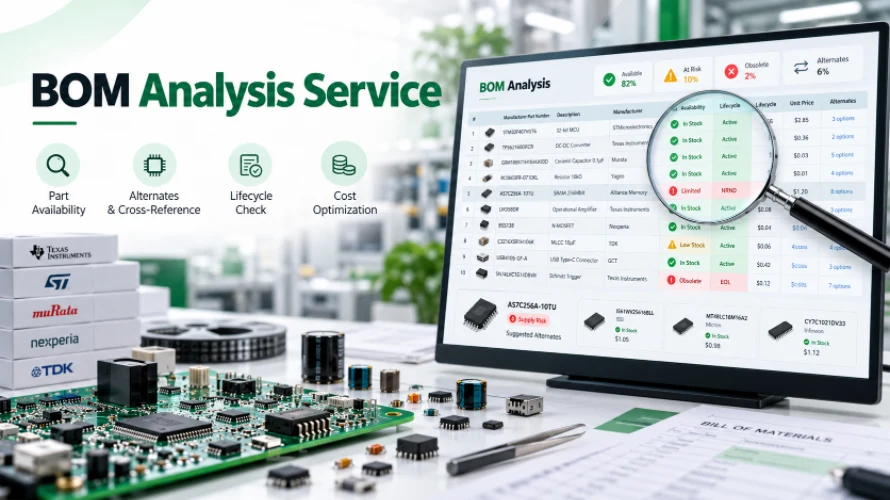
Piirilevykokoonpano ilmaisella osaluettelopalvelulla
Tarvitsetko ilmaisen osaluetteloanalyysipalvelun ennen kuin sitoudut piirilevyyn...
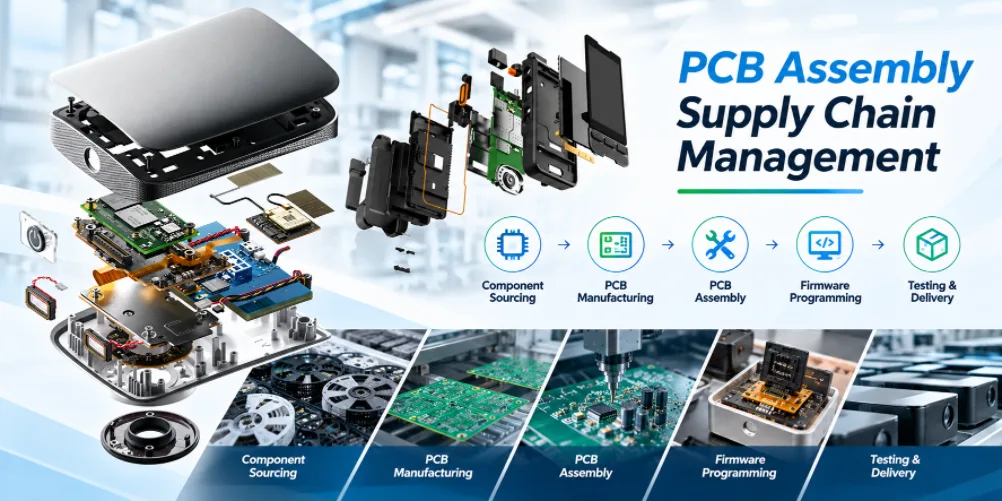
Piirilevykokoonpanon toimitusketjun hallinta
Highleap Electronics tukee piirilevyjen kokoonpanon toimitusketjua...
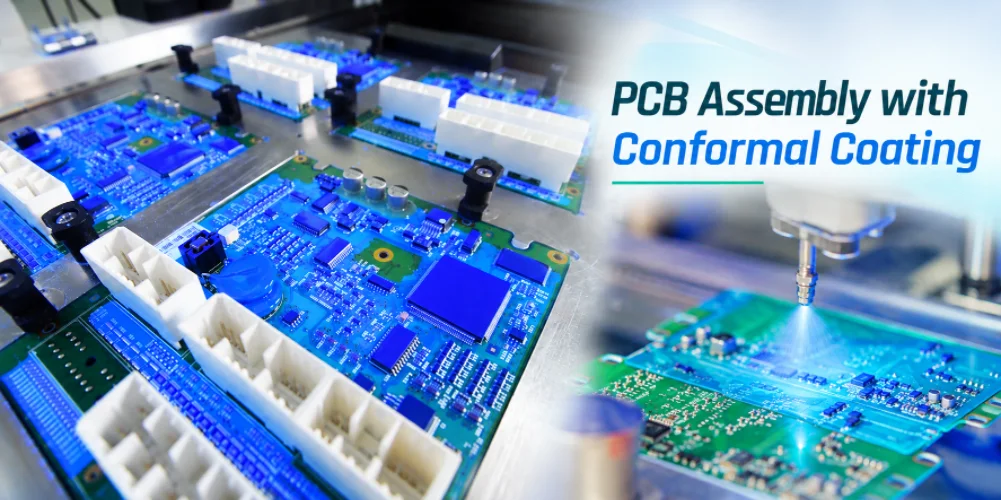
Piirilevykokoonpano konformaalipinnoitteella
Highleap Electronics tarjoaa piirilevykokoonpanoa konformisilla...
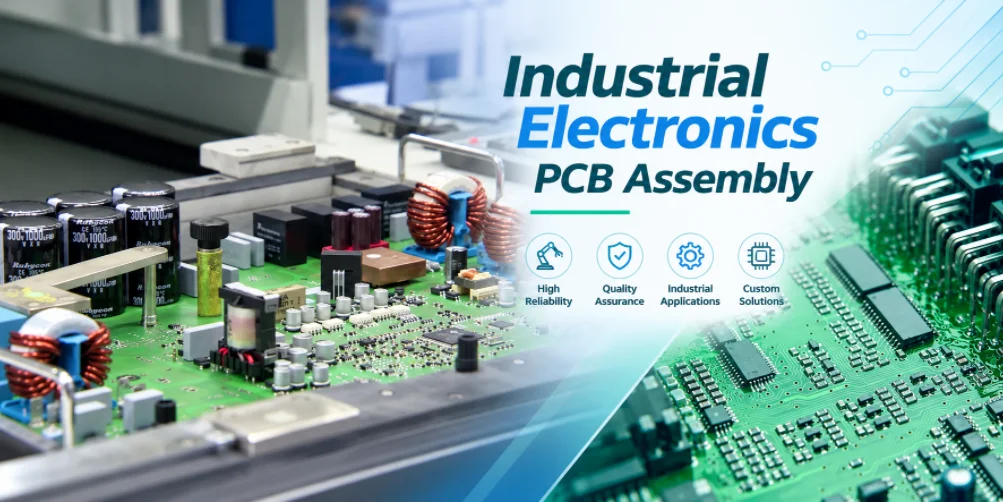
Teollisuuselektroniikan piirilevykokoonpano
Teollisuuselektroniikan piirilevykokoonpano kattaa...
Miten saada tarjous piirilevyistä
Suoritetaan DFM/DFA-analyysi puolestasi ja lähetetään sinulle raportti. Voit ladata tiedostosi turvallisesti verkkosivustomme kautta. Tarvitsemme seuraavat tiedot voidaksemme antaa sinulle tarjouksen:
-
- Gerber, ODB++ tai .pcb, sp.
- Tuoteluettelo, jos tarvitset kokoonpanoa
- Määrä
- Käännä aika
Piirilevyjen valmistuksen lisäksi tarjoamme kattavan valikoiman elektroniikkapalveluita, kuten piirilevysuunnittelua, piirilevyasennusta ja kokonaisratkaisuja. Tarvitsetpa apua prototyyppien valmistuksessa, suunnittelun varmentamisessa, komponenttien hankinnassa tai massatuotannossa, tarjoamme kokonaisvaltaista tukea projektisi onnistumisen varmistamiseksi.
Piirilevypalveluita varten toimitathan osaluettelosi (BOM) ja mahdolliset erityiset kokoonpano-ohjeet. Tarjoamme myös DFM/DFA-analyysin suunnitelmiesi valmistettavuuden ja kokoonpanon optimoimiseksi varmistaen sujuvan tuotantoprosessin.