
TG140-piirilevyn materiaalien valinta ja valmistus
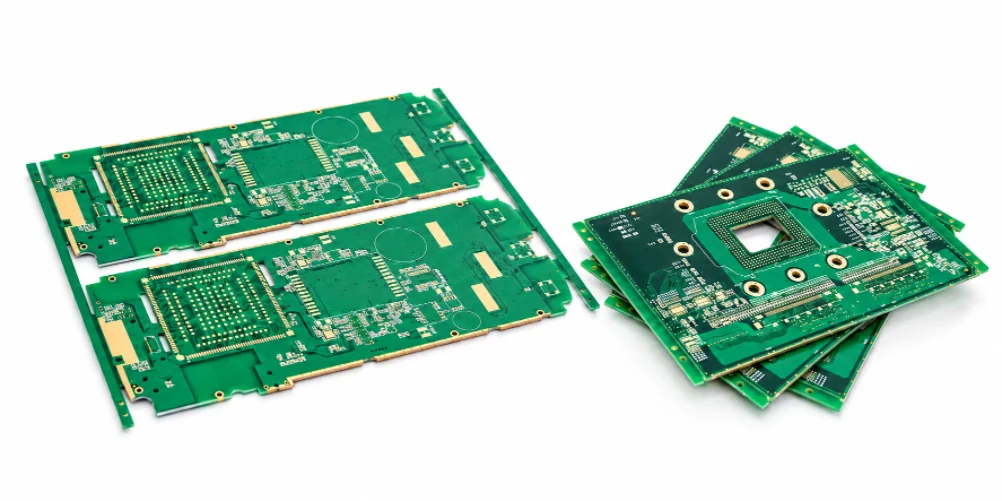
For projects specifying TG140 PCB material, the purchasing decision is not simply about choosing an FR-4 laminate with a nominal glass transition temperature of 140°C. The selected material must match the board’s electrical requirements, layer structure, fabrication process, assembly conditions, and production budget.
Highleap Electronics provides custom PCB fabrication and PCB assembly for engineering teams, OEMs, and purchasing departments. Whether a project requires a straightforward FR-4 board or a more complex multilayer construction, the material grade and manufacturing requirements should be reviewed together before production.
TG140 PCB Materials and Selection Criteria
TG140 PCB commonly refers to a printed circuit board manufactured using an FR-4 laminate with a nominal glass transition temperature of 140°C. It is a material specification, not a complete PCB specification. Two TG140 materials may differ in decomposition temperature, dielectric properties, thermal expansion, copper adhesion, and available laminate constructions.
For procurement, the first step is to identify whether the project requires a particular manufacturer and grade or allows an equivalent TG140 laminate subject to engineering approval. That decision affects material sourcing, stackup preparation, lead time, and quotation accuracy.
What to Check in a TG140 FR-4 Datasheet
- Lasittumislämpötila (Tg): Confirm the specified value and test method, such as DSC, TMA, or DMA. Reported values may differ by method.
- Decomposition temperature (Td): Review the applicable test data instead of using Tg as a substitute for thermal decomposition performance.
- Z-axis coefficient of thermal expansion (CTE): Consider expansion behavior in relation to board thickness, plated-through holes, and thermal cycling.
- Sähköiset ominaisuudet: Check dielectric constant (Dk) and dissipation factor (Df) at relevant frequencies when impedance or signal loss matters.
- Laminate construction: Confirm core and prepreg availability, glass styles, thickness options, and compatibility with the required stackup.
- Vaatimustenmukaisuus: Confirm any required flammability rating, halogen-free status, CTI, or other project-specific approvals from the applicable documentation.
Do not assume that every TG140 laminate has the same thermal or electrical performance. The exact grade and the manufacturer’s current technical datasheet should be part of the material approval process.
Examples of TG140 PCB Laminate Options
The following examples provide a starting point for material review. They are not interchangeable by default, and the listed Tg information should be confirmed against the current datasheet and its stated test method.
A material name or Tg value alone is not sufficient for production release. Confirm the exact grade, applicable datasheet, and required properties before the stackup is finalized. For a broader overview of FR-4 selection, see Highleap’s FR-4-materiaaliopas.
When Is TG140 PCB a Suitable Choice?
TG140 FR-4 may be appropriate when its documented properties satisfy the board’s thermal, electrical, mechanical, and assembly requirements. The decision should be based on the complete specification rather than the Tg number alone.
For designs with demanding thermal cycling, higher layer counts, strict plated-hole reliability requirements, or specific electrical performance targets, compare the complete material data and manufacturing requirements before approving TG140. A higher nominal Tg may be worth evaluating, but it is not automatically necessary for every project.
TG140 PCB Fabrication Requirements
Once the material is selected, TG140 PCB fabrication depends on the finished board specification. Layer count, board thickness, copper weights, hole structures, impedance targets, and dimensional tolerances all influence the manufacturing process and final cost.
Stackup and Board Construction
Define the layer count, finished thickness, copper weights, core and prepreg arrangement, and dielectric thicknesses. For multilayer boards, the proposed PCB pinoaminen must be compatible with the selected laminate and available material constructions.
If the design uses controlled impedance, the stackup review should include the specified Dk, dielectric thickness, copper geometry, and target impedance. Substituting a nominally equivalent TG140 material without checking these parameters can affect electrical performance.
Drilling, Plating, and Via Requirements
Drill sizes, board thickness, aspect ratio, via structures, and required copper thickness determine key fabrication requirements. The manufacturing review should cover drilling, desmear, plating, and inspection according to the finished board specification.
Tg alone does not establish plated-through-hole reliability. For multilayer boards or designs with demanding thermal exposure, assess the applicable material data and hole construction together rather than relying on the nominal Tg value as a quality guarantee.
Copper Distribution, Surface Finish, and Testing
Uneven copper distribution, asymmetrical stackups, and board geometry can contribute to warpage or dimensional variation. Review copper balance, finished thickness, outline tolerances, and mounting requirements during engineering review.
Valitse PCB pintakäsittely according to solderability, component requirements, storage conditions, and customer specifications. ENIG, OSP, and lead-free HASL are possible options when suitable for the design.
Electrical testing, impedance verification, AOI, and additional inspection should be defined according to the product’s requirements. Highleap’s Piirilevyjen valmistuspalvelut provide a starting point for reviewing custom board construction and fabrication requirements.
Design Files and DFM Review
Osana Piirilevyn DFM-tarkastukset before production, the engineering team should review Gerber or ODB++ data, NC drill files, board outline, stackup details, and manufacturing notes. Missing or inconsistent information can delay quotation and production preparation.
For a custom TG140 PCB, clearly identify the material grade if it is mandatory. If equivalent materials may be considered, state the approval conditions so that any proposed substitution can be reviewed before production.
TG140 PCB Assembly and Production Planning
For projects that require both bare-board fabrication and PCBA, TG140 material selection must be considered alongside the assembly process. The finished board will be exposed to soldering and possibly rework, so the laminate data and the intended thermal profile should be reviewed together.
Soldering Profile and Thermal Exposure
Confirm the planned reflow profile against the laminate’s thermal data, board construction, component limitations, and number of heating cycles. Rework and other thermal operations may add to the board’s total exposure.
A reflow peak above Tg does not, by itself, mean that the material is unsuitable. Likewise, a nominal Tg of 140°C does not establish suitability for every lead-free assembly process. The actual laminate properties, board construction, and assembly conditions must be considered together.
BOM Sourcing and Assembly Data
For a complete assembly quotation, provide a BOM with manufacturer part numbers and quantities. Identify sourcing restrictions, approved alternatives, and any components that must be supplied by the customer. Component availability and lifecycle status can affect purchasing decisions and production scheduling. For turnkey PCBA, define the required komponenttien hankinta scope before quotation.
Also provide pick-and-place or centroid files, assembly drawings, polarity information, and special process instructions. These details help establish the scope of assembly and reduce the risk of quotation assumptions.
Tarkastus ja toiminnallinen testaus
The inspection plan depends on the product, component technology, risk level, and customer acceptance criteria. Depending on the project, it may include AOI, X-ray inspection for applicable packages, electrical testing, and functional testing.
For projects that combine board fabrication with assembly, review both scopes before placing the order. Highleap’s Piirilevyjen kokoonpanopalvelut can support evaluation of assembly requirements alongside the bare-board specification.
TG140 PCB Cost and Quotation Requirements
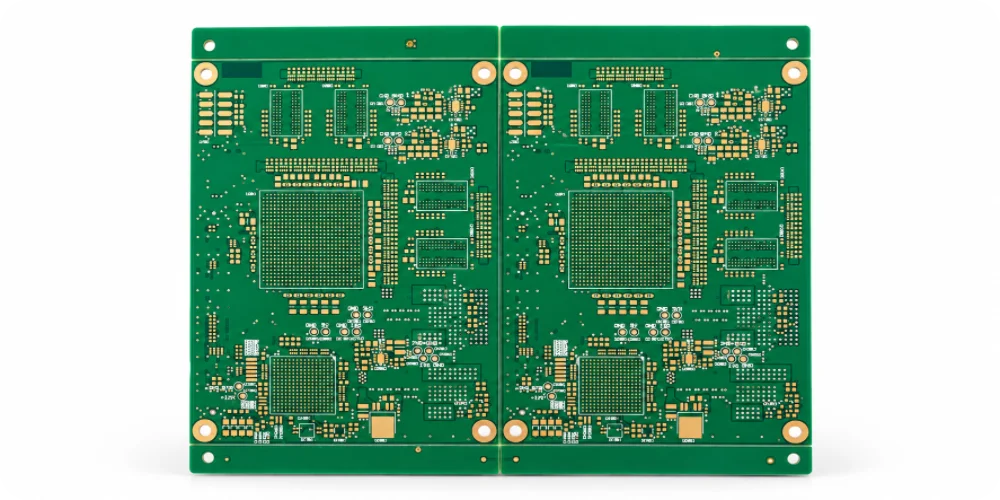
TG140 PCB cost depends on the full board specification, not only the laminate’s Tg rating. The exact material grade, layer count, finished thickness, copper weights, drilling requirements, surface finish, order quantity, and delivery target all influence the quotation.
What Affects TG140 PCB Manufacturing Cost?
- Materiaalilaatu ja saatavuus: The specified laminate, thickness options, sourcing conditions, and availability of compatible prepreg can affect cost and lead time.
- Kerrosten määrä ja pinoaminen: More complex multilayer constructions require additional processing and engineering review.
- Copper and drilling requirements: Heavy copper, small holes, high aspect ratios, complex vias, and tight tolerances can increase processing requirements.
- Pinnan viimeistely ja testaus: Finish selection, impedance requirements, electrical testing, and additional inspection affect the final price.
- Tilausmäärä ja toimitustavoite: Prototype, small-batch, and production orders have different setup and material-utilization considerations. Expedited delivery may also affect sourcing and scheduling.
- Kokoonpanon laajuus: For PCBA, component availability, placement complexity, soldering requirements, and inspection or functional testing contribute to the total project cost.
There is no universal price for a TG140 PCB and no fixed premium that applies to every design. A meaningful quotation requires the actual construction, quantity, material specification, and processing requirements. For additional cost-planning guidance, see the Piirilevyjen valmistuskustannusopas.
Information Required for a TG140 PCB Quote
To assess a TG140 PCB project accurately, prepare the following information wherever available.
Piirilevyjen valmistukseen:
- Gerber- tai ODB++-valmistustiedostot ja NC-poraustiedostot.
- Layer count, board outline, finished thickness, and copper weights.
- Stackup drawing and dielectric thickness requirements.
- Required TG140 laminate manufacturer and grade, if specified.
- Pinnan viimeistely, juotosmaski, impedanssikohteet ja mittatoleranssit.
- Order quantity, target delivery date, and testing requirements.
For PCB assembly:
- Osaluettelo, jossa on valmistajan osanumerot ja määrät.
- Poimi ja sijoita- tai keskipistetiedostot.
- Kokoonpanopiirustukset ja komponenttien napaisuustiedot.
- Hyväksytyt komponenttivaihtoehdot tai hankintarajoitukset.
- Assembly process, inspection, and functional testing requirements.
If the exact laminate has not been selected, specify the required thermal and electrical performance and state whether alternatives may be evaluated. Any substitution should be checked against the project specification and approved where required.
For combined fabrication and assembly projects, providing both sets of files helps establish the complete project scope. Start with Highleap’s quick quotation page to submit your requirements for review.
TG140 PCB Frequently Asked Questions
1. What is a TG140 PCB?
A TG140 PCB is generally a printed circuit board made with an FR-4 laminate specified at a nominal glass transition temperature of 140°C. The exact material grade and test method should be confirmed in the manufacturer’s datasheet.
2. Is TG140 FR-4 suitable for multilayer PCBs?
It can be suitable when the selected laminate, stackup, plated-hole design, and thermal requirements meet the project specification. Layer count alone does not determine material suitability.
3. Can TG140 PCB be used for lead-free assembly?
Suitability depends on the laminate’s thermal properties, reflow profile, board construction, and number of heating cycles. Confirm the material data and assembly conditions rather than relying on Tg alone.
4. What is the difference between TG140 and TG170 PCB?
The nominal glass transition temperature differs by 30°C, but this does not tell the full performance story. Compare the exact grades, test methods, decomposition temperature, thermal expansion, electrical properties, and board requirements before choosing between them.
5. Does TG140 PCB cost less than higher-Tg PCB?
It may be less expensive in some projects, but the actual difference depends on material availability, board construction, fabrication complexity, order quantity, and testing requirements. Request a quotation based on the complete specification.
6. What files are needed to order a TG140 PCB?
For fabrication, prepare Gerber or ODB++ files, NC drill files, stackup information, material requirements, board specifications, quantity, and target delivery date. For assembly, also provide the BOM, pick-and-place files, assembly drawings, and testing requirements.
Start Your TG140 PCB Manufacturing Project
Successful TG140 PCB procurement starts with a clear material specification and a complete board definition. Confirm the exact laminate grade, construction, electrical requirements, fabrication details, and assembly conditions before releasing the project for production.
Highleap Electronics supports custom PCB fabrication and PCB assembly projects. Providing the design files, material requirements, quantity, and delivery target helps the manufacturing team review the project scope and prepare a more accurate quotation.
If you need TG140 PCB manufacturing, prepare your board files and specifications for review. If assembly is required, include the BOM and assembly data so both stages can be evaluated together.
TG140 PIIRILEVYN VALMISTUS JA KOKOONPANO
Request a TG140 PCB Quote
Send your PCB files, TG140 material requirements, board specifications, quantity, and target delivery date. Highleap Electronics can review your fabrication and assembly scope for quotation.
SUPPORT FOR YOUR TG140 PCB PROJECT
Materiaalikatsaus
Confirm the material grade, Tg test method, and construction requirements.
Piirilevyjen valmistus
Review stackup, copper weights, drilling, surface finish, and testing.
PCB-kokoonpano
Coordinate component sourcing, assembly requirements, and inspection.
Nopeampaa tarkistusta varten: Liitä mukaan Gerber- tai ODB++-tiedostot, pinoamispiirustus, materiaalitiedot, määrä ja tavoitetoimituspäivämäärä. Kokoonpanoa varten toimita myös osaluettelo- ja keräily- ja sijoitustiedostot.

suositeltava Viestejä
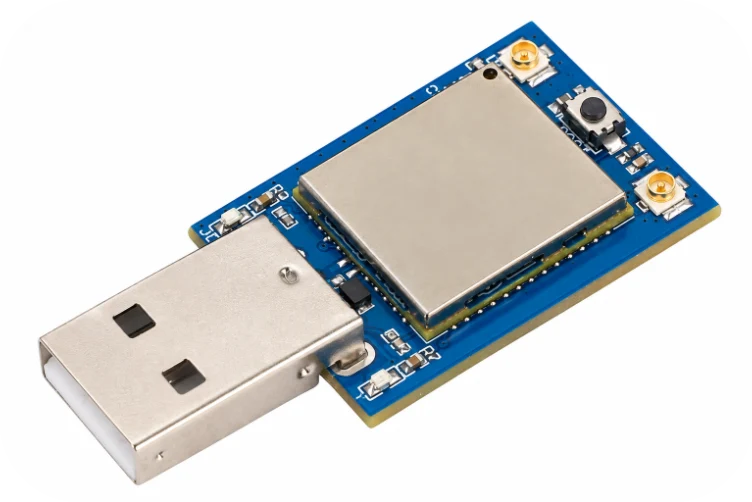
USB-modeemipiirilevyjen valmistus ja piirilevyt LTE/5G-dongleille ja datasovittimille
USB-modeemin piirilevyjen valmistus ja kokoonpano edellyttää kompaktia...

Mukautettu älymoottoripyöräkypärän piirilevy älykkääseen ajamiseen
Älykäs moottoripyöräkypärä voi yhdistää sisäpuhelimen,...
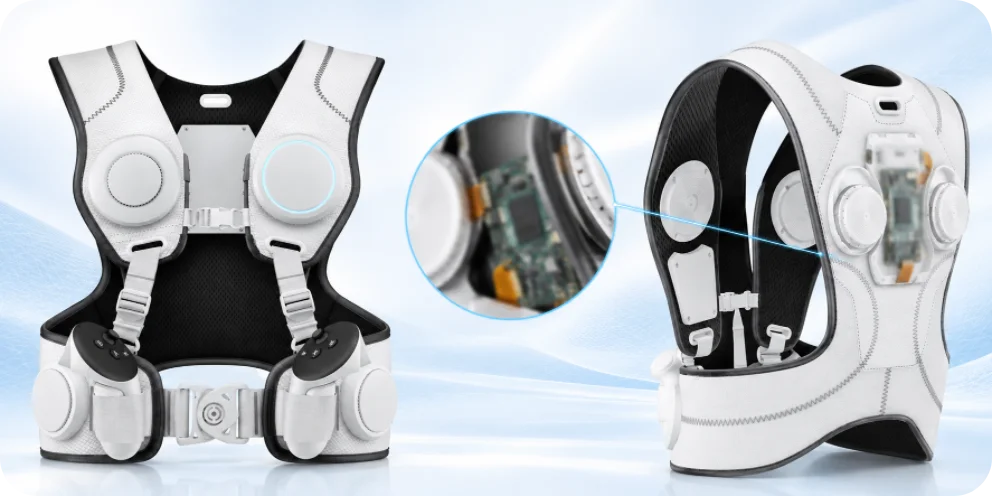
Puettavien haptisten liivien piirilevyjen valmistus ja kokoonpano monivyöhykkeisille haptisten OEM-valmistajille
Puettavassa haptisessa liivissä käyttäjä huomaa...
Puettavan lämpötilaloggerin piirilevyjen valmistus ja kokoonpano BLE-anturien valmistajille
Puettava lämpötilankerääjän piirilevy on elektroninen piirilevy...
Miten saada tarjous piirilevyistä
Suoritetaan DFM/DFA-analyysi puolestasi ja lähetetään sinulle raportti. Voit ladata tiedostosi turvallisesti verkkosivustomme kautta. Tarvitsemme seuraavat tiedot voidaksemme antaa sinulle tarjouksen:
-
- Gerber, ODB++ tai .pcb, sp.
- Tuoteluettelo, jos tarvitset kokoonpanoa
- Määrä
- Käännä aika
Piirilevypalveluita varten toimitathan osaluettelosi (BOM) ja mahdolliset erityiset kokoonpano-ohjeet. Tarjoamme myös DFM/DFA-analyysin suunnitelmiesi valmistettavuuden ja kokoonpanon optimoimiseksi varmistaen sujuvan tuotantoprosessin.