
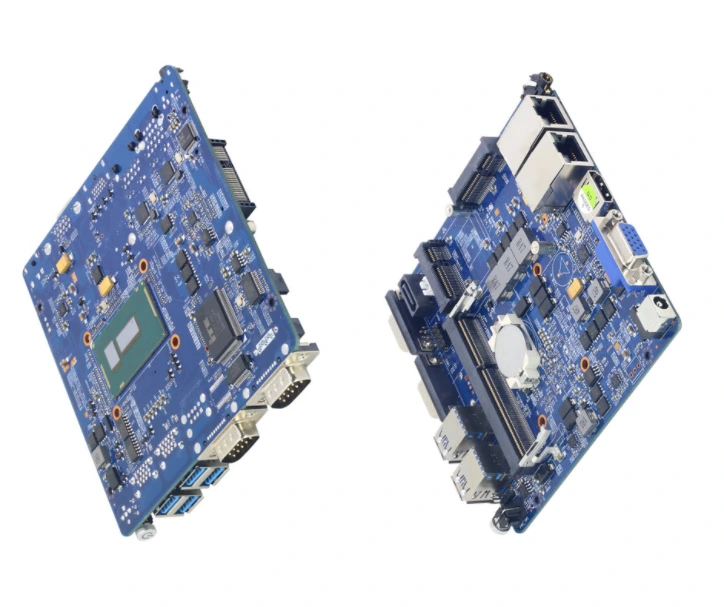
Produzione di PCB per mini PC per schede madri compatte ad alta densità
Sommario
- Definire l'architettura compatta prima di selezionare la costruzione del PCB
- Opzioni HDI, Stack-Up e Impedenza per schede mini PC ad alta densità
- Assemblaggio di BGA e PCBA a doppia faccia in una piccola area della scheda
- Trasformare il progetto termico in istruzioni di produzione controllate
- I/O perimetrali, antenne e compatibilità con l'involucro
- Distinta base, codice articolo, costi e scalabilità della produzione per piattaforme informatiche compatte
- Test funzionali per schede PCBA di mini PC con e senza ventola
- Considerazioni sull'approvvigionamento globale per schede PCB compatte e per l'edge computing.
- Invia a Highleap i dati necessari per una revisione della produzione di mini PC
Un mini PC concentra processore, memoria, storage, conversione di potenza, connettività wireless e I/O esterni in una piccola area della scheda madre. La sfida produttiva non è la miniaturizzazione in sé, ma la capacità di preservare le prestazioni di segnale, alimentazione, termiche e meccaniche quando lo spazio per il cablaggio, la spaziatura dei componenti e l'ingombro del case sono tutti limitati.
Highleap Electronics supporta i progetti di schede madri per mini PC di proprietà del cliente, dalla fabbricazione del PCB all'assemblaggio PCBA, dall'approvvigionamento di componenti approvati alla programmazione e ai test funzionali definiti dal cliente. Il progetto rilasciato determina se la scheda utilizza una struttura multistrato convenzionale, HDI, vie cieche, microvie o altre caratteristiche di densità. Non esiste un singolo numero di strati o un'architettura di vie corretta per ogni mini computer.
Le schede madri x86 compatte, le schede mini PC senza ventola, i mini computer embedded e le piattaforme di elaborazione a fattore di forma ridotto possono presentare problematiche di produzione simili, pur utilizzando processori, tipi di memoria, sistemi di archiviazione, di rete e termici molto diversi. Il processo produttivo dovrebbe quindi essere progettato tenendo conto della densità effettiva dei componenti, del set di interfacce e del design dello chassis.
1. Definire l'architettura compatta prima di selezionare la costruzione del PCB
Le decisioni relative alla densità iniziano con il posizionamento e l'architettura di interconnessione. Il package del processore o del SoC, il posizionamento della memoria, lo storage M.2, il modulo Wi-Fi, gli stadi di alimentazione, i controller Ethernet e i connettori laterali competono per lo spazio limitato dedicato al routing e ai componenti. Se queste relazioni non sono stabili, la scelta di una costosa struttura di via troppo presto può vincolare il progetto a una complessità di fabbricazione non necessaria.
Strato / Via Strategia
Highleap può esaminare la scheda rilasciata tramite una revisione DFM prima della fabbricazione. Gli input più utili sono il pacchetto Gerber o ODB++, lo stack-up, la tabella di foratura, i requisiti di impedenza, la distinta base (BOM), il CPL e il disegno meccanico che mostra le pareti del contenitore, le aperture dei connettori, le zone del dissipatore di calore e i punti di montaggio.
Disciplina di produzione
L'obiettivo di produzione dovrebbe essere la configurazione di scheda più semplice che soddisfi il progetto elettrico e meccanico rilasciato con un margine di processo adeguato. Un ingombro ridotto non giustifica automaticamente l'HDI, mentre un'elevata densità di BGA o un profilo della scheda ristretto possono rendere l'HDI la soluzione pratica.
2. Scelte relative a HDI, stack-up e impedenza per schede mini PC ad alta densità
Laddove la densità di instradamento richiede via cieche, microvia o laminazione sequenziale, la stratificazione deve essere rilasciata come struttura di produzione piuttosto che come schizzo visivo degli strati. La profondità delle microvia, i pad di cattura, i requisiti per via riempite o sigillate, lo spessore del rame, la costruzione del dielettrico e la sequenza di laminazione influenzano tutti la resa e il costo.
Principali controlli di produzione
- Strategia di livello/via: Le risorse di Highleap per la produzione di PCB HDI sono rilevanti quando la scheda madre compatta necessita effettivamente di tali caratteristiche. Per i progetti che possono essere instradati con via passanti, una costruzione multistrato convenzionale può essere più economica e più facile da trasferire alla produzione in serie.
- Disciplina di produzione: Le interfacce veloci come DDR, PCIe, USB, Ethernet e i collegamenti video devono rispettare la geometria di impilamento e di impedenza definita dal cliente. Il controllo di produzione deve includere la continuità del piano di riferimento, le transizioni dei via e la verifica dell'impedenza richiesta, anziché basarsi su un'etichetta generica del materiale. Il sistema di materiali deve essere selezionato in base ai requisiti effettivi di segnale, termici, di spessore e di affidabilità della scheda.
3. Assemblaggio di BGA e PCBA a doppia faccia in una piccola area della scheda
Le schede PCBA per mini PC spesso posizionano i componenti su entrambi i lati per recuperare spazio sulla scheda. Ciò aumenta la complessità della pianificazione del processo, poiché la combinazione dei componenti sul primo lato, la rifusione sul secondo lato, la massa del package, la strategia di stencil e gli utensili di supporto possono interagire tra loro. I connettori BGA, QFN, LGA e a passo fine ad alta densità riducono inoltre la tolleranza per errori di stampa o posizionamento.
Highleap è in grado di combinare l'assemblaggio SMT di PCB con controlli mirati per l'assemblaggio BGA laddove la composizione dei package lo richieda. Il piano di produzione deve specificare quale lato assemblare per primo, quali componenti necessitano di un supporto speciale, quali giunzioni nascoste vengono ispezionate tramite raggi X e quali connettori richiedono un'operazione separata.
Controllo dell'assemblaggio
- Esaminare le aperture dello stencil attorno ai circuiti integrati a passo fine e ai package con pad termico.
- Controllare i componenti sensibili all'umidità in conformità con i requisiti di manipolazione approvati.
- Utilizzare l'ispezione del primo pezzo per verificare la densità delle opzioni e la polarità prima del posizionamento in lotto.
- Verificare che i componenti di grandi dimensioni e le aree da escludere nella parte inferiore siano compatibili con i vincoli di fissaggio e del telaio.
- Limitare le rilavorazioni non necessarie in prossimità di processori costosi, dispositivi di memoria e connettori a passo fine.
Highleap Electronics • Produzione e assemblaggio di PCB
Richiedi una revisione della produzione di PCB per mini PC
Inviate il vostro file Gerber o ODB++, la distinta base (BOM), i dati di assemblaggio e la quantità. Highleap esaminerà la fabbricazione del PCB, l'approvvigionamento dei materiali, l'assemblaggio, la programmazione e l'ambito di test per una produzione controllata.
Richiedi un preventivo per PCB e PCBA → Discuti i requisiti di produzione →
✓ Analisi DFM e DFA ✓ Dalla prototipazione alla produzione in serie ✓ Realizzazione e assemblaggio di PCB
4. Trasformare il progetto termico in istruzioni di produzione controllate
I sistemi di piccole dimensioni hanno meno spazio per il flusso d'aria e la dissipazione del calore, quindi le prestazioni termiche dipendono fortemente dalla progettazione complessiva del sistema. Il produttore di PCB non può creare una soluzione termica adeguata modificando il rame o aggiungendo via senza l'approvazione del progetto. I disegni del PCB e dell'assemblaggio rilasciati devono invece identificare le aree delle via termiche, le aree di rame, i punti di montaggio del dissipatore, le zone di interfaccia termica e qualsiasi componente la cui altezza o posizione sia critica per il sistema di raffreddamento.
Interfacce termiche
Sulla linea di produzione di schede a circuito stampato (PCBA), le superfici di interfaccia termica devono essere protette da contaminazione e danni meccanici. Qualora a Highleap venga richiesto di installare un dissipatore di calore, una ventola, un pad termico o altro hardware termico approvato, le istruzioni di lavoro devono specificare il codice del componente, la posizione, il metodo di fissaggio e il punto di ispezione.
Controllo di fabbrica
I progetti di mini PC senza ventola richiedono particolare attenzione, poiché l'involucro potrebbe far parte del percorso di dissipazione del calore. Un test funzionale a livello di scheda non può garantire che il sistema finale rimanga entro i limiti di temperatura dei componenti in ogni condizione di carico. Tale validazione rientra nel piano completo di qualificazione termica e di sistema del cliente.
5. I/O periferici, antenne e compatibilità con l'involucro
Le schede dei mini PC spesso posizionano i connettori USB, Ethernet, HDMI/DisplayPort, audio, alimentazione e altri direttamente sul bordo della scheda madre. Piccoli errori di allineamento possono diventare immediatamente visibili quando la scheda viene installata in un contenitore lavorato o stampato con precisione.
Vincoli fisici
Il disegno di assemblaggio deve identificare la posizione dei connettori e i riferimenti meccanici, mentre il disegno dell'involucro deve definire aperture, distanziatori e zone di interferenza. I progetti wireless richiedono inoltre connettori per antenna approvati, percorsi dei cavi e aree di esclusione. Se il prodotto utilizza una scheda I/O frontale o una scheda figlia separata collegata tramite FPC o cavo, tale interfaccia deve essere considerata parte del set di elettronica controllata piuttosto che un accessorio di integrazione informale.
Controllo della produzione
| Controllo meccanico | Domanda sulla produzione |
|---|---|
| Connettori laterali | Il connettore inserito è allineato con l'apertura del telaio sbloccato e con la direzione di inserimento? |
| Moduli M.2 e wireless | C'è spazio sufficiente per il modulo, i relativi elementi di fissaggio e il passaggio di antenna/cavi? |
| Dissipatore di calore o diffusore di calore | I punti di fissaggio, le distanze di sicurezza e le altezze dei componenti corrispondono alla configurazione meccanica approvata? |
| Pannello laterale o FPC | Sono definiti l'orientamento del connettore, la lunghezza del cavo e la direzione di curvatura? |
| Fori di montaggio e distanziatori | È possibile fissare la scheda senza piegarla o sovraccaricare i componenti circostanti? |
6. Distinta base, codice articolo, costi e scalabilità della produzione per piattaforme informatiche compatte
I programmi per computer compatti spesso consentono di creare diverse configurazioni a partire da una singola scheda madre: diverse opzioni di memoria o di archiviazione, moduli Wi-Fi, controller Ethernet, moduli cellulari o funzionalità di I/O. Un PCB condiviso può essere efficiente, ma solo se la fabbrica riceve una matrice di varianti chiara.
Integrità della distinta base
Highleap può includere l'approvvigionamento di componenti con alternative controllate dal cliente. I componenti sensibili alla piattaforma devono essere bloccati o soggetti ad approvazione, mentre i componenti passivi realmente intercambiabili possono seguire regole di approvvigionamento concordate. La distinta base (BOM) deve identificare eventuali moduli forniti dal cliente e se questi vengono installati e testati da Highleap o dal cliente dopo la spedizione.
Codice articolo / Rischio del ciclo di vita
Per i programmi OEM di lunga durata, il controllo del firmware e degli SKU dovrebbe essere collegato alla revisione hardware. Un ordine di produzione non dovrebbe dipendere dall'interpretazione da parte degli operatori di un soprannome del prodotto, come "versione senza ventola" o "versione dual-LAN", in assenza di una distinta base e di un profilo di test controllati.
Scalatura della produzione e controllo commerciale
Il costo delle schede mini PC aumenta quando la densità impone un maggior numero di strati, laminazione sequenziale, microvias/ciechi, tolleranze più strette o ispezioni più rigorose. Il costo di assemblaggio può aumentare con il posizionamento su entrambi i lati, i package BGA, i connettori a passo fine, le operazioni I/O manuali, i moduli forniti dal cliente, la programmazione e un'ampia copertura di test funzionali.
Prototipo
La realizzazione del prototipo dovrebbe identificare quale complessità è strutturalmente necessaria e quale può ancora essere semplificata. Se la scheda può passare da una struttura HDI a una struttura multistrato convenzionale senza modificare le prestazioni elettriche o meccaniche, si tratta di una decisione significativa in termini di costi. Se l'HDI è necessario per far uscire i cavi dal processore e rispettare i limiti del contenitore, la sua rimozione sposta semplicemente il rischio sul routing o sull'affidabilità.
Pilota / NPI
Prima di avviare la produzione in serie, è necessario congelare la configurazione finale accettata, tramite struttura, regole della distinta base, immagine di programmazione, metodo di prova e qualsiasi istruzione di assemblaggio meccanico. Tale configurazione di base per la produzione è più importante del prezzo di un prototipo una tantum.
7. Test funzionali per schede PCBA per mini PC con e senza ventola
Il collaudo delle schede PCBA per mini PC dovrebbe verificare le funzioni critiche per la produzione prima che la scheda venga integrata in un case compatto. A seconda del progetto, il percorso di test può includere verifiche di cortocircuito/linee di alimentazione, identificazione del firmware, rilevamento della memoria, interfacce di archiviazione, collegamento Ethernet, porte USB/display selezionate, uscite di controllo delle ventole e verifiche wireless o periferiche definite dal cliente.
Funzioni a livello di sistema
Highleap è in grado di eseguire test funzionali su PCB in base a procedure e limiti di accettazione forniti dal cliente. Qualora siano richiesti test di validazione termica, prestazioni acustiche o stabilità sotto carico prolungato, tali test devono essere definiti separatamente, poiché potrebbero dipendere dalle condizioni finali di involucro, raffreddamento, carico software e ambientali.
8. Considerazioni sull'approvvigionamento globale di schede PCBA compatte e per edge computing
L'hardware dei mini PC viene utilizzato in più di una classe di prodotti: sistemi compatti per ufficio, nodi di calcolo embedded, gateway edge e piccoli computer industriali possono tutti utilizzare una scheda madre ad alta densità, ma i loro requisiti di I/O, termici e di ciclo di vita differiscono. Questo rende la geografia un contesto utile per gli acquisti, non un motivo per forzare ogni mini PC in un'unica configurazione.
Stati Uniti e Canada: Programmi di prototipazione e produzione su larga scala di hardware.
Per i team che valutano un produttore di PCB per mini PC in Cina , la richiesta di offerta (RFQ) dovrebbe indicare i fattori determinanti per la densità: processore o package SoC, architettura della memoria, storage M.2, Ethernet, uscite video, moduli wireless, alimentazione e limiti dell'involucro. Un fornitore può quindi stabilire se la fabbricazione multistrato convenzionale è sufficiente o se il progetto rilasciato richiede funzionalità HDI.
Germania, Paesi Bassi e Regno Unito: Integrazione tra informatica industriale e edge computing.
I progetti europei di elaborazione compatta spesso si integrano all'interno di macchine più grandi, chioschi, piattaforme di automazione o dispositivi di rete. Per un fornitore di assemblaggi di schede PCBA per mini PC , l'accesso ai connettori, i punti di riferimento per il montaggio, la posizione dell'interfaccia termica, la configurazione con o senza ventola, il firmware operativo e le decisioni relative alla distinta base a lungo termine possono essere importanti quanto le dimensioni della scheda.
Giappone, Corea del Sud e Singapore: elettronica ad alta densità e coordinamento della fornitura
I team di ingegneri in questi mercati tecnologici dell'Asia-Pacifico possono gestire ecosistemi avanzati di componenti, packaging e integrazione di sistemi. Quando si confronta un fornitore di PCB per schede madri di computer compatti , elementi utili da considerare includono la fabbricazione controllata dello stack-up, il controllo del processo BGA, l'assemblaggio su entrambi i lati, i raggi X ove specificato, l'approvvigionamento approvato e un percorso di test funzionale ripetibile.
Il modello di produzione internazionale di Highleap supporta prototipi, NPI (New Product Introduction) e produzione in serie. Includendo il paese di destinazione e le previsioni nel set di file tecnici, è possibile visualizzare in fase di preventivo informazioni su imballaggio, logistica, impegno dei materiali e aspettative di produzione ricorrente.
9. Invia a Highleap i dati necessari per una revisione della produzione di un mini PC
Per un preventivo per PCB/PCBA per mini PC, fornire Gerber o ODB++, informazioni su stack-up e foratura, distinta base (BOM), dati di pick-and-place, disegno di assemblaggio, quantità e stato di revisione. Aggiungere il disegno meccanico, le informazioni sull'assemblaggio termico e la procedura di firmware/test qualora tali operazioni rientrino nell'ambito di produzione.
Valutazione di fabbrica
Highleap può esaminare il pacchetto per la fabbricazione di PCB, la fattibilità HDI ove necessario, l'assemblaggio PCBA, l'approvvigionamento, l'ispezione e i test definiti dal cliente. Invia i file tramite la pagina di richiesta preventivo per l'assemblaggio PCB.

Messaggi consigliati
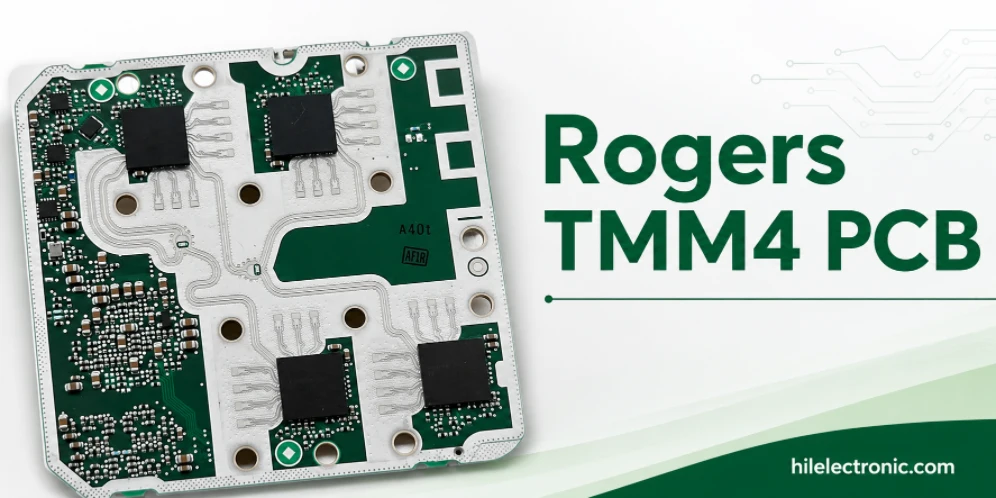
Produzione di PCB per filtri TMM4
La produzione del PCB del filtro TMM4 è controllata da...
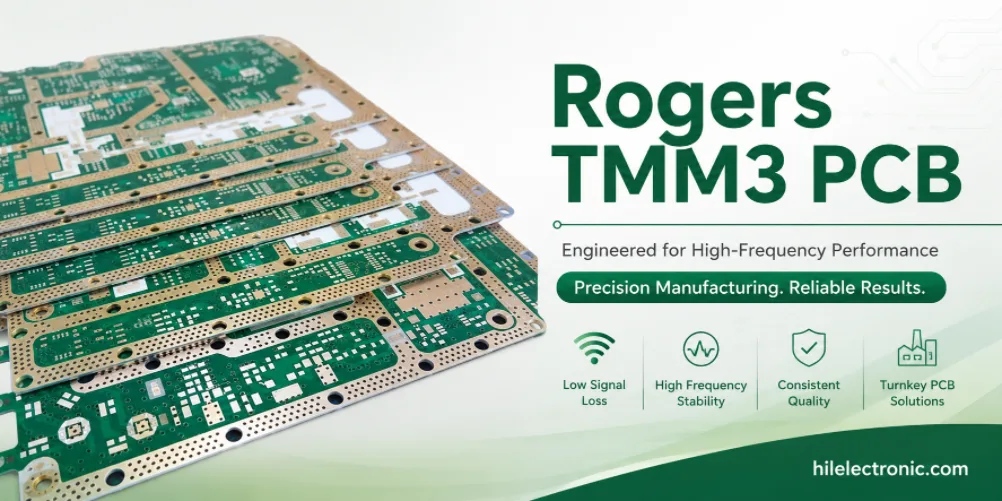
Produzione di PCB TMM3 per moduli RF
La produzione di PCB con TMM3 è particolarmente utile quando il modulo RF...
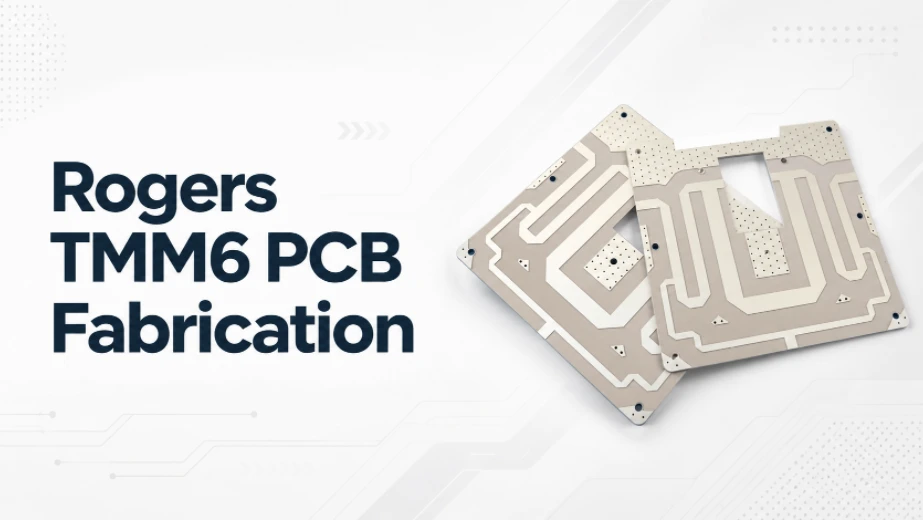
Fabbricazione di PCB TMM6
La fabbricazione TMM6 è la pagina di controllo del processo per un Dk medio...
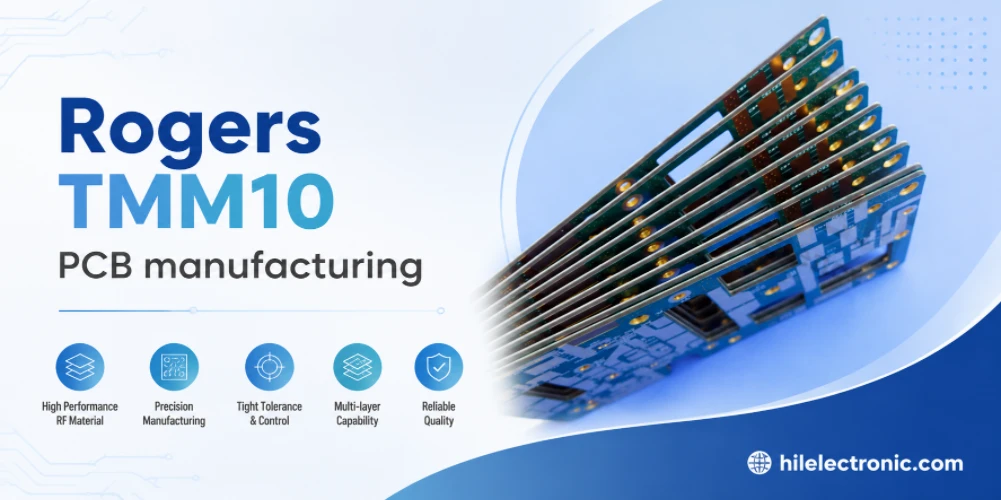
Produzione di PCB TMM10 per progetti RF compatti.
Indice dei contenutiCome TMM10 riduce le dimensioni delle strutture RFTMM10 vs...
Come ottenere un preventivo per i PCB
Eseguiremo un'analisi DFM/DFA per te e ti invieremo un report. Puoi caricare i tuoi file in modo sicuro tramite il nostro sito web. Per poterti fornire un preventivo, abbiamo bisogno delle seguenti informazioni:
-
- Specifiche Gerber, ODB++ o .pcb.
- Elenco BOM se è necessario l'assemblaggio
- Quantità
- Tempo di svolta
Per i servizi PCBA, vi preghiamo di fornire la vostra distinta base (BOM) e le istruzioni di assemblaggio specifiche. Offriamo anche analisi DFM/DFA per ottimizzare i vostri progetti in termini di producibilità e assemblaggio, garantendo un processo produttivo fluido.