
Produzione di PCB e PCBA Zero Client per endpoint dedicati ad accesso remoto.
Sommario
- Definire il confine hardware, firmware e di provisioning del client zero
- Controllo di PCB e PCBA per interfacce di rete, display e USB.
- Firmware, dati di identità e di provisioning in fabbrica
- Approvvigionamento di componenti per hardware endpoint sensibile alla piattaforma
- Test funzionali e tracciabilità per endpoint dedicati ad accesso remoto.
- NPI e controllo dei costi per schede PCBA Zero Client predisposte
- Produzione transfrontaliera di hardware dedicato per endpoint VDI.
- Preparare un pacchetto di produzione PCB/PCBA Zero Client
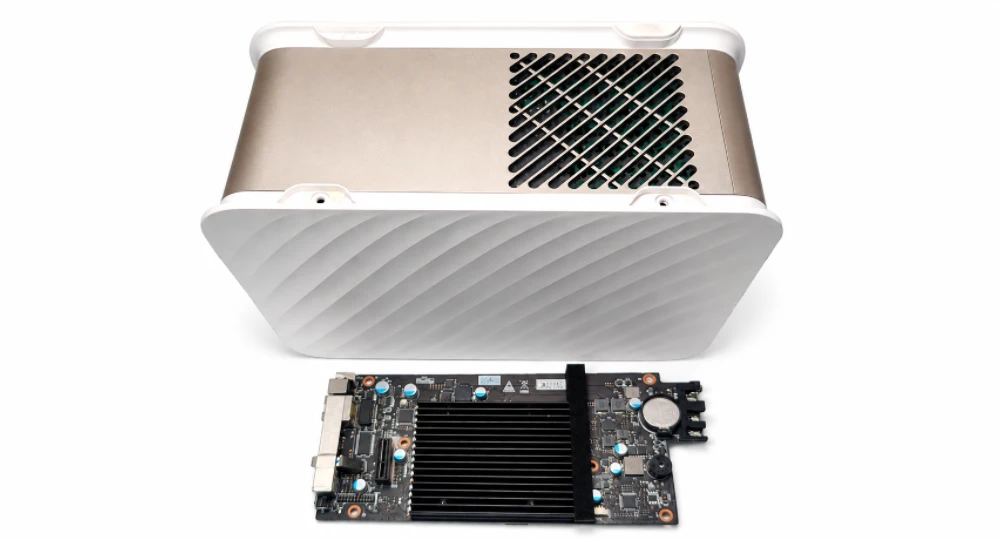
Un client zero è un endpoint dedicato all'accesso remoto in cui le funzioni di elaborazione locali sono ridotte al minimo e il dispositivo è strettamente integrato con un ambiente desktop o workstation remoto. Le implementazioni commerciali variano: alcune utilizzano una memoria locale molto limitata e nessun sistema operativo locale generico, mentre altre si basano su firmware integrato e software di piattaforma specifico per il protocollo. Tale variabilità rende la definizione hardware/firmware rilasciata essenziale per la produzione.
Highleap Electronics supporta i dispositivi elettronici zero client di proprietà del cliente, dalla fabbricazione e assemblaggio di PCB fino all'approvvigionamento approvato, alla programmazione, alla serializzazione e ai test funzionali definiti dal cliente, a condizione che vengano forniti i dati di produzione necessari. Highleap produce l'hardware del dispositivo finale; l'architettura di accesso remoto del cliente, la politica delle credenziali, le licenze di protocollo e la progettazione della sicurezza informatica rimangono al di fuori dell'ambito standard della produzione di PCB/PCBA.
La scheda in sé può essere compatta, ma l'affidabilità della rete, l'output video, la connettività USB/periferiche e la precisione del provisioning possono essere più importanti dell'espansione di elaborazione locale. I controlli di produzione dovrebbero riflettere questi rischi specifici del dispositivo.
1. Definire il confine hardware, firmware e di provisioning del client zero
Un pacchetto zero client pronto per la produzione necessita di qualcosa di più di Gerber, BOM e CPL. La fabbrica deve sapere quale firmware o immagine embedded appartiene alla revisione hardware, se sono programmati identificatori specifici del dispositivo, come viene verificata la corretta programmazione e quali dati sensibili, se presenti, vengono gestiti durante la produzione.
Dipendenze di compilazione
Il cliente deve inoltre definire il confine tra il test di fabbrica e la convalida dell'implementazione. Highleap può verificare l'hardware prodotto rispetto a una procedura locale approvata, ma l'autenticazione a un ambiente VDI/DaaS di produzione o la convalida finale delle policy potrebbero richiedere un'infrastruttura controllata dal cliente.
Mantenere le dichiarazioni di sicurezza degli endpoint entro l'ambito
La tracciabilità della produzione, la programmazione controllata e la gestione degli identificativi possono supportare un processo produttivo sicuro, ma da sole non garantiscono la sicurezza informatica del client zero finito o dell'ambiente desktop remoto.
2. Controllo di PCB e PCBA per interfacce di rete, display e USB.
La connettività di rete è fondamentale per un endpoint di accesso remoto, pertanto i circuiti Ethernet, i componenti magnetici, i connettori, i clock, il filtraggio dell'alimentazione e il relativo routing ad alta velocità devono essere realizzati in conformità al progetto approvato. Se si utilizza il Wi-Fi o un altro modulo radio, i requisiti relativi al modulo, al connettore dell'antenna e alle interferenze devono essere controllati come parte del pacchetto hardware approvato.
Vincoli fisici
Le interfacce per display, USB, audio e alimentazione creano ulteriori requisiti di assemblaggio e meccanici. Le risorse di Highleap per l'assemblaggio di PCB di comunicazione rappresentano un importante ponte produttivo per i prodotti che combinano la connettività di rete con molteplici interfacce esterne. Il codice articolo del connettore, l'altezza di alloggiamento e il datum dell'involucro devono essere verificati durante la fase di produzione del prototipo.
Controllo della produzione
Se il circuito stampato contiene reti a impedenza controllata, i requisiti di impilamento e impedenza devono essere specificati esplicitamente. Una modifica del materiale o del dielettrico non deve essere accettata solo perché il circuito stampato supera ancora il test di continuità di base.
3. Firmware, dati di identità e di provisioning in fabbrica
La programmazione deve essere trattata come un'operazione di produzione controllata. Il responsabile della documentazione deve identificare l'immagine approvata, la revisione hardware, il metodo di programmazione, il risultato della verifica e la regola di rilavorazione. Se il cliente richiede indirizzi MAC, numeri di serie, certificati o altri dati univoci, il processo deve prevenire la duplicazione e mantenere una registrazione degli identificativi utilizzati.
Architettura di base
La gestione di dati sensibili richiede un passaggio di consegne concordato. Il cliente deve definire chi fornisce i dati, chi può accedervi, come vengono gestite le unità guaste o scartate, come vengono emessi gli identificativi sostitutivi e quale record di produzione viene restituito. Highleap può eseguire le procedure approvate dal cliente, ma non si deve presumere che crei o gestisca l'infrastruttura delle credenziali del cliente.
Dipendenze di compilazione
| Controllo del provisioning | Requisiti di fabbrica |
|---|---|
| Corrispondenza hardware/firmware | Immagine approvata mappata sulla revisione esatta del PCB/PCBA. |
| Identificatori univoci | Fonte controllata, prevenzione delle duplicazioni e gestione trasparente delle unità guaste. |
| Verifica della programmazione | Conferma definita tramite lettura, checksum, versione o altra conferma approvata dal cliente. |
| Gestione della rilavorazione | Regole che stabiliscono se i dati possono essere riutilizzati, riemessi o devono essere eliminati. |
| Record di produzione | I campi di tracciabilità concordati vengono restituiti con la build quando richiesto. |
La compatibilità del protocollo o del broker deve rimanere legata alla piattaforma del cliente.
Gli endpoint di accesso remoto possono essere progettati in base a diversi ecosistemi software e di protocollo. L'assemblatore di PCB non dovrebbe dare per scontata la compatibilità basandosi unicamente sulla dicitura "zero client". La selezione del processore/SoC, il firmware, le funzionalità di visualizzazione, il reindirizzamento USB, l'hardware di autenticazione e il comportamento di rete derivano tutti dalla piattaforma approvata dal cliente.
In fase di produzione, la procedura corretta consiste nel preservare la combinazione validata. Qualsiasi modifica proposta a un circuito integrato, a un dispositivo flash o a un componente di sicurezza sensibile alla piattaforma deve essere sottoposta all'approvazione del cliente prima di essere introdotta in un lotto di produzione.
Highleap Electronics • Produzione e assemblaggio di PCB
Richiedi una revisione della produzione di PCB Zero Client
Inviate il vostro file Gerber o ODB++, la distinta base (BOM), i dati di assemblaggio e la quantità. Highleap esaminerà la fabbricazione del PCB, l'approvvigionamento dei materiali, l'assemblaggio, la programmazione e l'ambito di test per una produzione controllata.
Richiedi un preventivo per PCB e PCBA → Discuti i requisiti di produzione →
✓ Analisi DFM e DFA ✓ Dalla prototipazione alla produzione in serie ✓ Realizzazione e assemblaggio di PCB
4. Approvvigionamento dei componenti per hardware endpoint sensibile alla piattaforma
Le distinte base dei client zero possono contenere componenti strettamente legati al firmware dell'endpoint o allo stack del protocollo di accesso remoto. Processore/SoC, dispositivi di rete, memoria flash, clock, dispositivi di sicurezza (ove presenti) e controller di interfaccia non devono essere sostituiti solo perché un altro componente appare elettricamente simile.
Integrità della distinta base
Highleap supporta l'approvvigionamento dei componenti utilizzando un AVL approvato e un processo di sostituzione controllato dal cliente. Blocca i MPN critici laddove la relazione hardware/firmware lo richieda e classifica i componenti a basso rischio con regole alternative documentate. Ciò offre flessibilità di approvvigionamento senza trasformare una carenza in una riprogettazione della piattaforma non verificata.
La meccanica dei connettori è ancora importante negli endpoint definiti dal software.
Codice articolo / Rischio del ciclo di vita
Anche quando la maggior parte dell'esperienza utente deriva da una sessione remota, il prodotto fisico dipende comunque da connettori Ethernet, display, USB e di alimentazione utilizzati ripetutamente. Un connettore può essere conforme allo schema elettrico ma non essere compatibile con il prodotto se la sua altezza, le linguette di fissaggio o la geometria di montaggio non corrispondono all'involucro. La produzione pilota dovrebbe quindi includere verifiche di compatibilità meccanica, oltre alla funzionalità di rete e del display.
Regola della parte alternativa
Se un contenitore supporta diverse configurazioni di porte, la composizione dei connettori e i relativi componenti dello chassis devono essere gestiti congiuntamente tramite controllo di revisione. Ciò impedisce alla fabbrica di produrre una scheda PCBA corretta per una variante meccanica errata.
5. Test funzionali e tracciabilità per endpoint dedicati ad accesso remoto
I test in fabbrica dovrebbero verificare le funzioni che possono essere influenzate dalla fabbricazione, dall'assemblaggio e dalla programmazione del PCB. A seconda del progetto, ciò può includere l'accensione, l'identificazione del firmware, il collegamento Ethernet e il trasferimento dati, le uscite video, le porte USB, l'audio e altri I/O definiti dal cliente.
Funzioni a livello di sistema
Highleap può integrare i test funzionali dei PCB quando il cliente fornisce software di test, dispositivi di fissaggio e criteri di accettazione. Se la verifica finale richiede un broker di protocollo, una workstation remota, un tenant cloud o un'infrastruttura di credenziali, il progetto deve specificare se tale ambiente viene riprodotto in fabbrica o gestito durante l'accettazione da parte del cliente.
Tracciabilità
La tracciabilità dovrebbe collegare l'unità fisica alla sua revisione hardware, all'immagine programmata e a qualsiasi identificativo univoco utilizzato durante la produzione. Queste informazioni sono particolarmente preziose quando viene implementata una flotta e un problema successivo deve essere suddiviso in popolazioni hardware, firmware o di configurazione.
6. NPI e controllo dei costi per PCBA Zero Client predisposti
Il costo di produzione per il cliente zero può essere determinato tanto dalla programmazione e dai test quanto dal circuito stampato stesso. La serializzazione, la gestione dei dati univoci, i test dell'interfaccia di rete/display e le attrezzature specifiche del cliente aggiungono lavoro di produzione che potrebbe non essere incluso in un preventivo SMT generico.
Sequenza di produzione
- Prototipo. La build NPI dovrebbe congelare la costruzione del PCB approvata, la distinta base (BOM), l'immagine del firmware, il flusso di lavoro di provisioning, le regole di identificazione, il test dell'interfaccia e l'etichettatura. Una volta che questi controlli sono stabili, la produzione successiva può riutilizzare la stessa base e isolare solo le modifiche al prodotto approvate.
- Pilota / NPI (Numero di Prodotto). Per il confronto dei preventivi, si considerano separatamente la fabbricazione del PCB, la distinta base (BOM) fornita da terzi, l'assemblaggio del PCBA, la programmazione/preparazione, il test funzionale e l'integrazione opzionale con l'involucro. Questo impedisce che un prezzo basso per il solo assemblaggio venga confrontato direttamente con un preventivo che include un PCBA completo e preconfigurato.
- Controllo delle build ricorrenti. I prodotti preconfigurati necessitano di una risposta definita quando una scheda non supera il test dopo l'assegnazione di un identificativo o di una credenziale univoca. Il progetto dovrebbe specificare se il valore viene mantenuto con l'unità riparata, dismessa o sostituita; se la programmazione duplicata è tecnicamente bloccata; e come vengono registrate le unità scartate. Si tratta di una questione di controllo della produzione che diventa difficile da risolvere una volta avviata la produzione di massa.
Pianifica la gestione degli errori e delle rilavorazioni prima che i dati univoci vengano utilizzati.
Se in fabbrica non vengono programmati dati sensibili o univoci, il processo può essere più semplice. Il preventivo dovrebbe specificarlo chiaramente, anziché sottintendere un lavoro di predisposizione non richiesto dal cliente.
7. Produzione transfrontaliera di hardware dedicato per endpoint VDI
I dispositivi zero-client e gli endpoint dedicati per l'accesso remoto sono prodotti fortemente dipendenti dalla configurazione. La loro implementazione di rete, display, USB, sicurezza, identità e provisioning varia a seconda della piattaforma, pertanto un partner di produzione internazionale deve sviluppare e verificare il progetto rilasciato anziché sostituirlo con una definizione generica di "zero-client".
Stati Uniti e Canada: Endpoint ad accesso remoto controllato
I team OEM o di hardware aziendale nordamericani che valutano un produttore di PCB zero client in Cina dovrebbero definire quali dispositivi programmabili, identificatori univoci, certificati, dati di configurazione o immagini firmware vengono caricati in fabbrica. Tali elementi dovrebbero essere collegati alla revisione della scheda e ai registri di test, in modo che le unità di produzione possano essere tracciate fino alla versione approvata.
Regno Unito, Germania e Paesi Bassi: hardware VDI ripetibile
Per i progetti europei, un preventivo per l'assemblaggio di PCBA per endpoint VDI aziendali dovrebbe specificare i requisiti relativi al display e all'interfaccia USB, all'hardware Ethernet, agli eventuali asset di sicurezza forniti dal cliente, alla responsabilità del provisioning e ai criteri di accettazione funzionale. Il processo produttivo dovrebbe separare i dati riservati del cliente dai normali registri di processo dei componenti e dei PCB.
Australia, Singapore e Giappone: supporto per l'implementazione distribuita
Quando i dispositivi endpoint vengono spediti a più uffici o ambienti gestiti, un fornitore di elettronica per endpoint desktop remoti necessita di regole chiare per la configurazione e l'etichettatura. Le differenze regionali relative agli accessori o all'imballaggio non devono generare varianti incontrollate di schede PCBA; ogni opzione elettrica deve avere una propria distinta base (BOM) e una definizione di test rilasciate.
Highleap è in grado di produrre e assemblare dispositivi elettronici zero-client progettati dal cliente per programmi B2B internazionali. È necessario includere destinazione, revisione, metodo di fornitura, quantità e risorse di test nei file PCB/PCBA, in modo che il preventivo possa identificare l'ambito di produzione e le dipendenze dei dati prima dell'inizio della produzione.
8. Preparare un pacchetto di produzione PCB/PCBA Zero Client
Inviare file Gerber o ODB++, note di assemblaggio/fabbricazione, distinta base (BOM), elenco componenti (CPL), disegni di assemblaggio, quantità e revisione hardware. Aggiungere l'immagine del firmware, le istruzioni di programmazione, i requisiti di identificazione/provisioning e il metodo di test di produzione quando questi passaggi sono necessari.
Valutazione di fabbrica
Highleap può esaminare il progetto e definire i parametri di produzione per la fabbricazione, l'approvvigionamento, l'assemblaggio, la programmazione, la tracciabilità e il collaudo funzionale dei PCB. Utilizza la pagina di richiesta preventivo per l'assemblaggio dei PCB per inviare i file del progetto.

Messaggi consigliati
Produzione di PCB per filtri TMM4
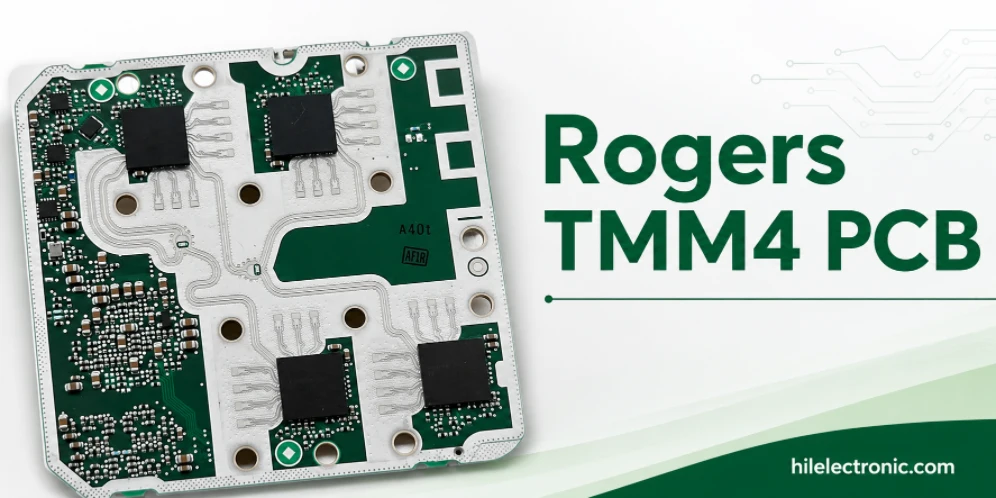
La produzione del PCB del filtro TMM4 è controllata da...
Produzione di PCB TMM3 per moduli RF
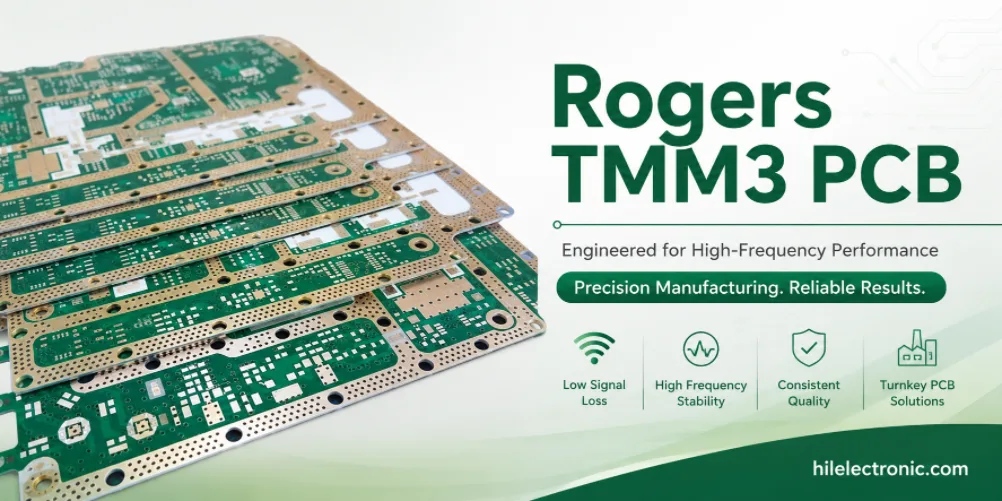
La produzione di PCB con TMM3 è particolarmente utile quando il modulo RF...
Fabbricazione di PCB TMM6
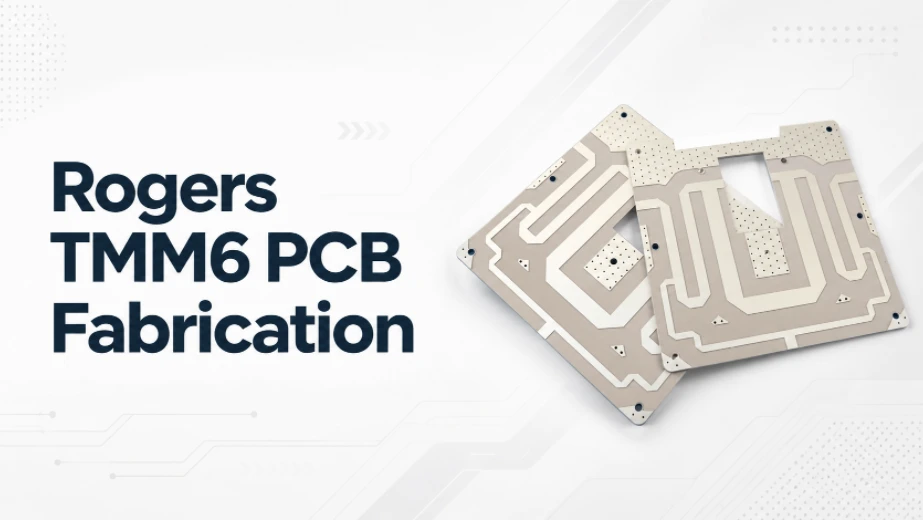
La fabbricazione TMM6 è la pagina di controllo del processo per un Dk medio...

Fabbricazione di PCB e DFM per TMM10i
La fabbricazione di PCB con TMM10i pone maggiore enfasi sul DFM (Design for Manufacturing) perché...
Come ottenere un preventivo per i PCB
Eseguiremo un'analisi DFM/DFA per te e ti invieremo un report. Puoi caricare i tuoi file in modo sicuro tramite il nostro sito web. Per poterti fornire un preventivo, abbiamo bisogno delle seguenti informazioni:
-
- Specifiche Gerber, ODB++ o .pcb.
- Elenco BOM se è necessario l'assemblaggio
- Quantità
- Tempo di svolta
Per i servizi PCBA, vi preghiamo di fornire la vostra distinta base (BOM) e le istruzioni di assemblaggio specifiche. Offriamo anche analisi DFM/DFA per ottimizzare i vostri progetti in termini di producibilità e assemblaggio, garantendo un processo produttivo fluido.