
Produzione e assemblaggio di circuiti stampati per lettori RFID portatili, destinati a dispositivi RFID palmari.

I lettori RFID portatili integrano trasmissione RF, elaborazione digitale, connettività wireless, ricarica della batteria ed elettronica di interfaccia utente all'interno di un involucro con vincoli meccanici. Il circuito stampato (PCB) deve mantenere un comportamento RF stabile, supportando al contempo un'elevata densità di componenti, un'alimentazione affidabile e un assemblaggio ripetibile.
Highleap Electronics produce e assembla schede PCB e PCBA per lettori RFID progettate su misura per il cliente. La nostra gamma di prodotti può includere la fabbricazione di PCB nudi, l'approvvigionamento dei componenti, l'assemblaggio SMT/THT, la programmazione, l'ispezione e i test funzionali definiti dal cliente, con un processo produttivo basato sui dati di progettazione forniti anziché su un'architettura di lettore generica.
1. Priorità chiave nella progettazione e produzione di PCB per lettori RFID portatili
Una scheda di lettura RFID portatile pronta per la produzione deve preservare il percorso RF validato, mantenendo al contempo la realizzabilità delle interfacce digitali, di alimentazione e meccaniche. I seguenti aspetti devono essere risolti prima che i dati del prototipo vengano rilasciati per la produzione di massa.
- Definizione di stack-up RF: Lo spessore del dielettrico, il peso del rame e la struttura del piano di riferimento devono rimanere coerenti con il modello elettrico. Highleap può applicare i controlli utilizzati per Produzione di PCB RF quando la costruzione rilasciata definisce i requisiti misurabili.
- Percorsi a impedenza controllata: Le alimentazioni dell'antenna, le connessioni del modulo RF e altre linee controllate devono identificare l'impedenza e la tolleranza target. Il pacchetto di fabbricazione deve seguire le stesse ipotesi utilizzate per Controllo dell'impedenza RF su PCB piuttosto che lasciare le modifiche allo stack alla produzione.
- Protezione contro le interferenze dell'antenna: Il rame di terra, la componentistica metallica, le schermature e le batterie possono alterare il comportamento dell'antenna. Quando il lettore utilizza un'antenna integrata, i principi di layout alla base Progettazione di antenne su PCB dovrebbe essere congelato nei dati meccanici e del PCB rilasciati.
- Strategia di schermatura RF: I telai di schermatura possono isolare la sezione RF da processori, display e convertitori di commutazione, ma influiscono anche sulla rilavorazione e sul comportamento termico. La scheda dovrebbe definire le caratteristiche di messa a terra e di assemblaggio coerenti con Schermatura RF per PCB.
- Integrità della potenza sotto carico di trasmissione: Le raffiche di trasmissione possono creare brevi picchi di corrente. La distribuzione del rame, il disaccoppiamento e il posizionamento del regolatore devono essere valutati in base al ciclo di lavoro effettivo del lettore, e non solo in condizioni di banco a bassa corrente.
- Controllo dell'interfaccia meccanica: I connettori USB-C, i connettori scheda-scheda, i contatti della batteria, i moduli scanner e i pin pogo richiedono un posizionamento e un accesso di accoppiamento controllati, poiché una scheda può superare l'ispezione elettrica e comunque non integrarsi correttamente nel contenitore.
Ogni lettore RFID portatile richiede un laminato ad alta frequenza?
No. La scelta del materiale deve basarsi sulla frequenza operativa effettiva, sull'obiettivo di perdita di inserzione, sulla geometria della linea di trasmissione e sul progetto validato. I laminati speciali devono essere utilizzati laddove i requisiti ingegneristici lo giustifichino; altrimenti, una struttura FR-4 appropriata può risultare più economica e più facile da reperire.
Quando è opportuno utilizzare HDI in un circuito stampato per lettori RFID?
HDI è appropriato quando il routing di uscita del package a passo fine, l'area del circuito stampato o la densità dei via richiedono microvia o via-in-pad. Le dimensioni compatte del prodotto da sole non giustificano un'ulteriore laminazione sequenziale.
2. Integrazione RF, di alimentazione e termica in una scheda PCBA per lettore RFID portatile
I lettori RF sono prodotti multidominio. Sezioni RF, bus digitali ad alta velocità, regolatori di commutazione e sistemi di ricarica della batteria possono operare contemporaneamente, pertanto i file di produzione devono identificare chiaramente quali geometrie e materiali sono critici per le prestazioni.
- Selezione del materiale in funzione della frequenza: Se la perdita di inserzione o il comportamento di fase diventano critici, la selezione del materiale può essere rivista rispetto alle esigenze effettive descritte per un PCB ad alta frequenzaLa maggior parte del circuito stampato non necessita di materiali speciali, a meno che il progetto non lo richieda.
- Controllo dei componenti della rete di adattamento: Gli induttori e i condensatori nel percorso RF devono utilizzare MPN (Manufacturer Number of Package) già rilasciati o alternative approvate dal cliente. Le caratteristiche parassite del package, la tolleranza, il fattore di merito Q e il comportamento di auto-risonanza possono essere rilevanti anche quando il valore nominale rimane invariato.
- Diffusione del calore locale: I dispositivi di potenza RF, i circuiti integrati di ricarica e i processori devono disporre di un'adeguata area di rame e di vie termiche laddove richiesto dal produttore del componente e dal progetto. Occorre inoltre considerare la temperatura dell'involucro, poiché i prodotti portatili hanno un flusso d'aria limitato.
- Continuità del ritorno a terra: Le correnti digitali e RF veloci dovrebbero avere percorsi di ritorno prevedibili. Suddivisioni non necessarie o modifiche di produzione in prossimità di percorsi controllati possono alterare il comportamento EMI e RF.
- Stato di funzionamento della batteria e del caricabatterie: Il cliente deve specificare se il lettore funziona durante la ricarica, se le funzioni di trasmissione sono attive durante i test di carica e quali condizioni di alimentazione o della batteria la fabbrica deve riprodurre.
Questi controlli migliorano la ripetibilità perché il team di produzione sa quali dettagli costruttivi sono elettricamente significativi e quali dimensioni sono principalmente meccaniche.
3. Assemblaggio di PCB, approvvigionamento dei componenti e ispezione per la produzione di lettori RFID
Un lettore RFID portatile può combinare dispositivi RF QFN/LGA, processori a passo fine, connettori FPC, telai di schermatura e porte esterne con carico meccanico. Il piano di assemblaggio dovrebbe quindi essere definito in base all'effettiva combinazione di componenti e alla responsabilità dei materiali.
- Assemblaggio SMT e a tecnologia mista: Highleap può fornire Assemblaggio PCB per il set di componenti rilasciato, comprese le operazioni SMT, a foro passante o selettive laddove il progetto lo richieda.
- Approvvigionamento di componenti approvato: Per la produzione chiavi in mano, la distinta base dovrebbe identificare i codici articolo del produttore, le alternative approvate, le parti RF non sostituibili e i moduli forniti dal cliente. Queste regole dovrebbero essere collegate al approvvigionamento dei componenti ambito prima dell'acquisto inizia.
- AOI per articolazioni accessibili: Il posizionamento, la polarità e le saldature visibili possono essere controllati utilizzando AOI nel PCBA quando la geometria del pacchetto consente l'accesso ottico.
- Radiografia per individuare terminazioni nascoste: I package BGA, LGA o con terminazione inferiore possono richiedere Ispezione a raggi X. quando il rischio relativo al piano di qualità del cliente o al processo giustifica una maggiore visibilità.
- Conferma del processo di prima compilazione: Prima del rilascio dell'intero lotto pilota, è necessario verificare le aperture dello stencil, il profilo di rifusione, la saldatura del telaio di schermatura e la coplanarità dei connettori.
Quali componenti RFID dovrebbero essere normalmente protetti dalla sostituzione automatica?
La risposta dipende dal progetto validato, ma i circuiti integrati front-end RF, i componenti delle reti di adattamento, i componenti degli oscillatori, i connettori per antenne e i moduli wireless approvati sono candidati comuni per un controllo più rigoroso delle sostituzioni.
Highleap Electronics • Produzione e assemblaggio di PCB
Revisione della produzione per PCB e PCBA di lettori RFID portatili
Invia i file PCB rilasciati, la distinta base (BOM), i dettagli dell'antenna o dell'interfaccia RF, la quantità prevista e i requisiti di test definiti dal cliente. Highleap può esaminare la fabbricazione, l'approvvigionamento, l'assemblaggio e l'ambito dei test funzionali rispetto al progetto effettivo del lettore.
Richiedi un preventivo per PCB → Discuti i requisiti per l'assemblaggio di PCB →
4. Test funzionali e accettazione in fase di produzione per schede PCBA di lettori RFID portatili
I test in fabbrica dovrebbero verificare una configurazione di produzione definita, anziché basarsi su un generico controllo all'accensione. La fase di test dovrebbe avvenire mantenendo accessibili i pad di programmazione, le interfacce RF e i connettori diagnostici.
- Verifica dell'alimentazione e dello stato di carica: Verificare i parametri definiti dal cliente, lo stato di carica, i limiti di corrente e la sequenza di avvio in base alle condizioni di fornitura concordate.
- Verifica del processore e del firmware: Verificare che l'immagine del firmware approvata, lo stato di avvio e l'identità della scheda siano sincronizzati con la revisione del PCB e della distinta base (BOM).
- Punto di controllo della comunicazione RFID: Utilizzare il comando di lettura, il tag, la distanza, l'orientamento o il metodo RF condotto definiti dall'OEM quando è richiesto un controllo RF in produzione.
- Verifica dell'interfaccia: Verificare le funzioni USB, gli ingressi trigger, il display, lo scanner o le funzioni di docking che rientrano nell'ambito concordato del PCBA.
- Limiti di superamento/fallimento ripetibili: Highleap può implementare soluzioni definite dal cliente test funzionali quando l'apparecchiatura, il software, i limiti e lo stato operativo richiesto sono documentati.
5. Rilascio della produzione, dati RFQ e ripetibilità per la produzione di PCB per lettori RFID portatili
La produzione ricorrente è più stabile quando i dati di fabbricazione, la distinta base, il firmware, la configurazione dell'antenna, le interfacce meccaniche e la procedura di test fanno tutti riferimento alla stessa revisione rilasciata. Modifiche che possono sembrare di poco conto al reparto acquisti possono essere significative per le prestazioni RF.
- Pacchetto di fabbricazione rilasciato: Fornire dati Gerber/ODB++ o equivalenti, file di foratura, stack-up, note sull'impedenza e specifiche della scheda.
- Distinta base controllata: Identificare i codici articolo del produttore (MPN) approvati, le alternative, i componenti DNI, i materiali in conto deposito e i componenti RF sensibili al ciclo di vita.
- Dati di assemblaggio: Fornire istruzioni per il prelievo e il posizionamento, informazioni sulla polarità/orientamento, dettagli sulla schermatura e note speciali sulla saldatura.
- Riferimenti meccanici: Quando questi elementi influenzano l'adattamento al PCB o il comportamento RF, è necessario includere le dimensioni di antenna, batteria, connettore, scanner e contenitore.
- Test e tracciabilità: Definire il firmware, il metodo di fissaggio, le regole relative ai numeri di serie, i dati conservati e i criteri di accettazione misurabili.
| Input di produzione | Di cosa ha bisogno Highleap | Perché è importante |
|---|---|---|
| Costruzione di PCB | Note sulla composizione, l'impedenza e i materiali rilasciati | Controlla la scheda RF e meccanica fornita dal reparto di fabbricazione. |
| Interfaccia antenna/RF | Disegno dell'antenna, dettagli del connettore e distinta base corrispondente. | Mantiene il percorso RF realizzato allineato alla configurazione convalidata. |
| Pacchetto di assemblaggio | Distinta materiali, baricentro e disegno di assemblaggio | Controlla la popolazione, l'orientamento e la responsabilità materiale. |
| Test funzionale | Firmware, dispositivi e criteri di superamento/fallimento | Definisce l'accettazione ripetibile della produzione. |
| Piano quantitativo | Prototipo, progetto pilota e volume ricorrente | Supporta l'approvvigionamento, la suddivisione in panel e la pianificazione della capacità di test. |
Quali modifiche dovrebbero indurre il cliente a richiedere una revisione prima del prossimo lotto di produzione RFID?
Qualsiasi modifica alla configurazione dello stack, all'antenna o all'involucro, alla rete di adattamento di impedenza, alla revisione del modulo RF, al riposizionamento della batteria, alla modifica del firmware o al metodo di test deve essere esaminata in base alle regole di controllo delle modifiche del produttore prima del rilascio.
Lista di controllo per la richiesta di offerta di produzione
- File di fabbricazione PCB e specifiche della scheda attuali
- Distinta base con codici articolo del produttore approvato e regole di sostituzione
- Disegno di assemblaggio e dati di prelievo e posizionamento
- Informazioni su antenna, connettore RF e interfaccia meccanica
- File di programmazione e revisione del firmware
- Procedura di prova funzionale e limiti di accettazione
- Prototipo, produzione pilota o quantità di produzione ricorrente
- Requisiti relativi a etichettatura, imballaggio e tracciabilità
Highleap Electronics offre servizi di fabbricazione e assemblaggio di PCB per prodotti RFID portatili progettati dai clienti. La parola chiave "Applicazione" descrive l'elettronica del prodotto del cliente; non significa che Highleap venda il lettore RFID finito. La produzione viene eseguita sulla base dei dati di progettazione rilasciati e dell'ambito di produzione concordato.

Messaggi consigliati
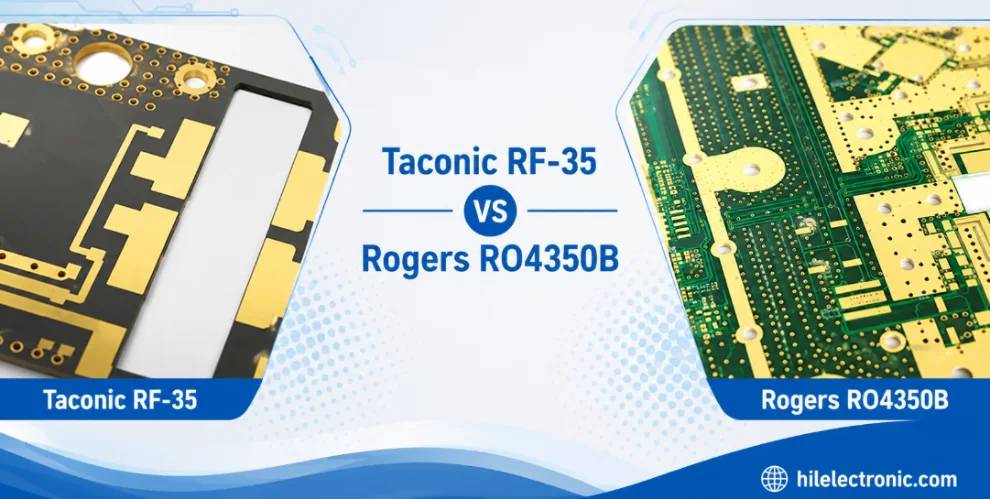
Taconic RF 35 vs RO4350B PCB
Indice RF-35 vs RO4350B Approvvigionamento e...
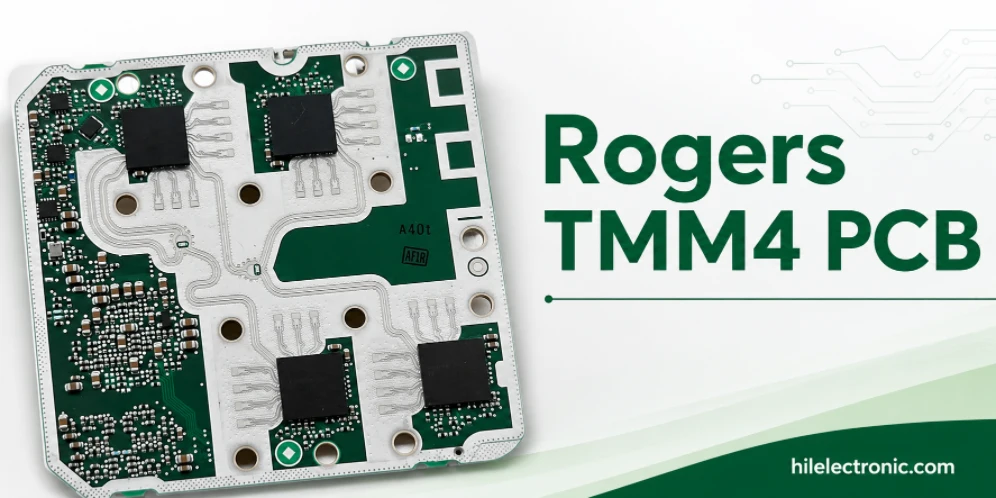
Produzione di PCB per filtri TMM4
La produzione del PCB del filtro TMM4 è controllata da...
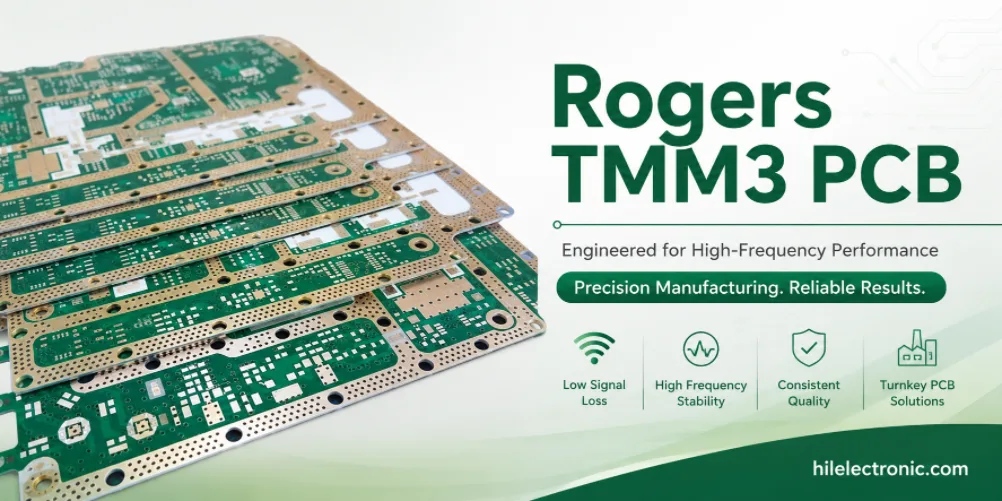
Produzione di PCB TMM3 per moduli RF
La produzione di PCB con TMM3 è particolarmente utile quando il modulo RF...
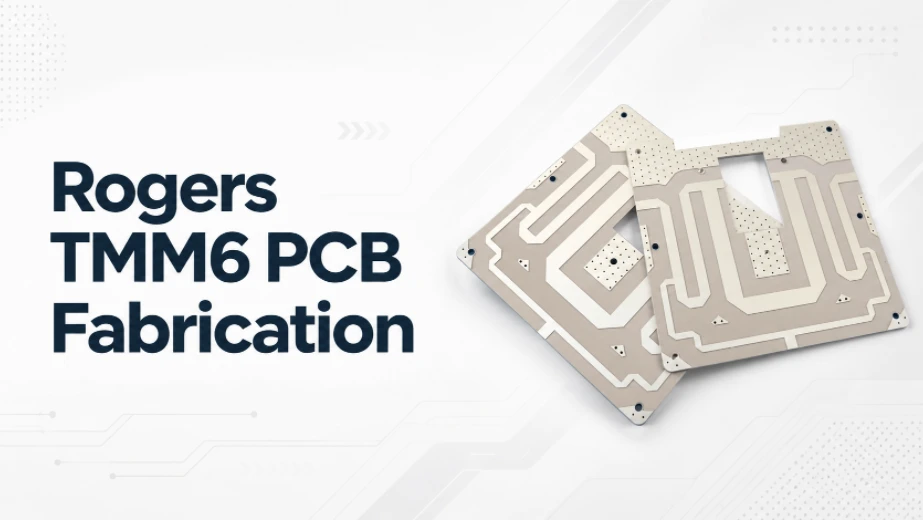
Fabbricazione di PCB TMM6
La fabbricazione TMM6 è la pagina di controllo del processo per un Dk medio...
Come ottenere un preventivo per i PCB
Eseguiremo un'analisi DFM/DFA per te e ti invieremo un report. Puoi caricare i tuoi file in modo sicuro tramite il nostro sito web. Per poterti fornire un preventivo, abbiamo bisogno delle seguenti informazioni:
-
- Specifiche Gerber, ODB++ o .pcb.
- Elenco BOM se è necessario l'assemblaggio
- Quantità
- Tempo di svolta
Per i servizi PCBA, vi preghiamo di fornire la vostra distinta base (BOM) e le istruzioni di assemblaggio specifiche. Offriamo anche analisi DFM/DFA per ottimizzare i vostri progetti in termini di producibilità e assemblaggio, garantendo un processo produttivo fluido.