
Друковані плати світлодіодних ламп для вирощування рослин: багатоканальні спектральні плати, драйвери та термоконструкція
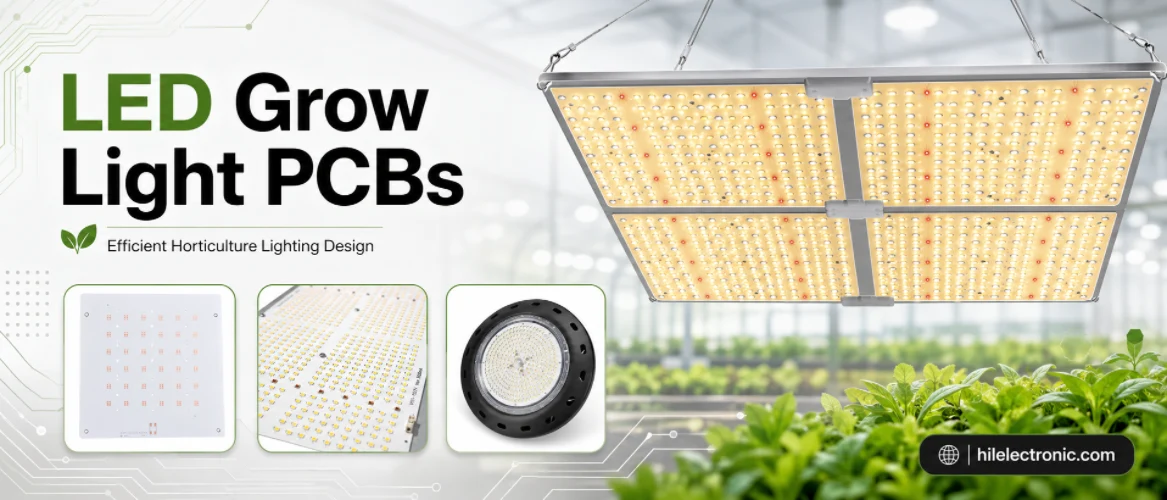
Рисунок 1. Довідник з виготовлення друкованої плати світлодіодних ламп для вирощування рослин.
Зміст
- Чому продуктивність освітлення для вирощування є проблемою спектру та потужності
- Багатоканальні спектральні світлові двигуни
- Плати налаштування спектру, дімування та керування
- Дошки всередині світильника для вирощування
- Тепловий дизайн для садівництва з високою щільністю потужності
- Вологість, корозія та загартування в теплицях
- Формати плат: планки, плати та модулі
- Можливості з першого погляду
- Чому один завод для спектру, управління та живлення
- Як замовити — файли, мінімальне замовлення та термін виконання
- Світлодіодна друкована плата лампи для вирощування рослин — Часті запитання
Лампа для вирощування рослин – це інструмент для фотосинтезу. Рослинам не важливі люмени – міра яскравості, яку вимірює людина, – вони реагують на фотони певної довжини хвиль, що подаються з правильною інтенсивністю протягом правильного часу. Це робить садівничий світильник принципово відмінним від будь-якого іншого світильника: він розроблений мовою спектру та потоку фотонів і повинен ефективно забезпечувати високу оптичну потужність протягом тривалих щоденних фотоперіодів, часто в умовах жаркого та вологого середовища вирощування.
Highleap Electronics — це повнофункціональний завод з виробництва та складання друкованих плат з металевим осердям , що надає повний спектр послуг. Багатоканальні двигуни високої щільності потужності, необхідні для освітлення для вирощування рослин, — це саме той тип вимогливої роботи з металевим осердям та керування, для якого створені наші лінії. Ми створюємо спектральний двигун, драйвер та плату керування, а потім збираємо їх у перевірений світильник. Цей посібник охоплює вимоги до спектру, керування та теплотехніки для садівництва, а також порядок замовлення. Ширшу категорію можна знайти на нашій сторінці повної програми друкованих плат для освітлення.
Швидка відповідь: Лампа для вирощування рослин побудована на основі спектру та потоку фотонів, а не яскравості: їй потрібен багатоканальний світловий двигун, що передає певні довжини хвиль (синій, червоний, далекий червоний, білий, іноді ультрафіолетовий), плата керування, яка налаштовує канали, та драйвер високого струму — все це на термостійкій платі для тривалих фотоперіодів. Highleap Electronics виготовляє та збирає багатоканальні повноспектрові двигуни, керування налаштуванням спектру та узгоджені драйвери з вологостійкістю за мінімальним замовленням 1 та кошторисом протягом 24 годин.
Чому продуктивність освітлення для вирощування є проблемою спектру та потужності
Метрики, що визначають лампу для вирощування, не є тими ж, що й звичайний світильник. Замість люменів та CRI, у садівництві використовується фотосинтетичний потік фотонів (PPF, загальна кількість фотонів у смузі росту, яку світильник випромінює за секунду), щільність потоку фотонів (PPFD, скільки цих фотонів фактично досягає крони, вимірюється в мкмоль/м²/с — приблизно 200-400 для розсади, що досягає 800-1,200 у пік цвітіння), та ефективність у мікромолях на джоуль (наскільки ефективно світильник перетворює електрику на корисні фотони; хороші садівничі діоди працюють приблизно 2.3-3.1 мкмоль/Дж). Лампа для вирощування хороша, коли вона ефективно забезпечує правильний спектр з правильною PPFD, годину за годиною.
Це повністю змінює структуру плати. Двигун повинен передавати конкретні довжини хвиль, які використовують рослини, система керування повинна встановлювати їхній баланс, драйвер повинен ефективно видавати високу потужність, а теплова конструкція повинна витримувати 12-18-годинний щоденний фотоперіод при високій щільності потужності. Кожне з цих рішень залежить від плати, тому лампа для вирощування є проблемою спектрально-енергетичної інженерії, а не освітлення.
Багатоканальні спектральні світлові двигуни
Спектральний механізм є серцем лампи для вирощування рослин і заслуговує на пильний розгляд, оскільки вибір та розташування довжин хвиль – це те, що робить прилад ефективним для вирощування рослин.
Довжини хвиль, які використовують рослини. Фотосинтез і розвиток рослин найсильніше реагують на певні частини спектра, і серйозний садівничий двигун оснащений кількома типами світлодіодів для їх покриття:
- Синій (~450 нм) — сприяє компактному, міцному вегетативному росту та є важливим для збалансованого спектру.
- Червоний (~660 нм) — найфотосинтетично ефективна смуга та робоча конячка для цвітіння та плодоношення.
- Далекий червоний (~730 нм) — впливає на цвітіння та видовження стебла через ефект Емерсона та фітохромну реакцію; дедалі поширеніший канал.
- Білий (повний спектр) — заповнює зелений та широкий спектр для збалансованого росту та дозволяє виробникам побачити справжній колір врожаю для огляду.
- УФ (~385-400 нм) — використовується обережно, щоб вплинути на вторинні метаболіти та компактність, іноді на керамічний підкладка для коротших довжин хвиль.
Архітектура каналу. Справжня інженерія полягає в тому, як ці довжини хвиль розташовані та з'єднані. Потужний двигун розміщує різні довжини хвиль на незалежно керованих каналах, розташованих таким чином, щоб кольори змішувалися в однорідне поле над пологом, а не відкидали плями одного кольору:
- Незалежні канали — групування кожної довжини хвилі на окремій схемі, щоб плата керування могла окремо налаштовувати її інтенсивність, що є основою настроюваного спектру; світлодіод високої щільності компонування, коли задіяно багато випромінювачів.
- Рівномірне просторове змішування — переплетення довжин хвиль по всій дошці, щоб купол бачив змішаний спектр усюди, а не червоний в одному місці та синій в іншому.
- Висока щільність упаковки — лампи для вирощування містять багато випромінювачів, щоб досягти цільового показника потужності випромінювання (PPFD), що збільшує як струм, так і нагрівання, яке має витримувати плата.
Проектування каналів двигуна та поєднання геометрії разом із платою керування перетворює колекцію кольорових світлодіодів на настроюваний, однорідний садівничий спектр — і саме тому цей двигун побудований інакше, ніж будь-яка плата з білим світлом.
Плати налаштування спектру, дімування та керування
Незалежно каналізований двигун корисний лише тоді, коли щось контролює канали, а сучасне садівництво все частіше хоче, щоб це керування було динамічним. Плата керування — це те місце, де прилад з фіксованим спектром перетворюється на настроюваний прилад дослідницького або виробничого класу.
Що робить контроль спектру. Виробники змінюють спектр та інтенсивність для різних культур та стадій росту — більше синього для листового вегетативного росту, більше червоного для цвітіння, посилення яскраво-червоного на певних стадіях, приглушена інтенсивність для розсади, підвищена інтенсивність для зрілого пологу. Панель керування робить це можливим:
- Дімування для кожного каналу — незалежне налаштування інтенсивності кожного каналу довжини хвилі, завдяки чому спектр і PPFD можна регулювати; це той вид точного керування, який ми використовуємо динамічне керування потужністю дошки забезпечують.
- Рецепти та розклади — використання світлових рецептів на основі етапів протягом циклу вирощування рослин, включаючи час фотоперіоду.
- Зміна сходу/заходу сонця — плавне збільшення інтенсивності, щоб уникнути шокуючих ефектів для рослин та імітувати природне світло.
- Мережеве керування — координація багатьох приладів у кімнаті для вирощування або на вертикальній фермі з одного контролера, пов’язаних з нашими інтелектуальне управління живленням конструкцій.
Ефективність завдяки контролю. Гарне керування також сприяє ефективності, що надзвичайно важливо, коли світильники працюють 12-18 годин на день на високій потужності — енергоспоживання є одним з найбільших експлуатаційних витрат при вирощуванні в приміщенні. Керування кожним каналом у його ефективній робочій точці, регулювання яскравості, коли не потрібна повна інтенсивність, та уникнення втрат потужності — все це покращує ефективність мікромоль на джоуль, яка визначає експлуатаційні витрати світильника.
Оскільки плата керування та багатоканальний механізм є двома половинами однієї настроюваної системи — канали на механізмі та логіка, яка ними керує — їх спільне проектування та побудова — це те, що робить керування спектром фактично робочим для всієї установки, а не є функцією, яка добре виглядає в технічному описі, але нерівномірно змішується або дрейфує між приладами.
Дошки всередині світильника для вирощування
Садівниче обладнання – це багатодощова система, і ми будуємо весь комплект:
- Багатоканальний спектральний механізм - металевий сердечник плата, що несе канали довжин хвиль.
- Драйвер високого струму - а водій ефективно забезпечуючи значну потужність, яку споживає щільний садовий масив.
- Плата керування спектром — налаштування інтенсивності, рецептів та розкладів для кожного каналу.
- Перетворення / розподіл енергії — для більших світильників та багатобар'єрних систем, DC-DC перетворення та розподіл до прутів двигуна.
Поєднання цих елементів дозволяє об'єднати спектр, керування та ефективну подачу високої потужності в один пристрій.
Тепловий дизайн для садівництва з високою щільністю потужності
Лампи для вирощування рослин споживають багато енергії протягом тривалого часу, тому тепловий дизайн є критично важливим — і він має певний садівничий підтекст. Тепло скорочує термін служби світлодіодів і зміщує спектр, що шкодить світильнику, від якого залежать виробники для стабільного вирощування врожаю, тому двигуну потрібен сильний тепловий шлях : високопровідний алюмінієвий або мідний сердечник, важка мідь для високого струму та конструкція, яка утримує низьку температуру переходу протягом 18-годинного фотоперіоду. Проблема полягає в тому, що світильники часто доводиться пасивно охолоджувати (вентилятори виходять з ладу і додають потреби в технічному обслуговуванні у вологому приміщенні для вирощування), що створює ще більше теплового навантаження на плату та радіатор. Ми проектуємо двигун таким чином, щоб він надійно відводив тепло протягом тривалого щоденного часу роботи, оскільки від цього залежить спектральна стабільність протягом циклу вирощування рослин.
Вологість, корозія та загартування в теплицях
Середовище для вирощування є вологим. Теплиці та криті ферми мають високу вологість, їх обприскують під час поливу, а іноді використовуються агресивні поживні тумани — умови, які руйнують незахищену електроніку. Тому садівничі дошки отримують справжнє екологічне посилення: конформне покриття та герметизацію від вологості та конденсату, герметичну або водонепроникну конструкцію для приладів, що піддаються впливу бризок та змивання, а також корозійностійке покриття для насиченого поживними речовинами повітря кімнати для вирощування. Рівень захисту залежить від того, чи знаходиться прилад у контрольованій критій фермі, вологій теплиці чи вертикальній стійці, що піддається впливу бризок, під час перевірки DFM.
Формати плат: планки, плати та модулі
Лампи для вирощування рослин бувають кількох фізичних форматів, і ми створюємо дошки для кожного з них:
- Світлові смуги — довгі лінійні двигуни, розташовані вздовж кріплення для рівномірного покриття крони, що є домінуючим форматом для комерційного та вертикального землеробства.
- Панелі у стилі квантової дошки — широкі плати, що розподіляють багато світлодіодів середньої потужності для рівномірного та ефективного покриття.
- COB-модулі — концентровані джерела високої потужності для світильників, що потребують інтенсивності та проникнення.
- Нестандартні форми — двигуни, розмір яких підбирається відповідно до конкретного пристосування, стійки або системи вирощування.
Формат, розташування каналів та теплова конструкція підбираються відповідно до культури, висоти монтажу та цільового показника PPFD.
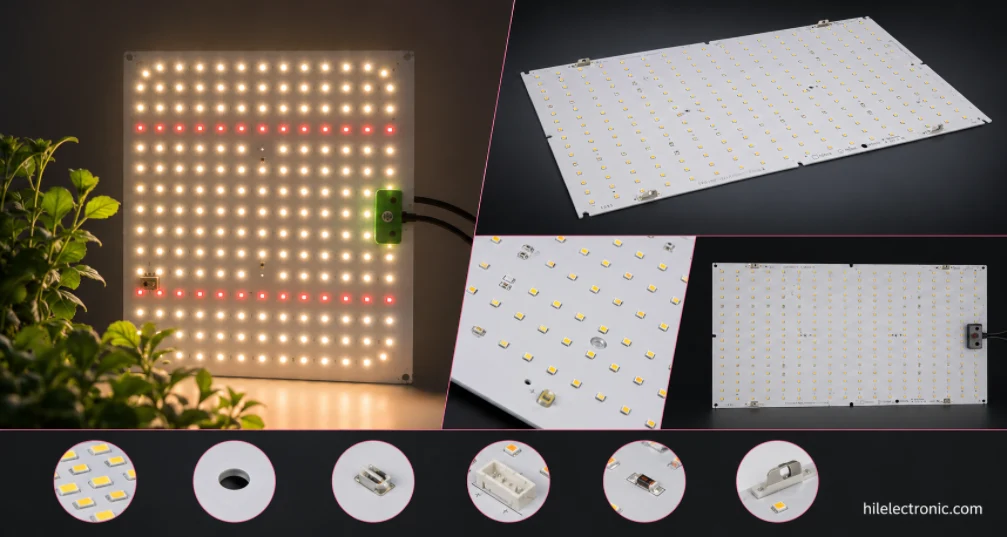
Рисунок 2. Виробництво та деталі складання друкованої плати світлодіодного світильника для вирощування рослин.
Огляд можливостей друкованих плат Grow Light
У таблиці підсумовано, що ми пропонуємо у сфері освітлювальних панелей для садівництва:
| Можливості | Standard | Розширені налаштування |
|---|---|---|
| Підкладка двигуна | Алюміній MCPCB | Мідний сердечник, керамічний для УФ-випромінювання |
| спектр | Фіксований повний спектр | Багатоканальний настроюваний (синій/червоний/далекий червоний/білий/УФ) |
| Канали | 1-2 | Незалежно регульований багатоканальний |
| Контроль | Увімкнення/вимкнення + затемнення | Рецепти для кожного каналу, нарощування, мережева |
| Охолодження | Active | Пасивна конструкція для тривалих фотоперіодів |
| Захист | Конформне покриття | Водонепроникний / герметичний для розпилення та змивання |
| сформований | Дошка / панель | Світлові панелі, COB-модулі, на замовлення |
| MOQ | 1 блок | Перерви в об'ємі від 10+ |
Спектр, контроль, формат та захист підбираються відповідно до вашої культури, середовища вирощування та цільової PPFD під час безкоштовного огляду DFM.
Чому один завод для спектру, управління та живлення
Лампа для вирощування працює, коли спектр, керування та ефективна подача високої потужності узгоджуються — канали на двигуні відповідають логіці контролера, а драйвер подає їх ефективно та холоднокровно. Розподіл цих сигналів між постачальниками призводить до нерівномірного змішування спектру, дрейфу каналів між приладами або зниження ефективності, яка визначає експлуатаційні витрати. Для приладу, на який виробник ставить урожай, це реальний ризик.
Компанія Highleap Electronics разом створює багатоканальний механізм, регулятор спектру та драйвер високого струму, враховуючи потреби садівництва у термічному та вологостійкому загартуванні, за мінімальним замовленням 1, щоб ви могли перевірити спектр та PPFD перед об'ємом виробництва. Надішліть ваш цільовий спектр, PPFD та середовище вирощування нашій команді зі складання друкованих плат для отримання цінової пропозиції протягом 24 годин.
Як замовити — файли, мінімальне замовлення та термін виконання
Замовлення світлодіодних дощок для вирощування рослин від Highleap Electronics починається з визначення цільового спектру, PPFD, формату світильника та середовища вирощування. Кожна цінова пропозиція включає безкоштовний огляд Design for Manufacturability (DFM), а мінімальне замовлення – одна одиниця без доплати за прототип.
Які файли надсилати
- Тільки виготовлення друкованих плат — Файли Gerber RS-274X (всі шари міді, паяльної маски та шовкографії), файл для свердління Excellon, контур плати на механічному шарі та примітки щодо виготовлення, що охоплюють підкладку, діелектрик, вагу міді, обробку поверхні та колір паяльної маски.
- Збірка друкованих плат (PCBA) — вищезазначене, а також специфікація матеріалів із номерами деталей виробника та їх кількістю, а також файл Pick-and-Place (Centroid) для компонентів поверхневого монтажу.
- Електроніка під ключ — вищезазначене, а також файли механічних деталей (STEP/DXF) для радіатора або корпусу, деталі оптики або лінзи, специфікації драйвера або керування, прошивки, якщо застосовується, та будь-яких фірмових або упаковочних зображень. Якщо файли відсутні, надішліть ті, що у вас є, і наша інженерна команда визначить прогалини під час перевірки DFM.
Мінімальна кількість замовлення та ціноутворення
- Мінімальна кількість замовлення становить 1 блок як за виготовлення, так і за складання, без штрафу за прототип.
- Об'ємна ціна знижується на рівні 10, 50, 100, 500 та 1,000+ одиниць.
- Ми зберігаємо ваші файли, тому для повторних замовлень не потрібно повторно розраховувати вартість інженерії.
Терміни виконання
- Виготовлення друкованих плат — Стандартно від 5 до 7 робочих днів; експрес-від 24 до 48 годин, за умови підтвердження місткості.
- Збірка друкованих плат (PCBA) — від 7 до 12 робочих днів, включаючи пошук компонентів; 5 днів експрес-доставка для наявності специфікації на складі.
- Модулі "під ключ" — зазвичай від 12 до 18 робочих днів залежно від основи, захисту та обсягу.
- Усі терміни виконання підтверджені у вашій ціновій пропозиції та починаються з моменту підтвердження замовлення та затвердження файлу.
Сертифікати та стандарти: управління якістю ISO 9001 , якість виготовлення IPC класу 2 та класу 3 , AOI та функціональне тестування кожної плати, а також рентгенівське, ІКТ та скринінг на вигорання. Ми здійснюємо доставку до понад 40 країн з повним відстеженням та надаємо документацію про відповідність на запит. Для друкованих плат світлодіодних ламп для вирощування рослин, надішліть файли Gerber, специфікацію продукції (BOM), вимоги до спектрального каналу, цільові теплові характеристики та цільові кількості через форму цінової пропозиції на веб-сайті, щоб Highleap Electronics могла разом розглянути світловий двигун, драйвер та план складання.
Світлодіодна друкована плата лампи для вирощування рослин — Часті запитання
Які довжини хвиль можна використовувати для лампи для вирощування рослин?
Повний садівничий діапазон на незалежно керованих каналах: синій (~450 нм) для вегетативного росту, червоний (~660 нм) як фотосинтетична робоча конячка для цвітіння, далекий червоний (~730 нм) для ефекту Емерсона та реакції стебла, білий/повний спектр для балансу та огляду культури, а також УФ (~385-400 нм) за потреби, іноді на керамічній підкладці. Ми розташовуємо довжини хвиль на макеті високої щільності , який рівномірно змішує їх по всьому пологу та дозволяє платі керування налаштовувати кожен канал окремо.
Чи можна створювати прилади з налаштовуваним спектром, а не лише з фіксованим повним спектром?
Так. Ми розміщуємо кожну довжину хвилі на окремому каналі та створюємо плату керування, яка встановлює інтенсивність для кожного каналу, щоб виробники могли змінювати спектр та PPFD залежно від культури та стадії росту, запускати світлові рецепти та графіки фотоперіоду на основі стадії, а також змінювати інтенсивність, як схід сонця. Таке керування для кожного каналу забезпечується нашими динамічними платами керування потужністю, і ми проектуємо канали двигуна та логіку керування разом, щоб налаштування фактично рівномірно змішувалося по всій установці.
Як ви справляєтеся з теплом від потужної лампи для вирощування, яка працює 18 годин на добу?
З потужним тепловим шляхом — високопровідним алюмінієвим або мідним осердям, важкою міддю для високого струму та конструкцією, яка утримує низьку температуру переходу протягом тривалого фотоперіоду, часто пасивно, оскільки вентилятори виходять з ладу та потребують технічного обслуговування у вологих приміщеннях для вирощування. Це важливо, оскільки тепло зміщує спектр і скорочує термін служби світлодіодів, а виробники залежать від спектральної стабільності протягом усього циклу вирощування.
Чи можуть дошки вижити у вологій теплиці або на вертикальній фермі, що піддається впливу обприскування?
Так. Ми додаємо конформне покриття від вологості та конденсату, герметичну або водонепроникну конструкцію для приладів, що піддаються впливу зрошувальних бризок та змивання, а також корозійностійке покриття для насиченого поживними речовинами повітря у приміщенні для вирощування. Під час перевірки DFM ми підбираємо рівень захисту залежно від того, чи знаходиться прилад у контрольованій критій фермі, вологій теплиці чи стелажі, що піддається впливу розпилювачів.
Ви створюєте світлові панелі та панелі з квантовими дошками, чи тільки один формат?
Ми створюємо всі поширені садівничі формати: довгі світлові панелі для рівномірного покриття крони (домінантний формат для комерційного та вертикального землеробства), широкі панелі у стилі квантових плат, що розподіляють безліч світлодіодів середньої потужності, концентровані COB-модулі для інтенсивності та проникнення, а також спеціальні форми двигунів, розмір яких підбирається відповідно до конкретного світильника або стійки для вирощування. Формат, розташування каналів та тепловий дизайн підбираються відповідно до вашої культури, висоти монтажу та цільового показника PPFD.

Рекомендовані повідомлення
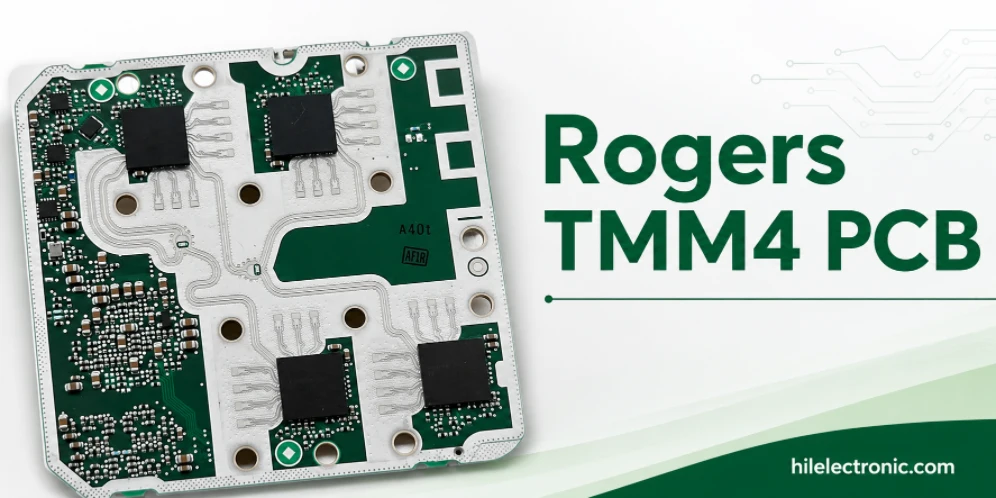
Виробництво друкованих плат фільтра TMM4
Виробництво друкованих плат фільтра TMM4 контролюється...
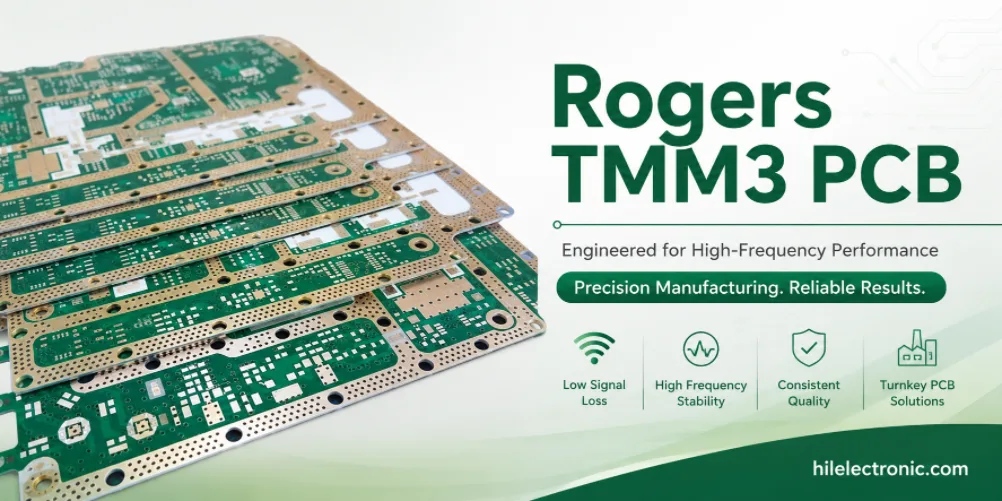
Виробництво друкованих плат TMM3 для радіочастотних модулів
Виробництво друкованих плат TMM3 найбільш корисне там, де радіочастотний модуль...
Виготовлення друкованих плат TMM6
Виготовлення TMM6 – це сторінка контролю процесу для середньої Dk...
Виробництво друкованих плат TMM10 для компактних радіочастотних конструкцій
ЗмістЯк TMM10 зменшує радіочастотні структуриTMM10 проти...
Як отримати цінову пропозицію на друковані плати
Давайте проведемо для вас аналіз DFM/DFA та надамо вам звіт. Ви можете безпечно завантажити свої файли через наш вебсайт. Нам потрібна наступна інформація, щоб надати вам цінову пропозицію:
-
- Gerber, ODB++ або .pcb, спец.
- Список специфікації, якщо вам потрібна збірка
- Кількість
- Час повороту
Для послуг з виготовлення друкованих плат (PCBA), будь ласка, надайте свою специфікацію матеріалів (BOM) та будь-які конкретні інструкції зі складання. Ми також пропонуємо аналіз DFM/DFA для оптимізації ваших конструкцій для технологічності та складання, забезпечуючи безперебійний виробничий процес.