
Друкована плата Nanya NPG-170D для безгалогенних конструкцій з високим рівнем температури (Tg)
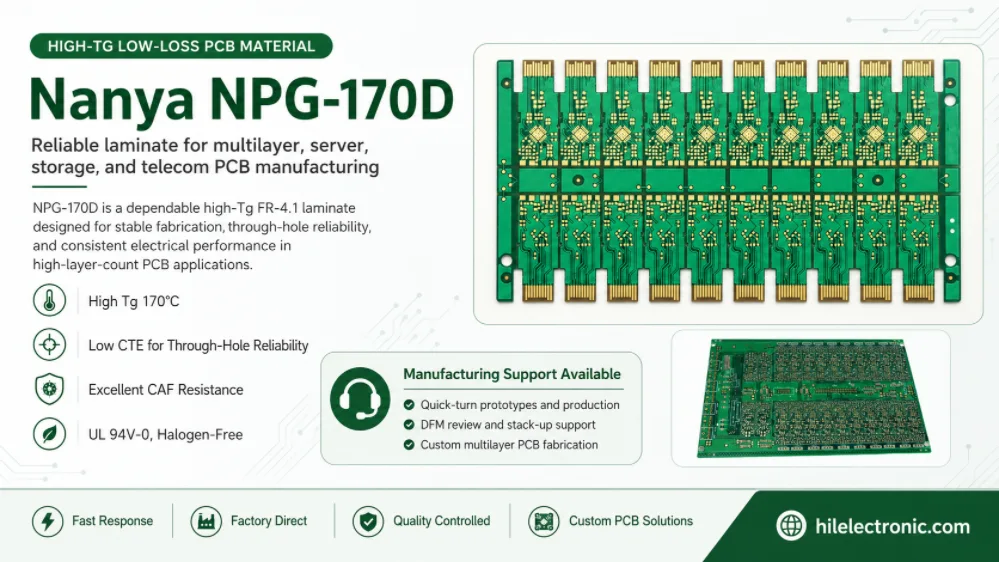
«NPG-170D» – це скорочена назва сімейства матеріалів, а не повна виробнича специфікація. У поточному публічному технічному описі Nan Ya щонайменше NPG-170DR та NPG-170DTL визначені як окремі склотканинні епоксидні вогнезахисні матеріали. Обидва описуються як не містять галогенів, сурми та червоного фосфору, використовують реактивні вогнезахисні речовини, відповідають стандарту UL 94 V-0, мають температуру нагрівання (Tg) при 170°C, низький коефіцієнт теплового розтягування (CTE), довготривалу надійність, стабільність розмірів, надійність у наскрізних отворах, блокування ультрафіолетового випромінювання та чудову стійкість до CAF.
Суфікс має значення. У публічному технічному описі представлено NPG-170DR з орієнтованим на надійність набором властивостей 1 ГГц, тоді як NPG-170DTL містить дані Dk/Df, залежні від конструкції та вмісту смоли, на частотах 1, 3 та 10 ГГц. У тому ж документі також є окрема сторінка з параметрами проектування з власними умовами випробувань та довідковими значеннями. Тому закупівля, моделювання імпедансу, кваліфікація та сертифікація повинні використовувати точний клас, точну конструкцію, точну сторінку з даними, відповідний препрег та контрольований перегляд документації.
Чому «NPG-170D» не є повним викликом до закупівлі
Прізвище може бути зручним під час перевірки матеріалу друкованої плати , але воно небезпечне на кресленні або в замовленні на купівлю. Постачальник може інтерпретувати скорочення по-різному, вказати місцевий суфікс або надати конструкцію, яка відповідає тепловим вимогам, але не припущенням щодо імпедансу. Неоднозначність стає дорогою після того, як художнє оформлення, документація UL або кваліфікація клієнта прив'язані до певного класу.
| Неповний виклик | Прихована неоднозначність | Завершений випускний елемент |
|---|---|---|
| НПГ-170Д | DR або DTL; ламінат/препрег; конструкція та редакція невідомі. | Точний сорт, ламінат та відповідні позначення препрегу, поточна редакція TDS. |
| Без галогенів | Який стандарт, обмеження, метод випробування, деталі та сертифікат? | Названі обмеження IEC/JPCA/клієнта та необхідні декларації для ламінату, препрегу та готової друкованої плати. |
| 170°C Tg | ДСК або ТМА, допуск та зразок не вказані. | Точний клас та контрольований паспорт якості; враховуйте інші вимоги до теплового/КТР. |
| Дк 3.x | Частота, вміст смоли, метод, конструкція та суфікс невідомі. | Джерело Dk/Df для кожного шару, пов'язане з точною конструкцією та методом випробування NPG-170DTL. |
| UL V-0 | Точний файл UL/конструкція/товщина/покриття міддю не перевірені. | Необхідний файл UL та визнана конструкція, підтверджена постачальником/виробником. |
| Дозволений еквівалент | Немає критеріїв затвердження. | Матриця власності/документів, тестовий транспортний засіб, докази відповідності та письмове схвалення. |
Скорочення рівня сімейства може залишатися у внутрішніх полях категорії, але контрольований набір та замовлення на придбання повинні використовувати точний суфікс. Це також покращує відстеження, коли постачальник випускає нову редакцію або коли клієнт запитує, який матеріал був використаний у певній партії.
Розділіть NPG-170DR та NPG-170DTL перед початком проектування
NPG-170DR та NPG-170DTL використовують платформу надійності з високим Tg та без галогенів, але загальнодоступні дані підтверджують різні інженерні застосування. Практичною межею є розглядати DR як загальний клас, орієнтований на надійність, а DTL як клас для проектів, які також потребують опублікованих даних про діелектричні характеристики, що залежать від конструкції, для проектування з контрольованим імпедансом або помірно високою швидкістю.
| Grade | Акцент на публічних даних | Найкраще підходяще використання | обережність |
|---|---|---|---|
| НПГ-170ДР | 1 ГГц Dk приблизно 4.0–4.1, Df приблизно 0.005–0.006, низьке поглинання вологи, 170°C ДСК Tg, низький КТР та надійність CAF/PTH. | Безгалогенні багатошарові матеріали з високим рівнем термогравіметрії (Tg), де домінують такі характеристики, як тепло, вологість, стійкість до атмосферного впливу (CAF) та надійність у наскрізних отворах. | Не запозичуйте значення NPG-170DTL 10 GHz для побудови DR. |
| НПГ-170ДТЛ | Значення Dk/Df залежно від вмісту смоли на частотах 1, 3 та 10 ГГц, а також спільне позиціонування високої Tg/низької CTE/CAF. | Багатошарові матеріали з контрольованим імпедансом та помірно високою швидкістю, що потребують конструктивно-специфічного електричного моделювання. | Це не матеріал об'єднувальної плати з наднизькими втратами; значення залежать від вмісту смоли та розділу даних. |
Суфікс слід вибрати до остаточного визначення імпедансу
Якщо проектування починається з припущення DR, а закупівля пізніше змінюється на DTL — або навпаки — вхідні дані польового розв'язувача, конструкція скла/препрега, товщина пресованого матеріалу та кваліфікаційні докази можуть змінитися. Заморозьте точний суфікс, поки виробник розробляє стек, а не після того, як Gerbers будуть завершені.
Заморожування без галогенів та докази відповідності
Nan Ya описує обидва сорти як безгалогенні, безсурьмові та без червоного фосфору з реактивними антипіренами. Це твердження є цінним, але вимога замовника щодо « безгалогенності » може передбачати конкретні обмеження, методи, декларації та сферу застосування хлору/брому. Заява про ламінат не сертифікує автоматично паяльну маску, підпис, клей, компоненти або зібраний виріб.
| Пункт відповідності | Питання для заморожування | Документ/доказ |
|---|---|---|
| Безгалогенний стандарт | IEC, JPCA, специфічний для клієнта чи інший поріг? | Поточна декларація/звіт про випробування з точним найменуванням NPG-170DR або NPG-170DTL та препрегу. |
| Сурма/червоний фосфор | Чи обов'язкова відсутність і як вона документується? | Декларація постачальника або звіт про випробування, пов'язаний з класом/редакцією. |
| RoHS/REACH | Які зміни та винятки застосовуються? | Поточна декларація про відповідність. |
| Вогненебезпечність | Чи достатньо UL 94 V-0, і чи розпізнається точна конструкція? | UL-файл/конструкція, товщина/діапазон міді та підтвердження постачальника/виробника. |
| Аркуш косої лінії IPC | Яка вимога IPC-4101 зазначена на кресленні? | Точний аркуш косої лінії та будь-які доповнення клієнта. |
| Простежуваність партії | Як готова плата буде пов'язана з партією матеріалів? | Сертифікат якості (CoC), дорожній лист, етикетки з ламінату/препрегу та виробничі записи. |
| Сповіщення про зміну | Які зміни у формулюванні, місці, конструкції чи документації потребують повідомлення? | Угода про PCN між постачальником/виробником та робочий процес затвердження. |
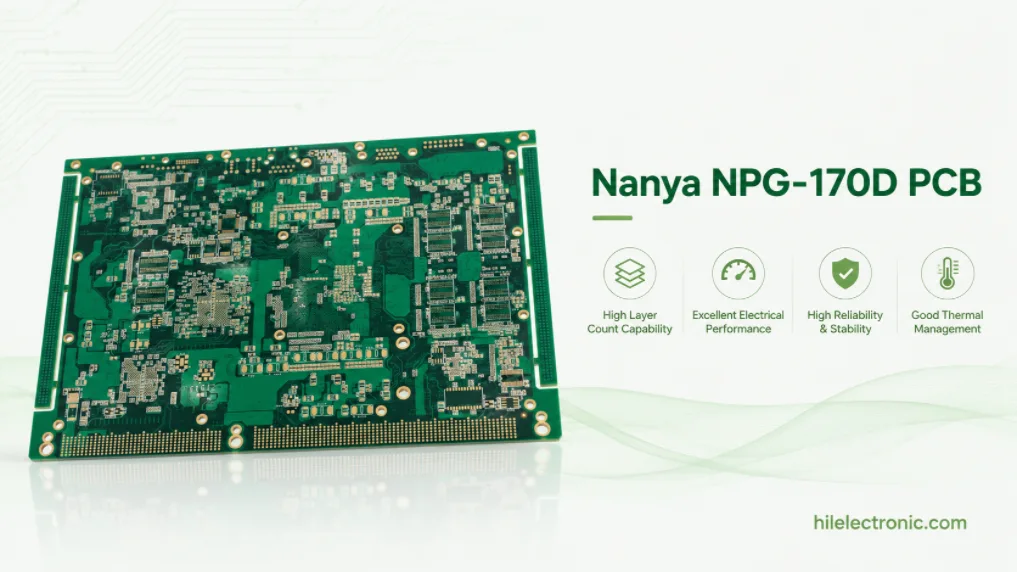
Не змішуйте дані DR, DTL, Performance-List та Design-Parameters.
Поточний опис Nan Ya містить кілька наборів даних. NPG-170DR має список характеристик для 1 ГГц. NPG-170DTL має список характеристик зі значеннями для 1, 3 та 10 ГГц при різному вмісті смоли. На наступній сторінці параметрів проектування містяться додаткові посилання на Dk/Df та чітко попереджається, що значення відрізняються залежно від методу випробування, і що реальні втрати слід оцінювати за допомогою купонів SI. Ці дані не слід об'єднувати без збереження умов джерела.
| Джерело даних | Приклад інформації | Правильне використання | Неправильне використання |
|---|---|---|---|
| Список характеристик NPG-170DR | 1 ГГц Dk 4.0–4.1 та Df 0.005–0.006 на зазначеному зразку. | Тільки скринінг DR-класу та контрольоване проектування з підтвердженням будівництва. | Використання номерів DTL 10 GHz для DR, оскільки назва сімейства схожа. |
| Список характеристик NPG-170DTL | На частоті 10 ГГц, Dk 3.81 при RC50% та 3.30 при RC70%; Df 0.007 для обох зазначених умов. | Порівняйте конструкції DTL та побудуйте модель для кожного шару разом із постачальником/виробником. | Усереднення RC50% та RC70% в один «NPG-170D Dk». |
| Сторінка параметрів проектування | Окремі опорні значення 3/10 ГГц та примітка для співвіднесення з фактичними купонами SI. | Використовуйте як інженерне посилання, пов'язане з точною конструкцією та методом; звірте з поточним стеком постачальника. | Вибір найменшого числа з будь-якої сторінки без відповідного зразка або методу. |
| Купон на готову дошку | Виміряний імпеданс/втрати на вивільненому стеку та міді. | Співвіднесіть польовий розв'язувач задач та приймання продукції. | Розглядаючи підігнаний Dk одного купона як універсальний для всіх шарів NPG-170DTL. |
Створення контрольованого запису даних про матеріали
- Марка та суфікс: NPG-170DR або NPG-170DTL.
- Ламінат та відповідне позначення препрегу.
- Конструкція серцевини/препрегу, стиль скла, вміст смоли та цільова товщина пресування.
- Частота та метод випробування для кожного значення Dk/Df.
- Назва документа, дата випуску/перегляду та сторінка.
- Мідний профіль та оброблена мідь, що використовуються в будь-якій кореляції купонів.
- Специфічне для виробника значення конструкції та купон, на основі якого воно було отримано.
- Власник затвердження та умови, за яких значення може бути використане повторно.
Така дисципліна даних запобігає одній з найпоширеніших помилок закупівлі/проектування: копіюванню сприятливого значення Dk або Df з різного вмісту смоли в усю стеку. Вона також захищає імпеданс, якщо постачальник пропонує нову конструкцію препрегу для покращення доступності.
Куди підходить кожен клас, а де ні
| додаток | Напрямок NPG-170DR | Напрямок NPG-170DTL | Кордон |
|---|---|---|---|
| Безгалогенний промисловий контролер | Сильний кандидат, коли домінують надійність та відповідність вимогам. | Також можливо, якщо корисні дані контрольованого імпедансу. | Перевірте напругу, CAF, вологість, складання та точну відповідність вимогам. |
| Плата керування автомобілем/транспортом | Кандидат підлягає кваліфікації відповідно до профілю місії клієнта. | Кандидат там, де присутні помірно-високошвидкісні з'єднання. | Паспорт матеріалу не замінює кваліфікацію автомобільної промисловості. |
| Багаторівневий зв'язок/керування | Підходить для маршрутів середньої складності з вимогами до надійності. | Часто краще, коли потрібні специфічні для шару значення Dk/Df та імпеданс. | Для довгих об'єднувальних плат PAM4 може знадобитися сімейство з меншими втратами. |
| Побутове/офісне обладнання, що вимагає безгалогенної конструкції | Можливо, якщо вартість, доступність та надійність відповідають вимогам. | Використовуйте DTL лише тоді, коли це виправдовують електричні дані. | Не перебільшуйте значення вищого класу даних без функціональної потреби. |
| Довга об'єднувальна плата 112G/224G | Не передбачуване значення за замовчуванням. | DTL все ще може бути недостатньо низьким; змоделюйте весь канал. | Використовуйте спеціальний матеріал з дуже низькими/наднизькими втратами, якщо домінують розподілені втрати. |
| Антена 77 ГГц | Не підходить як значення за замовчуванням. | Не підходить як значення за замовчуванням. | Використовуйте частотно-специфічний ммХвильовий ламінат та перевірку модуля. |
Категорія продукту не повинна визначати суфікс. Проста плата керування без галогенів може сприяти DR; плата з керованим імпедансом середньої швидкості може сприяти DTL. Рішення повинні приймати найдовший канал та необхідна відповідність/кваліфікація.
Точна конструкція, узгодження препрегу та імпедансний реліз
У контрольованому стеку повинні бути вказані відповідний препрег та точна конструкція. Навіть якщо сорт ламінату правильний, невизначений препрег може змінити плинність смоли, товщину затвердіння, Dk, імпеданс, скловолокнисте переплетення та надійність. Виробник повинен надати підписаний стек, перш ніж імпедансний малюнок буде заморожено.
| Поле стека | Вимоги до закупівель/проектування |
|---|---|
| Точний рівень за шаром | NPG-170DR або NPG-170DTL; виклик лише для сімей не передбачений. |
| Конструкція з сердечника/препрегу | Стиль скла, вміст смоли, номінальна/готова товщина, кількість шарів та наявність. |
| Відповідний препрег | Точне позначення препрегу Nan Ya або затверджена конструкція, пов'язана з маркою. |
| Джерело Dk/Df | Редагування документа, набір сторінок/даних, частота, метод та кореляція виробника. |
| Мідь | Тип/профіль фольги, базова вага, кінцева товщина, обробка та покриття. |
| повний опір | Ціль/допуск, готова ширина/відстань, діелектричні/мідні допуски, купонний та метод TDR. |
| Втрати, де це доречно | Купон S-параметрів, діапазон частот, видалення та приймання арматури. |
| Теплова/надійність | Посилання на Tg/CTE/Td, геометрія отворів, історія складання, випробування CAF/вологість та клас замовника. |
Не знімайте імпеданс, доки не буде підтверджено доступність будівництва
У розрахованому стеку може використовуватися тип скла або вміст смоли, які обраний виробник не може стандартно знайти. Тиск закупівель призводить до запізнілої заміни. Підтвердьте матеріал, препрег, розмір панелі, мідь та час виконання перед компенсацією художнього оформлення. Дещо інша доступна конструкція може вимагати нової моделі імпедансу, але вона може бути більш надійною з комерційної точки зору.
Контроль постачальників та документів
Закупівля NPG-170D є проблемою контролю документації так само, як і проблеми з матеріалами. Замовлення на замовлення, креслення, стек, сертифікат, запис UL та модель імпедансу повинні вказувати на один і той самий суфікс та редакцію.
- Кваліфікація продавця: затвердити джерело ламінату, виробника друкованих плат, завод/майданчик та відповідну конструкцію виробу.
- Контрольований технічний опис: заархівувати точну редакцію документа Nan Ya, яка використовувалася для розробки та забезпечення відповідності.
- Дозвіл на будівництво: Підпишіть стек з сердечника/препрега/скла/смоли/міді перед виготовленням.
- Пакет сертифікатів: визначення CoC (Коефіцієнта постачання), безгалогенності, RoHS/REACH, UL/слеш-листу та відстеження партії.
- Вхідна перевірка: вимагати від постачальника друкованих плат перевірки етикеток, препрегу, терміну придатності, зберігання та партії.
- Мандрівник з виробництва: за потреби пов’язати партії матеріалів із серійними номерами панелей/плат.
- Контроль ПЦН: вимагати повідомлення про зміни суфіксів, рецептури, місця виробництва, скла, міді, препрегу, документів або процесу.
- Зберігання записів: зберігати документи постачальника та дані випробувань протягом терміну служби продукту/відповідності вимогам замовника.
Якщо виробник друкованої плати за контрактом купує її, виробник оригінального обладнання (OEM) повинен забезпечити, щоб суфікс матеріалу та вимоги до сертифіката залишалися чинними після передачі продукції. Запис AVL високого рівня, такий як «Nan Ya NPG-170D», може знову внести неоднозначність, яку намагалися усунути в інженерному кресленні.
Правила еквівалентного матеріалу та зміни суфіксів
Зміна суфікса не є канцелярською. DR на DTL, DTL на DR або інша безгалогенна високотемпературна лінійка може змінити електричні дані, вологостійкість, конструкцію препрега, документи про відповідність, доступність та статус кваліфікації.
| Редагувати | Мінімальний огляд |
|---|---|
| NPG-170DR до NPG-170DTL | Тестування на накладання/Dk/Df, препрег, імпеданс, втрати, відповідність стандартам UL, теплові/CAF, доступність та тестування на рівні плати. |
| NPG-170DTL до NPG-170DR | Переконайтеся, що припущення щодо контрольованого імпедансу/високої швидкості залишаються дійсними; не використовуйте дані DTL повторно. |
| Той самий суфікс, різна конструкція зі скла/смоли | Перерахуйте товщину пресування, Dk/імпеданс, заповнення смолою, перекіс та обробіть. |
| Та ж конструкція, різна мідна фольга/обробка | Перевірте імпеданс, втрати провідника, відшарування, травлення та кваліфікацію. |
| Різні виробники безгалогенних матеріалів | Повне порівняння властивостей/документів/процесів, а також докази електричних характеристик та надійності на рівні плати. |
| Перегляд технічних характеристик або зміна виробничого майданчика | Перегляньте ПНВ, зміни у рецептурі/структурі, сертифікати та дані кореляції. |
Контрольний список запитів цінових пропозицій, орієнтованих на закупівлі
| Блок запиту цінових пропозицій | Обов'язковий вміст |
|---|---|
| Точна ідентичність | Ламінат Nan Ya NPG-170DR або NPG-170DTL та відповідний препрег; точна конструкція та поточна редакція. |
| Дотримання | Названі межі/метод безгалогенності, декларація про сурму/червоний фосфор, якщо потрібно, аркуш RoHS/REACH, UL та IPC. |
| Укладання | Тип скла, вміст смоли, товщина серцевини/препрегу, кількість шарів, мідний профіль, готова мідь, загальна товщина. |
| електричний | Джерело Dk/Df для кожного шару, частота/метод, цільові значення/допуск імпедансу, купон; S-параметри для маршрутів DTL, якщо необхідно. |
| Надійність | Геометрія отвору, мідь стінки, теплова історія складання, CAF/вологість, волога, IPC/клас замовника. |
| документи | Сертифікат сумісності (CoC), партія матеріалу, технічний паспорт (TDS), декларації, підтвердження UL, звіт про складування, записи про випробування та їх зберігання. |
| доступність | Затверджений виробничий майданчик, стандартні конструкції, розміри панелей, варіанти міді, мінімальне замовлення та термін виконання. |
| Заміна/зміна | Жодних суфіксів чи змін у конструкції без матриці властивостей/документів, плану тестування та письмового схвалення. |
У запиті цінових пропозицій (RFQ) має бути чітко заборонено поєднання властивостей DR та DTL в одній таблиці відповідності або інженерній таблиці. Якщо плата використовує обидва класи якості (що було б незвично, але можливо в різних підвузлах), кожен з них повинен мати власний запис про матеріали та сертифікати.
Запитання аудиту перед випуском
- Чи кожне креслення, стек, замовлення на замовлення, запис AVL та сертифікат мають однаковий суфікс?
- Чи вказано назву відповідного препрегу, і чи доступна запропонована конструкція зі скла/смоли на обраному заводі?
- Чи визначені обмеження щодо відсутності галогенів та обсяг документа, а не маються на увазі?
- Чи пов'язана вимога UL/слеш-аркуша з точно визнаною конструкцією?
- Чи кожне значення Dk/Df має частоту, метод, вміст смоли, сорт, сторінку документа та конструкцію?
- Чи зберігаються дані DR та DTL окремо?
- Чи була модель імпедансу побудована на основі затвердженого постачальником стеку, а не на основі Dk сімейства?
- Чи потрібні каналу електричні дані DTL, чи DR задовольнить потреби надійності/відповідності з меншою складністю?
- Чи підходить матеріал для довжини маршруту, чи слід використовувати сімейство з меншими втратами?
- Чи зміни суфіксів, скла, препрегу, міді, будівельного майданчика та документації проходять офіційне затвердження?
Передрелізний аудит, який може відповісти на всі десять запитань, усунув більшу частину ризику закупівлі NPG-170D, якого можна було уникнути. Після цього матеріал стає простежуваним, моделюваним, сертифікуваним та замінюваним лише за допомогою доказів, а не за допомогою скороченої назви.
Посилання виробника та примітки до випуску
Наведений нижче документ Nan Ya є основною публічною основою для відокремлення NPG-170DR від NPG-170DTL та для цитованих посилань на відповідність, теплові та діелектричні властивості. Під час закупівель слід архівувати точну контрольовану редакцію, отриману разом із ціновою пропозицією, та запобігати об'єднанню значень з різних класів або таблиць методів випробувань.

Рекомендовані повідомлення
Друкована плата Taconic RF 35 проти RO4350B
ЗмістRF-35 проти RO4350B Закупівлі та...
Виробництво друкованих плат фільтра TMM4
Виробництво друкованих плат фільтра TMM4 контролюється...
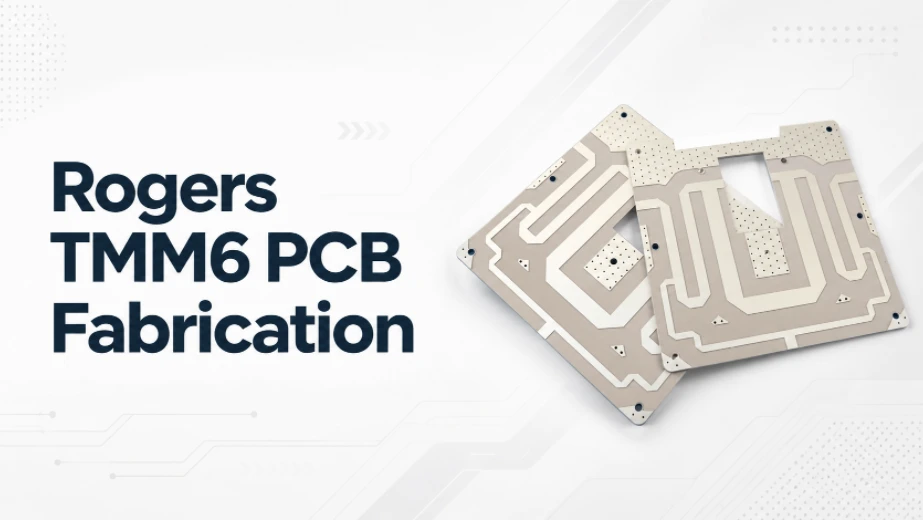
Виготовлення друкованих плат TMM6
Виготовлення TMM6 – це сторінка контролю процесу для середньої Dk...
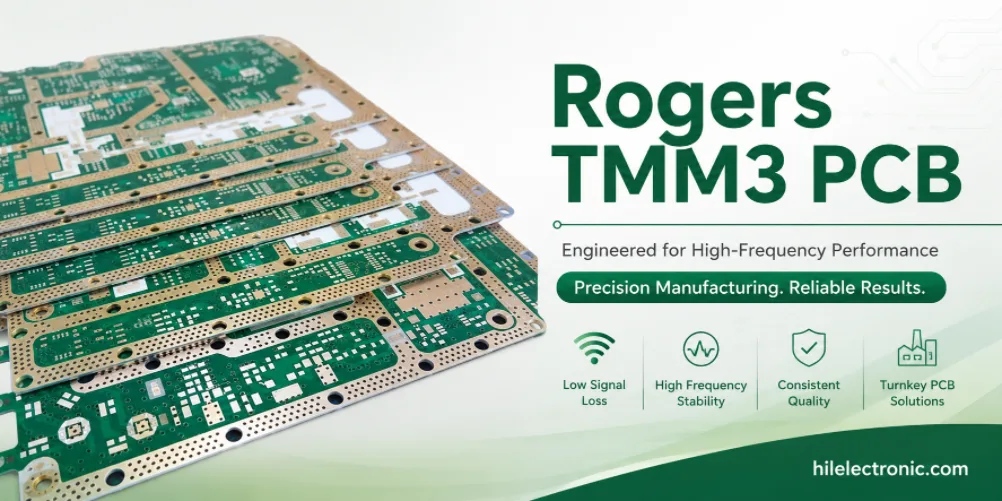
Виробництво друкованих плат TMM3 для радіочастотних модулів
Виробництво друкованих плат TMM3 найбільш корисне там, де радіочастотний модуль...
Як отримати цінову пропозицію на друковані плати
Давайте проведемо для вас аналіз DFM/DFA та надамо вам звіт. Ви можете безпечно завантажити свої файли через наш вебсайт. Нам потрібна наступна інформація, щоб надати вам цінову пропозицію:
-
- Gerber, ODB++ або .pcb, спец.
- Список специфікації, якщо вам потрібна збірка
- Кількість
- Час повороту
Для послуг з виготовлення друкованих плат (PCBA), будь ласка, надайте свою специфікацію матеріалів (BOM) та будь-які конкретні інструкції зі складання. Ми також пропонуємо аналіз DFM/DFA для оптимізації ваших конструкцій для технологічності та складання, забезпечуючи безперебійний виробничий процес.