
Desky plošných spojů pro pohybové senzory a inteligentní LED světla: Desky senzorů, ovládání, ovladačů a bezdrátových technologií
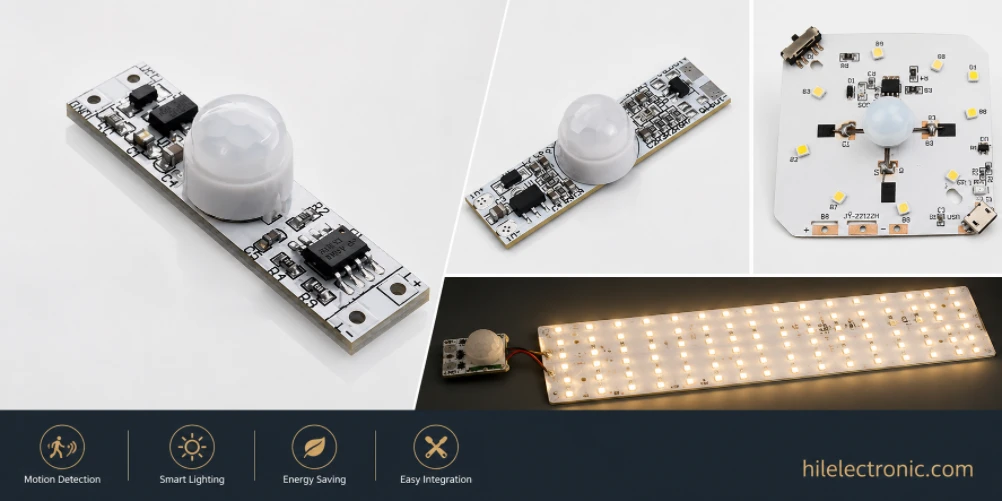
Obrázek 1. Referenční informace o výrobě desky plošných spojů s LED světlem pro pohybové senzory.
Obsah
- Proč je chytré osvětlení ze své podstaty produktem s více deskami
- Architektura senzorů, řízení, ovladačů a bezdrátových systémů
- Senzorové desky: PIR, mikrovlnné a duální technologie
- Bezdrátové a konektivní desky
- Ovladače a stmívání pro svítidla ovládaná senzory
- Integrace, integrita signálu a koexistence
- Proč jedna továrna pro celý systém inteligentního osvětlení
- Jak objednat – Soubory, MOQ a dodací lhůta
- Snímač pohybu a inteligentní LED deska plošných spojů – Často kladené otázky
Pohybový senzor neboli chytré světlo je ze své podstaty víc než jen světlo. Snímá své okolí, rozhoduje se, co dělat, podle toho řídí LED diody a často komunikuje s jinými zařízeními nebo aplikací. Každá z těchto funkcí – snímání, rozhodování, řízení, komunikace – je samostatný obvod s odlišnými požadavky, což dělá z chytrého osvětlení nejvíce inherentně vícedeskový produkt v celém světě osvětlení. Inteligence nespočívá v LED diodách, ale v deskách kolem nich.
Společnost Highleap Electronics je plně vybavená továrna na výrobu a hromadnou montáž desek plošných spojů s vysokým výkonem . Smíšené konstrukce senzorů, napájení a rádiových signálů jsou přesně tím typem multidisciplinární práce, pro kterou jsou naše linky stvořeny. Sestavujeme desku senzorů, řídicí desku, bezdrátovou desku, ovladač a engine a integrujeme je do jednoho testovaného stacku. Tato příručka vysvětluje architekturu inteligentního osvětlení, proč je její integrace důležitá a jak ji objednat. Širší kategorii naleznete na naší stránce služeb v oblasti desek plošných spojů pro osvětlení.
Rychlá odpověď: Pohybový senzor nebo chytré světlo je ze své podstaty vícedeskový: senzor (PIR nebo mikrovlnný), řídicí deska MCU, deska bezdrátového připojení, ovladač a světelný engine – každá z nich představuje jinou disciplínu, která musí být integrována, aniž by interagovala s ostatními. Společnost Highleap Electronics vyrábí a montuje celý systém a řeší problémy s integritou signálu a koexistencí rádiových signálů kombinací citlivých senzorů a rádiových signálů se spínaným ovladačem. Minimální objednávka je 1 kus a cenová nabídka je do 24 hodin.
Proč je chytré osvětlení ze své podstaty produktem s více deskami
Každý další osvětlovací produkt v této řadě lze v principu redukovat na motor a driver. Inteligentní osvětlení ne, protože inteligence přidává funkce, které jsou skutečně oddělenými obvody. Senzor je nízkoúrovňový analogový detektor. Řídicí jednotka je digitální rozhodovací jednotka. Rádio je citlivý vysokofrekvenční obvod. Driver je hlučný spínaný měnič výkonu. Světelný engine je tepelná deska. Umístění všech těchto prvků do jednoho svítidla není volitelná složitost – to je to, co „chytrý“ znamená.
A tady je háček, který ztěžuje chytré osvětlení: tyto obvody se aktivně vzájemně ruší, pokud nejsou navrženy společně. Spínaný budič generuje elektrický šum, který může oslepit citlivý senzor nebo poškodit rádio. Rádio potřebuje čistý prostor a čistou anténu. Senzor potřebuje tiché analogové prostředí. Jejich integrace tak, aby existovaly koexistence, je ústřední inženýrskou výzvou a je to právě ten typ problému, který se řeší v rámci jednoho výrobce a u několika se rozpadá.
Architektura senzorů, řízení, ovladačů a bezdrátových systémů
Systém inteligentního osvětlení odměňuje bližší pohled, protože způsob, jakým jeho desky do sebe zapadají – a problémy s interferencí, které při tom vznikají – je celým příběhem toho, proč je integrace důležitá.
Čtyři funkční bloky. Propojené zařízení pro snímání pohybu je sestaveno z těchto obvodů, z nichž každý má své vlastní potřeby:
- Senzor — detekuje přítomnost, okolní světlo nebo obojí. Jedná se o analogový obvod s nízkým signálem, který musí rozlišit slabou, pomalou změnu (pohybující se osobu) oproti šumu, takže je velmi citlivý na elektrické rušení.
- Řídicí jednotka (MCU) — mozek, který čte údaje ze senzoru, aplikuje logiku (zapnutí, pozastavení, stmívání, časový limit) a vydává povely řidiči; často vysoká hustota Deska smíšeného signálu propojující analogové snímání a digitální řízení.
- Bezdrátové rádio — propojení s jinými zařízeními, rozbočovačem nebo aplikací; citlivý RF obvod vyžadující čisté anténní prostředí, často zapnutý HDI pro jemné frézování, které používají moderní moduly.
- Řidič - měnič výkonu který ovládá LED diody a provádí stmívací příkazy řídicí jednotky; spínací obvod a hlavní zdroj elektrického šumu v svítidle.
Proč je jejich skládání těžké. Problém nespočívá v sestavení každého bloku – jde o to, aby koexistovaly na stejném zdroji energie a ve stejném malém zařízení. Konflikty jsou skutečné a specifické:
- Přepínací šum vs. citlivé snímání — vysokofrekvenční spínací signál budiče se propojuje s blízkými obvody; PIR senzor snímající mikrovolty může být jím zahlcen, což může způsobit falešné spouštění nebo chybnou detekci, pokud není rozvržení pečlivě odděleno a filtrováno.
- Oddělení napájení — senzor a MCU potřebují čisté a tiché napájení, takže deska musí odvodit a filtrovat stabilní nízkonapěťovou sběrnici mimo hlučnou část budiče.
- Koexistence rádiových signálů a blokování antén — anténa rádia potřebuje volný prostor bez mědi a kovu; pokud by byl zarušený vodič nebo zemnící rovina vedena příliš blízko, dosah by se zhroutil. Zóny vyloučení antény a její umístění jsou disciplínou na úrovni uspořádání.
- Uzemnění a oddělování — deska je rozdělena na analogovou (senzor), digitální (MCU), RF (rádiovou) a napájecí (ovladač) doménu, s uzemněním uspořádaným tak, aby šum z jedné neprocházel přes druhou.
- EMC jako celek — hotové zařízení musí splňovat limity elektromagnetické kompatibility, což je mnohem snazší, když byly hlučné a citlivé části odděleny od začátku, než když byly sloučeny později.
Přesně proto je chytré osvětlení nejsilnějším vícedeskovým pouzdrem ze všech. Desky nejsou jen sestaveny dohromady – jsou navrženy společně, s rozpočtem na hluk, rozdělením napájení, uzemněním a anténním prostředím plánovaným jako jedno rozvržení. Senzor od jednoho dodavatele, rádiový modul od jiného a budič od třetího, zkombinované později, je důvod, proč chytrá svítidla končí falešnými spouštěči, krátkým bezdrátovým dosahem nebo poruchami EMC, které nikdo nedokáže přesně určit. Když jeden výrobce rozmístí celý stoh – udrží spínací šum dál od senzoru, poskytne anténě volný prostor a oddělí uzemnění – svítidlo spolehlivě snímá, připojí se v plném dosahu a splňuje normy. Vytvoření integrovaného stohu je produkt, nikoli pohodlí.
Senzorové desky: PIR, mikrovlnné a duální technologie
Technologie snímání tvaruje desku a my stavíme pro každý typ:
- PIR (pasivní infračervený senzor) — detekuje tepelnou stopu pohybující se osoby pomocí Fresnelovy čočky, s nízkým výkonem a spolehlivým měřením v celé místnosti; klasický senzor pro chodby a sklady.
- Mikrovlnná trouba / radar — vyzařuje a snímá odražené mikrovlny (Dopplerův efekt), takže dokáže snímat skrz kryt svítidla a nekovové překážky a pokrýt větší plochy, což je užitečné pro výškové a venkovní svítidla.
- Duální technologie — kombinace PIR a mikrovlnného čidla tak, aby obě senzory musely souhlasit, čímž se snižuje riziko falešných spouštěčů v náročných instalacích.
- Snímání okolního světla — vstup pro fotobuňku, takže se svítidlo aktivuje pouze tehdy, když je skutečně tma, a šetří tak energii.
Každý typ senzoru má své vlastní uspořádání a požadavky na stínění, které řešíme v rámci jeho integrace se zbytkem systému.
Bezdrátové a konektivní desky
Propojené osvětlení využívá řadu protokolů a my vyrábíme desky pro ty běžné:
- Bluetooth / BLE — pro ovládání aplikací a síťové sítě svítidel.
- Zigbee a vlákno — nízkopříkonové síťové protokoly pro ekosystémy inteligentních budov a inteligentních domácností.
- Wi-Fi — přímé připojení ke cloudu a aplikacím, kde síťové napájení umožňuje vyšší spotřebu.
- SubGHz / LoRa — nízkoenergetické spoje s dlouhým dosahem pro ovládání venkovního osvětlení a osvětlení velkých objektů.
Ať už je protokol jakýkoli, rádio je integrováno s ohledem na prostředí antény a šum a koordinováno s řídicí jednotkou a naším inteligentním přístupem k řízení výkonu , takže celé zařízení se chová jako jedno propojené zařízení.
Ovladače a stmívání pro svítidla ovládaná senzory
Ovladač inteligentního svítidla musí přijímat povely, nejen dodávat energii. Vyrábíme ovladače, jejichž regulátor dokáže plynule modulovat:
- Stmívatelné na povel — regulátor nastavuje výkon v reakci na obsazenost a denní světlo, takže ovladač musí stmívat čistě v širokém rozsahu.
- Chování kroků a prolínání — plynulé náběhy a výpadky při detekci pohybu nebo uplynutí časového limitu, spíše než náhlé přepínání.
- Nízká spotřeba v pohotovostním režimu — protože svítidlo je často nečinné a čeká na pohyb, je důležité efektivní pohotovostní režim; dynamické řízení výkonu znepokojení.
- tichý provoz — navrženo a uspořádáno tak, aby jeho spínání nerušilo senzor nebo rádiové spojení s příslušenstvím.
Díky senzoru a ovladači reaguje ovladač čistě na povely a neovlivňuje citlivé obvody.
Integrace, integrita signálu a koexistence
Spojení jednotlivých komponent je přidanou hodnotou a je to skutečné inženýrství: rozdělení desky na analogovou, digitální, RF a výkonovou doménu; odvození čistých kolejnic pro citlivé obvody; umístění a směrování antény pro plný rozsah; uspořádání uzemnění tak, aby šum neprocházel doménami; a ověření, zda celé zařízení splňuje normy EMC. U zařízení s nepraktickou mechanikou – senzor musí směřovat dolů, zatímco engine musí směřovat jiným směrem – také stavíme tuhé a flexibilní konstrukce, které slučují funkce do jedné desky bez konektorů. Výsledkem je zařízení, které spolehlivě snímá, připojuje se v dosahu a splňuje normy, protože integrace byla navržena v testování, nikoli objevena.
Proč jedna továrna pro celý systém inteligentního osvětlení
Chytré osvětlení je oblastí, kde je výroba z jednoho zdroje nejdůležitější, protože desky nejen nesedí pohromadě – vzájemně se ruší a jejich koexistence představuje celý konstrukční problém. Senzor, rádio a ovladač zakoupené od tří dodavatelů a pozdě zkombinované jsou receptem na falešné spouštění, špatný dosah a poruchy EMC bez jasného vlastníka. Jeden výrobce, který rozmístí celý systém – oddělený šum, oddělené napájení, umístěná anténa, uspořádané uzemnění – vyrobí svítidlo, které jednoduše funguje.
Společnost Highleap Electronics vyrábí desky senzorů, řídicích, bezdrátových, budičových a řídicích jednotek a integruje je do jednoho testovaného systému inteligentního osvětlení, který řeší problémy s integritou signálu a koexistencí rádiových signálů jako jeden celek. Minimální objednávka je 1 kus, abyste si mohli ověřit návrh před zahájením sériové výroby. Zašlete svůj typ snímání, protokol a koncept svítidla našemu týmu pro montáž desek plošných spojů LED a my vám do 24 hodin vypracujeme cenovou nabídku.
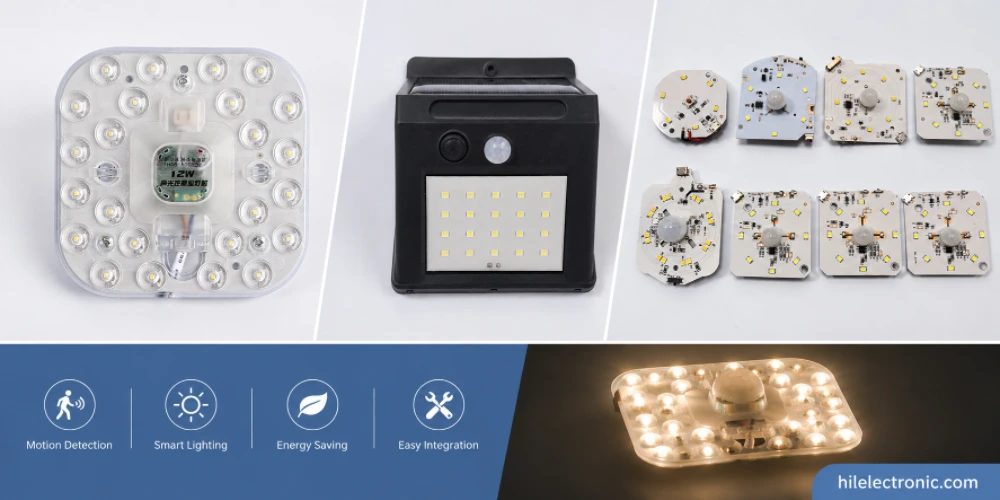
Obrázek 2. Výroba a montáž desky plošných spojů LED světla s pohybovým senzorem.
Jak objednat – Soubory, MOQ a dodací lhůta
Objednávání inteligentních desek a desek s pohybovými senzory od společnosti Highleap Electronics začíná výběrem typu snímání (PIR, mikrovlnné, duální technologie), bezdrátového protokolu a konceptu svítidla. Každá cenová nabídka zahrnuje bezplatnou kontrolu návrhu pro vyrobitelnost (DFM) a minimální objednávka je jeden kus bez příplatku za prototyp.
Jaké soubory poslat
- Pouze výroba desek plošných spojů — Soubory Gerber RS-274X (všechny měděné, pájecí masky a sítotiskové vrstvy), vrtací soubor Excellon, obrys desky na mechanické vrstvě a poznámky k výrobě týkající se substrátu, dielektrika, hmotnosti mědi, povrchové úpravy a barvy pájecí masky.
- Montáž PCB (PCBA) — výše uvedené plus kusovník s čísly dílů a množstvími od výrobce a soubor Pick-and-Place (Centroid) pro SMT komponenty.
- Elektronika na klíč — výše uvedené plus mechanické soubory (STEP/DXF) pro chladič nebo kryt, detaily optiky nebo čočky, specifikaci ovladače nebo ovládání, případně firmware a veškeré grafické prvky značky nebo obalu. Pokud soubory chybí, zašlete je, které máte, a náš technický tým identifikuje mezery během kontroly DFM.
Minimální objednávka a ceny
- Minimální množství objednávky je 1 jednotka za výrobu i montáž, bez poplatku za prototyp.
- Objemové ceny se lámou při 10, 50, 100, 500 a 1 000+ jednotkách.
- Vaše soubory si uchováváme, takže u opakovaných objednávek se vyhnete opětovnému naceňování nákladů na inženýrské práce.
Dodací lhůty
- Výroba DPS — Standardně 5 až 7 pracovních dnů; expresně 24 až 48 hodin, v závislosti na potvrzení kapacity.
- Montáž PCB (PCBA) — 7 až 12 pracovních dnů včetně zajištění komponent; 5 dní expresně pro kusovník skladem.
- Moduly na klíč — obvykle 12 až 18 pracovních dnů v závislosti na podkladu, ochraně a objemu.
- Všechny dodací lhůty jsou potvrzeny ve vaší cenové nabídce a začínají běžet od potvrzení objednávky a schválení souboru.
Certifikace a standardy: Systém řízení jakosti ISO 9001 , provedení IPC třídy 2 a 3 , testování AOI a funkční testy na každé desce, včetně rentgenového, ICT a testování zapálením. Dodáváme do více než 40 zemí s kompletním sledováním a na vyžádání poskytujeme dokumentaci o shodě. V případě desek plošných spojů pro pohybové senzory nebo inteligentní LED světla nahrajte soubory Gerber, kusovník, poznámky k senzorům, požadavky na bezdrátové ovládání a cílové množství prostřednictvím formuláře cenové nabídky na webových stránkách, aby společnost Highleap Electronics mohla společně zkontrolovat podrobnosti o ovladači, ovládání a montáži.
Snímač pohybu a inteligentní LED deska plošných spojů – Často kladené otázky
Proč je chytré světlo těžší postavit než běžné LED svítidlo?
Protože je ze své podstaty vícedeskový a desky se vzájemně ruší. Inteligentní zařízení kombinuje citlivý analogový senzor, digitální řídicí jednotku, VF rádio a hlučný spínací budič v jednom malém pouzdře – a spínací šum budiče může oslnit senzor nebo poškodit rádio, zatímco rádio potřebuje čisté anténní prostředí, které ostatní obvody ohrožují. Nejtěžší není sestavit jednotlivé bloky, ale zajistit jejich koexistenci, což znamená rozdělit desku na části a naplánovat šum, napájení, uzemnění a anténu jako jedno uspořádání.
Sestavujete senzor, řídicí jednotku, rádio a ovladač, nebo jen sestavujete moduly?
Sestavujeme a integrujeme celý stack. Na tom záleží, protože integrace je produkt: senzor od jednoho dodavatele, rádio od jiného a budič od třetího, zkombinované později, způsobují falešné spouštění, krátký dosah bezdrátového signálu a poruchy EMC, které nikdo nedokáže přesně určit. Analogovou, digitální, rádiovou a napájecí doménu rozmisťujeme společně, takže spínací šum se nedostává k senzoru, anténa má volný prostor a uzemnění je oddělené – zařízení tak spolehlivě snímá signál a připojuje se v plném dosahu.
Jaké senzorické technologie a bezdrátové protokoly podporujete?
Snímání: PIR (pasivní infračervené) pro snímání přítomnosti osob v místnosti, mikrovlnné/radarové snímání skrz kryt a pokrytí větších ploch, duální technologie kombinující obě technologie pro omezení falešných spouštěčů a snímání okolního světla, takže se svítidlo aktivuje pouze ve tmě. Bezdrátové připojení: Bluetooth/BLE, Zigbee, Thread, Wi-Fi a sub-GHz/LoRa pro venkovní ovládání na velké vzdálenosti. Integrujeme jakoukoli kombinaci, kterou vaše svítidlo potřebuje, s ohledem na prostředí antény a šum.
Jak zabráníte falešným spouštěním senzorů vlivem hluku řidiče?
Podle disciplíny rozvržení. Desku rozdělujeme na samostatné analogové (senzory), digitální (řídicí jednotka), RF (rádiové) a napájecí (ovladač) domény; odvodíme a filtrujeme čistou nízkonapěťovou sběrnici pro citlivé obvody mimo spínací ovladač; zajistíme uzemnění tak, aby šum ovladače neprocházel senzorem; a navrhneme ovladač tak, aby spínal tiše. Díky tomuto principu je zařízení navrženo od začátku, takže splňuje požadavky na EMC a spolehlivě snímá – což jsou problémy, které je téměř nemožné vyřešit, když se hlučné a citlivé desky kombinují pozdě.
Můžete postavit svítidla, kde senzor a světlo směřují různými směry?
Ano. Když je mechanika nepraktická – senzor směřuje dolů, zatímco světelný motor směřuje jinam – stavíme tuhé a flexibilní konstrukce, které skládají sekce senzoru, řízení a motoru do jedné desky bez konektorů, což zlepšuje spolehlivost odstraněním konektorů, které by jinak selhaly. Složení a rozdělení domény navrhujeme společně tak, aby integrovaná deska stále chránila senzor a anténu před šumem.

doporučené příspěvky
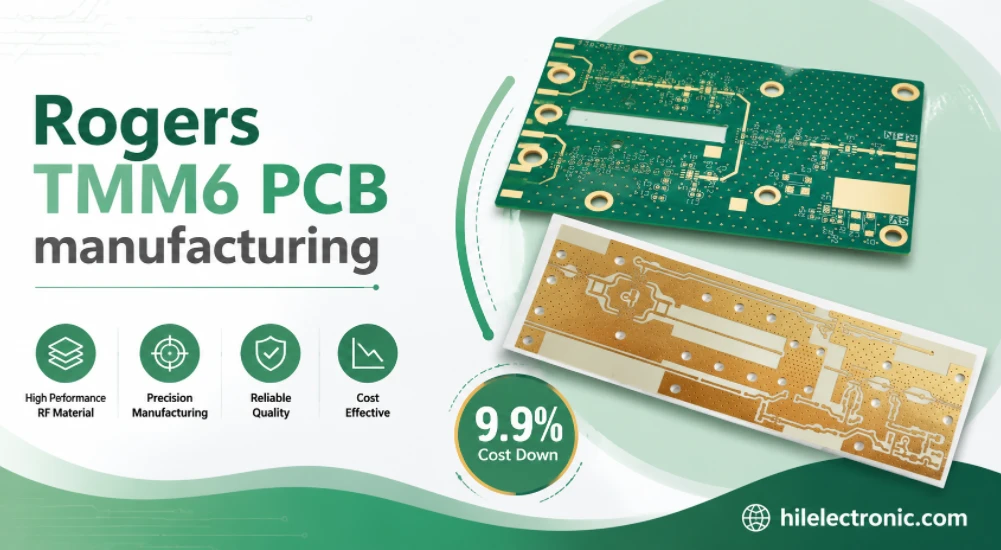
Výroba desek plošných spojů filtrů TMM6
ObsahProč konstruktéři mikrovlnných filtrů používají...
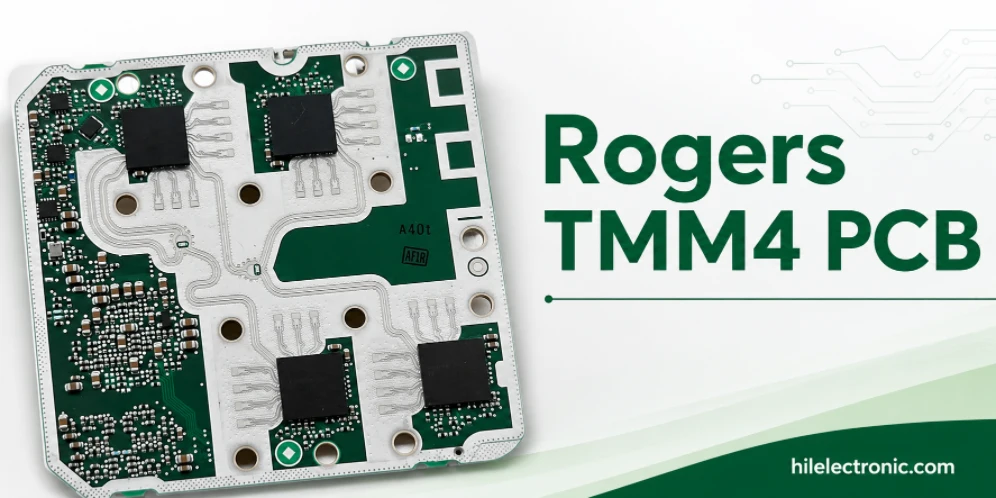
Výroba desek plošných spojů filtrů TMM4
Výroba plošných spojů filtrů TMM4 je řízena...
Výroba desek plošných spojů TMM3 pro RF moduly
Výroba desek plošných spojů TMM3 je nejužitečnější tam, kde RF modul...
Výroba desek plošných spojů TMM6
Výroba TMM6 je stránka pro řízení procesu pro středně těžký...
Jak získat cenovou nabídku na desky plošných spojů
Provedeme pro vás analýzu DFM/DFA a ozveme se vám se zprávou. Své soubory můžete bezpečně nahrát prostřednictvím našich webových stránek. Pro vypracování cenové nabídky potřebujeme následující informace:
-
- Gerber, ODB++ nebo .pcb, spec.
- Seznam kusovníků, pokud požadujete montáž
- Množství
- Čas otáčení
Pro služby PCBA prosím poskytněte kusovník (BOM) a případné konkrétní montážní pokyny. Nabízíme také analýzy DFM/DFA pro optimalizaci vašich návrhů z hlediska vyrobitelnosti a montáže a zajištění plynulého výrobního procesu.