
Производство печатных плат TMM3 для радиочастотных модулей
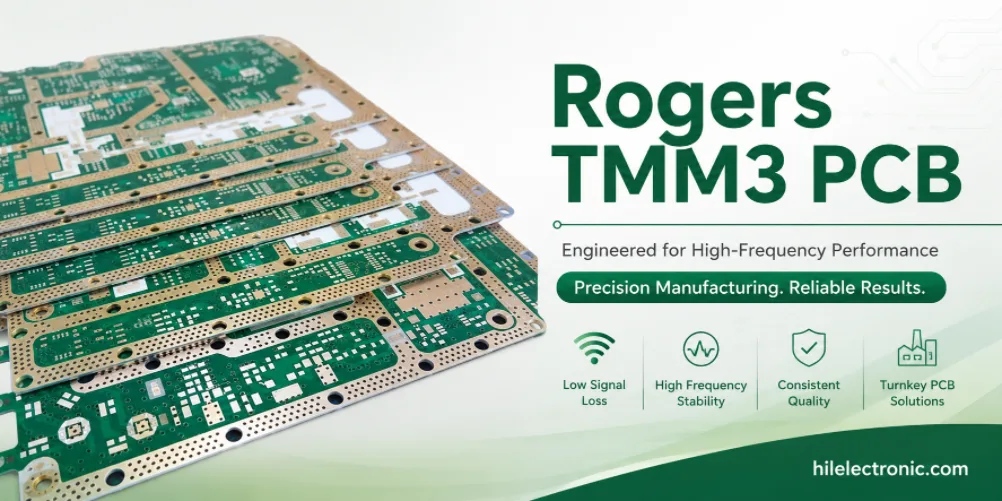
Технология TMM3 наиболее полезна в тех случаях, когда радиочастотный модуль также имеет механические или обрабатывающие ограничения. В таких конструкциях стабильный механический интерфейс может быть столь же важен, как и максимальная диэлектрическая эффективность. TMM3 выбирается, когда радиочастотная схема должна работать как часть механического модуля. Плата может включать в себя обработанные полости, монтажные отверстия, металлизированные края, контактные площадки для проволочных соединений, зажимы или металлический корпус. В таких условиях низкие потери — лишь одно из требований; жесткость, точность размеров, надежность металлизированных отверстий и состояние поверхности имеют не меньшее значение.
Компания Highleap Electronics поддерживает изготовление печатных плат TMM3 для микроволновых модулей, включая прецизионную трассировку, металлизированные отверстия, элементы полостей, выборочное покрытие и, при необходимости, проволочное соединение или сборку компонентов. План производства строится на основе архитектуры модуля, а не на основе общего контрольного списка ламинатов.
Адресация TMM3 осуществляется через механически интегрированные радиочастотные модули. Для определения местоположения, расположения контактов, краев разъемов, металлизированных отверстий, монтажных точек и радиочастотных дорожек необходима общая точка отсчета, и эти параметры следует проверять совместно, если плата непосредственно взаимодействует с механическим корпусом.
Почему TMM3 подходит для печатных плат механических радиочастотных модулей?
В семействе TMM3 диэлектрическая постоянная относительно низкая, что обеспечивает более широкие линии передачи и большие зазоры связи. Более широкая геометрия может улучшить устойчивость к травлению и широкополосные характеристики, если модуль имеет достаточную площадь. Термореактивная керамическая структура также противостоит холодной деформации, характерной для более мягких ламинатов из ПТФЭ, что делает ее подходящей для сборок с использованием винтов, зажимов или проволочных соединений.
Когда механическая стабильность важнее максимальной миниатюризации
| Требования к модулю | Почему TMM3 может подойти | Что еще требует контроля |
|---|---|---|
| Контактные площадки для проволочного соединения | Жесткая опора под действием силы сцепления и тепла. | Качество отделки, чистота, плоскостность подложки и состав связующего вещества. |
| Обработанные полости | Термореактивная конструкция обеспечивает стабильную прокладку кабелей. | Базовые параметры, качество кромок и выравнивание полости относительно схемы. |
| Металлизированные монтажные отверстия | Механическая и термическая стабильность обеспечивают надежность межсоединений. | Сверление, гальваническое покрытие, крутящий момент и локальная конструкция медных труб |
| Широкополосные радиочастотные линии | Более низкое значение Dk обеспечивает более широкую и менее концентрированную геометрию. | Профиль меди, толщина и конструкция пускового устройства. |
Материал TMM3 менее привлекателен, когда изделие требует предельной миниатюризации. В этом случае использование TMM4, TMM6 или подложки с более высоким значением Dk может уменьшить площадь схемы, но при этом необходимо пересмотреть геометрию и допуски.
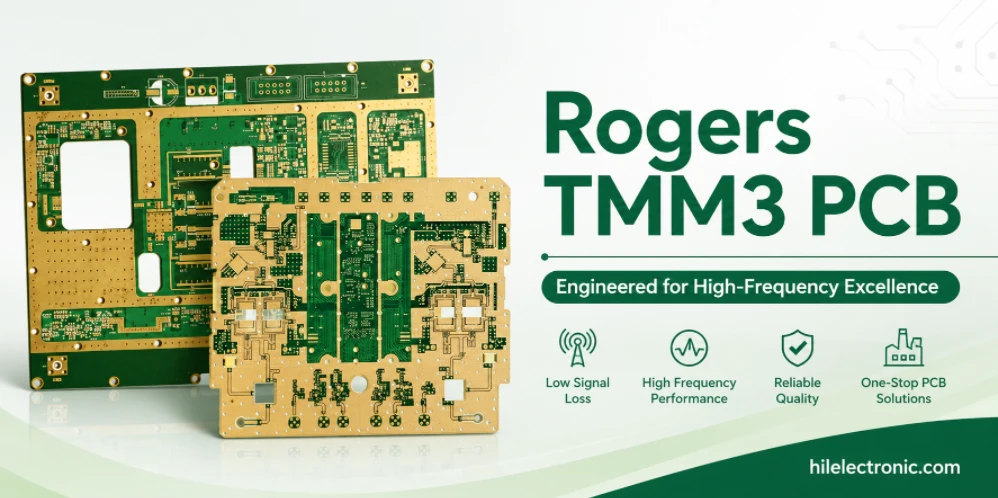
Область применения материалов: Компания Highleap Electronics является производителем и сборщиком печатных плат для описанной здесь сборки. Указанные названия марок Rogers и другие подобные обозначения обозначают конкретный материал и не являются описанием материалов, производимых компанией Highleap.
Механическая обработка, полости и отверстия с покрытием на TMM3
Механические радиочастотные модули должны быть отсоединены от единой базовой системы. После фрезеровки и чистовой обработки полость, радиочастотные дорожки, металлизированные отверстия, кромка разъема и элементы корпуса должны совпадать. Перед изготовлением Highleap проверяет инструменты фрезеровки, метод поддержки, допуски по кромкам и последовательность нанесения покрытия. Небольшие механические элементы не следует указывать только по номинальному контуру CAD; необходимо определить окончательные размеры и точки контроля. Highleap проверяет полости, обработанные участки, металлизированные отверстия, элементы крепления и радиочастотные слои одновременно. В чертеже для изготовления должны быть указаны размеры, определяющие как механическую посадку, так и электрическую геометрию, чтобы их проверка проводилась в рамках одной версии. Точные значения свойств материала следует сверять с текущей документацией поставщика для указанного класса и конструкции.
Гальванизированные отверстия и проволочно-проводящие покрытия
Сквозные отверстия могут обеспечивать заземление, крепление разъема или механическую фиксацию. Их надежность зависит от подготовки отверстий, толщины покрытия и напряжения, приложенного во время сборки. Контактные площадки для проволочного соединения добавляют еще один уровень контроля: выбранное покрытие должно быть совместимо с проводом и процессом соединения, а загрязнение или чрезмерные отклонения в покрытии могут снизить выход годных изделий.
- Используйте общие базовые элементы для графического оформления ВЧ-компонентов, обработанных полостей и элементов корпуса.
- Отдельно от сигнальных или заземляющих переходных отверстий отмечайте отверстия, воспринимающие механическую нагрузку.
- Определите зоны избирательного покрытия и зоны, запрещенные для маскирования, вокруг контактных площадок и радиочастотных структур.
- Контролируйте качество обработанных краев в местах, где стартовая площадка или стенка корпуса находятся в непосредственной близости от трассы.
- Перед началом проволочного монтажа убедитесь в ровности поверхности и наличии необходимой опоры.
- Сохраняйте данные микросрезов и размеров для корректных повторных изготовлений.
В руководстве Highleap по проволочному монтажу на печатные платы объясняется, почему при проектировании печатных плат без компонентов необходимо учитывать металлургию контактных площадок, чистоту и поддержку подложки.
Интеграция модуля TMM3 и проверка тепловых характеристик.
ВЧ-плата не работает изолированно. Металлическая крышка, стенка полости, теплоотвод, крепежные элементы или клей могут создавать нагрузку на поле и изменять отклик. Температура также изменяет как подложку, так и окружающую структуру. Поэтому при проверке прототипа следует использовать предполагаемый корпус или репрезентативное приспособление, а не тестировать только открытую плату.
Типичные сценарии использования в производстве
TMM3 — практичный выбор для усилительных модулей, широкополосных ответвителей, антенных фидерных узлов, микроволнового измерительного оборудования и механически закрепленных радиочастотных цепей. Он также может использоваться там, где требуется альтернатива ПТФЭ, но модулю необходима лучшая устойчивость к ползучести или более предсказуемая обработка.
Для изделий, в которых радиочастотная плата сочетается с металлической конструкцией, компания Highleap может провести анализ конструкции с учетом требований к изготовлению и сборке высокочастотных печатных плат . Анализ должен включать в себя момент затяжки, тепловой интерфейс, соответствие разъемов и доступ для настройки после сборки.
Проверка прототипа TMM3 на пригодность для повторного производства.
Пакет квалификационных документов должен соответствовать фактическому риску, связанному с продуктом. Для модуля с проволочными соединениями может потребоваться сертификация качества покрытия, данные о разрыве соединения или тестирование сборки, определяемое заказчиком. Для полостного фильтра может потребоваться отчет о критических размерах и корреляция S-параметров. Для платы с механическим зажимом может потребоваться проверка плоскостности, расположения отверстий и крутящего момента.
Компания Highleap может поставлять прототипы на печатных платах, осуществлять мелкосерийное производство и, по желанию, сборку. Условия оплаты, способ отгрузки и график поставок уточняются в коммерческом предложении после того, как станет известно наличие материалов и сложность обработки. При повторных заказах можно использовать утвержденную конструкцию и сохраненные данные первого образца, чтобы минимизировать ненужные изменения.
Предоставьте макет TMM3, механический чертеж, интерфейс корпуса, требования к отделке и предполагаемый метод сборки. Компания Highleap рассмотрит схему и механические характеристики как единый производственный модуль.
Вопросы по модулю TMM3
Обрабатывается ли TMM3 точно так же, как FR-4? Нет. Это жесткий термореактивный материал для микроволновой печи, но механическая обработка, сверление и финишная обработка по-прежнему требуют контроля, специфичного для данного материала. Для составления коммерческого предложения укажите чертеж, структуру слоев, требования к механической обработке, количество меди, отверстия, финишную обработку и объем. Это позволит производителю рассчитать стоимость механической обработки и изготовления печатной платы как единого процесса.
Поддерживает ли TMM3 проволочное соединение? Да, если определены параметры отделки, геометрия контактной площадки, чистота и процесс сборки.

Рекомендуемые сообщения
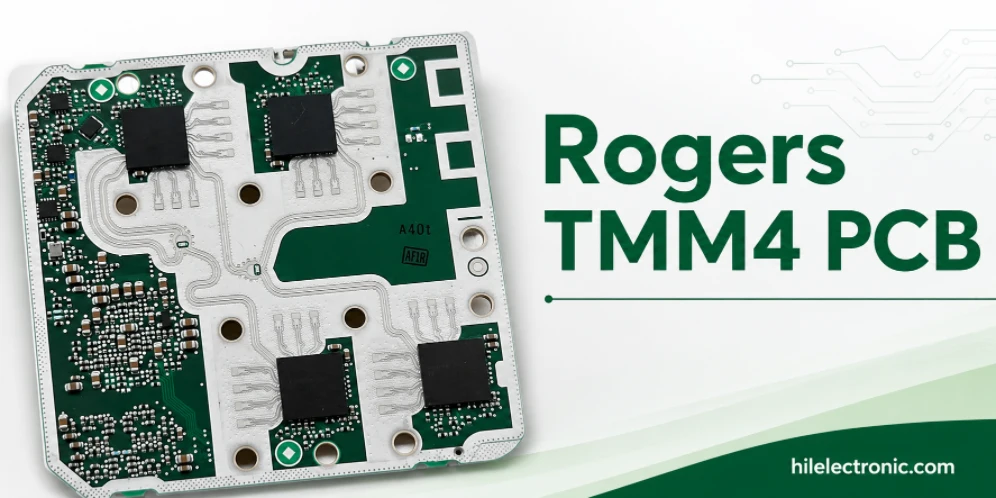
Производство фильтрующих печатных плат TMM4
Производство печатных плат с фильтрами TMM4 контролируется...
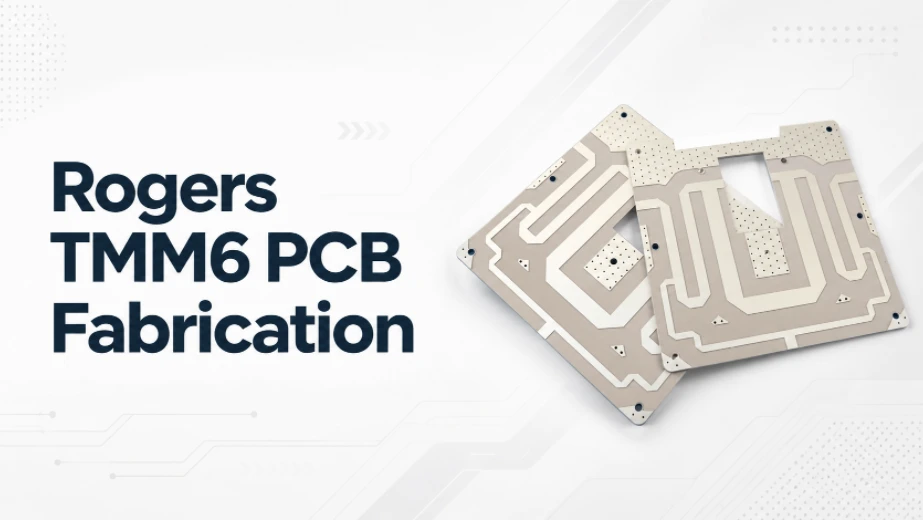
Изготовление печатных плат TMM6
Изготовление TMM6 — это страница управления технологическим процессом для среднего Dk...

Изготовление печатных плат TMM10i и проектирование для производства (DFM).
При изготовлении печатных плат TMM10i больше внимания уделяется проектированию с учетом технологичности производства, потому что...
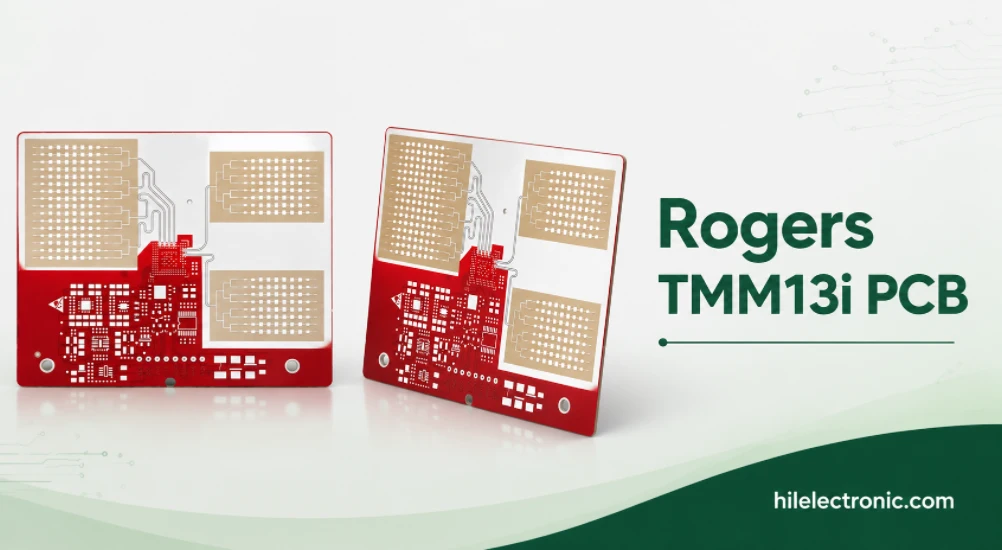
Производство печатных плат TMM13i
Производство печатных плат TMM13i ориентировано на сверхкомпактные радиочастотные устройства...
Как получить расценки на печатные платы
Давайте проведём для вас анализ DFM/DFA и предоставим отчёт. Вы можете безопасно загрузить свои файлы через наш сайт. Для составления коммерческого предложения нам необходима следующая информация:
-
- Gerber, ODB++ или .pcb, спец.
- Список спецификаций, если вам требуется сборка
- Количество
- Время поворота
Для услуг PCBA, пожалуйста, предоставьте ваш BOM (спецификация материалов) и любые конкретные инструкции по сборке. Мы также предлагаем анализ DFM/DFA для оптимизации ваших проектов для технологичности и сборки, обеспечивая плавный процесс производства.