
Assemblage de circuits imprimés pour l'électronique automobile : traçabilité et contrôle des processus
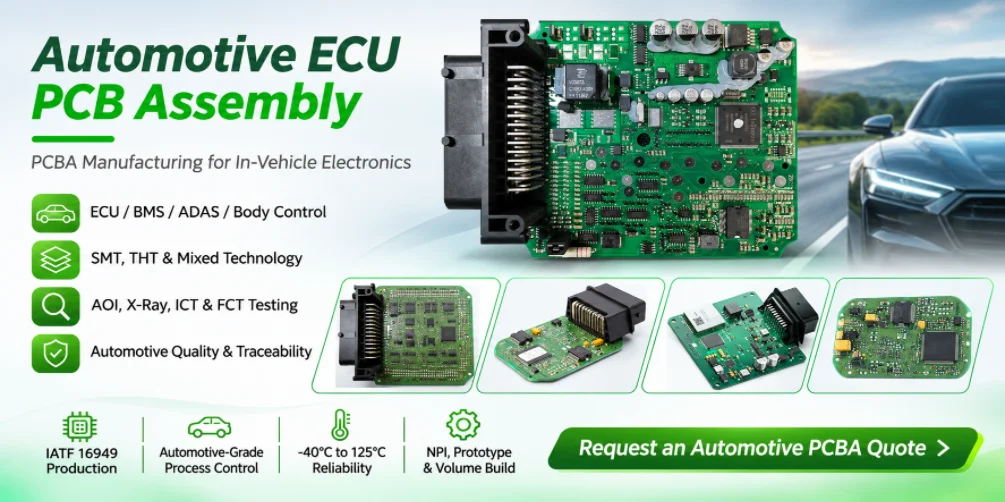
Highleap Electronics manufactures PCBs and provides automotive electronics PCB assembly for OEM and Tier-supplier programs that require controlled materials, repeatable SMT/THT processes, defined inspection and traceable production releases. Our PCB fabrication and turnkey PCBA portfolio covers the kinds of boards used in electric vehicles, battery systems, body electronics, automotive lighting, vehicle communications and driver-assistance modules. A production nomination is evaluated against the customer’s approved drawing, BOM, automotive-specific quality requirements and factory/site qualification expectations.
If you are transferring an ECU, battery management board or vehicle gateway to a China PCB/PCBA manufacturer, the important question is not simply whether the factory can assemble a QFN or BGA. It is how the supplier will control the exact approved component, programming option, process change, functional test and hardware revision from engineering samples through ongoing service production. We treat those as quotation and release requirements rather than assuming every automotive PCBA has identical risks.
Automotive Electronics PCBAs We Can Evaluate for OEM Production
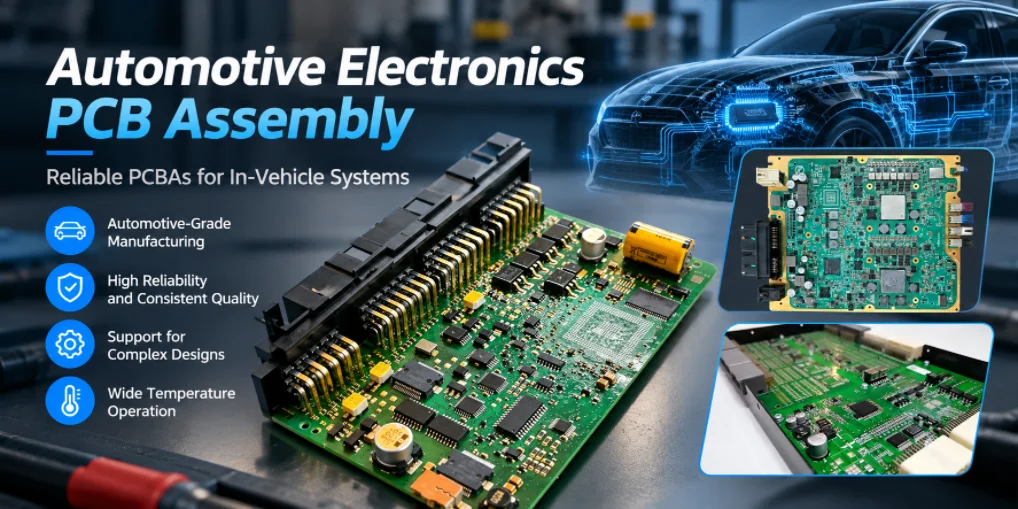
Automotive Electronics PCB Assembly spans several product families with distinct electrical, mechanical and traceability requirements. Highleap’s capabilities support discussion of the following PCB and PCBA categories; manufacturing acceptance and any vehicle-specific approval must be confirmed per project.
- EV battery management system PCB assembly: BMS master and cell-monitor/slave PCBAs, battery sensing boards, contactor-control interfaces, battery pack communication and isolation-monitoring support boards.
- EV powertrain and charging electronics: on-board charger (OBC) control PCBAs, traction inverter controller and gate-driver boards, automotive DC/DC converter control, power distribution and charging inlet/interface controllers.
- Automotive body and comfort ECUs: body control module (BCM) boards, door and seat controllers, climate and thermal management ECU PCBAs, window/liftgate controllers, steering-column control and motor/actuator driver electronics.
- ADAS and vehicle connectivity: radar and camera processing PCBAs, sensor interfaces, telematics control units (TCU), automotive Ethernet gateways, CAN/LIN communication modules and central gateway control boards.
- Lighting and interior electronics: automotive LED headlight and matrix LED driver PCBAs, tail-light controllers, ambient lighting modules, digital dashboard and infotainment electronics.
- Electrified auxiliaries: electric compressor control PCBAs, pumps, fans, cooling-system controller boards and 48 V subsystem electronics.
For thermal-intensive lighting, Highleap already describes automotive LED PCB manufacturing and assembly. For EV power control, high-current heavy copper board fabrication may be relevant where the design calls for it. Neither should be substituted into an approved product without the customer’s thermal, electrical and mechanical evaluation.
Before Supplier Nomination: Quality Scope, BOM and Contract Requirements
An automotive PCBA supplier is qualified for a defined customer program, plant, process and product—not simply by displaying an automotive logo. Automotive buyers should verify the current quality certificates directly with Highleap before supplier nomination, including the certified legal entity, production site, covered activities, certificate number and validity. The applicable quality-system scope must match the actual factory and manufacturing process proposed for the program.
The project quality agreement should define workmanship criteria, control plan responsibilities, process approvals, component traceability, nonconforming-material handling, deviation authorization and whether PPAP/APQP deliverables are required. A formal PPAP submission, product validation or customer-specific audit must be scheduled and quoted when requested; it should not be described as automatically included with routine PCB assembly.
The BOM decision cannot be separated from production approval
Automotive-grade sourcing frequently specifies AEC-Q100/Q101/Q200-qualified components where applicable, PPAP-linked part identities, approved supplier locations, exact temperature grades and restricted alternates. AEC component qualification is not the same as qualification of the finished electronic control unit. Under Highleap’s automotive electronic component sourcing, the RFQ should mark critical no-substitution parts and define documentary requirements for supplier lot, date code and change notices.
Consider a BMS cell-monitor IC. Replacing it with a footprint-compatible device can affect safety diagnostic behavior, input filtering, communication stack or calibration—even if the purchasing system calls both devices equivalent. Any change to critical silicon, insulation parts, connectors or flash devices requires the OEM-designated authorization and a review of test/qualification impact.
Automotive PCB Fabrication and Assembly: Match the Board to Its Vehicle Location
PCB construction is selected from the actual vibration, temperature, moisture, packaging and electrical conditions—not from the word “automotive.” Highleap multilayer automotive PCB fabrication can be discussed alongside rigid, flexible or hybrid constructions for dense vehicle electronics. The approved engineering drawing governs material grade, copper weight, layer structure, mechanical tolerances, solderability and surface finish.
| Automotive module | Typical manufacturing review | Preuves à l'appui |
|---|---|---|
| BMS and EV charge control | Isolation spacing, high-voltage sense interfaces, connector retention, current-sense components | Voltage/sensing tests, revision and critical-part traceability |
| ADAS camera/radar ECU | Dense BGA, HDI microvias, controlled impedance and mechanically critical connectors | Stack-up approval, hidden-joint inspection, programmed-board checks |
| Body/thermal controller | Mixed SMT/THT, relay or motor drivers, mechanical fixings and harness connectors | Channel/output test and connector workmanship criteria |
| LED headlight module | Metal-core or thermal path as designed, LED bin/polarity control, thermal-interface geometry | LED electrical/output criteria, thermal or optical tests if requested |
| Vehicle gateway/infotainment | Ethernet/CAN/LIN interfaces, fine-pitch memory and processor placement, firmware options | Interface and programming verification, serialized configuration |
For miniaturized ECUs, Fabrication de PCB HDI may be needed for fine-pitch devices. Dense geometry makes via-in-pad design, controlled impedance and X-ray access part of the discussion before SMT tooling is committed. For hybrid through-hole vehicle connectors and fine-pitch ICs, Highleap’s SMT/THT assembly services can be organized under a consistent build package.
Soldering profile, moisture-sensitive devices, ESD handling, coating/encapsulation limits, thermal interface materials and assembly cleanliness need engineering controls appropriate to the part. A production process that works for a dashboard PCB is not automatically qualified for an under-hood controller with much harsher exposure.
Automotive ECU SMT and BGA Assembly Process Control
Automotive ECU PCB assembly requires the production route to follow the approved product and customer quality plan. Fine-pitch processors, memory devices, QFN packages, BGAs, power components and vehicle connectors can appear on the same board, but they do not share identical inspection or handling requirements. The assembly documentation should identify package variants, moisture sensitivity, ESD controls, soldering restrictions, cleaning requirements and any coating or encapsulation exclusions.
Before the first build, the DFM/DFA review should compare the BOM with the PCB land patterns, confirm component orientation and polarity, check connector and mounting geometry, and identify test access for programming and functional verification. For BGA and other hidden solder joints, the inspection plan should define when X-ray is required and which acceptance criteria apply. AOI remains useful for visible placement and solder features, but it cannot inspect every hidden connection or establish the electrical performance of the ECU.
Automotive assembly controls to define in the RFQ
- Contrôle des composants : exact manufacturer part numbers, approved sources, date-code or lot requirements, storage conditions and no-substitution parts.
- Contrôle de processus: approved soldering profiles, moisture-sensitive device handling, ESD requirements, rework authorization and cleanliness criteria.
- inspection: AOI coverage, X-ray criteria for hidden joints, connector workmanship and any customer-specific inspection records.
- Programmation: approved firmware, calibration data, serial-number rules, secure provisioning and write/verify records.
- Traçabilité: the required link between board revision, BOM, component lots, process records, test results and shipment identification.
For automotive LED modules, thermal-interface geometry and the specified LED electrical or optical checks may be important. For BMS boards, voltage-sensing accuracy, isolation boundaries and connector configuration need to be defined. For ADAS or vehicle gateway boards, high-speed PCB stack-up, controlled impedance, BGA inspection and interface testing may be central to the manufacturing review. These are different PCBA applications and should not be covered by one generic acceptance checklist.
Clarifying quality-system and product-qualification responsibilities
Before supplier nomination, the customer should verify the current quality certificates, legal entity, site address, certificate scope and validity directly with the supplier. IATF 16949 certification, where applicable to the nominated site and activity, does not by itself approve a particular PCBA or replace the OEM’s program qualification. Likewise, AEC-qualified components do not mean that the completed ECU is AEC-qualified. PPAP, APQP, PFMEA, control plans, MSA, environmental validation and functional-safety evidence should be listed as specific deliverables with agreed owners, formats and timing.
Traceability, Firmware and Engineering Changes Across Vehicle Revisions
The most expensive repeat-order error in automotive electronics is often shipping the wrong approved configuration, not an obvious solder defect. A usable manufacturing history should connect the customer part/revision to the BOM, purchase lots, program image, critical inspection results and shipment lot at the resolution required by the customer.
Build identification before the first article
Define the printed or laser-marked assembly ID, board revision, PCBA revision, serial-number scheme, manufacturing lot identifier and data-retention policy. Where needed, match the software/calibration release to the hardware assembly and record the verification outcome. Highleap offers production IC and firmware programming, but secure key handling, OTP fuses and functional-safety configuration require customer-approved procedures.
Change control between prototype and volume
A practical engineering change notice (ECN/ECO) should state: the requested change; reason; affected part numbers and lots; BOM/firmware/test/fixture impact; validation needed; approval authority; and the first serial or production order using the change. An approved alternate in the BOM is not permission to change it silently when the product has a fixed vehicle validation status.
For service-life requirements, discuss long-term availability of MCUs, transceivers, MOSFETs and vehicle connectors before the OEM makes large inventory commitments. Customer-supplied parts, buffer stock, authorized-source restrictions and excess/obsolete material responsibility should be stated in the sourcing agreement.
Prototype, PPAP-Ready Evidence and Production Quality Gates
A sample that powers on is an engineering milestone, not an automotive production release. The handoff to repeat manufacturing should be based on a mutually approved process/quality plan, relevant sample inspections, fixture capability and the required customer approval records.
Gate A — engineering build: complete DFM, identify critical characteristics, confirm stack-up and surface finish, inspect soldering, record issues and agree the next revision.
Gate B — pilot verification: confirm approved parts and traceability, first-article workmanship, programming and fixture software, test limits, rework/deviation process and any required environmental samples. Highleap’s electrical and functional PCBA testing is defined around the released product; a customer may need additional load, fault-insertion, isolation or communication fixtures.
Gate C — production authorization: freeze the part/revision combination, approved BOM and alternates, manufacturing instructions, acceptance records and configuration identification. Where the OEM requires APQP, PPAP, PFMEA, MSA or control-plan submissions, agree the required levels, formats and responsibilities before nomination.
Automotive functional-safety programs governed by ISO 26262 need their own system-level lifecycle and evidence plan. AEC-qualified electronic components, IATF-aligned quality management and good PCBA workmanship do not independently certify an ECU to a functional-safety target. Likewise, EMC, vibration, thermal cycling and lifetime reliability tests must be requested as defined qualification work rather than inferred from routine AOI or factory FCT.
One-Stop Automotive PCB Manufacturing, Component Sourcing and Box Build
OEM supply teams often receive separate quotations from a bare-board shop, an SMT assembler and a harness/enclosure integrator. That approach can work, but it increases the number of handoffs that must preserve the same revision and acceptance instructions. Highleap can evaluate a consolidated board manufacturing, purchasing and assembly project, with optional electromechanical and box-build integration when the drawings specify enclosure, cabling, sealing and final-test responsibilities.
The commercial scope can be full turnkey, partial turnkey with consigned automotive-grade ICs, or assembly only. Our PCB fabrication and PCBA operations should be quoted with distinct deliverables for components, NRE/fixtures, programming, traceability, inspection, environmental finishing and packaging. That makes production transfer and future engineering changes easier to manage than a single unexplained “assembled PCB” line item.
If a project has several related automotive boards—such as an EV BMS master, cell monitoring slaves, a charge-control board and a vehicle gateway—send them as a controlled program. The BOM exceptions, software configurations, test criteria and forecast may differ for every assembly, but the production release must identify which sets belong together.
Automotive Electronics PCB Assembly RFQ: What Highleap Needs to Assess Your Program
A meaningful automotive PCBA quotation starts with the intended supplier qualification and manufacturing deliverables. Send the manufacturing package plus the customer-specific quality requirements, rather than assuming all vehicles require the same PPAP or test evidence.
- Gerber/ODB++ and fabrication drawing with stack-up, material, copper, controlled impedance and mechanical requirements.
- Version-controlled BOM with approved MPNs, component qualification restrictions, customer-consigned items and permitted alternates.
- Pick-and-place files, assembly drawings, harness/connector specifications, thermal-interface and coating instructions.
- Firmware, serialization, calibration and secure provisioning requirements, including ownership of unique device data.
- Workmanship standard/revision, traceability granularity, functional test, fixture acceptance, PPAP/APQP scope and environmental validation responsibilities.
- Prototype/pilot quantities, annual forecasts, release schedule, delivery destination and expected product life.
Supplier-Qualification Questions Automotive Buyers Should Ask at RFQ Stage
Does the quotation include PPAP documents? Only if the customer specifies them. PPAP evidence may include design and process records, inspection results, material reports, sample parts, measurement-system studies and other program-defined submissions. Ask for the agreed submission level and whether special fixtures or environmental testing are charged separately.
Can the PCB supplier support both EV power electronics and ADAS boards? Different constructions can be discussed under one program, but the manufacturing route must be independently assessed. A heavy-copper EV controller, fine-line radar board and thermally managed automotive LED assembly do not become equivalent just because they are purchased for the same vehicle platform.
Who approves an automotive BOM alternative? The designated OEM or Tier engineering authority under the approved change process. Even an AEC-qualified alternative can affect calibration, safety analysis, EMC, housing fit or control software. The PCBA supplier should flag a shortage and request an authorized decision before using a replacement.
Highleap Electronics — Automotive PCB & PCBA Supplier Evaluation
Send your BMS, EV charging, automotive ECU, ADAS, lighting or vehicle network manufacturing files. We can review the PCB fabrication, component sourcing, assembly, programming and customer quality package for a program-specific proposal.
Quality statement: automotive quality-system certificates, where applicable, must be checked for the nominated legal entity, production site, scope and current validity before qualification. Product compliance, safety case, PPAP approval, customer-specific reports and vehicle-level validation are established separately for each program.

messages recommandés
Processus de fabrication et de vérification des circuits imprimés I-Tera MT40
Highleap Electronics fournit le PCB Isola I-Tera MT40...
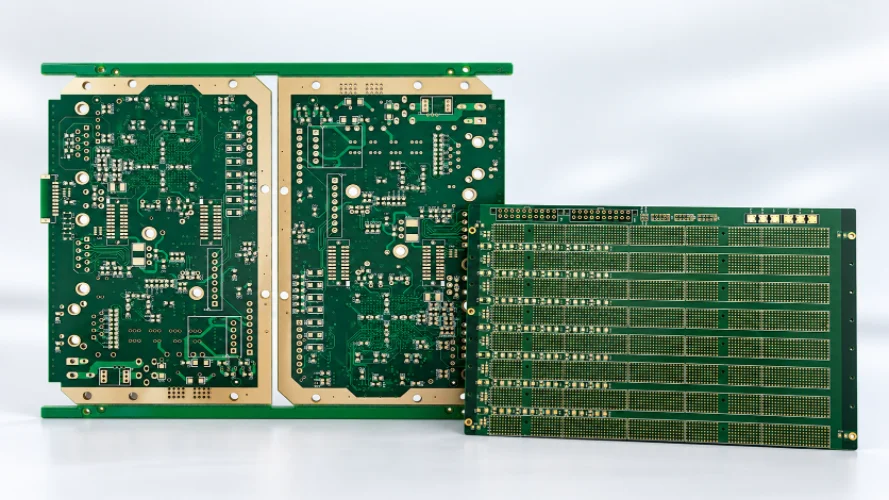
Liste de contrôle de qualification des fournisseurs de circuits imprimés I-Tera MT40
Highleap Electronics fabrique des cartes de circuits imprimés...
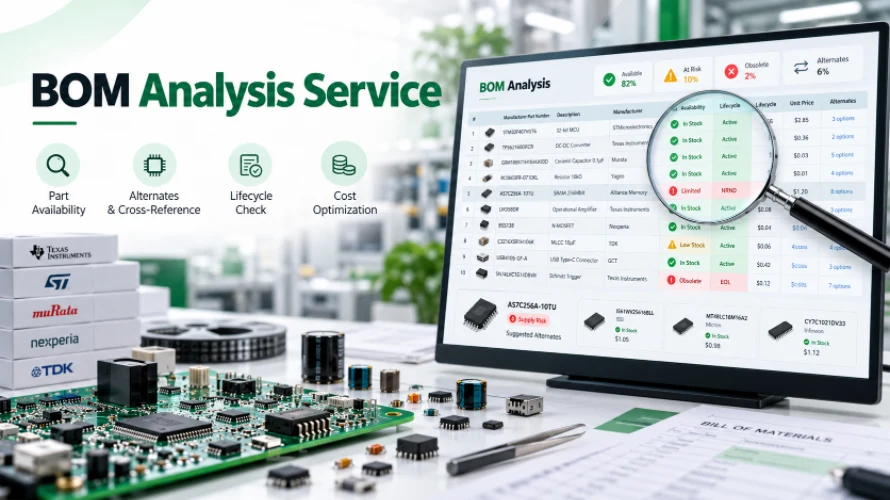
Assemblage de circuits imprimés avec service d'analyse de nomenclature gratuit
Besoin d'un service d'analyse de nomenclature gratuit avant de vous engager pour des circuits imprimés ?
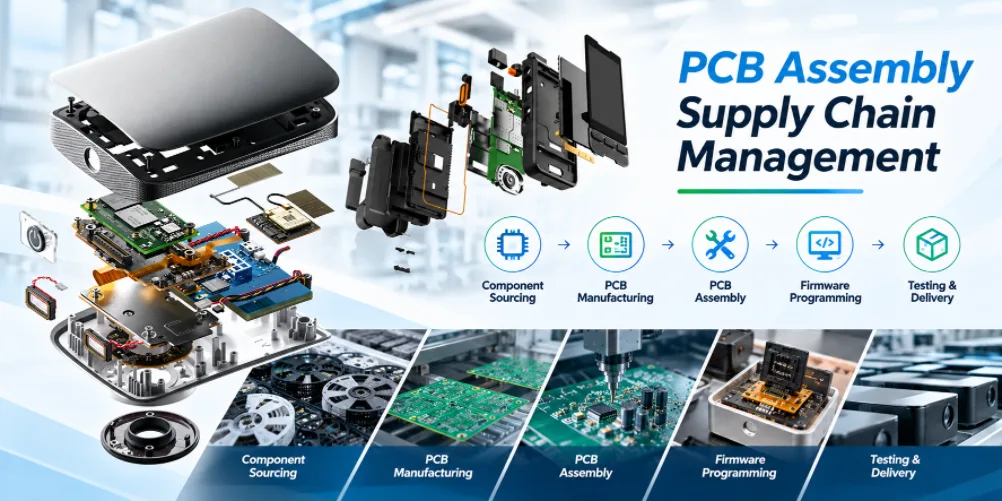
Gestion de la chaîne d'approvisionnement pour l'assemblage de circuits imprimés
Highleap Electronics prend en charge la chaîne d'approvisionnement pour l'assemblage de circuits imprimés...
Comment obtenir un devis pour les PCB
Nous réaliserons une analyse DFM/DFA pour vous et vous fournirons un rapport. Vous pouvez télécharger vos fichiers en toute sécurité via notre site web. Nous avons besoin des informations suivantes pour vous établir un devis :
-
- Gerber, ODB++ ou .pcb, spécifications.
- Liste de nomenclature si vous avez besoin d'un assemblage
- Quantité
- Temps de rotation
Outre la fabrication de circuits imprimés, nous proposons une gamme complète de services électroniques, incluant la conception de circuits imprimés, l'assemblage de cartes de circuits imprimés et des solutions clés en main. Que vous ayez besoin d'aide pour le prototypage, la vérification de la conception, l'approvisionnement en composants ou la production en série, nous vous offrons un accompagnement complet pour garantir la réussite de votre projet.
Pour les services PCBA, veuillez fournir votre nomenclature (BOM) et toute instruction d'assemblage spécifique. Nous proposons également des analyses DFM/DFA pour optimiser la fabricabilité et l'assemblage de vos conceptions, garantissant ainsi un processus de production fluide.