
LED-Downlight-Leiterplatten: Runde Lichtmodule, Treiber und Dimmplatinen für Einbauleuchten
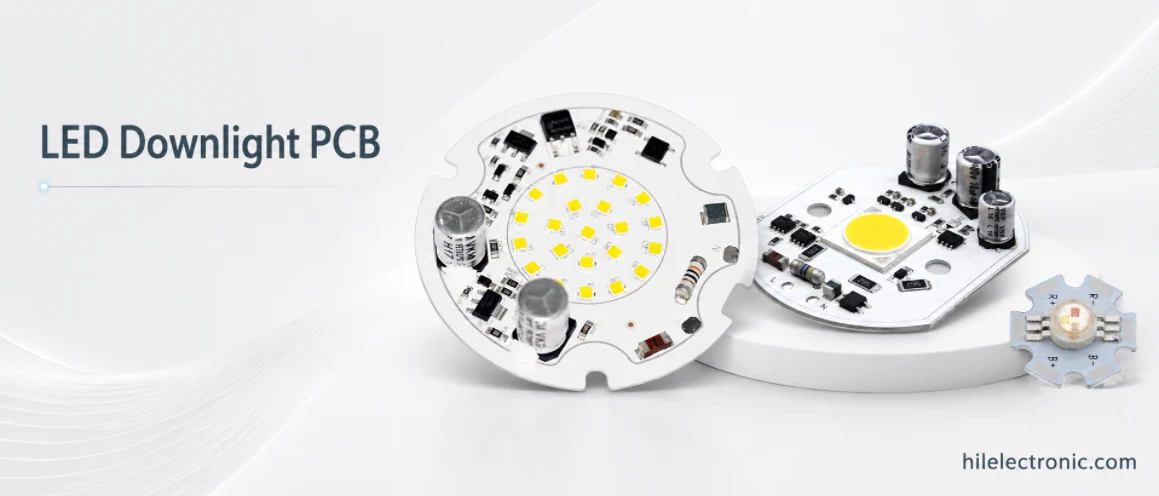
Abbildung 1. Fertigungsreferenz für LED-Downlight-Leiterplatten.
Inhaltsverzeichnis
- Die beiden Platinen im Inneren jeder Einbauleuchte
- Runde und quadratische Leuchtmittel für Einbauleuchten
- Dimmbarkeit und flimmerfreies Design
- Treiberformate: integriert, remote und Modul
- Berücksichtigung von Brandschutz-, IC- und Feuchtraumanforderungen
- Plattenarten und Oberflächen, die wir herstellen
- Warum Motor und Fahrer zusammen bauen?
- So bestellen Sie – Dateien, Mindestbestellmenge & Lieferzeit
- LED-Downlight-Leiterplatte – Häufig gestellte Fragen
Die Einbauleuchte ist der Arbeitspferde der modernen Innenbeleuchtung – tausendfach in Decken von Wohnungen, Büros, Hotels, Geschäften und Kliniken eingebaut. Sie sieht simpel aus, doch zwei Platinen entscheiden darüber, ob eine Einbauleuchte Freude bereitet oder Probleme verursacht: die runde Leuchteinheit mit den LEDs und der Treiber, der sie mit Strom versorgt und dimmt. Wenn eine Einbauleuchte brummt, flackert oder sich mit eingeschaltetem Wandschalter nicht dimmen lässt, liegt die Ursache fast immer an einer dieser beiden Platinen.
Highleap Electronics ist ein Komplettanbieter für Leiterplattenfertigung und -bestückung . Die für Downlights benötigten Metallkern-Treiber und Kompakttreiber gehören bei uns zum Tagesgeschäft. Wir fertigen beide Platinen und montieren sie zu passenden Modulen. Dieser Leitfaden erklärt, was eine gute Downlight-Platine ausmacht – insbesondere das Dimmverhalten, das jeder bemerkt – und wie Sie bestellen können. Weitere Informationen finden Sie auf unserer Seite für Leiterplattenhersteller im Bereich Beleuchtung.
Kurz gesagt: Eine Downlight-Leuchte benötigt eine runde (oder quadratische) Metallkern-Lichtquelle und einen passenden Konstantstromtreiber. Die Kombination muss sich mit dem Dimmer des Gebäudes stufenlos und flimmerfrei dimmen lassen. Highleap Electronics fertigt und montiert beide Platinen – Aluminium-MCPCB-Lichtquellen und Treiber, abgestimmt auf TRIAC-, 0-10-V- oder DALI-Dimmung – sodass die Leuchte sauber bis auf niedrige Helligkeitsstufen gedimmt werden kann. Mindestbestellmenge: 1 Stück, Angebot innerhalb von 24 Stunden.
Die beiden Platinen im Inneren jeder Einbauleuchte
Eine Downlight-Leuchte ist die einfachste der mehrplatinigen Beleuchtungsprodukte, besteht aber dennoch aus zwei aufeinander abgestimmten Platinen. Die Lichtquelle – eine runde oder quadratische Metallkern-Leiterplatte mit den LEDs – bestimmt die Lichtqualität und reguliert die Wärmeentwicklung. Der Treiber wandelt den Netzstrom in den für die Lichtquelle benötigten Konstantstrom um und dient der Dimmsteuerung. Die Leuchte funktioniert nur dann optimal, wenn diese beiden Komponenten aufeinander abgestimmt sind.
Die perfekte Abstimmung ist entscheidend. Ein Standardtreiber, der an einen speziell angefertigten Motor angeschlossen wird, dimmt oft schlecht, versorgt die LEDs mit dem falschen Strom oder brummt. Werden Treiber und LEDs vom selben Hersteller gefertigt, ist der Ausgangsstrom des Treibers exakt auf die LED-Anordnung des Motors abgestimmt, und die Dimmung ist auf diese Last abgestimmt – deshalb funktioniert ein perfekt aufeinander abgestimmtes Paar einwandfrei, während ein nicht aufeinander abgestimmtes Paar versagt.
Runde und quadratische Leuchtmittel für Einbauleuchten
Downlight-Module sind kompakte Platinen, bei denen Farbqualität, Wärmeentwicklung und Position der Lichtquelle entscheidend sind. Wir fertigen sie auf unserer Aluminium-LED- Leiterplattenlinie, sodass der LED-Übergang kühl bleibt und die Farbe in einem geschlossenen Einbaugehäuse stabil bleibt.
- Runde und quadratische Formate — auf den Durchmesser der Downlight-Leuchte abgestimmt, wobei die LED-Anordnung mittig auf dem Reflektor bzw. der Linse angeordnet ist.
- SMD Arrays mittlerer Leistung — für gleichmäßiges, angenehmes Licht mit guter Farbwiedergabe, die am häufigsten gewählte Downlight-Variante.
- Optionen mit hohem Farbwiedergabeindex (CRI) — CRI 90+ für Einzelhandels-, Gastronomie- und Wohneinrichtungen, wo Farbtreue verkaufsfördernd ist.
- Hochreflektierende weiße Maske — um nutzbare Lumen von der Platine und aus der Leuchte herauszubefördern.
- Tunable weiß — Zweikanal-Engines für Leuchten mit variabler Farbtemperatur, ausgestattet mit der passenden Steuerung.
Der Motor ist auf die Gehäusegröße, die Optik und die vom Leuchtenhersteller versprochene Lichtqualität abgestimmt – es handelt sich also nicht um eine Einheitsplatine, die in jedes Gehäuse gezwungen wird.
Dimmbarkeit und flimmerfreies Design
Das Dimmen ist die häufigste Beschwerde bei Einbauleuchten, und es lohnt sich, den Grund dafür zu verstehen, denn hier zeigt sich die Stärke einer hochwertigen Treiberplatine. Die Probleme, die auftreten – Licht, das am unteren Ende des Drehreglers ausgeht, flackert, brummt oder sich mit dem vorhandenen Schalter gar nicht dimmen lässt – sind fast alle auf die Treiberplatine zurückzuführen und fast alle vermeidbar.
Das Kompatibilitätsproblem. Die meisten Dimmer in Privathaushalten und kleineren Gewerberäumen sind Phasenanschnittdimmer (TRIAC-Dimmer), die ursprünglich für Glühlampen mit einer Leistung von einigen hundert Watt ausgelegt waren. Eine LED-Einbauleuchte verbraucht nur einen Bruchteil davon, und ein günstiger LED-Treiber stellt eine Last dar, die der alte Dimmer nicht gleichmäßig verarbeiten kann – er ruckelt, flackert oder hat einen eingeschränkten nutzbaren Dimmbereich. Ein Treiber, der für die Kompatibilität mit Phasenanschnittdimmern ausgelegt ist, verfügt über die notwendige Schaltung, um über den gesamten Dimmbereich eine stabile und dimmfreundliche Last bereitzustellen.
- Entlüftungs- und Dämpfungsschaltung Der TRIAC zündet also auch bei der geringen Leistungsaufnahme der LED zuverlässig.
- Breite Dimmerkompatibilität — getestet mit den gängigen Dimmermarken, denen ein Installateur wahrscheinlich begegnen wird, sodass die Leuchte mit bereits an der Wand vorhandenen Schaltern kompatibel ist.
- Sanfter Bassbereich — ein großer Dimmbereich (bis 10 %, 1 % oder weniger) ohne Aussetzer oder sichtbare Stufen.
Das Problem des Flimmerns. Flimmern ist eine Schwankung im LED-Strom und beeinträchtigt den Sehkomfort sowie zunehmend auch die Gesundheit und die Videoqualität. Manche Menschen bekommen bei flimmerndem Licht Kopfschmerzen; Kameras zeigen es als Streifenbildung. Ein guter Treiber hält das Flimmern gering (prozentuales Flimmern und Flimmerindex werden kontrolliert), indem er den LED-Strom präzise regelt. Die LED-Konfiguration des Motors ist so gewählt, dass der Treiber dies effizient leisten kann.
- Niedrigprozentiges Flimmern über den gesamten Dimmbereich, nicht nur bei voller Leistung, wo es einfach ist.
- Konstante Farbe beim Dimmen — Der Farbton blieb auch bei sinkender Lichtleistung konstant, was billige Dimmerschaltungen nicht leisten.
- Protokollauswahl — Bei kommerziellen Projekten umgeht die 0-10 V- oder DALI-Dimmung das Problem der Phasenverschiebungskompatibilität vollständig, und wir entwickeln Treiber für diese Schnittstellen.
Der Grund, warum es sich hier um ein Problem des Platinendesigns und nicht der Leuchtenmontage handelt, liegt darin, dass die Kompatibilität von Flimmern und Dimmern von der Treibertopologie und der zugehörigen LED-Last abhängt. Wenn ein Hersteller Treiber und Modul zusammen fertigt und die Dimmung auf das jeweilige LED-Array abstimmt, dimmt die Leuchte wie vom Kunden erwartet. Stammen die Komponenten von verschiedenen Zulieferern, führt die Frage „Dimmt nicht richtig?“ zu gegenseitigen Schuldzuweisungen ohne Verantwortlichkeit. Die gemeinsame Fertigung beider Platinen ist die praktischste Lösung für das häufigste Problem bei Downlights.
Treiberformate: integriert, remote und Modul
Bei Downlights ist der Treiber je nach Leuchte unterschiedlich verpackt, und wir fertigen für jede Leuchte eine eigene Treiberplatine an:
- Integrierter Treiber — in den Downlight-Körper integriert für eine All-in-One-Leuchte; kompakte Platine, die auf die Größe des Gehäuses abgestimmt ist.
- Fern-/Anschlusskastentreiber — ein separater Treiber in einer Anschlussdose, üblich bei feuerbeständigen und flachen Leuchten, bei denen im Gehäuse kein Platz ist.
- Modultreiber — eine Standard-Treiberplatine für eine Leuchtenplattform, die von mehreren Lichtquellen gemeinsam genutzt wird.
Jedes Format wird als kompakte, bestückte Platine gefertigt, die auf den jeweiligen Motor abgestimmt ist und über die vom Projekt vorgegebene Dimm-Schnittstelle verfügt.
Berücksichtigung von Brandschutz-, IC- und Feuchtraumanforderungen
Die Position einer Downlight-Leuchte ändert die Anforderungen an die Platine, und wir fertigen sie entsprechend an:
- Feuerbeständige Armaturen — Motor und Fernbedienung sind für die thermischen Bedingungen eines feuerfesten Behälters ausgelegt, um sichere Temperaturen zu gewährleisten.
- IC-zertifiziert (Isolationskontakt) — Da die in der Deckenisolierung verborgenen Bauteile heißer werden, wurde bei der thermischen Auslegung des Motors eine zusätzliche Sicherheitsreserve eingebaut.
- Feuchte und nasse Standorte — Badezimmer-, Dusch- und Außen-Dachuntersichtleuchten erhalten schützende Schutzbeschichtung damit die Feuchtigkeit die Platine nicht angreift.
- Thermischer Spielraum — Jede eingelassene Vorrichtung speichert Wärme, daher ist der Motor so konstruiert, dass er die Temperatur der Zündkerze in einem geschlossenen Gehäuse hält, nicht auf einer offenen Werkbank.
Im Rahmen der kostenlosen DFM-Überprüfung wird die passende Wärme- und Schutzbehandlung für die jeweilige Anlage ermittelt.
Platinenarten und Oberflächen, die wir für Downlights herstellen
Downlight-Programme verwenden einen fokussierten Baukasten, und wir bauen alles selbst:
- Aluminium-MCPCB-Motoren — der Downlight-Standard für stabile Farbwiedergabe und lange Lebensdauer.
- FR-4 Treiber- und Steuerplatinen — kompakte Leistungs- und Dimm-Elektronik.
- Hochreflektierende weiße Lötstoppmaske und OSP/ENIG-Oberflächen, die für die Montage mit feiner Rasterteilung geeignet sind.
- Benutzerdefinierte Motorumrisse — runde, quadratische und maßgefertigte Formen, passend zur Leuchte.
- Abstimmbare weiße Mehrkanalmotoren mit passenden Steuerplatinen.
Die Konstruktion wird während der DFM-Phase auf die Lichtqualität, den Standort und die Dimmanforderungen der Leuchte abgestimmt.
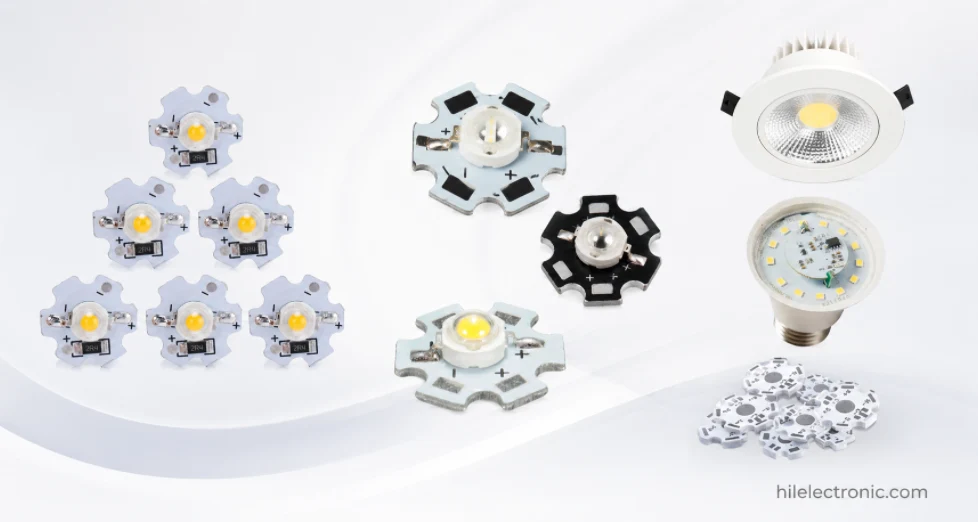
Abbildung 2. Details zur Herstellung und Montage der Leiterplattenbestückung für LED-Downlights.
Warum Motor und Fahrer zusammen bauen?
Einbaustrahler werden aufgrund zweier Kriterien verkauft und zurückgegeben: Lichtausbeute und Dimmbarkeit. Beides hängt von der Kompatibilität von Motor und Treiber ab. Ein Anbieter, der nur den Motor oder nur den Treiber herstellt, überlässt diese Abstimmung dem Zufall – die Folge sind brummende, flackernde und schlecht dimmbare Leuchten, die zu Garantieansprüchen und negativen Bewertungen führen.
Highleap Electronics fertigt die LED-Einheit und den Treiber gemeinsam, stimmt die Dimmung auf die tatsächliche LED-Last ab und testet beides zusammen ab einer Mindestbestellmenge von 1 Stück, damit Sie die Funktion Ihrer Leuchte vor der Serienproduktion prüfen können. Senden Sie Ihr Design oder die gewünschten Werte für Lichtstärke, Farbwiedergabeindex (CRI) und Dimmprotokoll an unser Team für die LED-Platinenbestückung – wir erstellen Ihnen innerhalb von 24 Stunden ein Angebot. Die thermische Auslegung und die Dimmung werden in einem Arbeitsgang abgewickelt.
So bestellen Sie – Dateien, Mindestbestellmenge & Lieferzeit
Die Bestellung von Downlight-Platinen bei Highleap Electronics ist unkompliziert, egal ob Sie bereits fertige Dateien haben oder nur die Zielwerte für Lichtstrom, Farbwiedergabeindex (CRI) und Dimmprotokoll angeben. Jedes Angebot beinhaltet eine kostenlose Prüfung der Fertigungsgerechtigkeit (DFM). Unsere Mindestbestellmenge beträgt ein einzelnes Gerät, Prototypen werden nicht berechnet.
Welche Dateien sollen gesendet werden?
- Leiterplattenfertigung — Gerber RS-274X-Dateien (alle Kupfer-, Lötstopplack- und Siebdruckschichten), Excellon-Bohrdatei, Platinenumriss auf der mechanischen Schicht und Fertigungshinweise zu Substrat, Dielektrikum, Kupfergewicht, Oberflächenbeschaffenheit und Lötstopplackfarbe.
- Leiterplattenbestückung (PCBA) — zuzüglich der oben genannten Angaben eine Stückliste mit Herstellerteilenummern und Mengen sowie eine Pick-and-Place-Datei (Centroid) für die SMT-Komponenten.
- Komplette Elektronik — Zusätzlich zu den oben genannten Dateien benötigen wir mechanische Dateien (STEP/DXF) für den Kühlkörper bzw. das Gehäuse, Details zur Optik bzw. Linse, Spezifikationen für Treiber oder Steuerung, gegebenenfalls Firmware sowie jegliches Branding- oder Verpackungsdesign. Sollten Dateien fehlen, senden Sie uns bitte die vorhandenen. Unser Entwicklungsteam wird die fehlenden Dateien im Rahmen der DFM-Prüfung identifizieren.
Mindestbestellmenge und Preisgestaltung
- Mindestbestellmenge ist 1 Einheit sowohl für die Fertigung als auch für die Montage, ohne Strafgebühr für den Prototyp.
- Mengenrabatt bei 10, 50, 100, 500 und über 1,000 Einheiten.
- Wir speichern Ihre Dateien, sodass bei Folgeaufträgen die Entwicklungskosten nicht erneut berechnet werden müssen.
Vorlaufzeiten
- PCB-Herstellung — Standardmäßig 5 bis 7 Werktage; Express 24 bis 48 Stunden, vorbehaltlich der Verfügbarkeitsbestätigung.
- Leiterplattenbestückung (PCBA) — 7 bis 12 Werktage inklusive Komponentenbeschaffung; 5 Tage Expresslieferung bei vorrätiger Stückliste.
- Schlüsselfertige Module — typischerweise 12 bis 18 Werktage, abhängig von Untergrund, Schutzmaßnahmen und Volumen.
- Alle Lieferzeiten sind in Ihrem Angebot bestätigt und beginnen mit der Auftragsbestätigung und der Freigabe der Dateien.
Zertifizierungen und Standards: Qualitätsmanagement nach ISO 9001 , IPC-Klasse 2 und 3 , AOI- und Funktionstests jeder Platine, Röntgen-, ICT- und Burn-In-Tests sind verfügbar. Wir liefern in über 40 Länder mit Sendungsverfolgung und stellen auf Anfrage Konformitätsdokumente bereit. Für LED-Downlight-PCB-Projekte laden Sie bitte die Gerber-Dateien, die Stückliste, die Dimmvorgaben, die thermischen Zielwerte und die Zielmengen über das Angebotsformular auf unserer Website hoch, damit Highleap Electronics die Details der runden Lichtquelle, des Treibers und der Montage prüfen kann.
LED-Downlight-Leiterplatte – Häufig gestellte Fragen
Warum flackern manche LED-Einbaustrahler oder dimmen schlecht, und kann man das beheben?
Fast immer liegt es am Treiber, und ja. Schlechte Dimmung und Flackern entstehen durch einen Treiber, der nicht auf die LED-Last abgestimmt oder nicht für den im Raum verwendeten Dimmer – meist ein alter Phasenanschnittdimmer (TRIAC) – ausgelegt ist. Wir fertigen Treiberplatinen mit Entlade-/Dämpfungsschaltungen für breite TRIAC-Kompatibilität, geringes Flackern über den gesamten Dimmbereich und sanftes, tiefes Dimmen. Diese werden exakt auf die jeweilige LED abgestimmt. Bei gewerblichen Projekten umgeht die Verwendung von 0-10 V oder DALI das Problem des Phasenanschnittdimmers vollständig.
Baust du die Lichtmaschine und den Treiber separat oder nur eines von beiden?
Beides zusammen. Eine Downlight-Leuchte besteht aus zwei Platinen und funktioniert nur dann einwandfrei, wenn die Leuchteinheit mit Metallkern und der Treiber aufeinander abgestimmt sind – der Treiberstrom auf die LED-Anordnung eingestellt und die Dimmung auf diese Last abgestimmt. Wir fertigen und montieren beide Komponenten und testen sie als Paar. Dies ist die praktische Lösung für die Probleme, die durch nicht aufeinander abgestimmte Platinen verursacht werden: Brummen, Flackern und schlecht dimmende Leuchten.
Können Sie Downlight-Motoren für feuerbeständige, IC-zertifizierte oder feuchte Umgebungen bauen?
Ja. Feuerfeste und IC-zertifizierte Gehäuse speichern mehr Wärme. Daher ist der Wärmepfad des Motors mit zusätzlicher Reserve ausgelegt, um die Sperrschichttemperatur in einer geschlossenen, isolierten Leuchte zu halten. Für Badezimmer-, Dusch- und Außenbeleuchtungen (z. B. für Dachuntersichten) wird eine Schutzbeschichtung gegen Feuchtigkeit angebracht. Die Wärme- und Schutzbehandlung wird im Rahmen der kostenlosen DFM-Beratung individuell auf die jeweilige Installation abgestimmt.
Welche Dimmprotokolle unterstützen Ihre Downlight-Treiber?
Wir fertigen Treiber für Phasenanschnitt- (TRIAC/Phasenabschnitt- und Phasenabschnittsdimmung), 0-10-V-, DALI- und PWM-Dimmung, abgestimmt auf das Steuerungssystem des jeweiligen Projekts. Phasenanschnitt-Treiber sind auf breite Kompatibilität mit gängigen Wanddimmern und gleichmäßige Leistung im unteren Frequenzbereich optimiert. 0-10-V- und DALI-Treiber werden für gewerbliche Projekte empfohlen, bei denen Kompatibilitätsprobleme mit Dimmern vermieden werden sollen. Alle Treiber gewährleisten eine konstante Lichtfarbe beim Dimmen der Leuchte.

Empfohlen Beiträge
TMM4 Filter-Leiterplattenfertigung
Die Herstellung der Leiterplatten für den TMM4-Filter wird gesteuert durch...
TMM3 Leiterplattenfertigung für HF-Module
Die Fertigung von TMM3-Leiterplatten ist am sinnvollsten dort, wo das HF-Modul...
TMM6 Leiterplattenfertigung
TMM6-Fertigung ist die Prozesssteuerungsseite für eine mittlere Dk...
TMM10 Leiterplattenfertigung für kompakte HF-Designs
Inhaltsverzeichnis: Wie TMM10 HF-Strukturen verkleinert – TMM10 vs. ...
So erhalten Sie ein Angebot für Leiterplatten
Wir führen gerne eine DFM/DFA-Analyse für Sie durch und senden Ihnen anschließend einen Bericht zu. Sie können Ihre Dateien sicher über unsere Website hochladen. Für die Erstellung eines Angebots benötigen wir folgende Informationen:
-
- Gerber, ODB++ oder .pcb, Spezifikation.
- Stückliste, wenn Sie eine Montage benötigen
- Die Menge
- Wendezeit
Für PCBA-Dienstleistungen geben Sie bitte Ihre Stückliste (BOM) und alle spezifischen Montageanweisungen an. Wir bieten auch DFM/DFA-Analysen an, um Ihre Designs hinsichtlich Herstellbarkeit und Montage zu optimieren und so einen reibungslosen Produktionsprozess zu gewährleisten.