
LED-Schienenstrahler-Leiterplatten: Kompakte Lichtmodule und Treiberplatinen mit hohem Farbwiedergabeindex
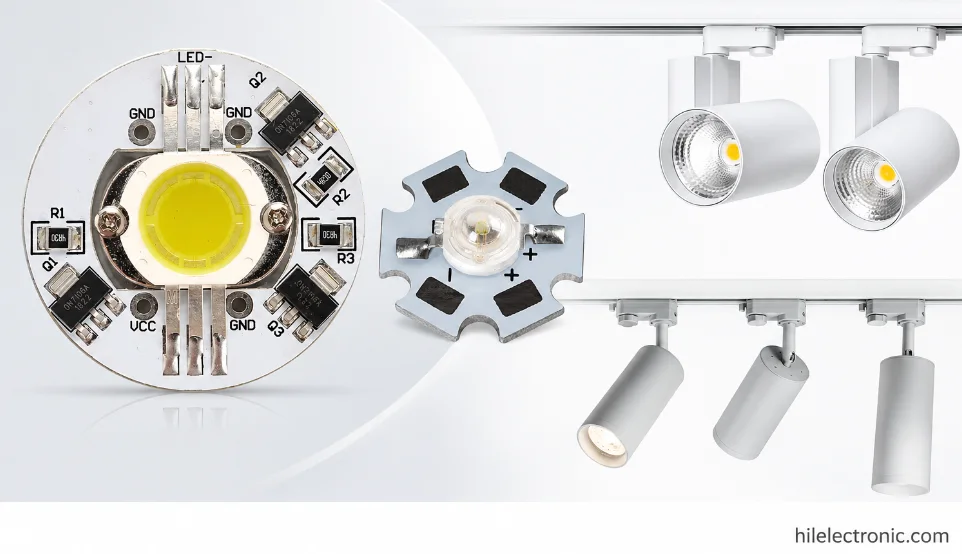
Abbildung 1. Fertigungsreferenz für Leiterplatten von LED-Schienenleuchten.
Inhaltsverzeichnis
- Die Lichtmaschine hinter einem großartigen Gleiskopf
- Motorendesign mit hohem Farbwiedergabeindex (CRI) und einstellbarem Weißlicht
- Kompakte Antriebe und Steuerung für Schienensysteme
- Platinenarten und Oberflächen, die wir für Schienenleuchten herstellen
- Warum eine Fabrik für Motor, Fahrer und Steuerung?
- So bestellen Sie – Dateien, Mindestbestellmenge & Lieferzeit
- Häufig gestellte Fragen zu LED-Schienenstrahlern
Schienenbeleuchtung muss Produkte und Kunstwerke optimal in Szene setzen. Ob im Einzelhandel, in einer Galerie, einem Showroom oder einem Boutique-Hotel – die Qualität des Schienenstrahlers wird ausschließlich anhand der abgegebenen Lichtmenge beurteilt: Farbtreue, Abstrahlwinkel und gleichmäßiges Dimmen ohne Farbtonveränderung. All dies wird von zwei kleinen Platinen im Inneren des Strahlers gesteuert: dem LED-Modul und dem kompakten Treiber, der es mit Strom versorgt.
Highleap Electronics ist ein Komplettanbieter für die Fertigung und Bestückung von Leiterplatten . Kompakte Leuchten mit hohem Farbwiedergabeindex (CRI), wie z. B. Schienenstrahler, eignen sich ideal für unsere Metallkern- und Feinraster-Bestückungslinien. Wir fertigen die Lichtquelle, den Treiber und die Steuerplatine und montieren diese zu einem fertigen Modul. Dieser Leitfaden erklärt, was eine hochwertige Schienenstrahler-Leiterplatte ausmacht und wie Sie diese bestellen können. Weitere Informationen finden Sie auf unserer Seite zur Leiterplattenfertigung für Beleuchtungstechnik.
Kurz gesagt: Ein Schienenstrahler benötigt eine kompakte, hochfarbintensive (oder tunable-white) Metallkern-LED-Einheit und einen miniaturisierten Konstantstromtreiber, der stufenlos und ohne Farbverschiebung dimmbar ist. Highleap Electronics fertigt und montiert beides – Aluminium-MCPCB-Einheiten mit hochfarbintensiven SMD- oder COB-LEDs sowie platzsparende Treiber und Dimmsteuerung – ab einer Mindestbestellmenge von 1 mit einem Angebot innerhalb von 24 Stunden. So erhalten Einzelhändler und Galerien hochwertige Beleuchtung aus einer Hand.
Die Lichtmaschine hinter einem großartigen Gleiskopf
Ein Strahlerkopf ist ein kleines, präzises Instrument. Die Lichtquelle muss auf kleinstem Raum eine akkurate Farbwiedergabe gewährleisten, in einem geschlossenen Gehäuse ausreichend kühl bleiben, um die Farbwiedergabe dauerhaft zu erhalten, und die LED exakt an der richtigen Position für Reflektor oder Linse ausrichten, um einen sauberen Lichtstrahl zu erzeugen. Dies gelingt mit Metallkernplatinen: Eine Aluminium -Metallkernplatine hält den LED-Anschluss kühl, sodass die Farbwiedergabe stabil bleibt, und die präzise Positionierung sorgt dafür, dass die Lichtquelle genau dort sitzt, wo sie vom Optiksystem erwartet wird.
Wir bauen Schienenstrahler in runden und rechteckigen Ausführungen, die auf den Strahlerkopf und die Optik abgestimmt sind. Das LED-Format wird je nach gewünschtem Erscheinungsbild der Leuchte ausgewählt – SMD-LEDs mit hohem Farbwiedergabeindex und mittlerer Leistung für weiches, gleichmäßiges Licht im Einzelhandel oder COB-LEDs für einen fokussierten, scharfen Lichtstrahl aus einer einzigen hellen Lichtquelle.
Motorendesign mit hohem Farbwiedergabeindex (CRI) und einstellbarem Weißlicht
Bei Schienenstrahlern kommt es vor allem auf die Farbwiedergabe an, daher verdient die Lichtquelle einen genaueren Blick. Zwei Aspekte sind dabei entscheidend: Farbwiedergabe und Farbabstimmung.
Hohe Farbwiedergabe (CRI/Farbtreue). Die Beleuchtung im Einzelhandel und in Galerien steht und fällt mit der Farbtreue. Ein Leuchtmittel mit hohem CRI (üblicherweise CRI 90–98, oft mit besonderem Augenmerk auf R9 für gesättigte Rottöne und die neueren TM-30-Kriterien für Farbtreue und Farbraum) lässt Waren, Hauttöne, Lebensmittel und Kunstwerke natürlich wirken. Dies lässt sich zum Teil durch die Auswahl der LEDs und zum Teil durch präzise Montage erreichen.
- LED-Quellen und -Sortierung — wir beziehen LEDs mit hohem Farbwiedergabeindex (CRI) und durch unsere LED-Leiterplattenmontage Mithilfe der Binning-Steuerung lassen sich die Leuchten in eng gefasste Farb- und CCT-Gruppen einteilen, sodass alle Leuchten einer Installation farblich und farblich harmonieren. Nicht übereinstimmende Farbgruppen sind die häufigste Ursache dafür, dass eine Lichtanlage optisch nicht ganz stimmig wirkt.
- Thermische Stabilität — Da sich die Farbe mit der Sperrschichttemperatur ändert, sorgt der Metallkern dafür, dass die LED so kühl bleibt, dass die von Ihnen angegebene Farbe auch die Farbe ist, die die Leuchte nach einer Stunde Betrieb auf der Schiene tatsächlich abgibt.
- SMD und COB Optionen — High-CRI ist sowohl in SMD-Arrays mittlerer Leistung für eine gleichmäßige Ausleuchtung als auch in COB-Arrays für eine einzelne, scharfe Lichtquelle erhältlich; wir bauen beide Varianten.
Einstellbares Weißlicht und ein sanfter Übergang von warm zu dunkel. Gastronomie und gehobener Einzelhandel wünschen sich zunehmend eine variable Farbtemperatur – kühler für die Warenpräsentation am Tag, wärmer für die Abendstimmung oder ein sanfter Übergang von warm zu dunkel, ähnlich wie bei Halogenlampen. Dies erfordert eine Mehrkanal-LED-Engine mit zwei oder mehr Farbtemperaturen, deren Platine so angeordnet ist, dass sich die Kanäle gleichmäßig mischen und die Steuereinheit sie ausbalancieren kann.
- Zweikanalig (einstellbares Weiß) — Warme und kalte LEDs auf separat steuerbaren Kanälen, gemischt zu jeder beliebigen Farbtemperatur im Bereich.
- Von schwach bis warm — Die Kanäle sind so gewichtet, dass die Farben bei sinkender Lichtstärke automatisch wärmer werden, was dem Halogen-Look entspricht, den Galerie- und Hotelkunden wünschen.
- Gleichmäßiges Mischen — Kanalverschachtelung auf der Platine, damit das gemischte Licht über den gesamten Strahl gleichmäßig ist und keine Farbsäume auftreten.
Die Tatsache, dass Motor und Steuereinheit gemeinsam entwickelt wurden, sorgt dafür, dass die einstellbare Weißlichtmischung auch wirklich gut aussieht – die Mischgeometrie des Motors und die Ausgleichslogik des Controllers sind zwei Hälften eines Designs. Deshalb ist es bei diesem Produkt wichtiger, sie an einem Ort zu bauen, als bei einem einfachen Sprühkopf mit fester Weißlichtmischung.
Kompakte Antriebe und Steuerung für Schienensysteme
Da die Strahler klein sind, muss auch der Treiber klein sein – und dennoch ein gleichmäßiges Dimmen ermöglichen. Wir entwickeln kompakte LED-Treiberplatinen , die in den Strahler oder den Schienenadapter passen, einen sauberen, konstanten Strom liefern und flimmer- und farbverschiebungsfrei über das vom Projekt verwendete Steuerungsprotokoll dimmen.
- Stufenloses Dimmen — TRIAC, 0-10 V, DALI oder PWM, ausgewählt für das Steuerungssystem des Gebäudes, abgestimmt auf flimmerfreie Leistung im unteren Frequenzbereich.
- Kompakter Platzbedarf — Treiberplatinen, die auf den begrenzten Platz in einem Schienenkopf oder Adapter abgestimmt sind.
- Einstellbare Weißabstimmung — Bei Mehrkanal-Engines gleicht die Steuereinheit die Kanäle aus, um die Ziel-CCT oder die Dimm-to-Warm-Kurve zu erreichen.
- Konstante Farbe — Die Dimmfunktion ist so ausgelegt, dass der Farbton bei Änderungen der Lichtleistung konstant bleibt, was bei günstigen Treibern selten gelingt; dies passt zu der thermisches Design des Motors.
Da wir den Treiber am selben Ort wie den Motor bauen, sind der Dimmbereich und das Farbverhalten als ein System konzipiert und müssen nicht zwischen zwei Lieferanten ausgehandelt werden.
Platinenarten und Oberflächen, die wir für Schienenleuchten herstellen
Schienenbeleuchtungssysteme verwenden eine festgelegte Auswahl an Platinenkonstruktionen, und wir fertigen sie alle an:
- Aluminium-MCPCB-Motoren — der Standard für Schienenköpfe, auf unserem Aluminium-LED-Platine Linie, für stabile Farbe und lange Lebensdauer.
- Hochreflektierende weiße Lötstoppmaske — um die nutzbare Lumenanzahl aus einer kompakten Lichtquelle zu maximieren.
- ENIG- und OSP-Oberflächen — flache, lötbare Oberflächen, die sich für die Montage mit feiner Rasterteilung und hohem Farbwiedergabeindex eignen.
- FR-4 Treiber- und Steuerplatinen — kompakt montiert Platinen für die Leistungs- und Dimmelektronik.
- Kundenspezifische Formen — runde, rechteckige und maßgeschneiderte Motorumrisse, die zu einem bestimmten Zylinderkopf und einer bestimmten Optik passen.
Unabhängig vom Leuchtenkopfdesign stimmen wir Substrat, Oberflächenbeschaffenheit und LED-Format auf die Farbqualität und den Lichtstrahl ab, die die Leuchte benötigt.
Warum eine Fabrik für Motor, Fahrer und Steuerung?
Eine Schienenbeleuchtung ist ein kleines System, bei dem die Farbqualität von der Abstimmung von LED-Modul und Treiber abhängt. Werden LED-Sortierung, Wärmeableitung und Dimmverhalten von verschiedenen Anbietern übernommen, entstehen die typischen, leicht uneinheitlichen und farblich schwankenden Schienenbeleuchtungen, die man aus schlecht ausgestatteten Geschäften kennt. Wenn hingegen ein einziger Hersteller die LEDs beschafft und sortiert, das LED-Modul mit Metallkern fertigt und den Treiber darauf abstimmt, wirkt die Installation einheitlich und behält diese Einheitlichkeit auch bei.
Highleap Electronics fertigt Motor, Treiber und Steuerplatine zusammen mit Binning-Steuerung und angepasster Dimmung ab einer Mindestbestellmenge von 1 Stück. So können Sie einen Prototyp erstellen, bevor Sie sich für eine ganze Produktreihe entscheiden. Senden Sie Ihr Design oder die gewünschten Werte für Farbwiedergabeindex (CRI), Farbtemperatur (CCT) und Lichtstrahl an unser Team für die LED-Leiterplattenbestückung – wir erstellen Ihnen innerhalb von 24 Stunden ein Angebot.
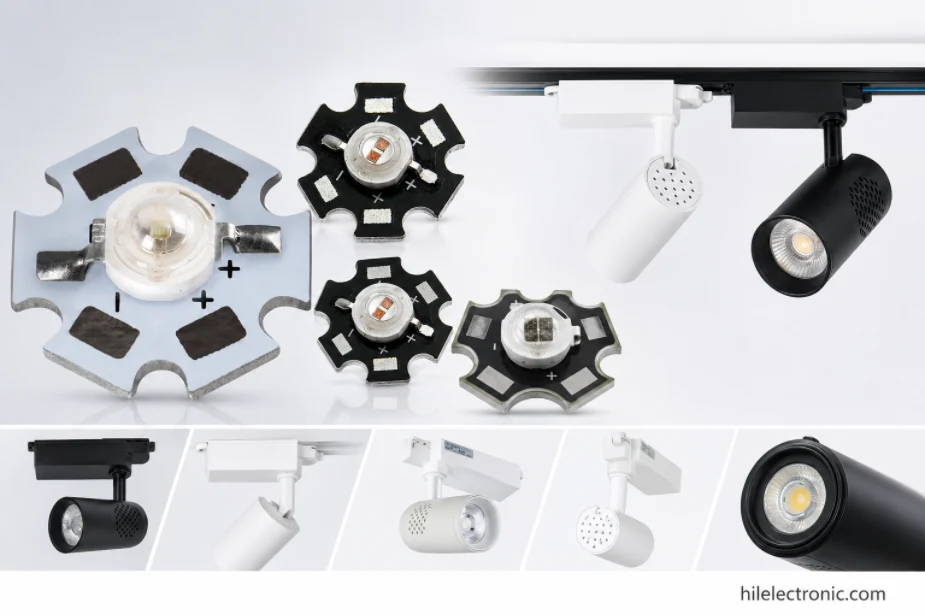
Abbildung 2. Details zur Herstellung und Montage der Leiterplattenbestückung für LED-Schienenleuchten.
So bestellen Sie – Dateien, Mindestbestellmenge & Lieferzeit
Die Bestellung von Schienenstrahlerplatinen bei Highleap Electronics ist unkompliziert, egal ob Sie bereits fertige Dateien haben oder nur die Zielwerte für Farbwiedergabeindex (CRI), Farbtemperatur und Abstrahlwinkel angeben. Jedes Angebot beinhaltet eine kostenlose Prüfung der Fertigungsgerechtigkeit (DFM). Unsere Mindestbestellmenge beträgt ein einzelnes Stück, Prototypen werden nicht berechnet.
Welche Dateien sollen gesendet werden?
- Leiterplattenfertigung — Gerber RS-274X-Dateien (alle Kupfer-, Lötstopplack- und Siebdruckschichten), Excellon-Bohrdatei, Platinenumriss auf der mechanischen Schicht und Fertigungshinweise zu Substrat, Dielektrikum, Kupfergewicht, Oberflächenbeschaffenheit und Lötstopplackfarbe.
- Leiterplattenbestückung (PCBA) — zuzüglich der oben genannten Angaben eine Stückliste mit Herstellerteilenummern und Mengen sowie eine Pick-and-Place-Datei (Centroid) für die SMT-Komponenten.
- Komplette Elektronik — Zusätzlich zu den oben genannten Dateien benötigen wir mechanische Dateien (STEP/DXF) für den Kühlkörper bzw. das Gehäuse, Details zur Optik bzw. Linse, Spezifikationen für Treiber oder Steuerung, gegebenenfalls Firmware sowie jegliches Branding- oder Verpackungsdesign. Sollten Dateien fehlen, senden Sie uns bitte die vorhandenen. Unser Entwicklungsteam wird die fehlenden Dateien im Rahmen der DFM-Prüfung identifizieren.
Mindestbestellmenge und Preisgestaltung
- Mindestbestellmenge ist 1 Einheit sowohl für die Fertigung als auch für die Montage, ohne Strafgebühr für den Prototyp.
- Mengenrabatt bei 10, 50, 100, 500 und über 1,000 Einheiten.
- Wir speichern Ihre Dateien, sodass bei Folgeaufträgen die Entwicklungskosten nicht erneut berechnet werden müssen.
Vorlaufzeiten
- PCB-Herstellung — Standardmäßig 5 bis 7 Werktage; Express 24 bis 48 Stunden, vorbehaltlich der Verfügbarkeitsbestätigung.
- Leiterplattenbestückung (PCBA) — 7 bis 12 Werktage inklusive Komponentenbeschaffung; 5 Tage Expresslieferung bei vorrätiger Stückliste.
- Schlüsselfertige Module — typischerweise 12 bis 18 Werktage, abhängig von Untergrund, Schutzmaßnahmen und Volumen.
- Alle Lieferzeiten sind in Ihrem Angebot bestätigt und beginnen mit der Auftragsbestätigung und der Freigabe der Dateien.
Zertifizierungen und Standards: Qualitätsmanagement nach ISO 9001 , IPC-Klasse 2 und 3 , AOI- und Funktionstests jeder Platine, optional mit Röntgen-, ICT- und Burn-In-Test. Wir liefern in über 40 Länder mit Sendungsverfolgung und stellen auf Anfrage Konformitätsdokumente bereit. Für LED-Schienenlicht-Leiterplattenprojekte übermitteln Sie bitte die Gerber-Dateien, die Stückliste, die CRI- oder CCT-Anforderungen, Treiberhinweise und die Zielmengen über das Angebotsformular auf unserer Website, damit Highleap Electronics die kompakte Lichtquelle und das Produktionspaket prüfen kann.
Häufig gestellte Fragen zu LED-Schienenstrahlern
Können Sie Lichtquellen mit hohem Farbwiedergabeindex (CRI) für Schienenbeleuchtung im Einzelhandel und in Galerien herstellen?
Ja. Wir verwenden LEDs mit hohem Farbwiedergabeindex (CRI) (üblicherweise 90–98, mit besonderem Augenmerk auf R9- und TM-30-Farbtreue) und montieren diese auf Aluminium- Metallkern- Gehäusen mit präziser Farbsortierung , sodass jeder Leuchtenkopf einer Installation identisch ist. Das Metallkern-Substrat sorgt für eine optimale Kühlung der LEDs, sodass die von Ihnen gewählte Farbtemperatur dauerhaft stabil bleibt – unerlässlich für die Beleuchtung von Verkaufsflächen und Kunstwerken.
Stellen Sie Schienenfahrzeuge her, die über eine einstellbare Weißlicht- und eine Dimm-to-Warm-Funktion verfügen?
Ja. Wir fertigen Mehrkanal-Engines, die zwei oder mehr LED-Farbtemperaturen verarbeiten und für eine gleichmäßige Farbmischung sorgen. Dazu entwickeln wir die passende Steuereinheit, die die Kanäle ausbalanciert – für ein stufenlos einstellbares Weißlicht über den gesamten Farbtemperaturbereich oder eine sanfte Dimmkurve, die Halogenlicht imitiert. Die gemeinsame Entwicklung von Engine und Steuereinheit gewährleistet ein gleichmäßiges Mischlicht und eine stabile Farbwiedergabe beim Dimmen.
Sind Ihre Treiber klein genug für einen Rennkopf und lassen sie sich stufenlos dimmen?
Ja. Wir fertigen kompakte Treiberplatinen , die auf die Größe des Scheinwerferkopfes oder Schienenadapters abgestimmt sind und flimmerfreies Dimmen über TRIAC, 0-10 V, DALI oder PWM ermöglichen – je nach Projektanforderung. Die Platinen sind auf saubere Wiedergabe im unteren Frequenzbereich und konstante Farbwiedergabe bei Änderungen der Lichtstärke optimiert. Da Treiber und Bildprozessor in einem System integriert sind, sind Dimmbereich und Farbverhalten als Einheit konzipiert.
Was ist die Mindestbestellmenge für Schienenstrahlerplatinen?
Unsere Mindestbestellmenge beträgt 1 Einheit für Fertigung und Montage. Für Prototypen fällt kein Aufpreis an, sodass Sie einen einzelnen Schienenkopf bauen und testen können, bevor Sie sich für eine ganze Produktreihe entscheiden. Mengenrabatte gelten ab 10 Einheiten. Ihre Dateien speichern wir für schnelle Folgebestellungen. Angebote erhalten Sie innerhalb von 24 Stunden nach Eingang Ihrer Gerber-Dateien und Stückliste.

Empfohlen Beiträge
TMM4 Filter-Leiterplattenfertigung
Die Herstellung der Leiterplatten für den TMM4-Filter wird gesteuert durch...
TMM3 Leiterplattenfertigung für HF-Module
Die Fertigung von TMM3-Leiterplatten ist am sinnvollsten dort, wo das HF-Modul...
TMM6 Leiterplattenfertigung
TMM6-Fertigung ist die Prozesssteuerungsseite für eine mittlere Dk...
TMM10 Leiterplattenfertigung für kompakte HF-Designs
Inhaltsverzeichnis: Wie TMM10 HF-Strukturen verkleinert – TMM10 vs. ...
So erhalten Sie ein Angebot für Leiterplatten
Wir führen gerne eine DFM/DFA-Analyse für Sie durch und senden Ihnen anschließend einen Bericht zu. Sie können Ihre Dateien sicher über unsere Website hochladen. Für die Erstellung eines Angebots benötigen wir folgende Informationen:
-
- Gerber, ODB++ oder .pcb, Spezifikation.
- Stückliste, wenn Sie eine Montage benötigen
- Die Menge
- Wendezeit
Für PCBA-Dienstleistungen geben Sie bitte Ihre Stückliste (BOM) und alle spezifischen Montageanweisungen an. Wir bieten auch DFM/DFA-Analysen an, um Ihre Designs hinsichtlich Herstellbarkeit und Montage zu optimieren und so einen reibungslosen Produktionsprozess zu gewährleisten.