
Back to blog
The Anatomy and Evolution of LED TV PCB Technology

Introduction to LED TVs and PCB Technology
The technology behind LED TVs often goes unnoticed, yet it’s the printed circuit boards (PCBs) within these TVs that enable their functionality. These PCBs are intricate pieces of engineering, comprising a complex network of wires and components that collaborate to deliver the captivating images we enjoy on our screens.
The marvel of LED TVs owes much to the sophisticated technology embedded in their PCBs. Serving as the central nervous system of your TV, these diminutive boards regulate everything from color reproduction to brightness and contrast. Without them, modern LED TVs would be inert objects, devoid of their captivating capabilities.
Versatility is a hallmark of PCB technology. Through adept design, a single board can fulfill myriad functions, making them ideal for compact applications like flat-screen televisions. This adaptability empowers manufacturers to craft customized boards tailored to precise specifications, propelling LED TVs to ever greater heights in size and visual fidelity.
The significance of PCB technology cannot be overstated in the realm of LED displays. These unassuming yet indispensable components are the driving force behind industry innovation, facilitating the creation of vivid, crisp, and immersive viewing experiences.
Don’t miss out on the wonders of modern LED TVs! Whether you’re seeking to delve deeper into their inner workings or contemplating a purchase, join us as we unravel the mysteries of LED TV technology and delve into the enchanting realm of PCB components.
Components of a LED TV
A LED TV is composed of several key components, each playing a vital role in delivering the ultimate viewing experience. These components include the display panel, backlighting system, power supply unit, audio system, and the TV PCB. While all components contribute to the TV’s functionality, the TV PCB stands out as the central nervous system, coordinating and controlling the flow of electricity to ensure seamless operation.
Certainly! Let’s dive deeper into each component of a LED TV:
- Display Panel: The display panel is the visual centerpiece of a LED TV, responsible for rendering the images that you see on the screen. It consists of several layers, including a liquid crystal matrix sandwiched between glass panels. The quality of the display panel determines the resolution, clarity, and color accuracy of the images displayed on the screen. LED TVs typically come in various resolutions, such as Full HD (1080p) or Ultra HD (4K), offering sharper and more detailed images.
- Backlighting System: The backlighting system is crucial for illuminating the display panel and creating the brightness necessary for viewing content on the screen. LED TVs utilize light-emitting diodes (LEDs) as the primary light source for backlighting. These LEDs are strategically placed behind the display panel and can be arranged in different configurations, such as full-array, edge-lit, or direct-lit. Advanced backlighting technologies, such as local dimming and smart dimming, enhance contrast levels and optimize energy efficiency.
- Power Supply Unit (PSU): The power supply unit is responsible for converting AC power from the electrical outlet into DC power that is used to operate the various components of the LED TV. It regulates voltage levels and distributes power to components such as the backlighting system, display panel, audio system, and other internal circuitry. The PSU ensures stable and reliable power delivery, preventing fluctuations that could damage sensitive electronics.
- Audio System: The audio system of a LED TV includes speakers and amplifiers that produce sound to accompany the visual content displayed on the screen. While not as prominent as the display panel, high-quality audio is essential for a fully immersive viewing experience. LED TVs may feature built-in speakers or support for external audio devices, such as soundbars or home theater systems, to enhance audio performance.
- Printed Circuit Board (PCB): The PCB serves as the central nervous system of the LED TV, facilitating communication and coordination between all components. It houses various electronic components, including microprocessors, memory chips, and interface connectors, interconnected by conductive traces etched onto the board’s surface. The PCB controls the operation of the TV, managing tasks such as image processing, signal decoding, user interface interactions, and power management. Its compact design and integrated circuits enable efficient and reliable performance, ensuring a seamless viewing experience for the user.
In summary, the components of a LED TV work together harmoniously to deliver a captivating and immersive entertainment experience. From the display panel that renders stunning visuals to the PCB that coordinates the operation of all components, each part plays a crucial role in creating the ultimate viewing experience.
PCB Components used in LED TVs
In LED TVs, the PCB components work together to create the intricate dance of electrical signals that produce crystal-clear images. These components include resistors, capacitors, transistors, diodes, and ICs (Integrated Circuits).
- Resistor: This component opposes the flow of electric current, regulating the power flowing through the circuits of LED TVs.
- Type: Film or Carbon Resistor
- Power Rating: Varies with Application
- Tolerance: +/-5%, +/-10%
- Resistance Values: From Ohm (Ω) to Mega Ohm (MΩ)
- Capacitor: Capacitors regulate voltage flow and stabilize electrical current, storing electrical energy and releasing it when needed.
- Type: Ceramic, Aluminum Electrolytic, Tantalum
- Capacity: Ranges vary
- Voltage Rating: Ranges vary
- Transistor: Transistors are active electronic devices used for signal amplification or switching. They control the flow of electricity through the circuit.
- Type: Solid-state Transistor (Silicon or Gallium Nitride)
- Function: Controls individual pixel power and brightness levels, manages overall performance.
- Diode: Diodes restrict electronic current flow to one direction and emit light when excited. They ensure current flows in the desired direction.
- Type: SMD, Traditional Through-Hole Diodes
- Current: Ranges from microamperes to amperes
- Voltage: Different types have a distinct threshold voltage range
- ICs (Integrated Circuits): ICs contain multiple electronic circuits and transistors on a small semiconductor chip. They are responsible for various functionalities in LED TVs, such as sound processing, video processing, power management, and communication protocols.
These components work together on the TV PCB to regulate current, stabilize voltage, control signal amplification and switching, ensure current flow in one direction, and integrate multiple functions onto a single chip. This integration of components enables LED TVs to deliver stunning visuals and immersive audio, providing viewers with a captivating entertainment experience.
PCB Design And Layout For LED TVs
When delving into the inner workings of LED TVs, understanding the intricacies of PCB design and layout is paramount. These aspects not only contribute to the overall performance but also dictate the efficiency of these advanced devices.
TV PCB Schematic Design
The schematic design phase is where the blueprint for the TV’s electronic circuitry takes shape. It involves creating detailed circuit diagrams that outline how various components interact. Here’s an overview:
-
Circuit Diagrams: These visual representations illustrate the connections between components, such as resistors, capacitors, transistors, and diodes. Each component serves a specific function within the circuit, contributing to the TV’s overall functionality.
-
Component Details: Within these diagrams, specific details about each component are documented, including their values, ratings, and placement within the circuit. This information is crucial for ensuring the proper functioning of the TV’s electronic systems.
During schematic design, meticulous attention is paid to factors like component spacing, signal routing, and power distribution. This stage lays the groundwork for the subsequent PCB layout phase.
TV PCB Layout Design
The PCB layout design phase is where the schematic diagrams are translated into physical circuit boards. This process involves arranging components, routing traces, and optimizing the layout for maximum performance. Here’s what it entails:
-
Components Placement: Careful consideration is given to the placement of components on the PCB. Components must be positioned strategically to minimize signal interference, optimize signal paths, and ensure efficient heat dissipation.
-
Trace Routing: Traces, or conductive pathways, connect components on the PCB. During layout design, trace routing is optimized to minimize signal degradation, reduce electromagnetic interference, and ensure proper impedance matching.
-
Power Delivery: Proper power delivery is essential for the reliable operation of the TV. Power planes and traces are carefully designed to distribute power evenly across the PCB, minimizing voltage drops and ensuring stable operation.
-
Signal Integrity: Maintaining signal integrity is critical for delivering high-quality audio and video. Signal traces are routed to minimize crosstalk, impedance mismatches, and other sources of signal degradation.
In addition to these considerations, designers must also factor in manufacturing constraints, such as board size, layer count, and assembly processes. Advanced PCB design tools and simulation software are often employed to optimize the layout for performance, reliability, and manufacturability.
Overall, PCB design and layout are integral aspects of LED TV technology, shaping the performance and functionality of these advanced entertainment devices. By carefully designing and optimizing the PCB, manufacturers can ensure that LED TVs deliver a superior viewing experience to consumers.
Choosing an Excellent TV PCB Manufacturer
Selecting the right PCB manufacturer for LED TVs is a critical decision that can impact the quality and success of your products. Here’s a guide to help you navigate this process effectively:
1. Manufacturing Capabilities: Look for a manufacturer with advanced facilities equipped with the latest technology and machinery. Their capabilities should align with the specific requirements of LED TV production, including the ability to produce high-density PCBs with precision and efficiency.
2. Quality Control Processes: Quality control is paramount in PCB manufacturing. Ensure that the manufacturer follows rigorous quality control processes at every stage of production, from material inspection to final testing. Look for certifications such as ISO 9001 to demonstrate their commitment to quality.
3. Reliability and Reputation: Research the manufacturer’s reputation in the industry. A reputable manufacturer will have a track record of delivering reliable PCBs that meet or exceed expectations. Look for reviews and testimonials from other clients to gauge their reliability and customer satisfaction levels.
4. Cost-Effectiveness: While cost is an important factor, it should not be the sole determinant in your decision. Balance cost considerations with the quality and reliability offered by the manufacturer. A slightly higher upfront cost may be justified if it ensures superior quality and long-term reliability for your LED TVs.
5. Comprehensive Support Services: Choose a manufacturer that offers comprehensive support services beyond just PCB production. This includes design assistance, prototyping, testing, and ongoing technical support. A manufacturer who can collaborate with you throughout the product development process will add significant value to your project.
6. Compliance and Certifications: Ensure that the manufacturer complies with industry standards and regulations relevant to PCB manufacturing. Look for certifications such as UL certification for safety and compliance with RoHS directives for environmental sustainability.
7. Scalability and Flexibility: Consider the manufacturer’s ability to scale production according to your requirements. They should be able to accommodate both small and large volume orders efficiently. Additionally, look for flexibility in their manufacturing processes to accommodate customizations and changes as needed.
8. Communication and Transparency: Effective communication is essential for a successful partnership. Choose a manufacturer that values transparency and maintains open lines of communication throughout the project. They should provide regular updates on the status of your orders and be responsive to any inquiries or concerns.
By considering these factors carefully and conducting thorough research, you can choose an excellent TV PCB manufacturer that meets your specific needs and ensures the success of your LED TV products in the market.
Conclusion
LED TVs owe their stunning visuals and immersive audio to the sophisticated technology embedded within their PCBs. From the smallest resistor to the most advanced IC, every component plays a crucial role in delivering a superior viewing experience. As technology continues to advance, PCBs will undoubtedly evolve to meet the demands of future generations of LED TVs. By understanding the fundamentals of PCB technology and selecting the right manufacturing partner, TV brands can continue to push the boundaries of innovation and deliver cutting-edge products to consumers worldwide.
TV FAQs and Solutions
As technology continues to advance, TVs become more complex. Here are some frequently asked questions and solutions for common TV issues:
1. Why is my TV not turning on?
- Check the power source and ensure the power cord is properly plugged in. Try using a different power outlet and check for any tripped circuit breakers.
Solution: If the power source is not the issue, there may be a problem with the TV’s power supply unit or main board. Consider contacting a professional technician for repair.
2. How do I fix a TV with no picture but has sound?
- Check the video input source and ensure it is correctly selected. Check the video cables for any damage or loose connections.
Solution: If the video input source and cables are fine, there may be an issue with the TV’s display panel or video processing circuitry. Consider contacting a professional for repair.
3. Why is my TV displaying a distorted or blurry picture?
- Check the video resolution settings on the TV and the connected device. Ensure the video cables are securely connected and not damaged.
Solution: If the settings and cables are fine, there may be an issue with the TV’s display panel or video processing circuitry. Consider contacting a professional for repair.
4. How do I fix a TV with no audio?
- Check the volume settings on the TV and the connected device. Ensure the audio cables are securely connected and not damaged.
Solution: If the settings and cables are fine, there may be an issue with the TV’s audio processing circuitry or speakers. Consider contacting a professional for repair.
5. What are the best practices for TV maintenance?
- Regular cleaning, inspection, and preventive maintenance are essential for prolonging the lifespan of your TV.
Solution: Clean the TV screen and cabinet regularly using a soft, dry cloth. Avoid using harsh chemicals or abrasive materials. Inspect the TV for any signs of damage or wear, and address any issues promptly. Perform preventive maintenance, such as tightening loose screws and checking for overheating, to prevent potential problems.
By following these FAQs and solutions, you can effectively troubleshoot and maintain your TV to ensure optimal performance and longevity.
PCB & PCBA Quick Quote
Related Articles
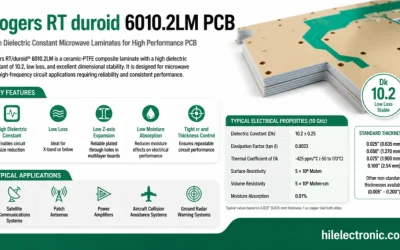
RT duroid 6010.2LM PCB Manufacturing
A practical guide to rogers rt/duroid 6010.2lm pcb manufacturer and fabrication service, covering material control, RF stackup decisions, fabrication checks,
TC350 PCB Manufacturing for RF Power Boards
A practical guide to rogers tc350 pcb manufacturer for rf power amplifier boards, covering material control, RF stackup decisions, fabrication checks, inspect
RT duroid 6006 PCB Manufacturing
A practical guide to rt/duroid 6006 pcb manufacturer for compact high-dk microwave circuits, covering material control, RF stackup decisions, fabrication chec