Select Page

Your PCB Manufacturing Expert – Highleap Electronic

PCB Soldering Machine Types: Reflow, Wave, and Selective Equipment

PCB Soldering Machine Types: Reflow, Wave, and Selective Equipment

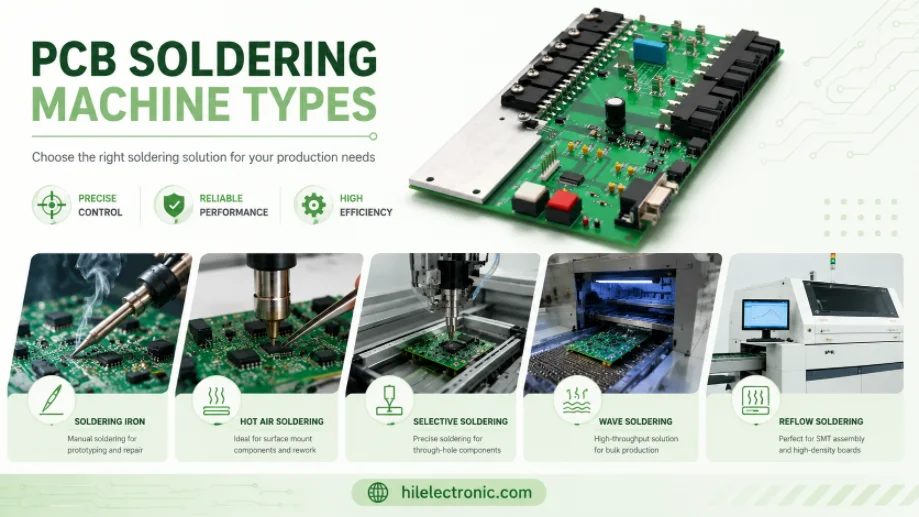
Figure 1. PCB soldering machine types image for Highleap Electronics PCB manufacturing and assembly review.A PCB soldering machine is the production equipment used to join components to an assembly at scale, most often a reflow oven for SMT, a wave soldering system...

Clean Flux vs No-Clean Flux: Residue, Cleaning, and PCB Reliability

Clean Flux vs No-Clean Flux: Residue, Cleaning, and PCB Reliability

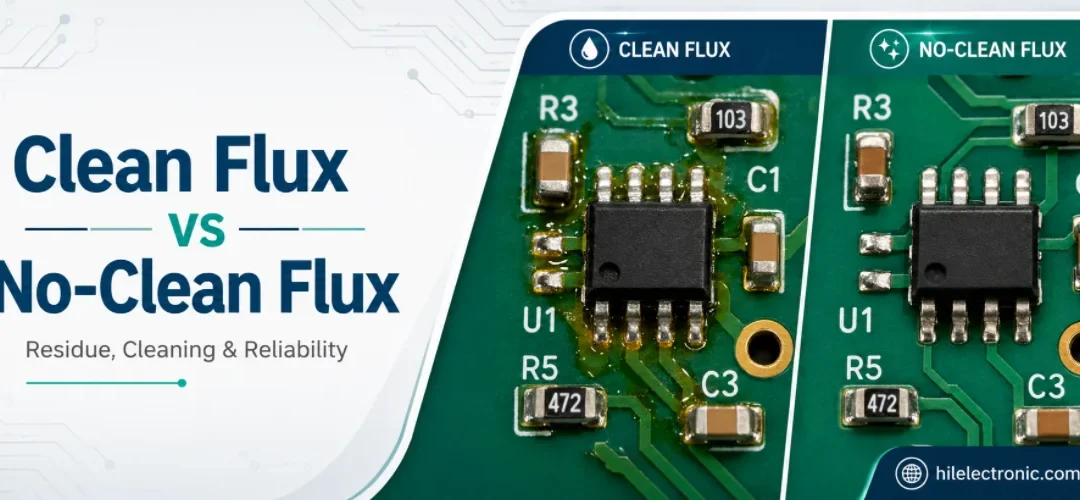
Figure 1. clean flux vs no-clean flux image for Highleap Electronics PCB manufacturing and assembly review.Flux is the chemistry that makes solder flow and wet a joint, and the big practical question is whether its residue has to be washed off afterward. "No-clean"...

Hot Plate Soldering: Process, Limits, and Reflow Comparison

Hot Plate Soldering: Process, Limits, and Reflow Comparison

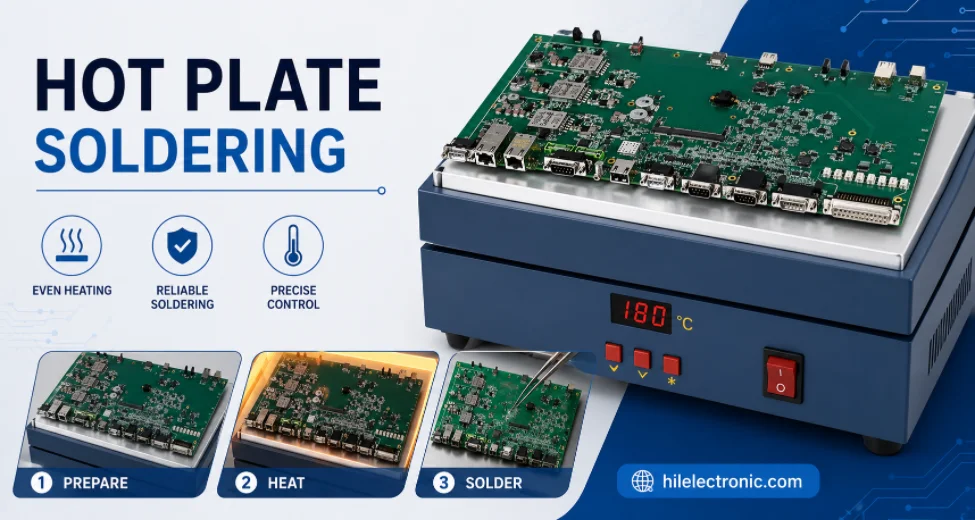
Figure 1. hot plate soldering image for Highleap Electronics PCB manufacturing and assembly review.Hot plate soldering is a popular way to reflow surface-mount boards on a benchtop: you apply solder paste, place the parts, and heat the board from below on a...

IPC J-STD-001: Classes, Requirements, and RFQ Specification

IPC J-STD-001: Classes, Requirements, and RFQ Specification

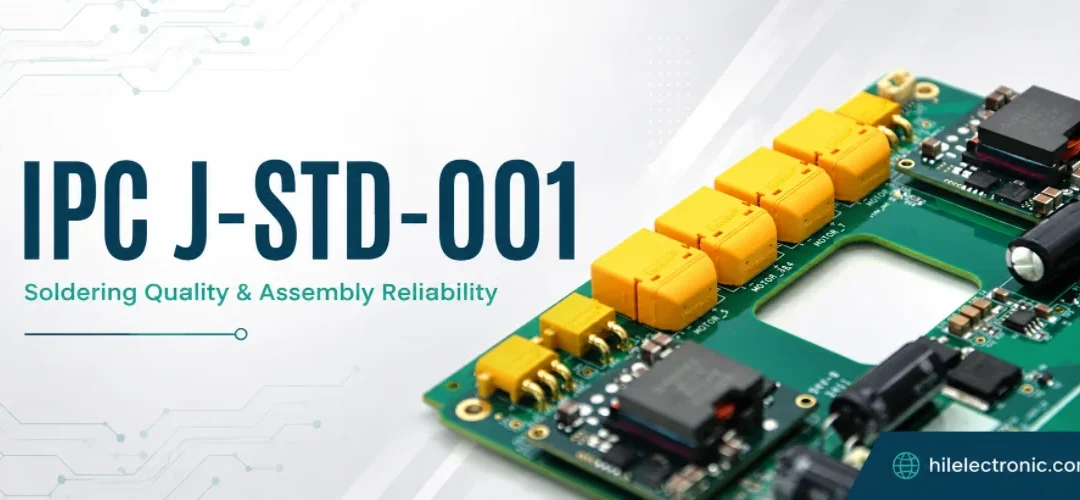
Figure 1. IPC J-STD-001 image for Highleap Electronics PCB manufacturing and assembly review.IPC J-STD-001 is the industry standard that defines the requirements for soldered electrical and electronic assemblies — the materials, methods, and acceptance criteria for...

Soldering Iron for PCB: Selection Guide

Soldering Iron for PCB: Selection Guide

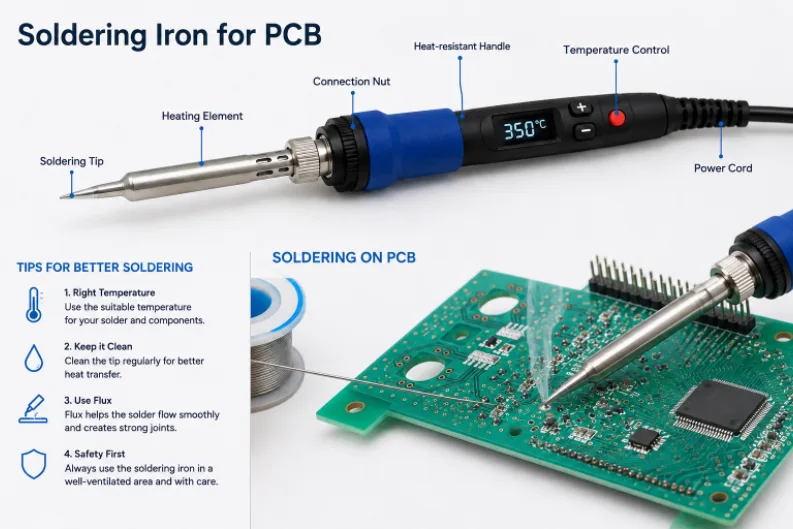
Figure 1. soldering iron for PCB The best soldering iron for PCB work is a temperature-controlled station in the 40–80 W range with good thermal recovery, interchangeable fine tips, and a grounded (ESD-safe) tip. Wattage is about how fast the iron reheats after...

Best Soldering Flux for Electronics

Best Soldering Flux for Electronics

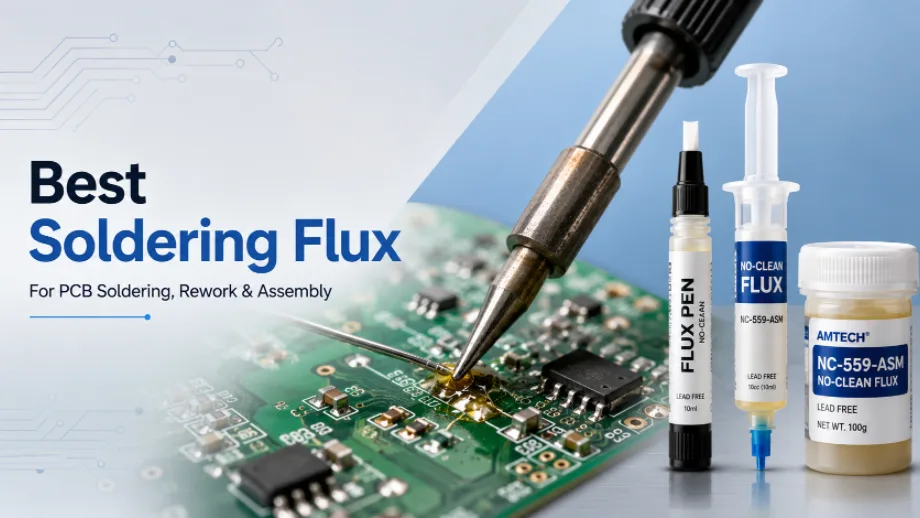
Figure 1. best soldering flux There is no single "best soldering flux" — the best one is the type matched to your job. For most electronics work, the right choice is a no-clean or a rosin (RMA) flux: both are mild, non-corrosive once used correctly, and safe on...

Melting Point of Solder: Alloy Temperature Guide

Melting Point of Solder: Alloy Temperature Guide

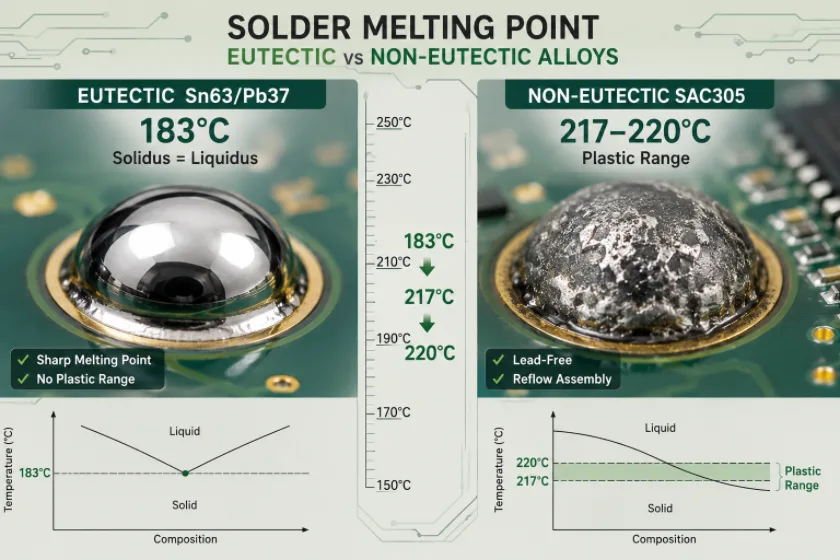
Figure 1. melting point of solder The melting point of solder depends entirely on its alloy. Eutectic tin-lead solder (Sn63/Pb37) melts at a single, sharp 183 °C (361 °F), while the most common lead-free alloy, SAC305, melts over a range of about...

Pin in Paste PCB Assembly Process Guide

Pin in Paste PCB Assembly Process Guide

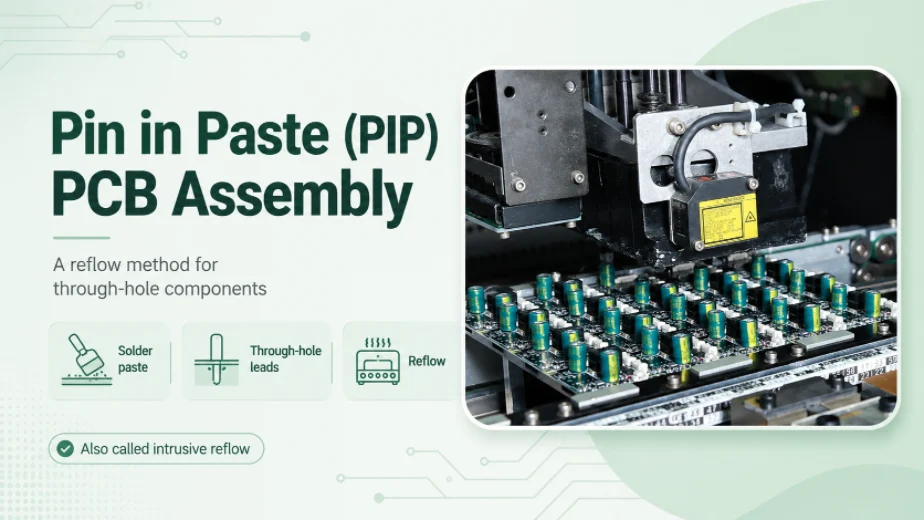
Figure 1. pin in paste PCB assemblyLast updated: May 2026 · A process and design guide to paste-in-hole reflow for mixed-technology boards Pin in Paste (PiP) — also called paste-in-hole (PIH), through-hole reflow, or intrusive reflow — is a way to solder through-hole...