Engineering resources

Heavy Copper PCB Design & Production

Balance current capacity, temperature rise and fabrication limits. Explore copper weight, plating and inspection decisions for power boards and demanding operating conditions.

All articles

Arlon 85HP PCB Manufacturing Services in China

Arlon 85HP PCB Manufacturing Services in China

PCB manufacturing illustration. Confirm the specified Arlon material grade through the project documentation and material traceability.Arlon 85HP PCB manufacturing is most relevant when a thick, high-layer-count or thermally stressed board needs careful control of...
Robot PCB Thermal Management for Motors, Power Rails and Compute

Robot PCB Thermal Management for Motors, Power Rails and Compute

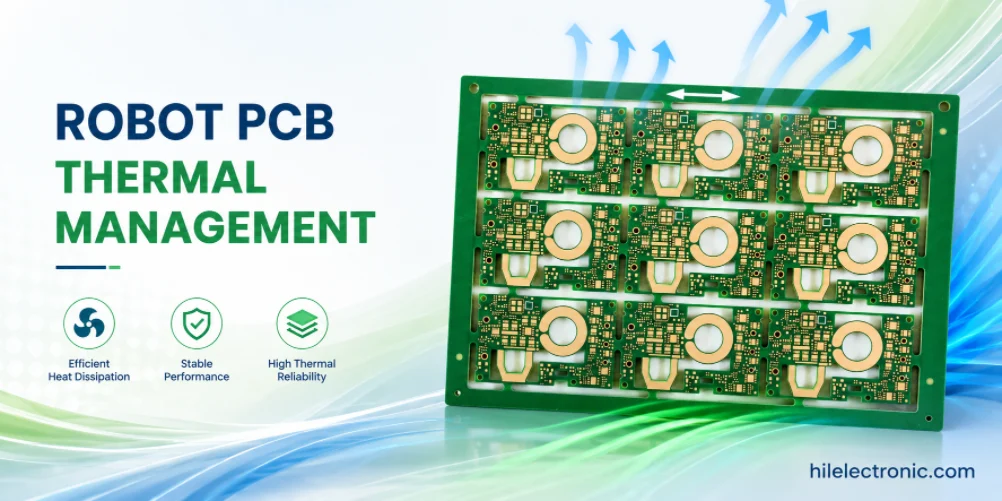
Robot PCB thermal management affects service life, field reliability, user safety, and performance stability. Motor drives, power distribution, BMS, AI compute, communication modules, LED indicators, and charging circuits can all generate heat inside compact robot...

Heavy Copper Robot PCB for Motor Drives, BMS and Power Distribution

Heavy Copper Robot PCB for Motor Drives, BMS and Power Distribution

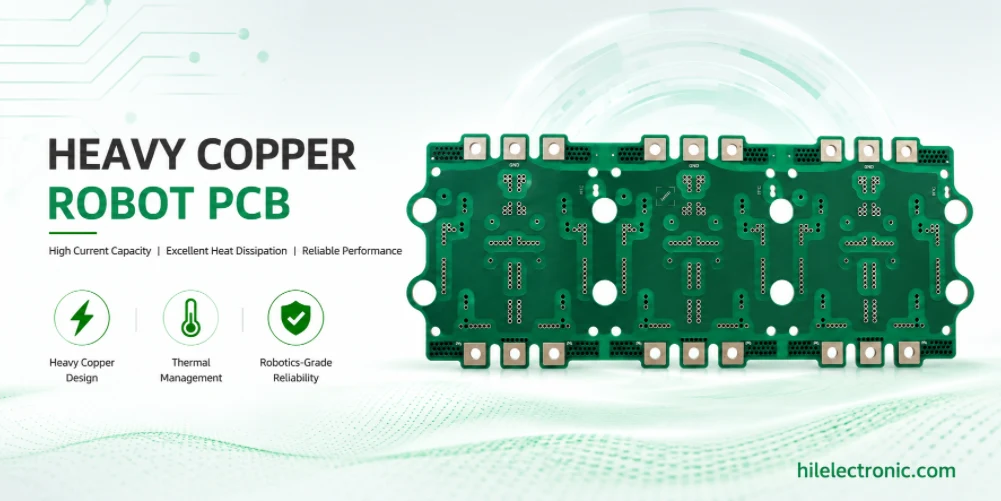
Heavy copper robot PCBs are used when standard 1 oz copper cannot carry current, spread heat, or survive power stress adequately. Motor driver boards, power distribution boards, BMS boards, charging boards, and high-current actuator electronics may need 2 oz, 3 oz, 4...

Heavy Copper PCB Assembly for High-Current Electronics

Heavy Copper PCB Assembly for High-Current Electronics

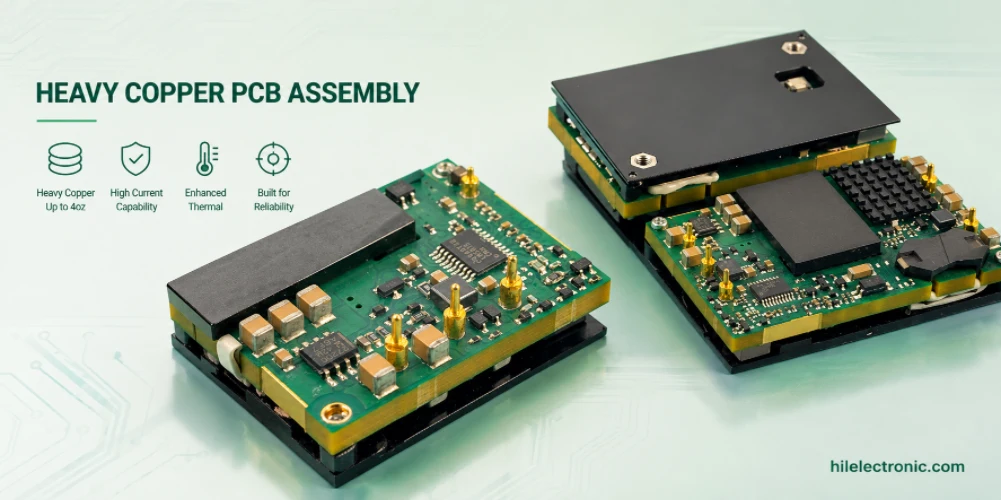
Table of Contents Heavy Copper PCB Assembly Capability Copper Thickness and Current-Carrying Requirements Thermal Management and Heat Dissipation SMT and Through-Hole Assembly on Heavy Copper Boards Soldering, Reflow and Thermal Balance Challenges Inspection and...

PCB Trace Current Capacity: Width, Copper Weight, and IPC-2221

PCB Trace Current Capacity: Width, Copper Weight, and IPC-2221

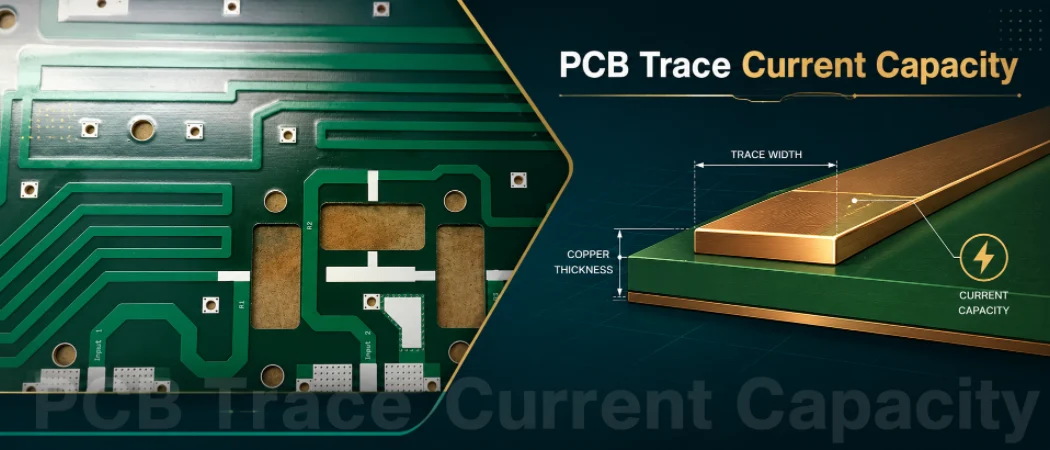
Figure 1. PCB trace current capacity depends on copper weight, trace width, layer position, and acceptable temperature rise.Every copper trace is a thin resistor that warms up when current flows through it. Size it right and a board runs cool for years; size it short...

PCB Copper Plating: Process, Thickness, Quality Control

PCB Copper Plating: Process, Thickness, Quality Control

Figure 1. PCB copper plating process for hole-wall and outer-layer copper control. Copper plating is the electrochemical process that deposits copper onto a printed circuit board to form conductive traces, fill the walls of drilled holes, and build up copper thickness...