
Heavy Copper PCB Current Carrying Capacity: Engineering Guide to Trace Width Calculation

Introduction
Heavy copper PCB technology has become indispensable in high-current applications including automotive power systems, motor drives, solar inverters, and industrial power converters. These circuits routinely handle currents ranging from 20A to over 100A, demanding copper layers of 3 oz per square foot or more to maintain thermal stability and prevent catastrophic failure.
In heavy copper PCB design, understanding the current carrying capacity and accurate trace width calculation is essential to ensure reliable power delivery and thermal stability. Design engineers must balance electrical performance, thermal management, and manufacturing constraints to achieve optimal conductor sizing that meets both safety standards and operational requirements.
Understanding Heavy Copper PCB Current Carrying Capacity
Fundamentals of Current Capacity
Current carrying capacity defines the maximum current a copper conductor can safely transmit within specified temperature rise limits. When current flows through a trace, resistive losses generate heat according to the power dissipation formula P = I² × R. This I²R heating effect becomes critical in heavy copper applications where high currents produce significant thermal stress if inadequately managed.
Thermal Dynamics in Copper Traces
The heat generated in copper conductors must dissipate through the PCB substrate and surrounding environment. If thermal dissipation cannot match heat generation, the conductor temperature rises continuously, leading to solder joint degradation, laminate decomposition, or trace failure. The equilibrium temperature depends on trace geometry, copper thickness, substrate thermal conductivity, and ambient conditions.
Primary Factors Affecting Current Capacity
Heavy copper PCB current carrying capacity depends on several critical parameters:
- Copper weight – Measured in ounces per square foot, ranging from 2 oz to 10 oz for heavy copper applications
- Trace geometry – Width and length determine total resistance and heat generation rate
- Layer placement – External traces dissipate heat 25-40% more effectively than internal layers
- Substrate thermal properties – Higher thermal conductivity materials improve heat spreading and removal
- Ambient temperature – Elevated operating environments reduce available thermal margin
Reference Standards for Current Carrying Capacity
IPC-2152 Standard Framework
The IPC-2152 standard replaced the conservative IPC-2221 formulas with empirically derived models based on extensive laboratory testing. This standard provides temperature rise curves for various copper weights, trace widths, and layer configurations, offering significantly more accurate predictions for heavy copper PCB current carrying capacity. The data accounts for real-world thermal transfer mechanisms including conduction through substrate materials and convection from exposed surfaces.
Safety Temperature Limits
UL standards including UL 1059 and UL 796 establish acceptable temperature rise limits typically ranging from 10°C to 30°C above ambient for safe operation. These limits prevent accelerated aging of insulation materials and maintain solder joint integrity over the product lifecycle. Heavy copper implementations often achieve lower temperature rises than standard copper due to enhanced thermal mass and improved heat spreading capability.
Copper Weight Performance Comparison
| Copper Weight | External Layer (10°C Rise) | Internal Layer (10°C Rise) |
|---|---|---|
| 1 oz (35 μm) | 8–12A per 100 mil | 6–9A per 100 mil |
| 2 oz (70 μm) | 15–20A per 100 mil | 11–15A per 100 mil |
| 4 oz (140 μm) | 30–40A per 100 mil | 22–30A per 100 mil |
| 6 oz (210 μm) | 45–60A per 100 mil | 35–45A per 100 mil |
Trace Width Calculation for Heavy Copper PCB
Design Scenario Parameters
Consider a power distribution circuit requiring 20A continuous current on a heavy copper PCB with 3 oz copper weight and a maximum allowable temperature rise of 10°C above ambient. The trace will be routed on an external layer where convective cooling improves thermal performance compared to internal layers.
Calculation Methodology
Using IPC-2152 charts or validated online calculators, input the specified parameters: 20A current, 3 oz copper thickness, 10°C temperature rise, and external layer placement. The calculation yields a minimum trace width of approximately 180 mils (4.6 mm) to maintain the specified thermal margin under continuous operation.
Internal Versus External Layer Considerations
External layer traces benefit from direct air convection, allowing narrower widths for equivalent heavy copper PCB current carrying capacity. Internal traces embedded between substrate layers rely solely on conduction, requiring approximately 25 to 40 percent greater width for the same current and temperature rise. This difference becomes more pronounced at higher current levels where thermal density increases.

Heavy Copper PCBs
Design Optimization for Heavy Copper Current Capacity
Copper Thickness Selection
Upgrading from 2 oz to 6 oz copper provides the most direct improvement in current carrying capacity. Thicker copper reduces electrical resistance proportionally, decreasing I²R losses and temperature rise. This approach proves particularly effective where board space limitations constrain trace width expansion.
Thermal Distribution Strategies
Optimizing copper distribution across the PCB spreads thermal energy more evenly, eliminating localized hot spots that accelerate failure:
- Adjacent ground planes – Parallel thermal paths enhance heat dissipation from high-current traces
- Strategic copper balancing – Uniform copper distribution prevents warping during reflow
- Thermal relief optimization – Properly sized connections maintain current capacity while enabling soldering
Parallel Conductor Implementation
Routing multiple parallel traces or implementing via stitching between layers effectively divides current among multiple conductors, reducing individual trace loading. This approach combines with copper thickness increases to achieve exceptional heavy copper PCB current carrying capacity while maintaining manufacturing feasibility.
Advanced Substrate Materials
Selecting substrates with enhanced thermal conductivity dramatically improves heat removal from copper layers:
- Metal-core PCB – Aluminum or copper base provides direct thermal path to heat sink
- Ceramic-filled FR-4 – Improved thermal conductivity while maintaining standard processing
- High-TG materials – Enhanced temperature tolerance for demanding environments
Practical Engineering Considerations
Manufacturing Constraints
Heavy copper PCB fabrication involves specialized etching processes that differ fundamentally from standard copper processing. Trace edges exhibit greater roughness, and minimum spacing requirements increase with copper weight. Engineers must specify tolerances that accommodate these manufacturing realities while maintaining electrical performance and current carrying capacity requirements.
Production Tolerance Management
Etching heavy copper produces less precise edge definition compared to thinner copper, resulting in width variations of ±10 to 15 percent. Conservative designs incorporate this variability by specifying wider nominal traces than minimum calculations suggest. This tolerance buffer ensures manufactured boards meet current capacity requirements despite process variations.
Early Manufacturer Collaboration
Collaborating with your PCB manufacturer early in the design phase helps validate heavy copper PCB current carrying capacity calculations with real production capabilities. Experienced fabricators provide design-for-manufacturing feedback regarding achievable geometries, layer stackup optimization, and thermal via implementation. This partnership approach reduces iteration cycles and accelerates time to market.
Conclusion
Achieving reliable heavy copper PCB current carrying capacity requires systematic application of proven calculation methods, adherence to IPC-2152 standards, and thoughtful thermal management. Engineers must consider copper thickness, trace width, layer placement, and substrate properties as interdependent variables affecting overall system performance.
Highleap Electronics specializes in heavy copper PCB solutions with comprehensive capabilities:
- Advanced fabrication – Precision manufacturing for copper weights from 2 oz to 10 oz with controlled trace geometry
- Thermal optimization – Expert design support for high-current applications with validated thermal simulation
- Layer stackup design – Multilayer configurations optimized for current distribution and heat dissipation
- DFM collaboration – Early-stage design review ensures manufacturability and performance compliance
Contact our engineering team to evaluate your power circuit requirements and receive expert design support for optimizing heavy copper PCB current carrying capacity in your next high-power application.

Recommended Posts
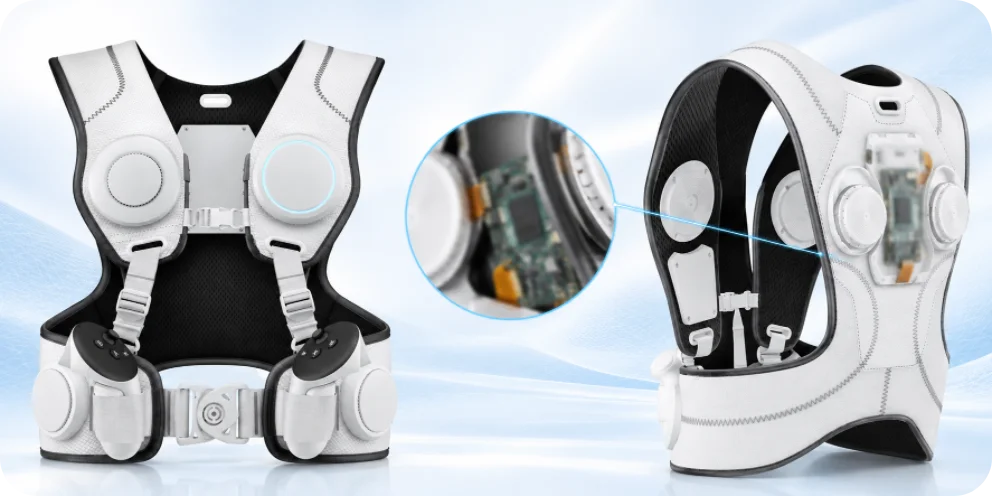
Wearable Haptic Vest PCB Manufacturing & Assembly for Multi-Zone Haptic OEMs
In a wearable haptic vest, the wearer notices the...
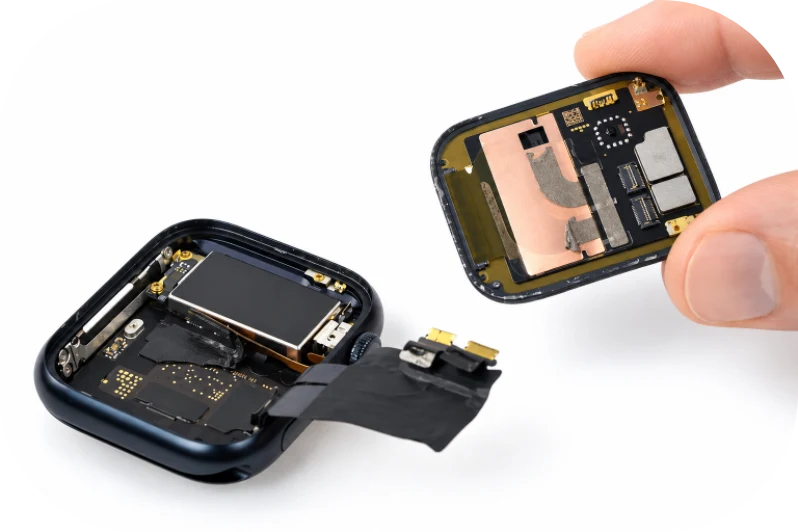
Wearable Temperature Logger PCB Manufacturing & Assembly for BLE Sensor OEMs
A wearable temperature logger PCB is the electronic board...
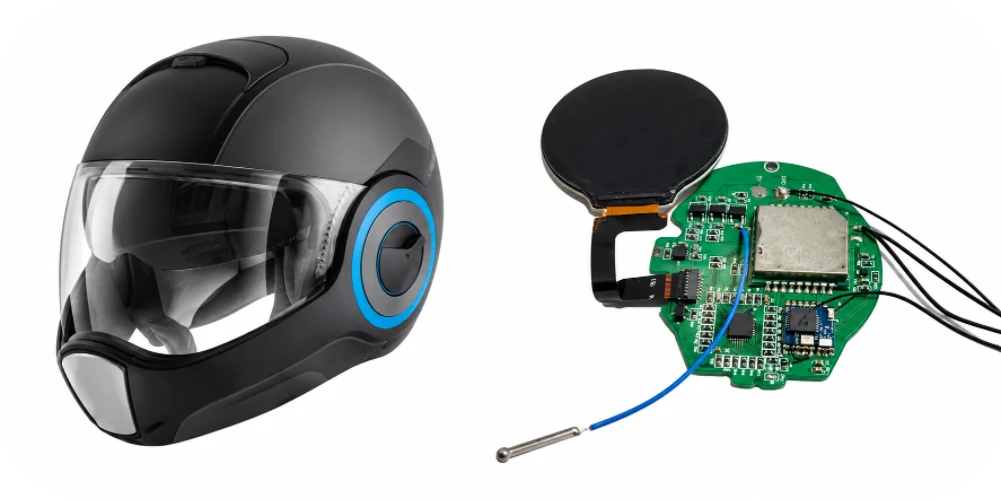
Connected Safety Helmet PCB Manufacturing & Assembly for Industrial IoT OEMs
A Connected Safety Helmet PCB is an industrial IoT...
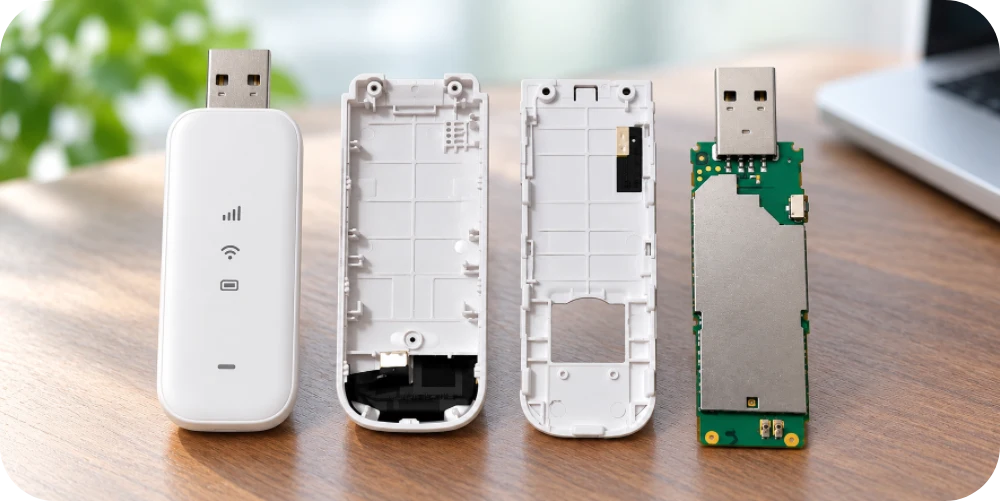
Mobile Wi-Fi Router PCB Manufacturing & Assembly for 4G/5G Hotspot OEMs
A Mobile Wi-Fi Router PCB is the production platform...
How to get a quote for PCBs
Let‘s run DFM/DFA analysis for you and get back to you with a report. You can upload your files securely through our website. We require the following information in order to give you a quote:
-
- Gerber, ODB++, or .pcb, spec.
- BOM list if you require assembly
- Quantity
- Turn time
In addition to PCB manufacturing, we offer a comprehensive range of electronic services, including PCB design, PCBA, and turnkey solutions. Whether you need help with prototyping, design verification, component sourcing, or mass production, we provide end-to-end support to ensure your project’s success.
For PCBA services, please provide your BOM (Bill of Materials) and any specific assembly instructions. We also offer DFM/DFA analysis to optimize your designs for manufacturability and assembly, ensuring a smooth production process.