
Automotive Flex PCB: Design, Applications, and Manufacturing Guide

The automotive electronics industry has experienced unprecedented growth as modern vehicles integrate complex electronic systems. Flexible printed circuit boards (Flex PCBs) have become indispensable in automotive applications, providing innovative solutions for space-constrained environments. This comprehensive guide explores the critical role of flex PCB technology in advancing automotive electronics design and implementation.
Technical Foundation of Automotive Flex PCB Design
Flex PCBs utilize polyimide substrates with copper conductors that maintain electrical performance while accommodating mechanical flexing in automotive environments. These flexible circuits operate reliably across the automotive temperature range of -40°C to +150°C, supporting high-frequency signal transmission requirements essential for modern vehicle electronics.
The polyimide material provides exceptional thermal stability and dielectric properties, making it ideal for demanding automotive applications. Flex PCB technology replaces multiple rigid boards and interconnecting cables with consolidated solutions, reducing assembly complexity and improving overall system reliability.
Key Automotive Electronics Applications of Flex PCB Technology
Advanced Driver Assistance Systems Integration
ADAS implementations require extensive sensor networks incorporating cameras, radar units, and LiDAR systems throughout vehicle structures. Flex PCBs enable reliable interconnection between these sensors and central processing units while accommodating complex geometric constraints of vehicle body panels.
The high-speed signal transmission capabilities of properly designed flexible circuits support real-time image processing and sensor fusion algorithms. Controlled impedance design in flex PCB solutions maintains signal integrity across flexible interconnections, ensuring consistent ADAS performance in automotive electronics applications.
Electric Vehicle Battery Management Systems
Battery management systems in electric vehicles demand precise monitoring and control of individual cell voltages and temperatures across large battery packs. Flex PCBs provide necessary interconnection density while minimizing weight and volume within constrained battery enclosure spaces.
The flexible nature of these circuits accommodates thermal expansion and mechanical vibration within battery packs while maintaining electrical continuity. This automotive electronics application particularly benefits from weight reduction achievable with flex PCB implementations compared to traditional wiring harnesses.
Automotive Infotainment and Display Integration
Modern vehicle cockpits feature curved displays and touch interfaces requiring flexible interconnection solutions for optimal automotive electronics performance. Flex PCBs enable seamless integration between display panels and control electronics while supporting aesthetic design requirements of contemporary vehicle interiors.
The ability to route high-resolution display signals through flexible substrates eliminates bulky cable assemblies behind dashboard panels. This approach supports the trend toward larger, more sophisticated display systems while maintaining manufacturing efficiency in automotive electronics production.

Automotive Flex PCB Design and Engineering Considerations
Mechanical Design Parameters for Automotive Flex PCB
Successful flex PCB implementation requires careful attention to bend radius calculations and stress distribution in automotive electronics applications. Static bending applications typically require minimum bend radii of six times the total circuit thickness, while dynamic flexing applications demand ratios of ten to twenty times thickness.
Copper trace routing must account for stress concentration effects at bend locations, implementing curved geometries rather than sharp angles. Via placement requires particular attention in automotive flex PCB design, as these represent stress concentration points that can lead to failure under repeated flexing.
Electrical Performance Optimization in Automotive Flex PCB
Signal integrity considerations become critical in automotive electronics applications where electromagnetic interference presents ongoing challenges. Controlled impedance design requires precise stackup engineering to maintain consistent electrical characteristics across flexible sections of automotive flex PCB assemblies.
High-frequency automotive applications benefit from ground plane implementation within flex circuit stackups, though this increases complexity and manufacturing costs. Layer count optimization balances electrical performance requirements against mechanical flexibility and manufacturing constraints in automotive electronics production.
Thermal Management Strategies for Automotive Electronics
Automotive environments subject electronic systems to significant thermal stress through ambient temperature variation and internal heat generation. Flex PCB thermal design must account for relatively poor heat dissipation characteristics compared to rigid boards with thermal vias and metal core substrates.
Component placement strategies minimize local heat generation in flexible sections while positioning heat-generating elements in supported areas where thermal management solutions can be implemented. Copper weight selection in automotive flex PCB design balances current carrying capacity against flexibility requirements for optimal automotive electronics performance.
Reliability and Validation Requirements for Automotive Flex PCB
Automotive flex PCB qualification demands extensive testing protocols that simulate mechanical and environmental stresses encountered during vehicle operation. Temperature cycling between automotive extremes verifies material stability and joint integrity across operational temperature ranges required for automotive electronics applications.
Mechanical testing protocols include bend cycle validation, vibration resistance verification, and tensile strength evaluation for automotive flex PCB assemblies. Environmental testing encompasses humidity exposure, salt spray resistance, and chemical compatibility with automotive fluids, ensuring long-term reliability in diverse automotive electronics service environments.

Flex PCB
Manufacturing and Quality Considerations for Automotive Flex PCB
Flex PCB manufacturing requires specialized processes and equipment distinct from rigid board production for automotive electronics applications. Lamination parameters must be optimized for flexible substrate materials while maintaining registration accuracy across complex circuit geometries.
Quality control protocols address unique inspection requirements of flexible circuits, including bend testing at manufacturing stages and electrical verification in flexed states. Supply chain management becomes particularly important given specialized automotive-grade flexible materials and qualification requirements for automotive electronics production.
Future Technology Trends in Automotive Flex PCB Solutions
Emerging automotive technologies including autonomous driving systems and vehicle-to-infrastructure communication will drive increased demand for sophisticated flex PCB solutions. Higher data rate requirements will necessitate advanced signal integrity engineering and potentially new substrate materials optimized for millimeter-wave frequencies in automotive electronics.
Integration with rigid-flex hybrid constructions offers opportunities to optimize cost and performance by combining advantages of both technologies within single automotive assemblies. The evolution toward software-defined vehicles will require increasingly sophisticated electronic architectures with higher integration densities, driving continued innovation in automotive flex PCB technology.
Conclusion
Flex PCB technology represents a fundamental enabling capability for modern automotive electronics, addressing spatial constraints and performance requirements that rigid circuit solutions cannot accommodate. Successful implementation requires thorough understanding of unique design considerations, reliability requirements, and manufacturing processes specific to automotive applications. The continued evolution of vehicle electronics will drive ongoing innovation in flexible circuit technology, creating opportunities for enhanced performance and new application possibilities in automotive electronics systems.
At Highleap Electronics, we specialize in manufacturing high-reliability automotive Flex PCBs that meet rigorous performance and quality standards. With advanced fabrication capabilities and strict process control, we help engineers bring innovative automotive designs to life—from concept to volume production. Contact us to discuss your next automotive PCB project.
FAQ
1. What are the key benefits of Flex PCBs in automotive applications?
Flex PCBs significantly reduce wiring complexity and system weight while enabling compact, space-efficient designs. Their ability to withstand constant vibration and bending improves long-term reliability compared to traditional wiring harnesses. In addition, Flex PCBs simplify assembly and maintenance, helping automotive manufacturers enhance performance and design flexibility.
2. Can Flex PCBs withstand automotive temperature and vibration conditions?
Yes. Automotive-grade Flex PCBs are built with high-temperature polyimide materials that maintain stable electrical performance from -40°C to +150°C. They are engineered to endure harsh vibration, humidity, and chemical exposure typical of under-hood and in-cabin environments. Proper design and material selection ensure consistent reliability over the vehicle’s lifetime.
3. Does Highleap Electronics provide custom Flex PCB solutions for automotive projects?
Yes. Highleap Electronics delivers end-to-end Flex PCB solutions—from design support and material selection to precision manufacturing and assembly. Our automotive Flex PCBs comply with industry standards such as IATF16949 and ISO9001, ensuring high reliability for safety-critical systems. We work closely with OEM and Tier 1 customers to optimize cost, performance, and manufacturability.

Recommended Posts
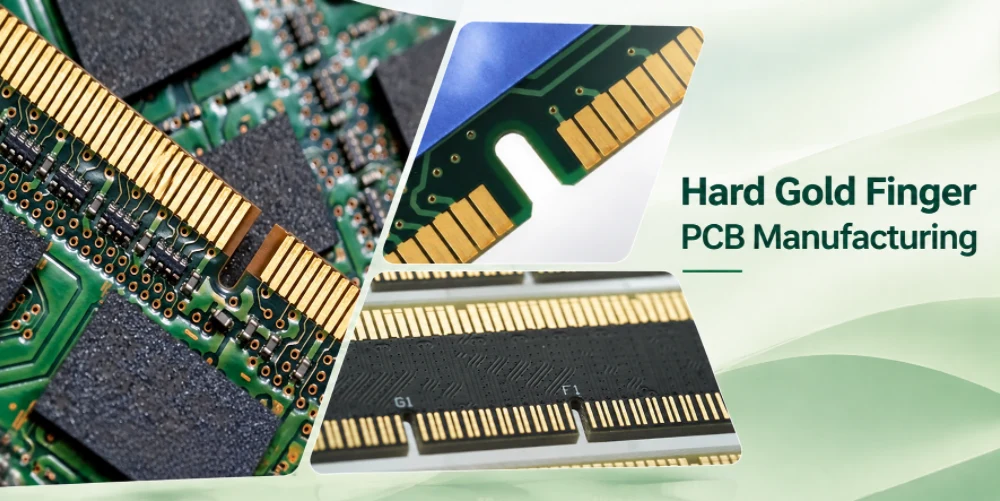
Hard Gold Finger PCB Manufacturing: Plating and Beveling
Hard gold finger PCB manufacturing is used when a circuit...
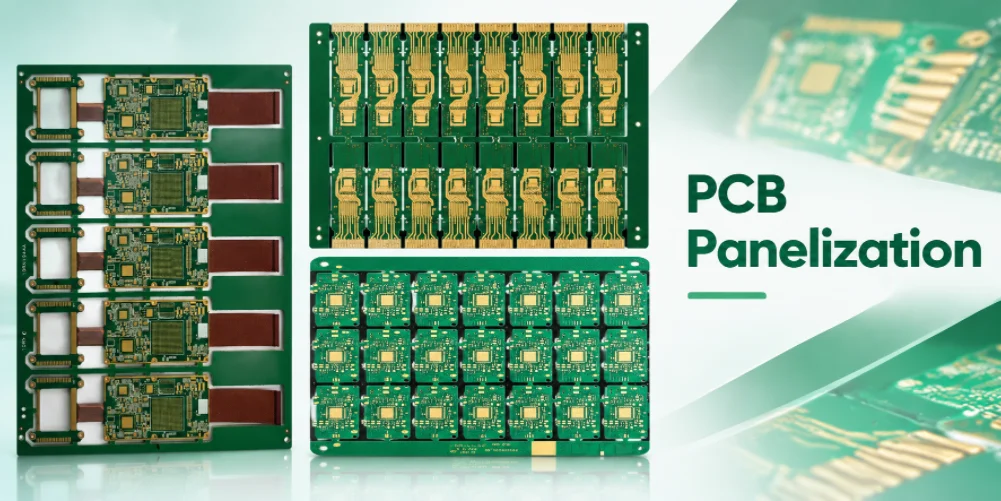
Small PCB Panelization: Array Design and Depaneling
Imagine a 26 × 18 mm circuit that must pass through...
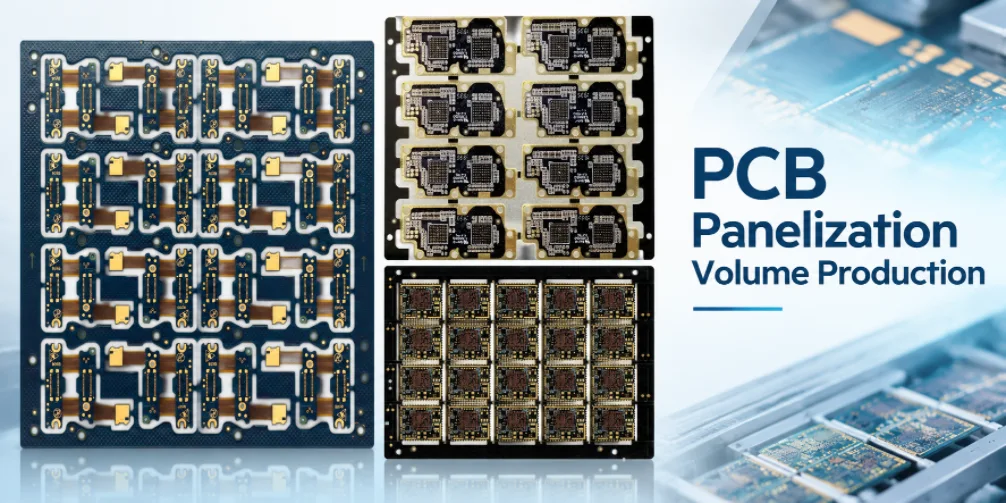
PCB Panelization for Volume Production: Cost and Yield
A fabrication panel that holds more boards is not...
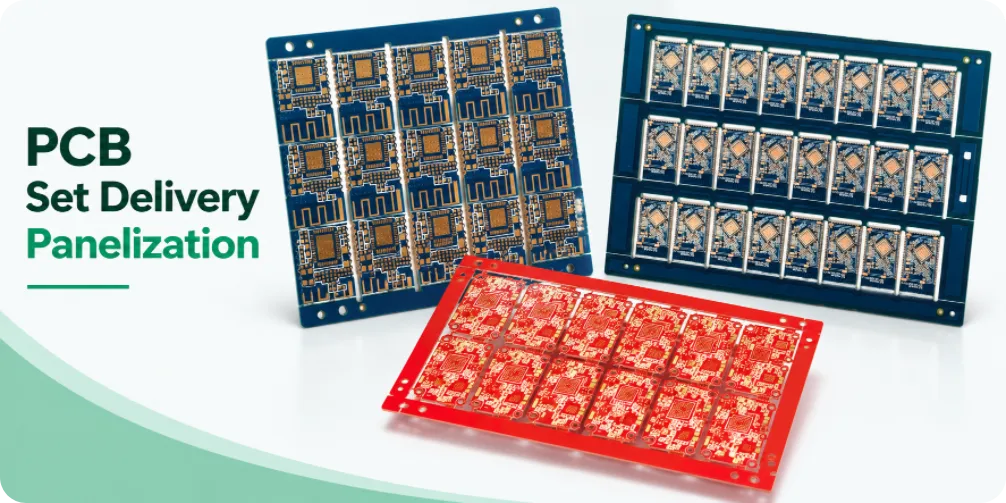
PCB SET Delivery and Panelization: Quantities and Acceptance
A purchase order for “500 SET” looks straightforward until...
How to get a quote for PCBs
Let‘s run DFM/DFA analysis for you and get back to you with a report. You can upload your files securely through our website. We require the following information in order to give you a quote:
-
- Gerber, ODB++, or .pcb, spec.
- BOM list if you require assembly
- Quantity
- Turn time
In addition to PCB manufacturing, we offer a comprehensive range of electronic services, including PCB design, PCBA, and turnkey solutions. Whether you need help with prototyping, design verification, component sourcing, or mass production, we provide end-to-end support to ensure your project’s success.
For PCBA services, please provide your BOM (Bill of Materials) and any specific assembly instructions. We also offer DFM/DFA analysis to optimize your designs for manufacturability and assembly, ensuring a smooth production process.