
High-Volume Flex PCB Assembly

Figure 1. Flex PCB Assembly
When a flexible PCB moves from engineering samples to a product with rapidly increasing demand, the manufacturing requirements change significantly. A few prototype assemblies may be manageable through manual soldering, engineering builds or a small local assembly supplier. Once production quantities increase, however, the same approach may no longer provide the required output, delivery schedule or assembly consistency.
High-volume flex PCB assembly provides a controlled manufacturing path for this transition. Highleap Electronics combines PCB manufacturing, component sourcing, automated assembly, inspection and production control to support flexible PCB projects that need to move from limited production into stable, repeatable volume manufacturing. The objective is not simply to assemble more flex PCBs, but to increase production capacity while maintaining consistent component placement, soldering quality, inspection standards and delivery performance.
Table of Contents
When Flex PCB Production Needs to Scale
A flexible PCB project often starts with a limited number of assemblies for engineering verification, product testing or early customer evaluation. At this stage, the production method can be relatively simple. Engineers may manually solder selected components, build a small number of units internally or work with a small assembly supplier that can handle the initial quantity. When only a few assemblies are required, this approach can be practical because the priority is to verify the product rather than maximize manufacturing throughput. The requirements of haptic glove flex-circuit manufacturing illustrate why wearable sensor connections and moving interconnects need controlled handling throughout production.
The situation changes when market demand increases. A product that previously required only a few assemblies may suddenly require hundreds or thousands of units, and the manufacturing process must then provide much higher output without allowing quality or delivery performance to fall behind. Manual assembly and limited-capacity production can become difficult to scale because they depend heavily on operator availability and individual workmanship. Typical limitations include:
- Limited production throughput and longer assembly time per unit
- Variation between operators or individual assemblies
- Greater dependence on manual soldering and rework
- Difficulty maintaining consistent production quality
- Limited capacity for repeat orders
- Difficulty meeting shorter or larger production schedules
This is where high-volume flex PCB assembly becomes important. The goal is not simply to replace manual labor with automated equipment, but to establish a controlled manufacturing process that can produce the required quantity consistently. Automated SMT placement, controlled soldering, defined inspection procedures and coordinated production planning provide a more suitable foundation when demand has moved beyond the capabilities of prototype or small-scale production.
Engineering and Manufacturing Review Before Volume Production
Before a flex PCB project moves into high-volume assembly, the PCB design and assembly data should be reviewed for production suitability. A flexible circuit that works correctly during a small prototype build may still require additional manufacturing consideration before it can be produced repeatedly at a much higher quantity. The review should therefore consider both the PCB fabrication process and the downstream assembly requirements rather than evaluating the two stages independently.
Important areas include PCB construction, component placement, SMT pad design, stiffener requirements, bend areas, component clearances, BOM information and assembly documentation. Component mounting areas may require adequate mechanical support, while areas intended to flex should remain consistent with the product’s mechanical requirements. Components and solder joints should also be evaluated carefully when their location is close to areas that will experience repeated flexing. When the product includes rigid sections, assembling rigid-flex boards with controlled bend areas adds support and handling requirements that should be qualified with the flex process.
Highleap Electronics can review the available manufacturing information before production. Customers can provide Gerber or ODB++ files, BOM data, pick-and-place files, assembly drawings and other available documentation. The purpose of the review is to identify potential production issues before a large quantity is released, allowing manufacturing requirements to be established before significant PCB and component commitments are made.

Figure 2. High-Volume Flex PCB Assembly
Component Sourcing and Production Capacity
When market demand increases suddenly, component supply can become just as important as assembly capacity. A production line may have sufficient SMT placement capacity, but the order can still be delayed if critical components are unavailable. For high-volume production, the BOM should therefore be reviewed before the manufacturing schedule is finalized. Manufacturer part numbers, required quantities, approved alternatives and other purchasing requirements should be clearly defined.
Highleap Electronics can coordinate component sourcing with PCB fabrication and assembly scheduling so that PCB production, component procurement and assembly planning are considered together. Production planning should take into account the required quantity, component availability, approved alternatives, PCB manufacturing lead time, assembly capacity, inspection requirements, testing requirements, packaging and target delivery schedule.
Capacity planning becomes particularly important when a product experiences an unexpected increase in demand. The manufacturer needs to increase output without removing the inspection and process controls established during earlier production. Highleap’s high-volume PCB assembly capability can support projects that have moved beyond prototype or limited production and now require a structured volume manufacturing process.
Moving from Prototype to Repeat Flex PCB Production
The transition from prototype to volume production should be treated as a manufacturing change rather than simply an increase in order quantity. During an early build, a small number of assemblies may be produced to verify the design. If a component is difficult to solder or a minor assembly issue occurs, an engineer may be able to correct an individual unit manually. A small supplier may also be able to complete several assemblies within an acceptable timeframe. These methods can be sufficient during product development because the primary purpose is validation.
Once the product enters the market and demand increases, the same approach can become a production bottleneck. A production order containing hundreds or thousands of flex PCB assemblies cannot depend on manual correction of individual units. The manufacturing process needs clearly defined production data, repeatable equipment settings, controlled inspection and stable component supply. Before releasing a high-volume order, customers should confirm:
- Final PCB revision and manufacturing requirements
- Approved BOM and component alternatives
- Final pick-and-place data and assembly drawings
- Stencil and fixture requirements
- Inspection and testing requirements
- Packaging specifications
- Required production quantity and delivery schedule
The objective is to transfer the validated prototype into a repeatable production process. If the project previously relied on manual soldering or a small assembly supplier, automated production provides a way to increase capacity while establishing more consistent process control. This is especially important when market demand changes faster than the original manufacturing method can support. Once the production process has been established and approved, subsequent orders can follow controlled manufacturing data instead of rebuilding the process for every order.
Why Choose Highleap for High-Volume Flex PCB Assembly?
Highleap Electronics supports customers that need to move flexible PCB products from development and limited production into stable volume manufacturing. The advantage of working with one manufacturing partner is that PCB fabrication and PCBA production can be coordinated from the beginning, reducing the need to separately manage PCB production, component procurement and assembly suppliers while production quantities are increasing.
Highleap can coordinate flexible PCB manufacturing, component sourcing, SMT assembly, through-hole assembly when required, assembly inspection, X-ray inspection when required, electrical or functional testing, high-volume production, packaging and delivery. This integrated approach connects PCB fabrication and PCBA production within one manufacturing workflow and provides a single production partner for coordinating engineering information, components, assembly requirements and production schedules.
For a product that has suddenly moved from a few engineering samples to significant market demand, manufacturing speed alone is not enough. The supplier must be able to increase output while maintaining consistent assembly quality and meeting the required delivery schedule. That is the purpose of High-Volume Flex PCB Assembly: to provide a controlled production path when manual assembly, engineering builds or limited-capacity suppliers can no longer keep up with the required quantity.
If your flex PCB product has already passed the development stage and production demand is increasing, Highleap Electronics can review your existing PCB and assembly files and evaluate the requirements for volume manufacturing. Send your flex PCB files, BOM and assembly requirements to Highleap Electronics for engineering review and a production quotation.

Recommended Posts
Contract Manufacturing Transfer Without PCBA Supply Disruption
Table of contents Why PCB Assembly Transfers Fail The...
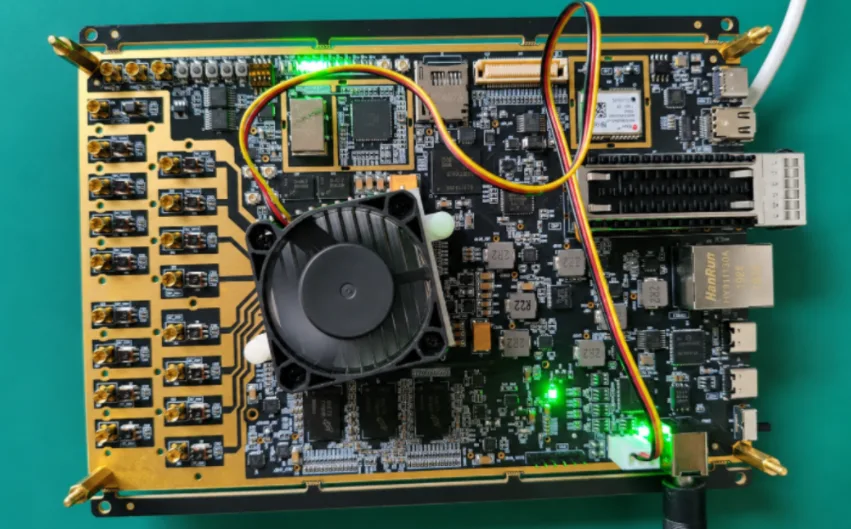
RFSoC Board PCB Manufacturing and Assembly One-Stop Service
Table of contentsReference RFSOC Board Project: 115 × 175...

Outdoor Lighting PCB Manufacturing & Assembly by Highleap Electronics
Figure 1. outdoor lighting PCB production and assembly...
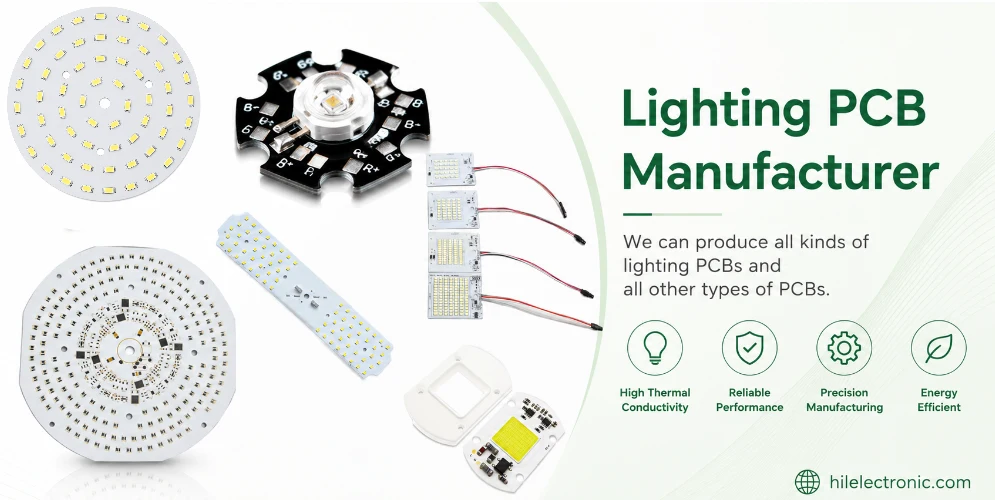
Lighting PCB Manufacturer: PCB Fabrication, PCB Assembly & Turnkey LED Lighting
Figure 1. Lighting PCB manufacturer overview for LED light...
How to get a quote for PCBs
Let‘s run DFM/DFA analysis for you and get back to you with a report. You can upload your files securely through our website. We require the following information in order to give you a quote:
-
- Gerber, ODB++, or .pcb, spec.
- BOM list if you require assembly
- Quantity
- Turn time
For PCBA services, please provide your BOM (Bill of Materials) and any specific assembly instructions. We also offer DFM/DFA analysis to optimize your designs for manufacturability and assembly, ensuring a smooth production process.