
Transparent Flex PCB: Advanced Manufacturing for Modern Electronics

What is Transparent Flex PCB Technology
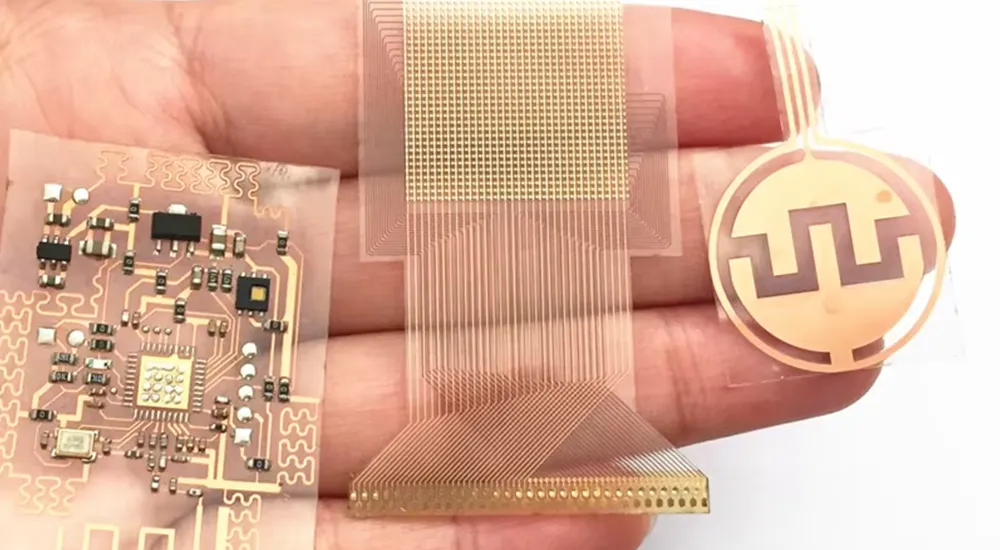
Transparent flex PCB is an advanced type of flexible circuit that combines optical transparency, mechanical flexibility, and electrical functionality. Unlike conventional amber polyimide circuits, it uses clear substrates such as polyethylene terephthalate (PET) or transparent polyimide, allowing light transmission while maintaining reliable performance. This technology is ideal for transparent displays, aesthetic device designs, and applications requiring visual accessibility.
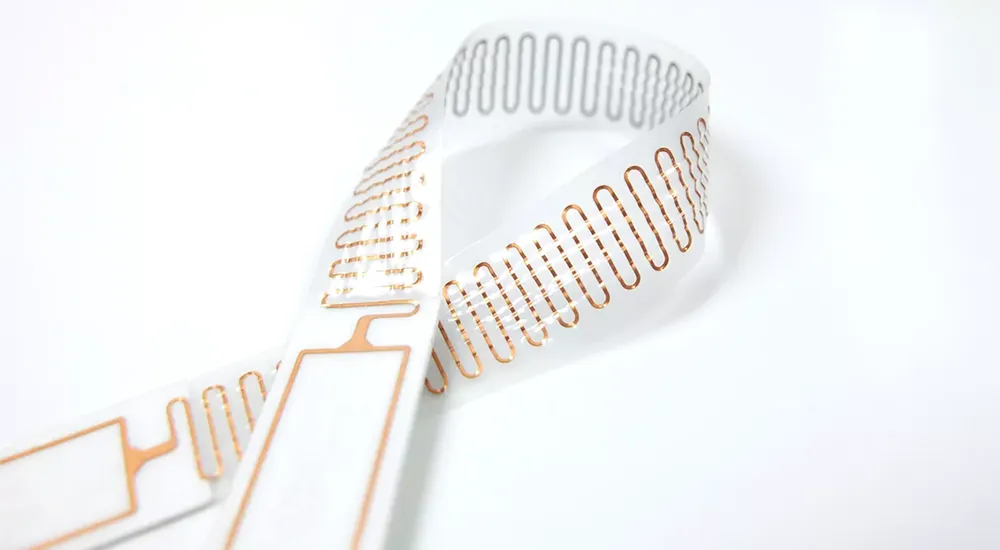
Transparent flex PCBs achieve 80–90% optical transmittance while retaining flexibility for compact and dynamic designs. Conductive patterns may use visible metal traces or transparent conductive materials, depending on design needs.
Key Characteristics of Transparent Flex PCB
Manufacturing transparent flex PCBs requires precise process control to maintain clarity and electrical integrity. Alignment accuracy within 0.05 mm and careful material handling are essential. These circuits can be single-, double-, or multilayer, with simpler stackups offering better optical performance and yield.
Transparent Flex PCB Material Selection and Properties
Material selection defines the performance, reliability, and cost of transparent flex PCBs. Substrates must combine optical transparency, flexibility, thermal stability, and process compatibility to meet specific application demands.
Substrate Materials for Transparent Flex PCB
Polyethylene terephthalate (PET) is the most cost-effective transparent substrate, offering over 85% optical transmittance, bend radii down to 2 mm, and adequate strength for consumer devices. However, its low glass transition temperature (≈80 °C) limits use in high-temperature soldering. Transparent polyimide provides better thermal resistance—up to 200 °C—while maintaining clarity and flexibility, enabling standard reflow processes at a higher material cost.
Conductive Materials in Transparent Flex PCB
Conductor choice balances transparency, conductivity, and flexibility. Conventional copper ensures low resistance (<0.5 mΩ/sq) but blocks light. For transparent designs, indium tin oxide (ITO) offers 10–100 Ω/sq with ~85% transmittance, while silver nanowires provide superior flexibility and durability for dynamic bending applications. Each option must be evaluated for electrical, optical, and mechanical performance versus cost.
Manufacturing Process for Transparent Flex PCB
Transparent flex PCB manufacturing requires specialized processes to handle clear materials while maintaining IPC-6013 quality compliance. Production begins with design validation to ensure layouts account for the electrical properties of transparent substrates and preserve optical clarity in viewing areas.
Substrate Preparation and Patterning
Transparent substrates demand strict cleanliness since even minor contamination is visible in the final product. Handling procedures must prevent scratches or surface damage. Conductor patterning uses photolithography or laser ablation optimized for transparent films to ensure precise feature definition without optical distortion. For copper-based transparent flex PCBs, standard etching applies, followed by enhanced inspection to verify both electrical and visual quality.
Assembly and Quality Control
Multilayer transparent flex PCBs require optically clear adhesives with stable bonding and minimal yellowing under heat. Assembly typically uses low-temperature soldering (~230 °C) or conductive adhesives to protect heat-sensitive substrates. Quality control includes electrical continuity tests, flex endurance evaluation, and optical inspection targeting micro-cracks, delamination, and contamination.
Applications and Performance Requirements for Transparent Flex PCB
Transparent flex PCB technology supports advanced applications in consumer electronics, display systems, and medical devices where optical transparency offers functional or aesthetic advantages. Each application area defines specific requirements for materials, process control, and reliability standards.
Consumer Electronics Using Transparent Flex PCB
In smartphones and wearables, transparent flex PCBs enable edge-to-edge displays, under-screen sensors, and hidden interconnections that enhance product design. These typically use single- or double-layer structures with moderate circuit density but strict optical quality requirements. Transparent flex PCBs are also used in display modules for automotive dashboards, retail signage, and AR devices to provide unobstructed visuals and compact electrical integration.
Medical Device Applications for Transparent Flex PCB
Medical equipment and wearable health monitors use transparent flex PCBs for sensor interfaces and diagnostic systems where visual access to skin or tissues is beneficial. Such designs require biocompatible materials and compliance with ISO 13485 standards. Transparency and flexibility enable compact, comfortable, and reliable patient-contact designs, with circuits engineered for electrical stability, sterilization resistance, and long-term durability.
Manufacturing Challenges in Transparent Flex PCB Production
Despite ongoing advancements, transparent flex PCB production still faces challenges affecting cost, yield, and scalability. Transparent substrates and conductive materials are less available than standard flex PCB materials, with limited qualified suppliers and longer lead times. These constraints raise material costs to 3–5 times those of conventional options and complicate high-volume manufacturing consistency.
Process Control and Yield Optimization
Thin transparent substrates (typically 25–50 μm) are prone to damage, requiring strict handling and process control. Yield losses from substrate defects or optical imperfections are often 10–20% higher than standard flex PCB production, especially during early process development. Manufacturers must maintain cleanroom conditions, precision alignment, and trained operators to ensure both optical and electrical quality while achieving stable production yields.
Advancing Transparent Flex PCB Manufacturing Capabilities
Ongoing development continues to enhance transparent flex PCB technology through improved materials, refined processes, and expanded manufacturing capabilities. Innovations include:
-
Advanced Transparent Conductive Materials – Improved electrical performance approaching copper while maintaining optical clarity.
-
Enhanced Transparent Substrates – Greater thermal stability enabling standard assembly processes and cost efficiency.
-
Refined Manufacturing Processes – Optimized handling, patterning, and lamination techniques to improve yield and optical quality.
Highleap Electronics Capabilities:
-
Comprehensive manufacturing infrastructure and quality systems for transparent flex PCB production.
-
Engineering design support to optimize layouts for manufacturability, reliability, and performance.
-
Expertise in balancing optical, electrical, and mechanical requirements in custom designs.
-
Assistance in accelerating product development, from prototyping to mass production.
-
Close collaboration with clients through technical guidance and consultation.
Partner with Highleap Electronics to bring your transparent flex PCB projects to life. Contact our engineering team today to discuss your design requirements, explore material and process options, and ensure your product achieves both outstanding performance and visual innovation.

Recommended Posts
Small PCB Panelization: Array Design and Depaneling
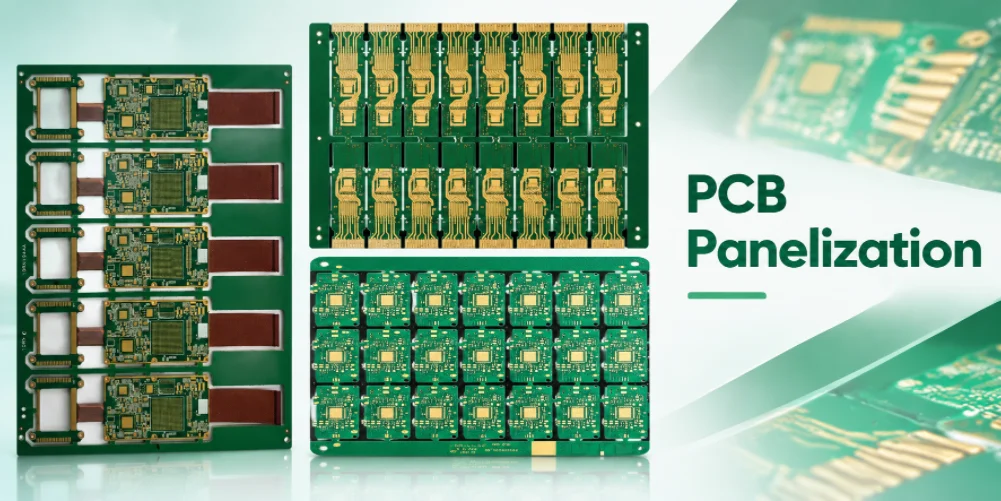
Imagine a 26 × 18 mm circuit that must pass through...
PCB Panelization for Volume Production: Cost and Yield
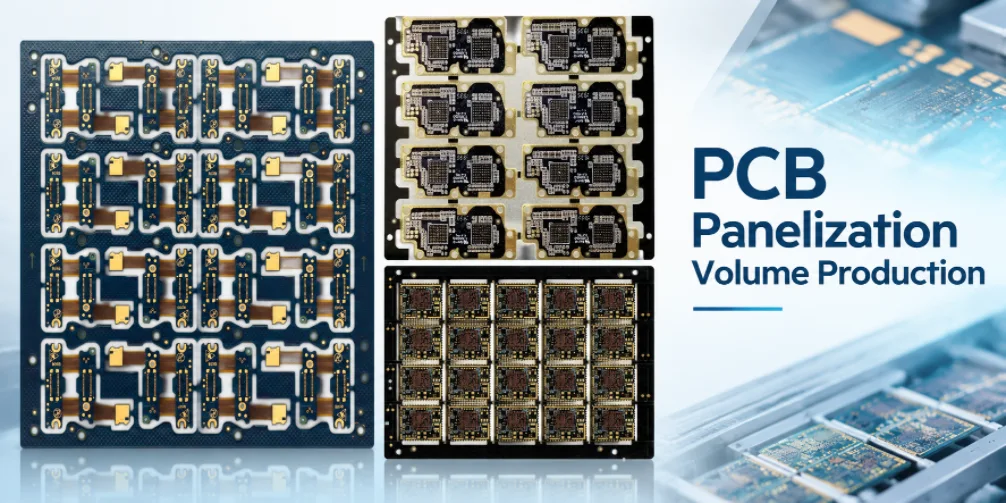
A fabrication panel that holds more boards is not...
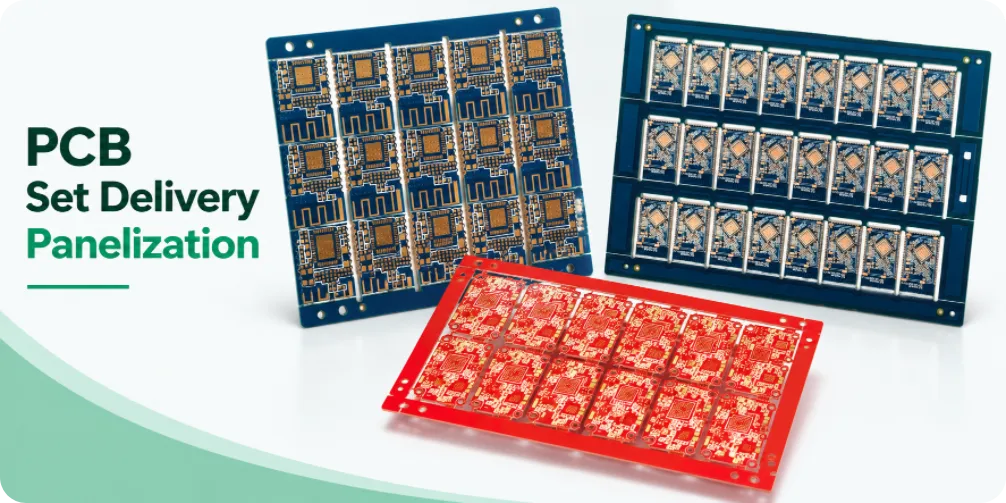
PCB SET Delivery and Panelization: Quantities and Acceptance
A purchase order for “500 SET” looks straightforward until...
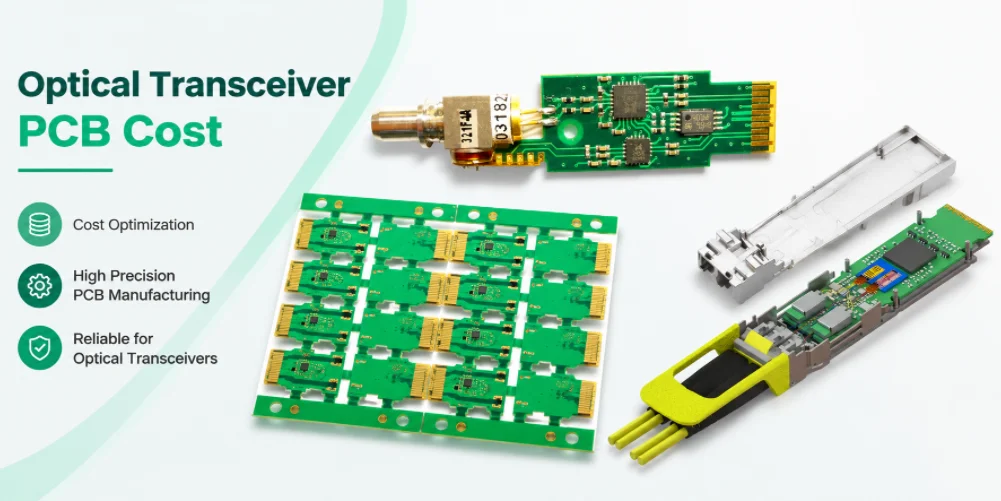
Optical Transceiver PCB Cost: Compare Equivalent Quotes
Two suppliers may quote a nominally identical six-layer...
How to get a quote for PCBs
Let‘s run DFM/DFA analysis for you and get back to you with a report. You can upload your files securely through our website. We require the following information in order to give you a quote:
-
- Gerber, ODB++, or .pcb, spec.
- BOM list if you require assembly
- Quantity
- Turn time
In addition to PCB manufacturing, we offer a comprehensive range of electronic services, including PCB design, PCBA, and turnkey solutions. Whether you need help with prototyping, design verification, component sourcing, or mass production, we provide end-to-end support to ensure your project’s success.
For PCBA services, please provide your BOM (Bill of Materials) and any specific assembly instructions. We also offer DFM/DFA analysis to optimize your designs for manufacturability and assembly, ensuring a smooth production process.