
Top 7 Norwegian Electronics Companies in 2025

Norway has established itself as a significant player in the global electronics sector, with companies spanning diverse technological domains from wireless communications to maritime automation. The Nordic nation’s electronics industry demonstrates particular strength in specialized applications including IoT connectivity, industrial automation, and precision sensing technologies. This analysis examines the key Norwegian electronics companies that have achieved notable market positions across various sectors.
Major Norwegian Electronics Companies in 2025
1. Nordic Semiconductor ASA — Wireless Communication and IoT Solutions

Headquartered in Trondheim, Nordic Semiconductor ASA operates as a prominent provider of low-power wireless communication chips, specializing in Bluetooth, Zigbee, and Thread protocols. Founded in 1983, the company develops ultra-low-power System-on-Chip solutions for IoT applications across consumer, industrial, and healthcare sectors. Their nRF series of wireless SoCs enables applications from wearable devices to smart home systems, with comprehensive development tools supporting rapid product deployment.
2. AutoStore AS — Automated Storage and Retrieval Systems

Based in Nedre Vats, AutoStore AS develops high-density warehouse automation technology using robotic cube storage systems. Their autonomous robots operate on three-dimensional grid structures, enabling space utilization rates up to four times higher than traditional warehouses. The modular systems serve retail, pharmaceutical, and industrial customers seeking improved operational efficiency and reduced real estate footprint.
3. Sensonor (Safran Sensing Technologies Norway AS) — MEMS Sensors and Precision Navigation
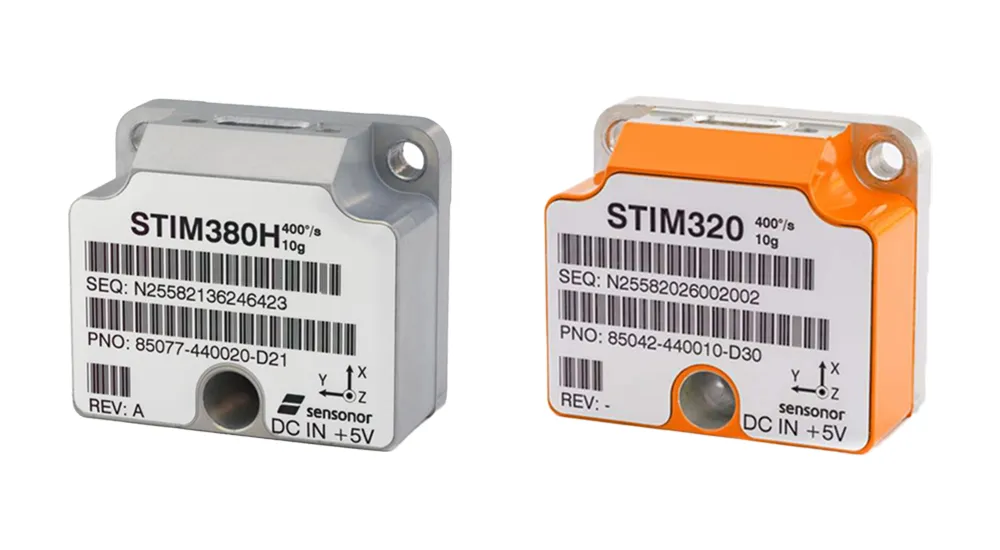
Operating from Horten as part of Safran Sensing Technologies, Sensonor develops MEMS-based inertial sensors including gyroscopes, accelerometers, and inertial measurement units. Their products serve aerospace, defense, marine, and industrial applications requiring precision motion sensing under harsh environmental conditions. The company specializes in navigation systems, platform stabilization, and subsea applications where sensors must operate reliably under extreme pressure.
4. Kongsberg Gruppen — Defense, Maritime, and Aerospace Electronics
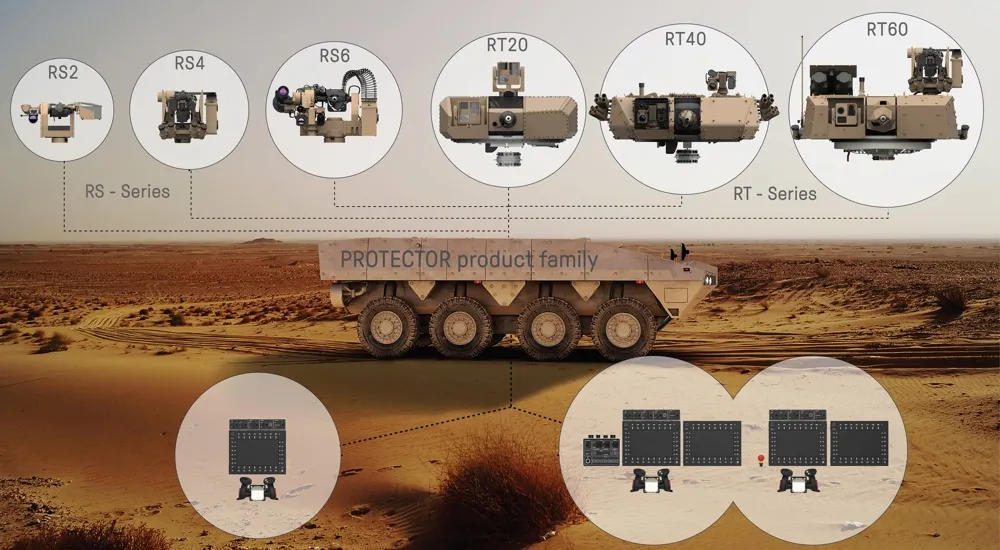
Based in Kongsberg, Kongsberg Gruppen operates across defense, maritime, and aerospace sectors, generating approximately $3 billion in annual revenue. The company develops dynamic positioning systems, underwater technology, precision weaponry, and satellite components. Their maritime division provides vessel automation and offshore drilling equipment, while defense operations focus on remote weapon stations and missile systems.
5. Telenor ASA — Telecommunications and Digital Infrastructure

Headquartered in Fornebu, Telenor ASA operates as a multinational telecommunications company generating approximately $12 billion in annual revenue across European and Asian markets. The company provides mobile communication services, 5G network infrastructure, and IoT connectivity platforms. Telenor’s operations include spectrum management, digital banking services, and emerging applications including edge computing and private network solutions.
6. NEXT Biometrics Group ASA — Biometric Authentication Technology
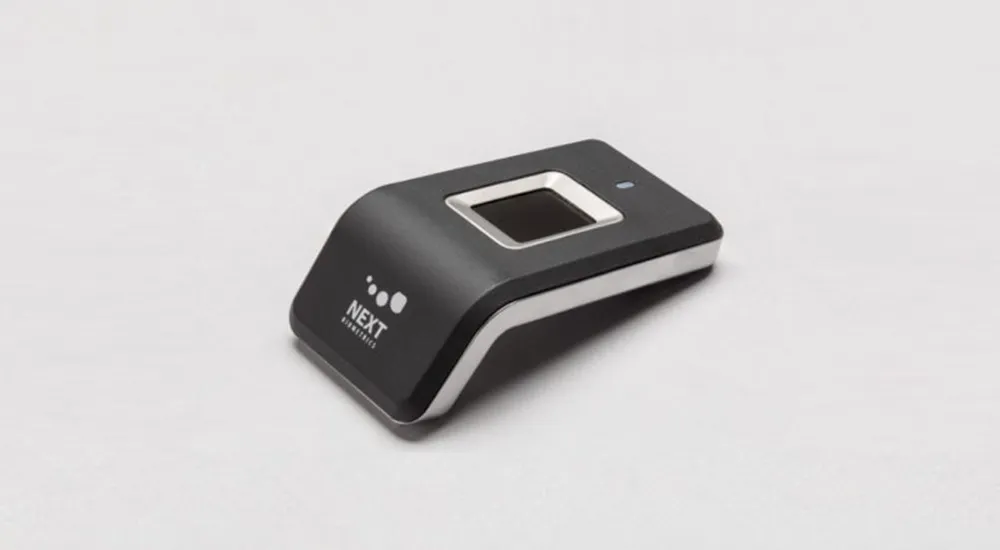
Operating from Oslo, NEXT Biometrics Group ASA develops fingerprint sensing technology for access control, identity verification, and secure authentication applications. The company serves government identification systems, enterprise security, and mobile device markets with capacitive and thermal sensing solutions optimized for different environmental conditions and security requirements.
7. poLight ASA — Tunable Lens Technology and Micro-Optics
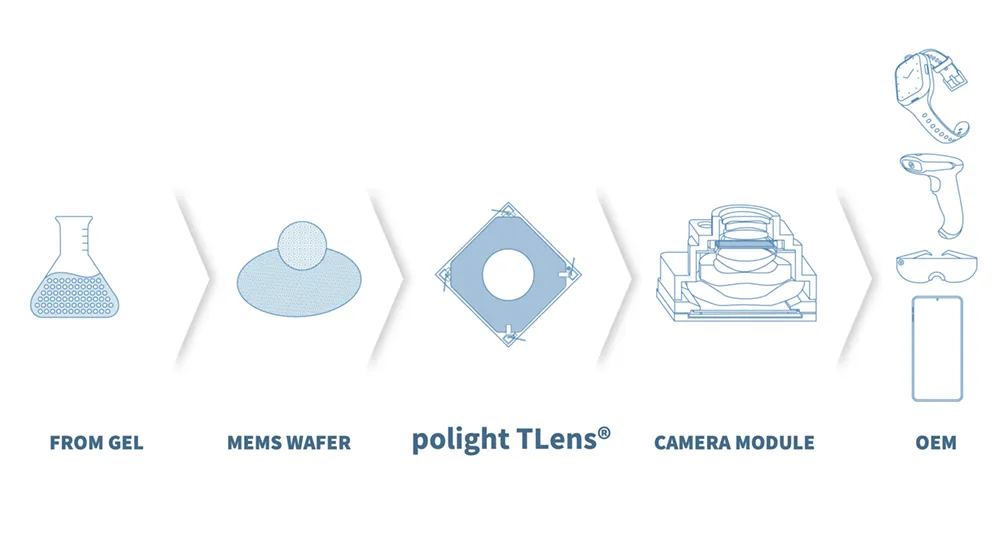
Headquartered in Horten, poLight ASA develops tunable lens technology based on proprietary TLens actuator systems for camera modules and imaging applications. The company’s optical components enable rapid autofocus in compact camera modules for mobile devices, automotive imaging systems, and industrial vision equipment. Their technology provides faster focus speeds and lower power consumption compared to traditional voice coil motor solutions.
Distinctive Features of Norwegian Electronics Innovation
Norwegian electronics companies have developed unique competitive advantages that distinguish them in global technology markets, building on natural resource expertise and environmental challenges to create specialized solutions.
Energy Sector Technology Leadership
Norway’s position as a major oil and gas producer has driven electronics innovation in energy-related applications. Companies develop specialized solutions for offshore drilling platforms, subsea monitoring systems, and renewable energy integration. This energy sector expertise extends to power management technologies, grid optimization systems, and energy storage solutions that serve both domestic and international markets.
Ultra-Low Power and Wireless Specialization
Norwegian companies have achieved particular strength in ultra-low power electronics and wireless communication technologies. This focus addresses applications where battery life and energy efficiency are critical, including IoT devices, remote monitoring systems, and portable equipment operating in challenging environments. The expertise in power optimization creates competitive advantages in emerging markets requiring extended device operation.
Automation and Robotics Excellence
The Norwegian electronics industry demonstrates advanced capabilities in automation and robotics technologies, particularly for industrial applications. Companies develop sophisticated control systems, sensor integration, and autonomous operation technologies that address labor shortage challenges and operational efficiency requirements in various industries including logistics, manufacturing, and resource extraction.
Government Innovation Ecosystem Support
Norway’s innovation ecosystem benefits from substantial government investment in technology development through the Research Council of Norway, Innovation Norway, and university partnerships. This support structure enables electronics companies to pursue long-term research projects and technology commercialization efforts that might be challenging in purely market-driven environments, fostering breakthrough innovations in specialized applications.
PCB Manufacturing Requirements for Norwegian Electronics Excellence
Norwegian electronics companies developing specialized wireless solutions, industrial automation systems, maritime equipment, and precision sensors face unique manufacturing challenges that demand advanced printed circuit board capabilities. These applications require PCBs that can withstand harsh environmental conditions, deliver ultra-low power performance, and maintain reliability in mission-critical systems where failure is not acceptable.
The specialized nature of Norwegian electronics applications creates specific requirements for PCB design and manufacturing. Ultra-low power IoT devices need optimized trace geometries and material selection to minimize power consumption. Maritime and subsea systems require PCBs capable of operating reliably under extreme temperature variations, humidity, and vibration conditions. Industrial automation equipment demands high-speed signal integrity and electromagnetic compatibility for precise control system operation.
Highleap Electronics: PCB Manufacturing and Assembly Partner for Advanced Applications
Highleap Electronics delivers comprehensive PCB manufacturing and assembly services for electronics companies developing advanced technology products. With expertise in both prototype and production volumes, we help customers build reliable solutions for telecommunications, industrial automation, maritime, and precision electronics applications.
Advanced PCB Fabrication Capabilities
We address the demanding requirements of Norwegian electronics applications with:
-
Layer Flexibility: From single-layer to complex multilayer PCBs (up to 50+ layers)
-
HDI Implementation: Microvias, blind/buried vias, and fine-line routing
-
Specialized Materials: High-frequency laminates, thermal management substrates, and materials for harsh environments
-
Rigid-Flex & Embedded Components: Optimized for compact, high-performance designs
Precision PCB Assembly Solutions
Our assembly lines support diverse technologies with high accuracy and quality:
-
Advanced SMT Processing: Placement down to 01005 components
-
BGA & Micro-BGA Expertise: Including reballing and rework capabilities
-
Through-Hole & Mixed-Technology: Complete assembly flexibility
-
Comprehensive Testing: AOI, X-ray inspection, in-circuit testing, and functional validation
Engineering and Design Support
To enhance manufacturing success, we provide:
-
Design for Manufacturing (DFM) to optimize production yield
-
Signal Integrity & Thermal Consulting for performance reliability
-
Material Selection Guidance for application-specific needs
Flexible Production & Global Logistics
We accommodate project requirements from development to full-scale production:
-
Quick-Turn Prototyping for R&D cycles
-
Scalable Production from pilot runs to high-volume manufacturing
-
Global Logistics Support for streamlined supply chain management

Recommended Posts
Wearable Payment Device PCB Design and PCBA Manufacturing
Secure wearable hardware · manufacturing boundary...
Wearable RFID Scanner PCB Design and RAIN RFID PCBA Manufacturing
Enterprise RF wearable · reader manufacturing Wearable...
Wearable Barcode Scanner PCB Design and PCBA Manufacturing
Enterprise wearable · scan-engine integration The most...
Wearable Translator PCB Design and PCBA Manufacturing
Wearable audio · architecture-driven manufacturing Before...
How to get a quote for PCBs
Let‘s run DFM/DFA analysis for you and get back to you with a report. You can upload your files securely through our website. We require the following information in order to give you a quote:
-
- Gerber, ODB++, or .pcb, spec.
- BOM list if you require assembly
- Quantity
- Turn time
In addition to PCB manufacturing, we offer a comprehensive range of electronic services, including PCB design, PCBA, and turnkey solutions. Whether you need help with prototyping, design verification, component sourcing, or mass production, we provide end-to-end support to ensure your project’s success.
For PCBA services, please provide your BOM (Bill of Materials) and any specific assembly instructions. We also offer DFM/DFA analysis to optimize your designs for manufacturability and assembly, ensuring a smooth production process.