
Understanding Heavy Copper PCB Cost: Key Factors and Optimization Strategies

The electronics industry increasingly relies on heavy copper PCBs (≥3 oz) for high-current and high-power-density applications, including power modules, inverters, motor drives, and industrial control systems. These boards handle substantial electrical loads while maintaining thermal stability in demanding environments.
However, heavy copper PCB cost significantly exceeds standard circuit board pricing due to material requirements and process complexity. Understanding the primary cost drivers enables design engineers and procurement teams to optimize both performance and budget effectively.

Heavy Copper PCBs
Major Cost Drivers in Heavy Copper PCB Manufacturing
1. Copper Foil Thickness and Material Cost
Copper foil thickness directly impacts heavy copper PCB cost, with common specifications ranging from 2 oz to 10 oz. Each incremental increase in copper weight raises material expenses substantially while complicating electroplating, etching, and lamination processes. Thicker copper also requires higher glass transition temperature (Tg) substrates and specialized dielectric materials to manage thermal expansion mismatch.
Design optimization offers meaningful cost reduction. Engineers should specify heavy copper only on layers carrying high current, while maintaining standard copper weights elsewhere. Implementing localized heavy copper zones rather than full-layer coverage can reduce overall copper consumption by 30-40% without compromising electrical performance.
2. Electroplating and Current Density Control
Achieving uniform copper thickness in heavy copper PCB manufacturing requires multiple electroplating cycles with precise current density management. Step plating processes extend production time significantly and increase electrolyte consumption, maintenance requirements, and energy costs.
Inadequate current density control causes thickness variation, over-plating defects, or insufficient copper buildup, all of which trigger costly rework or scrap. Manufacturers employing automated current density monitoring systems and advanced electroplating lines achieve higher first-pass yields, reducing hidden costs associated with defect correction.
3. Etching and Pattern Definition Complexity
Etching thick copper traces presents substantial technical challenges that directly affect heavy copper PCB cost. Standard etching processes struggle with copper layers exceeding 4 oz, often producing undercutting, rough sidewalls, and dimensional inaccuracy. These limitations necessitate higher concentration chemical solutions, extended etch times, and increased waste treatment expenses.
Design-phase optimization of trace width and spacing minimizes etching difficulties. Maintaining adequate clearances and avoiding unnecessarily narrow conductors improves manufacturability. Advanced differential etching control systems help manufacturers anticipate process issues before committing to full production runs.
4. Lamination Cycles and Pressing Process
Multilayer heavy copper PCB construction requires multiple lamination cycles to build the complete stack-up. Thick copper layers impede proper resin flow during pressing and complicate layer-to-layer registration. Each additional lamination cycle introduces alignment risk, increases cycle time, and raises manufacturing cost substantially.
Efficient stack-up design reduces lamination cycles while meeting electrical requirements. Working with experienced fabricators who understand heavy copper pressing parameters improves single-cycle success rates and reduces manufacturing iterations that inflate overall heavy copper PCB cost.
5. Yield and Process Complexity
Yield loss represents a significant hidden cost factor in heavy copper PCB manufacturing. As copper thickness increases beyond 6 oz, process windows narrow considerably, elevating defect rates including over-etching, warpage, opens, shorts, and plating non-uniformity. Each rejected board distributes fixed manufacturing costs across fewer acceptable units, driving up effective unit pricing.
Comprehensive in-process inspection using automated optical inspection (AOI), X-ray imaging, and precise thickness measurement systems catches defects early. Conducting design for manufacturability (DFM) reviews before production begins identifies potential issues when changes cost less to implement.
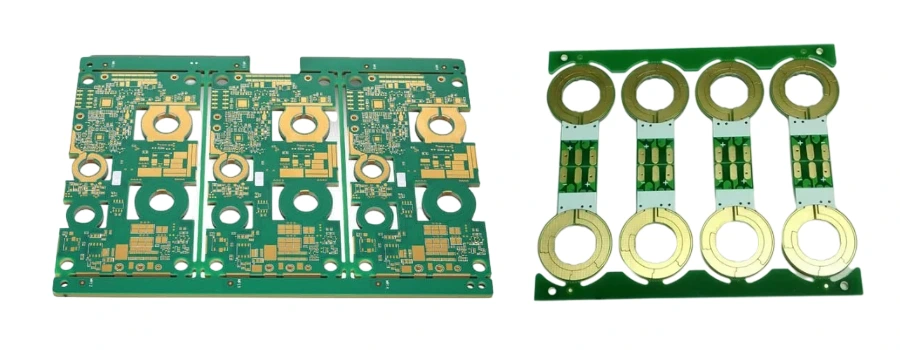
Heavy Copper PCB Manufacturing
Heavy Copper PCB Cost Optimization Strategies
1. Design-Level Optimization
Effective cost management begins during the design phase. Engineers should calculate required trace widths based on UL standards and acceptable I²R losses rather than applying excessive margins. Key design strategies include:
- Hybrid copper designs that employ different copper weights on different layers, placing heavy copper only where current density demands it
- Localized heavy copper zones rather than full-layer coverage to reduce material consumption
- Thermal simulation and current density analysis to identify optimal copper distribution
- Avoiding over-specification that increases heavy copper PCB cost without corresponding performance benefits
2. Process-Level Optimization
Manufacturing efficiency directly influences heavy copper PCB cost structures. Automated plating lines with real-time current monitoring maintain uniform deposition across panel areas. Integrating AOI systems at multiple process stages catches defects before adding value through subsequent operations.
Selecting manufacturers holding ISO 9001 and IATF 16949 certifications ensures consistent process control and quality management systems that minimize variation-related costs. Controlled etching with segmented lamination cycles reduces scrap rates while maintaining dimensional accuracy.
3. Supply Chain Optimization
Raw material procurement significantly affects heavy copper PCB cost and lead times. Copper foil availability fluctuates with market conditions, and specialized heavy copper materials may require extended sourcing periods. Early communication with fabricators about material specifications helps avoid premium expedite charges.
Standardizing designs around commonly available substrate materials and copper thicknesses reduces minimum order quantity requirements. Custom material specifications typically carry 15-25% cost premiums and extend delivery schedules, directly impacting total heavy copper PCB cost.
Quantitative Cost Comparison
Material and processing costs scale non-linearly with copper thickness. A board using 4 oz copper typically costs 40-60% more than an equivalent 1 oz design. Increasing to 8 oz copper adds another 50-70% over the 4 oz baseline due to compounding process complexity.
Electroplating time alone can triple when moving from 4 oz to 8 oz copper, directly impacting manufacturing capacity and cost allocation. These incremental costs underscore the importance of specifying copper thickness precisely based on electrical requirements rather than applying conservative safety margins.
Conclusion
Heavy copper PCB cost stems primarily from manufacturing process complexity rather than material expenses alone. Successful cost optimization requires coordinated effort between design engineering and fabrication expertise. Strategic decisions about copper distribution, stack-up architecture, and supplier selection deliver substantial savings while maintaining the electrical performance and reliability that high-current applications demand.
Highleap Electronics specializes in heavy copper PCB manufacturing with comprehensive capabilities:
- Advanced electroplating lines supporting 2 oz to 10 oz copper thickness with precise current density control
- Automated AOI and X-ray inspection systems ensuring high yield rates
- ISO 9001 and IATF 16949 certified processes for consistent quality
- Experienced engineering team providing DFM optimization and cost-effective solutions
- Full-service capabilities from prototyping to volume production for high-current and high-reliability applications
Contact our engineering team to discuss how optimized heavy copper PCB manufacturing can meet your performance requirements while controlling project costs.

Recommended Posts
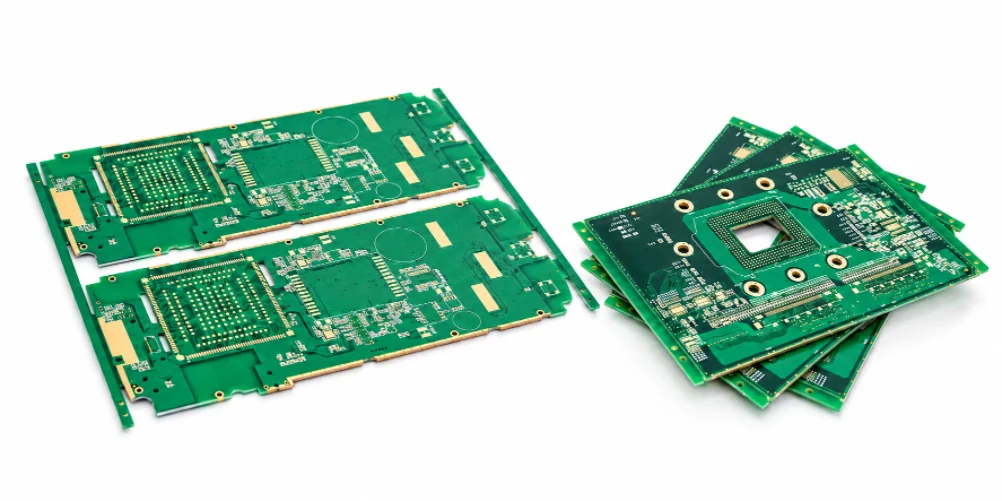
TG140 PCB Material Selection and Fabrication
Table of Contents TG140 PCB Materials and Selection...
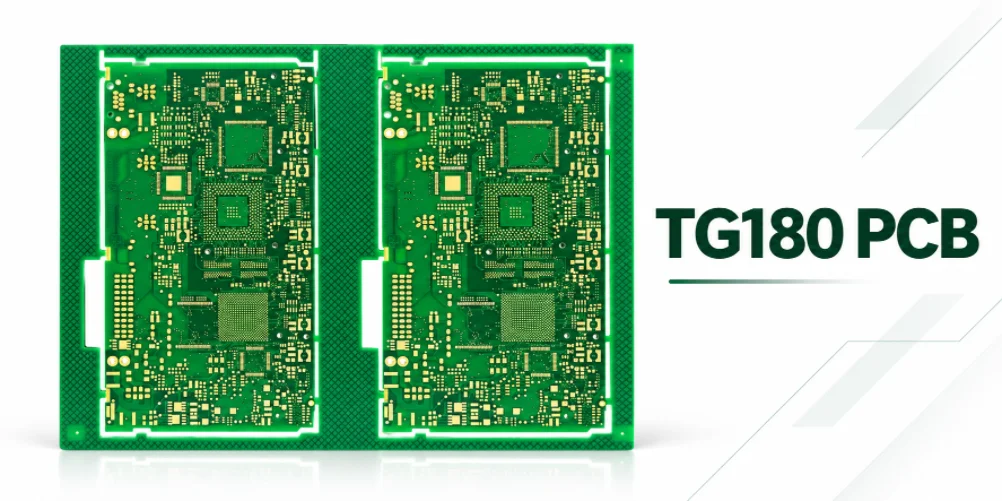
How to Select Tg180 PCB Materials for Custom Boards
Choosing a Tg180 PCB involves more than selecting a...
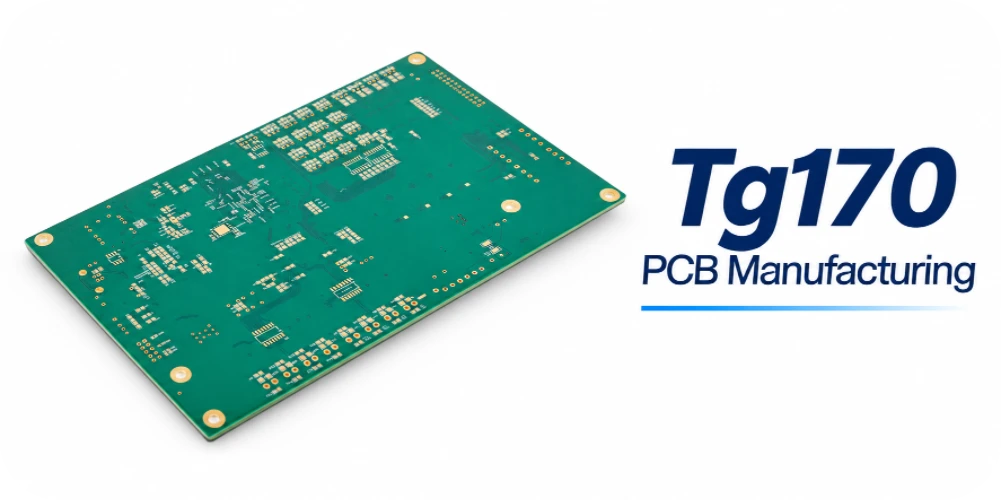
Tg170 PCB Manufacturing and Assembly for Industrial Electronics
A Tg170 PCB may be specified for industrial electronics,...
Racing Wheel Controller PCB Manufacturing & Assembly for Force-Feedback and Direct-Drive Gaming Systems
Highleap Electronics provides PCB fabrication and PCBA for...
How to get a quote for PCBs
Let‘s run DFM/DFA analysis for you and get back to you with a report. You can upload your files securely through our website. We require the following information in order to give you a quote:
-
- Gerber, ODB++, or .pcb, spec.
- BOM list if you require assembly
- Quantity
- Turn time
In addition to PCB manufacturing, we offer a comprehensive range of electronic services, including PCB design, PCBA, and turnkey solutions. Whether you need help with prototyping, design verification, component sourcing, or mass production, we provide end-to-end support to ensure your project’s success.
For PCBA services, please provide your BOM (Bill of Materials) and any specific assembly instructions. We also offer DFM/DFA analysis to optimize your designs for manufacturability and assembly, ensuring a smooth production process.