
PCB Assembly with Conformal Coating
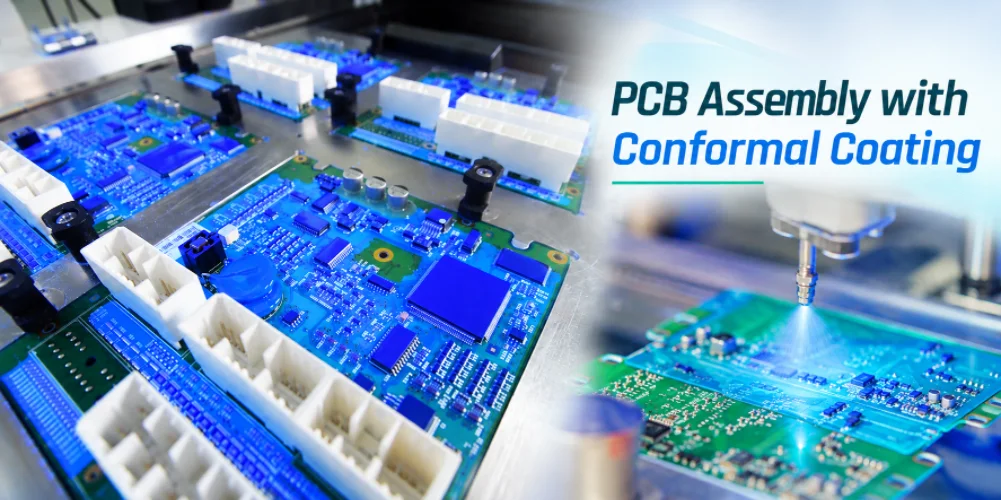
Highleap Electronics provides PCB assembly with conformal coating for OEM products that need an assembled, inspected and selectively protected circuit board—not a bare PCB with an unspecified coating added at the end. Our published PCBA capabilities include SMT assembly, through-hole insertion, electrical and functional inspection, and a dedicated conformal paint spraying line. For each project, coating chemistry, areas to be coated, keep-out zones, curing conditions and inspection criteria are reviewed against the customer’s drawings before a production method is agreed.
For a purchasing manager or hardware engineer, the real manufacturing question is whether the assembler can control the entire transition from soldered PCBA to coated PCBA. Flux residues, masking errors, trapped solvent, incomplete cure or coating on connector contacts can compromise an otherwise correctly assembled board. A reliable build plan must define how those risks are prevented, detected and documented.
PCB Assembly with Conformal Coating at Highleap Electronics
Yes—Highleap can provide PCB assembly projects that include conformal coating as a specified finishing operation. Our public SMT and through-hole PCB assembly capabilities include a conformal paint spraying line in addition to component population, inspection and functional testing. That means a customer can discuss coating while the complete assembly route is being planned, rather than contracting a separate coating vendor after the PCBAs have been built.
The starting point is a released PCBA design and an application-specific coating requirement. Highleap can evaluate whether the planned assembly, component geometry, available coating method and acceptance criteria are compatible. The precise coating material, spray pattern, film thickness, mask design, quantity and verification plan are confirmed for the individual job. A published spraying-line capability should not be interpreted as a promise that every chemistry or specialty process—such as vacuum-deposited parylene—is offered in-house.
A coating-ready assembly begins with the bare board. Solder-mask definition, exposed copper, panel tabs, mounting holes and component clearance can affect handling and selective coverage; the relevant bare-board fabrication specifications should therefore be resolved before tooling and coating masks are released. For example, industrial PCB constructions used in control equipment may combine high-current copper, exposed contacts and sensitive interfaces that require a board-specific coating plan. The same attention is useful for outdoor monitoring electronics, LED/power controllers and equipment exposed to humidity or airborne contaminants.
Conformal coating is a thin polymeric barrier, not a sealed housing. It can help reduce the effects of moisture and contamination when appropriately selected and applied, but it does not by itself establish a waterproof rating, corrosion qualification, electrical safety approval or resistance to unlimited chemical exposure. Those outcomes depend on the complete product design and its qualification program.
What Must Be Controlled Before Coating a Populated PCB?
The most important preparation steps are to complete soldering and necessary rework, verify cleanliness and dryness, and identify surfaces that must remain uncoated. Coating over contamination may seal residues against conductors instead of providing the intended protection. The correct preparation depends on the flux chemistry, coating formulation, component restrictions and end-use environment.
Assembly inspection comes before the coating operation
Inspect solder joints, component orientation, connector fit, hardware and any hand-soldered or selective-soldered features before they become difficult to access. Complete planned rework and establish whether programming, calibration or pre-coat functional testing is required. A defect discovered only after cure can require local coating removal, retest and reapplication, introducing extra process variation.
“No-clean” flux does not automatically mean “ready to coat”
Some no-clean flux systems can be compatible with particular conformal coatings, while others can impair wetting, adhesion or electrical performance. The decision should be supported by the chosen material suppliers’ guidance and representative process trials. If cleaning is required, the cleaning chemistry, rinse, drying process and component sensitivities must be controlled. A board that appears visually clean may still require additional cleanliness verification for a demanding application.
In the early DFM and assembly process review, confirm whether there are inaccessible cavities, capillary gaps, unsealed switches, microphones, pressure sensors or components sensitive to liquids, vapors or heat. These details may influence both assembly sequencing and the suitability of coating itself.
Purchasing and material compatibility also matter
The approved BOM should identify parts with coating restrictions, such as connectors, relays, optoelectronic windows, adjustable contacts, acoustic devices or special sensors. Substitutions may change housing materials, seals or chemical resistance even when the electrical specification looks similar. Control any proposed alternatives through the approved component sourcing process, with OEM authorization where required.
Selecting a Conformal Coating for the Actual Operating Environment
Choose coating chemistry from the operating environment, component compatibility, required reworkability and qualification plan—not from the lowest coating price alone. Acrylic, urethane and silicone systems have different trade-offs in application, chemical resistance, thermal behavior and repair. Specialty materials require separate process-capability confirmation.
| Coating family | Why an OEM may consider it | What must be verified |
|---|---|---|
| Acrylic (AR) | Common protective option where serviceability and accessible rework are valued | Solvent exposure, cleaning compatibility, cure, adhesion and electrical requirements |
| Urethane / polyurethane (UR) | May suit projects requiring selected chemical or abrasion resistance | Exact formulation, cure conditions, coating removal and component compatibility |
| Silicone (SR) | May be considered for wide-temperature or high-flexibility requirements | Adhesion, contamination control, viscosity, coverage and future rework needs |
| Specialty coatings, including parylene | Relevant when a specification calls for specialized film properties or deposition | Process availability, supplier qualification and whether an external specialist is needed |
There is no universal dry-film thickness for every conformal-coated PCB. Chemistry, product drawing, coating supplier data and agreed inspection method determine the acceptable range. Thickness should be measured at defined representative locations, often on flat surfaces or witness coupons processed with the boards, rather than assumed from a spray-machine setting. Excessively thick material is not automatically more protective; it may create pooling, stress, cure or rework problems.
Material documentation must be interpreted correctly. IPC-CC-830 addresses qualification and conformance of conformal coating materials; it does not certify that a customer’s finished, coated PCBA will survive its actual field environment. IPC-HDBK-830 provides design, selection and application guidance. The OEM still needs to define end-product performance requirements and the evidence expected from the manufacturer.
Selective Conformal Coating: Masking and Keep-Out Requirements
Selective conformal coating is defined as much by where coating must not go as by where it must go. Connectors, edge contacts, test pads and thermal interfaces can lose their intended function if coated. A clear keep-out map is therefore essential to a manufacturing-ready PCBA package.
Typical areas to evaluate for masking include connector mating surfaces, gold fingers, removable jumpers, adjustment points, battery contacts, press-fit interfaces, switch mechanisms, sensor ports and designated test points. Some LEDs, light pipes, optical elements and components with vent openings require special review. Whether a component body or solder joint may be coated is a separate question from whether its mating or sensing surface may be coated.
What a coating drawing should show
- Top- and bottom-side coverage zones, with the correct board orientation and revision.
- Explicit no-coat areas, including the boundary and acceptable positional tolerance where critical.
- Required coating material, approved alternative policy and dry-film acceptance criteria.
- Areas where pooling, wicking under a component or coating on an enclosure contact would be unacceptable.
- Any features that must stay available for testing, adjustment, connector insertion or subsequent mechanical assembly.
Highleap’s masking and selective coating process addresses protection of connectors, test pads and other functional interfaces. The exact use of masking tape, caps, plugs or other temporary barriers depends on the actual assembly geometry and approved production method. Do not assume a coating program can be generated from Gerber files alone: a dedicated top/bottom coating drawing or marked assembly image is far less ambiguous.
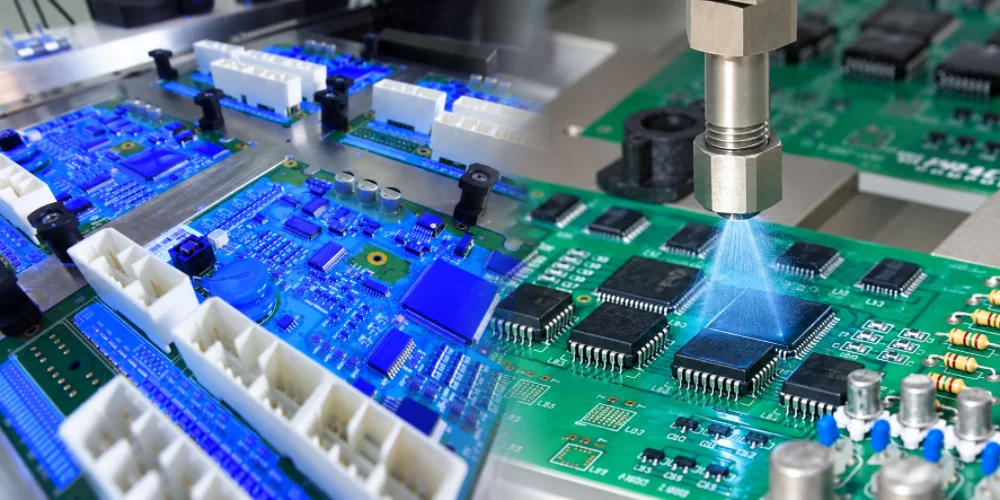
Coating Application, Curing and Production Repeatability
The approved application process must reproduce the coverage map, film properties and cure from lot to lot. Highleap lists a conformal paint spraying line among its PCBA equipment. For a prospective project, engineering review should confirm whether the chosen coating is compatible with that line and whether any special handling, masking or outsourcing is required.
A production sequence that protects workmanship
- Release the assembly: complete soldering, component inspection and required repair; identify the approved revision.
- Prepare the surface: carry out the agreed cleaning and drying process, with verification appropriate to risk.
- Mask the keep-outs: protect designated contacts, test pads, ports and mechanical interfaces.
- Apply the material: control the coating type, mixing or handling instructions, application pattern and process conditions.
- Dry or cure: follow the approved material data, component temperature limits and necessary exposure time.
- Inspect and release: check coverage, unacceptable bridging or pooling, keep-out cleanliness and required test results.
Spray coating, brushing, dipping and specialized deposition methods have different strengths and risks. A method named in general technical literature should not be mistaken for a verified capability of a specific factory. For instance, an automated or selective spray setup may be efficient for repeat PCBAs with well-defined keep-outs, but recessed areas and tall-component shadowing still require engineering evaluation. Application orientation, nozzle path and material flow can create thin or thick regions that are not obvious from a top-view image.
Cure is also material-specific: solvent evaporation, chemical reaction, moisture cure and UV exposure are not interchangeable. If the product requires temperature-sensitive connectors or a particular post-coat assembly sequence, the manufacturing plan must account for those constraints. Inadequate cure can affect handling and performance; unnecessary extra bake time can burden components or production schedules.
How Should a Conformal-Coated PCBA Be Inspected and Tested?
Coated PCBA acceptance should distinguish three questions: was the electronic assembly correct before coating, was coating applied acceptably, and does the board still function afterward? One final visual check cannot answer all three. The OEM should specify test coverage and reporting according to product risk.
| Control point | Evidence to request | Important limitation |
|---|---|---|
| Pre-coat assembly quality | Agreed AOI, X-ray, visual or electrical inspection records | Solder-joint acceptance does not prove coating quality |
| Surface condition | Documented cleaning/handling and any specified cleanliness checks | Visual cleanliness alone may miss harmful residues |
| Coverage and masking | Visual and, where material supports it, UV-aided inspection against coating map | UV fluorescence does not establish thickness or cure |
| Film thickness and cure | Approved thickness method/coupon and recorded material-specific cure controls | One flat-area reading cannot characterize every edge or component shadow |
| Post-coat operation | Specified power-up, interfaces or system-level checks | A pass at room temperature is not environmental qualification |
For boards containing firmware, power conversion or sensitive I/O, the agreed PCBA functional verification should account for coating keep-outs and fixture access. Testing may be completed before coating, after coating, or at both stages depending on product risk and process needs. If a connector is masked incorrectly, a final communications or mating check may expose a problem that coverage inspection alone did not catch.
Common rejectable conditions can include coating on prohibited contact areas, exposed conductors where coverage is mandatory, unacceptable bubbles or voids, adhesion defects, cracks, foreign material, incomplete cure and excessive pooling. Their disposition depends on the customer’s accepted workmanship criteria, coating formulation and specified critical areas. UV inspection is useful only when the selected product contains a suitable fluorescent tracer; it is not evidence that every protective coating is visible under UV light.
For higher-reliability programs, state the exact workmanship document and revision. IPC-A-610 acceptance guidance, material qualification under IPC-CC-830 and applicable end-product humidity, electrical or environmental tests play different roles. Do not use an unspecified claim of “IPC coating certification” as a substitute for measurable finished-assembly requirements.
From Coated PCBA Prototype to Repeat Production
A first coated board proves appearance at one point in time; a controlled pilot build helps prove whether the process can repeat. Coating changes an already assembled product, so first-article verification should check board orientation, fixture access, masking cycle, material handling, actual coverage around tall components, drying or cure and post-coat function. If an OEM expects future field rework, the selected material and repair procedure also need approval.
For low-volume PCBA pilot builds, define what must be learned before the next lot: whether masking can be repeatable, whether the coating spreads into forbidden areas, whether under-component coverage is sufficient and whether test contacts remain usable. A small batch can reveal coating-specific problems that a single sample might miss.
Once approved, repeat production should reference a controlled combination of PCB/BOM revision, coating material and supplier, coating drawing, mask instructions, cure recipe, acceptance limits and test procedure. Changes to connector vendor, flux process, coating formula or major component geometry should trigger impact review. The change may affect coverage or adhesion even when the electrical schematic has not changed.
For procurement teams sourcing assembled and coated boards together, a turnkey PCB assembly arrangement can connect bare-board fabrication, materials, soldering, coating and test under one approved build package. The purchasing agreement should still identify who approves engineering changes, provides qualification criteria and owns any special fixtures or masks.
Conformal Coating PCB Assembly Cost and RFQ Requirements
PCB assembly with conformal coating is usually quoted as an integrated manufacturing scope, not as a universal per-board spray surcharge. Cost drivers include coating chemistry and availability, board size, component height, one- or two-sided coverage, masking complexity, application and cure time, inspection requirements, lot quantity and required documentation. Rework or qualification testing may add separate engineering costs.
To obtain a meaningful coated-PCBA quotation, include the following with your RFQ:
- Board manufacturing data: Gerber/ODB++ or equivalent, layer stack-up, board dimensions, surface finish and fabrication drawing.
- Assembly data: BOM with approved part numbers, placement files, assembly drawings, polarity notes and volume forecast.
- Coating requirements: specified material or performance requirements; top/bottom coating map; no-coat zones; thickness/acceptance criteria; cure or material restrictions.
- Product conditions: temperature, humidity or condensation exposure, contaminants, intended service life and any requested qualification tests.
- Inspection and test: workmanship standard and revision, required sample or unit-level records, coating inspection method and pre/post-coat functional testing.
- Commercial release: prototype and production quantities, lot schedule, approved alternatives, packaging, labeling and revision-control expectations.
For example, two similarly sized controller boards may require very different coating operations. One may permit broad spraying with only connector masks. Another may have dense test access, unsealed optical parts, multiple thermal contact surfaces and a two-sided coating map with tight boundaries. A coating supplier cannot price those two builds responsibly from board dimensions alone.
Highleap can review a manufacturing package that combines SMT/THT assembly with a specified conformal-coating step. Submit your files and key acceptance requirements via our PCB assembly and conformal coating quote request; the engineering response can identify any missing masking, material or test details that must be resolved before production.
Frequently Asked Questions from OEM Buyers
Does Highleap offer PCB assembly and conformal coating from one supplier?
Yes. Highleap publicly lists PCB assembly, inspection, functional testing and a conformal paint spraying line. The specific coating chemistry, selective coverage, process sequence and acceptance tests must be confirmed for each assembly.
Should conformal coating be applied before or after functional testing?
There is no single required sequence for every product. Many programs inspect and test after soldering, apply the coating and complete selected checks after cure. The plan should reflect test-point access, expected faults and the cost of removing coating for repair.
Can you coat PCBAs with connectors, relays or test points?
Often yes, provided the assembly and coating process are compatible. Connector mating surfaces, unsealed mechanisms, contacts and critical test points may require masking or other protection. The approved coating drawing must identify the keep-outs.
Is a coating qualified to IPC-CC-830 enough to prove a PCBA is reliable?
No. IPC-CC-830 primarily concerns coating-material qualification and conformance. The finished assembly still requires the specified application process, workmanship inspection, product functional tests and any environmental qualification appropriate to its end use.
Can the same conformal coating protect electronics from rain, salt spray and solvent exposure?
Not automatically. The chemical and physical resistance of each coating is formulation-specific, and sealing, enclosure design and exposure duration matter. An OEM should provide the actual environment and relevant test criteria rather than assuming all protective coatings offer equal performance.
How can we reduce conformal coating cost without losing control?
Finalize coating boundaries early, reduce unnecessary masks through thoughtful component placement, approve a feasible material and inspection plan, and avoid late BOM or layout changes. Never relax a critical environmental requirement solely to reduce coating time without engineering approval.
Discuss a Coated PCBA Manufacturing Project with Highleap Electronics
For an actionable engineering review, send the current assembly files, coating/keep-out drawing, quantity forecast and required coating material or service environment. Highleap can assess the requested assembly and finishing scope and identify the requirements that need confirmation before quotation and production.
Manufacturing note: coating suitability, chemistry, thickness, selective application capability, inspection, environmental qualification, lead time and commercial terms remain specific to the approved project. Conformal coating is not a substitute for enclosure design, contamination control or system-level testing.

Recommended Posts
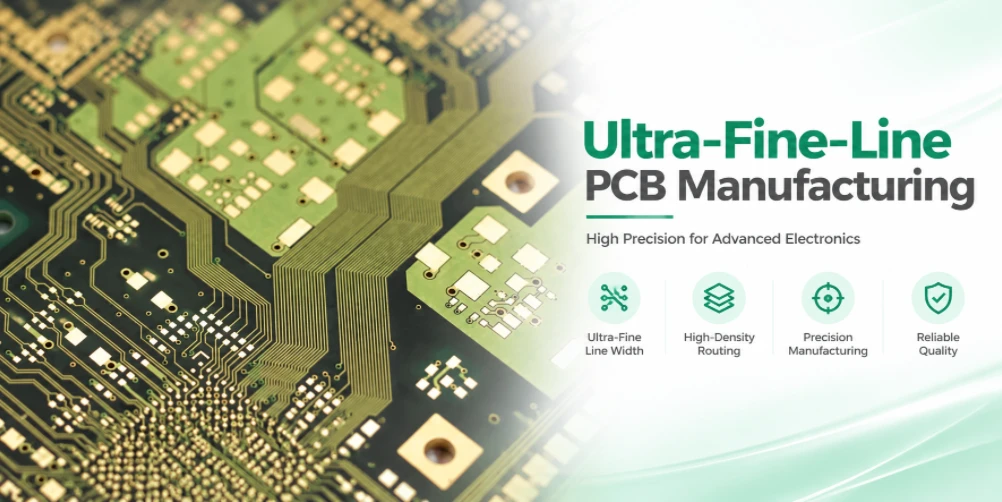
Ultra Fine Line PCB Manufacturing for High-Density Routing
How to get a quote for PCBs Let‘s run DFM/DFA analysis for...
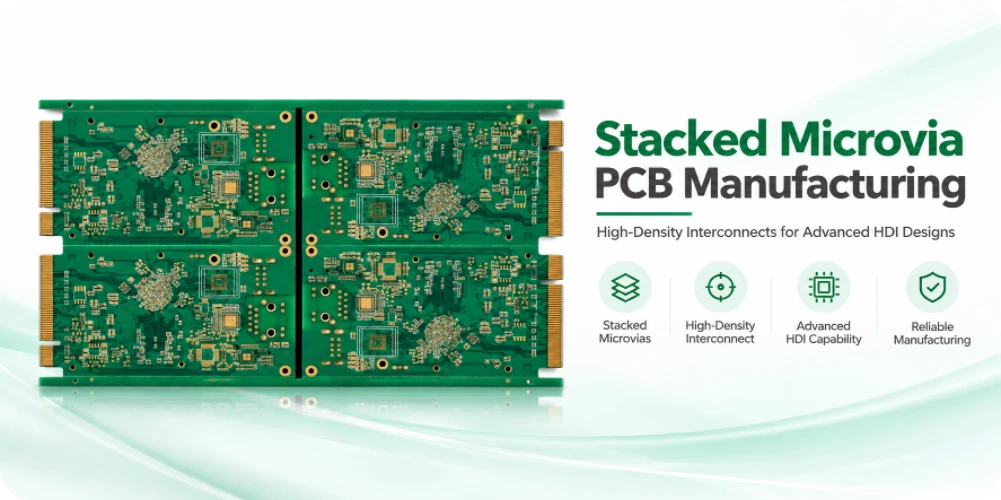
Stacked Microvia PCB Manufacturing
How to get a quote for PCBs Let‘s run DFM/DFA analysis for...
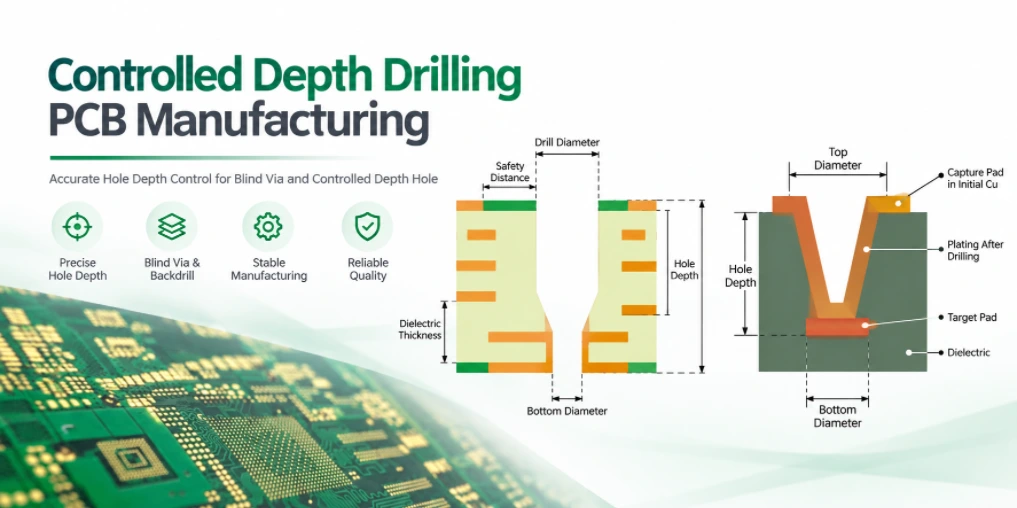
Controlled-Depth Drilling PCB Manufacturing
How to get a quote for PCBs Let‘s run DFM/DFA analysis for...
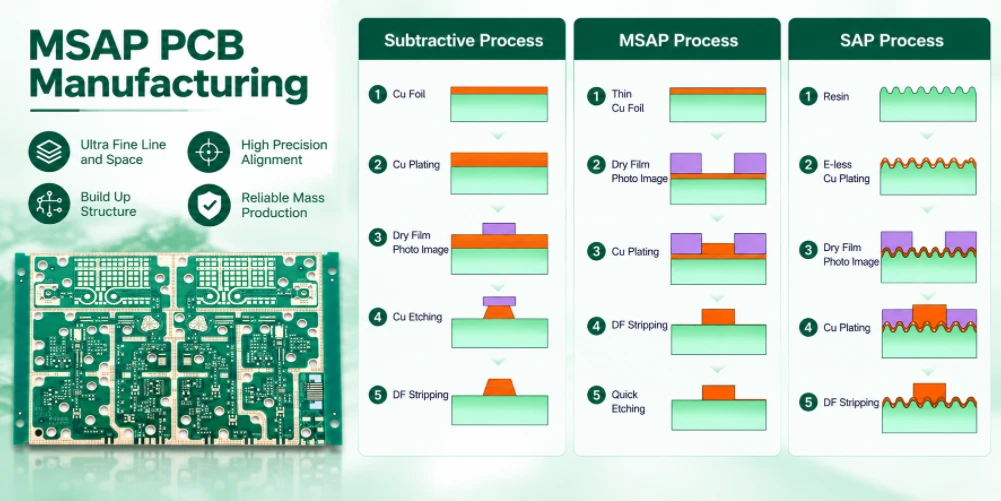
mSAP PCB Manufacturing for Fine-Line Circuitry
Highleap Electronics provides mSAP PCB manufacturing...
How to get a quote for PCBs
Let‘s run DFM/DFA analysis for you and get back to you with a report. You can upload your files securely through our website. We require the following information in order to give you a quote:
-
- Gerber, ODB++, or .pcb, spec.
- BOM list if you require assembly
- Quantity
- Turn time
In addition to PCB manufacturing, we offer a comprehensive range of electronic services, including PCB design, PCBA, and turnkey solutions. Whether you need help with prototyping, design verification, component sourcing, or mass production, we provide end-to-end support to ensure your project’s success.
For PCBA services, please provide your BOM (Bill of Materials) and any specific assembly instructions. We also offer DFM/DFA analysis to optimize your designs for manufacturability and assembly, ensuring a smooth production process.