
Top 9 Swedish Electronics Companies: Nordic Innovation in Global Markets

The Swedish electronics landscape emphasizes both consumer-facing technologies and sophisticated industrial applications, serving critical roles in global telecommunications infrastructure, automotive systems, industrial equipment, and energy solutions. Swedish companies have consistently demonstrated strength in research and development, often partnering with leading universities and leveraging government support for innovation.
This article examines prominent Swedish electronics companies that continue to influence technological development across multiple industries.
Major Swedish Electronics Companies in 2025
1. Ericsson — Global Telecommunications Technology Provider
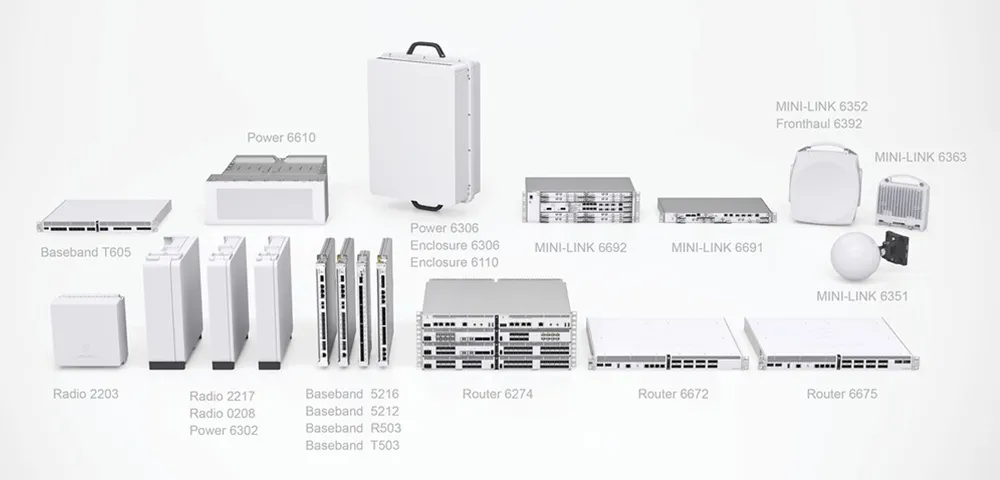
Ericsson’s core offerings include network equipment, software platforms, and managed services for telecommunications operators worldwide. The company’s 5G solutions and Cloud RAN technologies help operators improve network efficiency while supporting multiple spectrum bands and deployment scenarios. Their research facilities across Sweden contribute to advanced antenna technologies and network optimization algorithms.
2. Volvo Group — Commercial Vehicle and Automotive Electronics

Volvo Group’s electronics focus includes Advanced Driver Assistance Systems incorporating radar, camera, and lidar technologies for collision avoidance and automated driving. Their electric commercial vehicles utilize sophisticated battery management systems and energy recovery technologies. The company operates research facilities in Sweden developing connected vehicle technologies for fleet management and predictive maintenance.
3. Spotify — Digital Music Platform Technology

Headquartered in Stockholm, Spotify operates a major digital music streaming platform serving over 500 million users globally through advanced recommendation algorithms and audio processing technologies. The company’s technology infrastructure represents significant achievements in data analytics, machine learning, and distributed computing systems.
Spotify’s platform processes billions of data points daily using machine learning algorithms that analyze listening patterns and user preferences. The company’s engineering teams in Stockholm develop advanced audio technologies including spatial audio processing, real-time effects, and adaptive streaming quality optimization based on network conditions.
4. Sandvik — Industrial Technology and Engineering Solutions

Based in Sandviken, Sandvik operates as a global engineering technology company providing advanced materials, mining equipment, and manufacturing solutions. The company generates approximately $12 billion in annual revenue through cutting tools, mining equipment, materials technology, and digital manufacturing solutions.
Sandvik integrates electronics throughout their product portfolio, from automated mining equipment with GPS guidance and remote operation capabilities to precision manufacturing tools with embedded sensors. The company develops specialized alloys and ceramics for electronics manufacturing, including substrates for power electronics and high-temperature applications.fficiency and occupant comfort through automated lighting, climate control, and security integration. Niko supports both wireless and wired communication protocols, ensuring compatibility with major building automation platforms in commercial and institutional buildings.
5. Atlas Copco — Industrial Equipment and Automation Technology
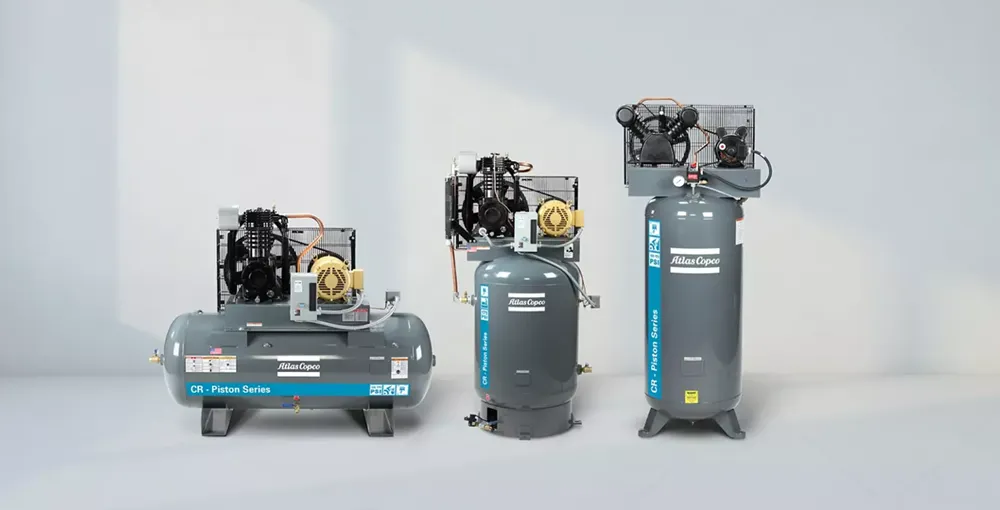
Atlas Copco’s electronics development focuses on energy-efficient motor control systems and predictive maintenance technologies. Their Variable Speed Drive technology optimizes compressor performance, while IoT-enabled equipment provides real-time monitoring and remote diagnostics. The company’s assembly tools incorporate torque sensors and quality control electronics for automotive and electronics manufacturing applications.
6. Electrolux — Home Appliance Electronics and Smart Home Technology

Electrolux’s electronics development emphasizes smart home connectivity and energy efficiency. Their ConnectLife platform enables remote appliance control through smartphone applications, while machine learning algorithms optimize performance based on usage patterns. The company’s appliances incorporate load sensing, water quality monitoring, and automated control systems.
7. Tetra Pak — Food Processing and Packaging Technology
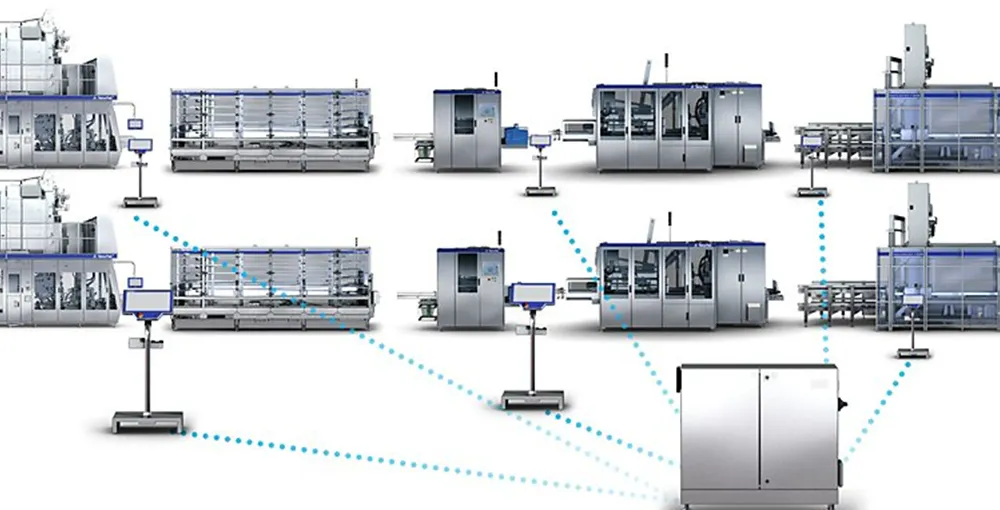
Headquartered in Lund, Tetra Pak develops food processing and packaging equipment with sophisticated control systems and automation technology. The company provides aseptic packaging systems, food processing equipment, and distribution solutions for dairy, beverage, and food processing industries globally.
Tetra Pak’s electronics integration includes precision filling systems and automated production line control. Their aseptic packaging technology utilizes electronic sensors to maintain sterile conditions during high-speed operations. The company’s Connected Services platforms provide remote monitoring and predictive maintenance for food processing facilities.
8. Vattenfall — Energy Systems and Smart Grid Technology

Based in Stockholm, Vattenfall operates as a major European energy company providing electricity generation, distribution, and energy services. The company focuses on renewable energy operations, district heating systems, and energy storage solutions with substantial investment in smart grid technologies.
Vattenfall’s electronics development emphasizes grid integration of renewable energy sources and energy storage systems. Their wind and solar installations utilize advanced power electronics for grid connection optimization. The company’s digital energy services include smart home energy management and electric vehicle charging infrastructure.
9. Scania — Commercial Vehicle Electronics and Autonomous Driving Technology

Headquartered in Södertälje, Scania develops commercial vehicles with advanced electronics systems for transportation efficiency and connectivity. The company generates approximately $16 billion in annual revenue through truck and bus manufacturing with significant investment in autonomous driving and electric powertrains.
Scania’s electronics development emphasizes driver assistance systems and fleet management connectivity. The company’s autonomous driving research includes sensor fusion technologies combining cameras, radar, and lidar. Their connected services platform provides real-time vehicle monitoring and predictive maintenance scheduling.
Key Characteristics of Swedish Electronics Innovation
Swedish electronics companies demonstrate several distinctive approaches that contribute to their global competitiveness:
Research and Development Excellence
Swedish companies typically maintain strong research and development programs, often collaborating with institutions like KTH Royal Institute of Technology and Chalmers University of Technology. This academic-industry partnership enables continuous innovation in areas such as wireless communications, automotive electronics, and industrial automation.
Sustainability Focus
Environmental considerations influence Swedish electronics development, with companies prioritizing energy efficiency, circular economy principles, and sustainable manufacturing processes. This focus has led to innovations in renewable energy integration, electric vehicle systems, and energy-efficient industrial equipment.
Global Market Orientation
Swedish electronics companies generally develop products for international markets from their early stages, benefiting from Sweden’s trade relationships and regulatory alignment with European and global standards. This international perspective helps Swedish companies compete effectively in diverse markets while maintaining their research and development bases in Sweden.
Industrial Application Specialization
Many Swedish electronics companies focus on industrial applications requiring high reliability, long service life, and regulatory compliance. This specialization enables Swedish companies to serve demanding applications in telecommunications infrastructure, commercial transportation, and industrial automation where performance requirements justify premium pricing.
The Foundation of Swedish Electronics: Advanced PCB Manufacturing
Swedish electronics companies across telecommunications, automotive, industrial automation, and energy sectors rely on sophisticated printed circuit boards to transform innovative designs into reliable products. Whether developing 5G base stations, autonomous vehicle control systems, industrial IoT sensors, or smart grid equipment, these applications demand PCBs that meet stringent performance, reliability, and regulatory requirements.
For Swedish electronics companies and their global partners, access to advanced PCB manufacturing and assembly services directly impacts product development timelines, performance consistency, and market competitiveness. This includes everything from initial prototype development through high-volume production, where manufacturing quality can determine product success in demanding applications.
Highleap Electronics: PCB Manufacturing and Assembly Partner for Advanced Applications
Highleap Electronics provides comprehensive PCB manufacturing and assembly services supporting electronics companies developing advanced technology products. With extensive experience in both prototype and production volumes, we help customers build reliable products for telecommunications, automotive, industrial, and energy applications.
Our comprehensive capabilities include:
- Single-layer through complex multilayer PCBs up to 50+ layers
- HDI technology, embedded components, and rigid-flex designs
- Specialized materials for high-frequency, thermal management, and harsh environment applications
- Advanced SMT processing with 01005 component placement capability
- BGA, μBGA, and fine-pitch component expertise
- Through-hole and mixed-technology assembly
3. Quality Assurance Systems
- ISO9001, ISO13485, ISO14001, and IATF16949 certified operations
- Comprehensive testing including AOI, X-ray, ICT, and functional validation
- Traceability systems supporting regulatory compliance requirements
4. Engineering Support Services
- DFM optimization for manufacturing efficiency
- Signal integrity and thermal management consulting
- Material selection guidance for specific application requirements
5. Flexible Production Solutions
- Quick-turn prototyping for development projects
- Scalable production from pilot runs to high-volume manufacturing
- Global logistics and supply chain management
For electronics companies developing advanced technology products requiring reliable PCB solutions, we provide the manufacturing expertise and quality systems necessary for success in demanding applications. Contact Highleap Electronics to discuss your project requirements and manufacturing needs.

Recommended Posts
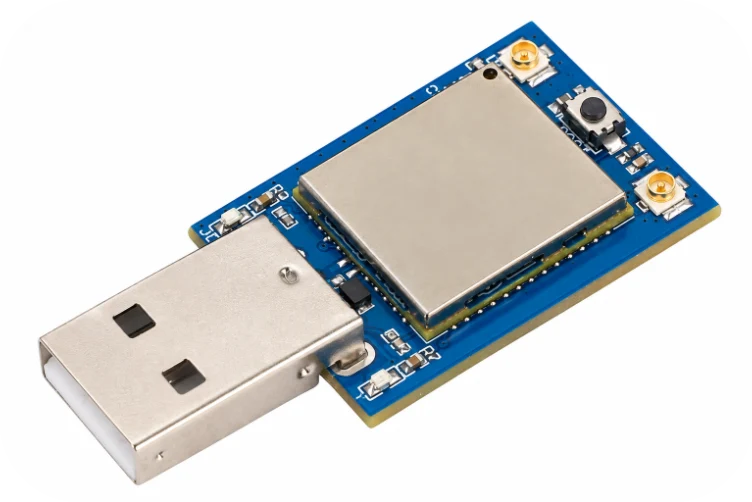
USB Modem PCB Manufacturing & PCBA for LTE/5G Dongles and Data Adapters
USB Modem PCB fabrication and assembly involves a compact...
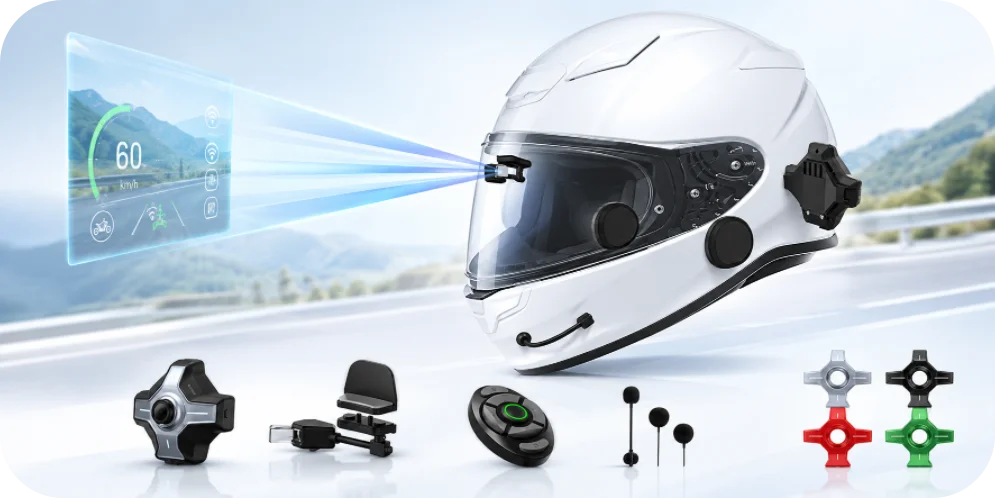
Custom Smart Motorcycle Helmet PCB for Connected Riding
A smart motorcycle helmet may combine an intercom,...
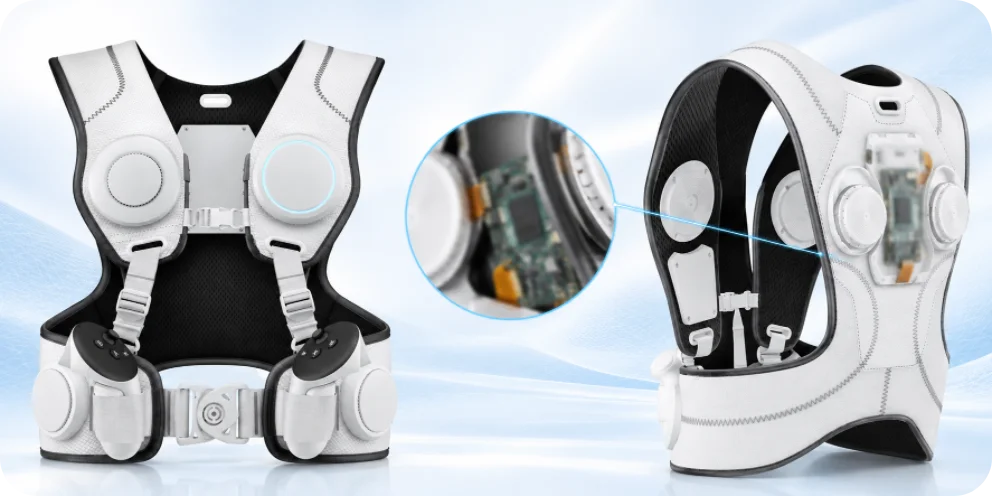
Wearable Haptic Vest PCB Manufacturing & Assembly for Multi-Zone Haptic OEMs
In a wearable haptic vest, the wearer notices the...
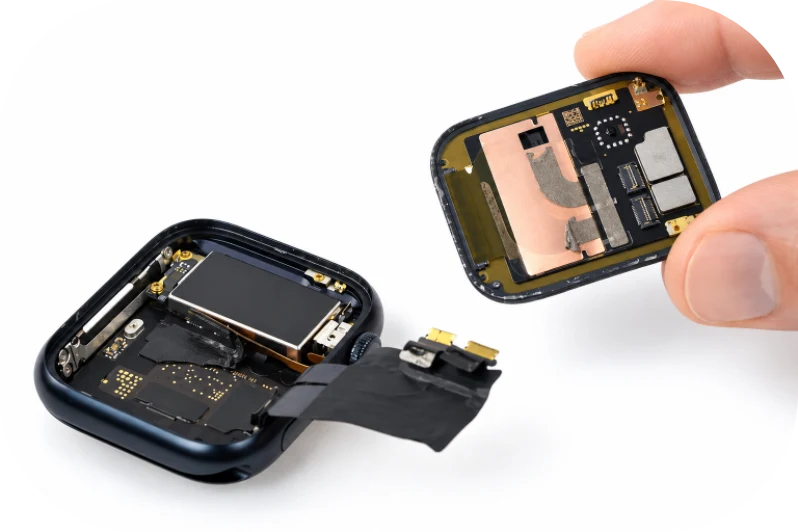
Wearable Temperature Logger PCB Manufacturing & Assembly for BLE Sensor OEMs
A wearable temperature logger PCB is the electronic board...
How to get a quote for PCBs
Let‘s run DFM/DFA analysis for you and get back to you with a report. You can upload your files securely through our website. We require the following information in order to give you a quote:
-
- Gerber, ODB++, or .pcb, spec.
- BOM list if you require assembly
- Quantity
- Turn time
In addition to PCB manufacturing, we offer a comprehensive range of electronic services, including PCB design, PCBA, and turnkey solutions. Whether you need help with prototyping, design verification, component sourcing, or mass production, we provide end-to-end support to ensure your project’s success.
For PCBA services, please provide your BOM (Bill of Materials) and any specific assembly instructions. We also offer DFM/DFA analysis to optimize your designs for manufacturability and assembly, ensuring a smooth production process.