
Isola Astra MT77 PCB Material for 77GHz Radar

In the rapidly evolving landscape of Advanced Driver Assistance Systems (ADAS) and autonomous driving, 77GHz millimeter-wave (mmWave) radar is the definitive sensor for adaptive cruise control and collision avoidance. At these extreme frequencies, standard FR-4 and conventional microwave laminates suffer from catastrophic signal degradation.
Engineers require a substrate with ultra-low loss characteristics, exceptional phase stability, and automotive-grade thermomechanical robustness. Enter Isola Astra MT77.
While designing an ADAS module in simulation software is straightforward, transitioning that design to the factory floor requires deep manufacturing expertise. Working with a specialized China Isola Astra MT77 PCB manufacturer is critical because standard copper preparation methods will literally destroy a 77GHz signal. At Highleap Electronics, we have refined our chemical processes to specifically address the unique vulnerabilities of mmWave laminates.
Request an Isola Astra MT77 Fabrication Quote
Table of Contents
Why the Astra MT77 77GHz Radar Board Dominates ADAS
Automotive radar operates outdoors, subjecting the electronics to freezing winters, blazing summers, and extreme engine-bay heat. The radar’s antenna array relies on precise phase matching to determine the distance and velocity of surrounding vehicles.
An Astra MT77 77GHz radar board solves environmental instability by offering three core advantages:
- Near-Zero Phase Shift: A remarkably stable Thermal Coefficient of Dk (TCDk). From -40°C to +140°C, the Dk (3.00) remains practically flat, eliminating radar beam “squinting.”
- High Thermal Robustness: Unlike soft PTFE materials, this advanced thermoset resin boasts a Glass Transition Temperature (Tg) of 200°C.
- Mechanical Reliability: The Isola MT77 printed circuit board will not soften, delaminate, or suffer from plated through-hole (PTH) fractures during lead-free automotive assembly or prolonged heat exposure.
Deep Dive: The Skin Effect Paradox in Radar PCB Fabrication
While Astra MT77 is celebrated for being “FR-4 processable,” this is a dangerous oversimplification. It can be pressed like FR-4, but if an inexperienced Isola Astra MT77 low loss PCB factory treats the copper tracing like FR-4, the board will fail RF validation.
The 77GHz Bottleneck: Skin Depth vs. Copper Roughness
- The Physics (Skin Effect): At 77 GHz, the alternating current is pushed to the extreme outer surface of the trace. The skin depth is incredibly shallow—only 0.23 microns. The entire radar signal travels through this microscopic layer.
- The Manufacturing Paradox: In standard multilayer bare board fabrication, factories use a “Brown Oxide” micro-etch to intentionally roughen the copper. This creates “teeth” for the prepreg resin to grip, preventing delamination.
- The Failure Mode: If you micro-etch the smooth VLP (Very Low Profile) copper on a 77GHz board, the roughness easily exceeds 0.23 microns. The mmWave signal gets trapped bouncing inside these rough teeth, causing catastrophic insertion loss.
The Highleap Engineering Solution
To successfully execute custom Isola Astra MT77 radar PCB fabrication, our CAM engineers bypass aggressive micro-etching entirely. Instead, we utilize advanced silane-based adhesion promoters. This specific chemistry bonds the prepreg to the copper at a molecular level without physically degrading the smooth VLP surface profile, preserving maximum signal integrity.
DFM Guideline: Surface Finish Selection
For high-frequency automotive radar, we highly recommend specifying Immersion Silver or ENEPIG (Electroless Nickel Electroless Palladium Immersion Gold). Traditional HASL creates an uneven solder topography that severely disrupts 77GHz microwave signals. Immersion Silver offers the absolute lowest insertion loss, while ENEPIG provides excellent wire-bonding capabilities for bare-die RF transceivers.
Hybrid Stackups: Lowering Your Astra MT77 PCB Prototype Price
A modern ADAS radar module houses heavy digital signal processing (DSP) units, power management ICs, and CAN bus interfaces alongside the antenna. Using an expensive millimeter-wave laminate for the entire 8-layer board is a massive waste of your procurement budget.
To optimize your Isola Astra MT77 PCB fabrication quote, our engineering team routinely designs asymmetric hybrid stackups:
- Layers 1 & 2: Isola Astra MT77 material to carry the critical 77GHz microstrip routing.
- Internal Layers: Automotive-grade, high-Tg FR-4 (such as Isola 185HR or 370HR) for power and digital logic.
Because Astra MT77 is a thermoset resin (not PTFE), it shares compatible curing kinetics with standard FR-4. By applying specialized asymmetrical thermal ramp recipes, we press this hybrid board in a single lamination cycle. This mitigates the risk of the “potato-chip” warpage effect, drastically lowering your Isola Astra MT77 PCB prototype price while keeping the board perfectly flat.
Achieving Void-Free SMT for Your mmWave PCB
For safety-critical ADAS components, traceability and zero-defect soldering are mandatory. The smallest solder void underneath an RF transceiver IC can cause localized overheating, detuning the radar module entirely.
As a dedicated Astra MT77 automotive PCB supplier, Highleap Electronics eliminates the risks associated with third-party logistics. We transition your Isola Astra MT77 mmWave PCB seamlessly from our advanced high-frequency printed circuit board lines directly into our precision SMT assembly lines.
Whether you require rapid prototyping for a blind-spot monitoring sensor or long-term volume manufacturing, our team utilizes 3D X-Ray (AXI) and Automated Optical Inspection (AOI) to guarantee that every board meets the most stringent automotive performance standards. Explore our comprehensive PCB laminate material options or contact our CAM engineers today to review your ADAS stackup configuration.

Recommended Posts
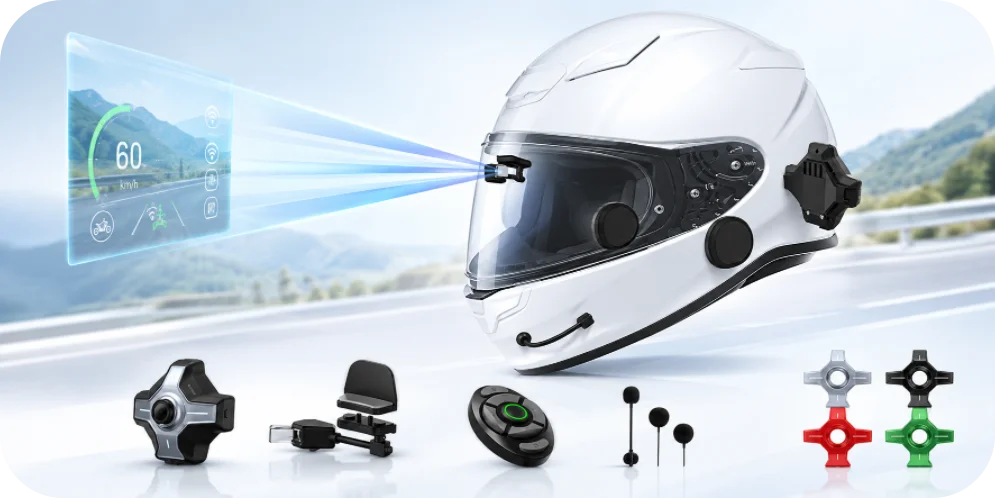
Custom Smart Motorcycle Helmet PCB for Connected Riding
A smart motorcycle helmet may combine an intercom,...
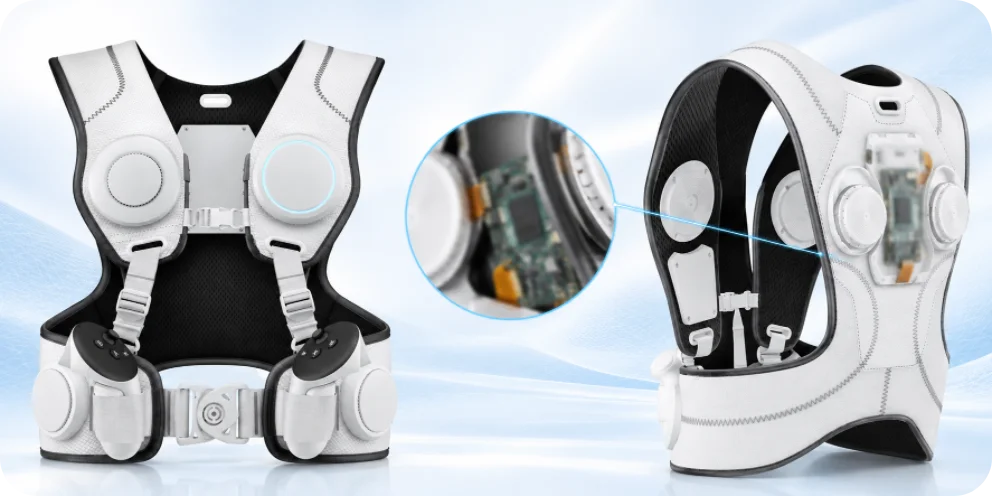
Wearable Haptic Vest PCB Manufacturing & Assembly for Multi-Zone Haptic OEMs
In a wearable haptic vest, the wearer notices the...
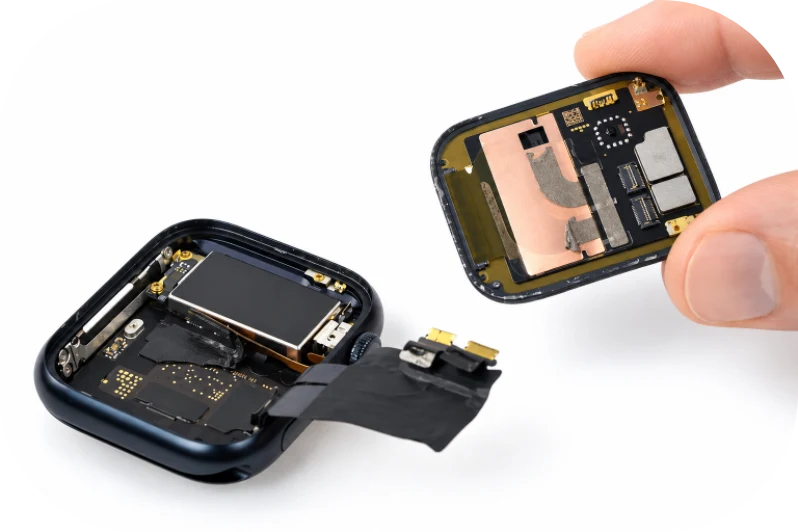
Wearable Temperature Logger PCB Manufacturing & Assembly for BLE Sensor OEMs
A wearable temperature logger PCB is the electronic board...
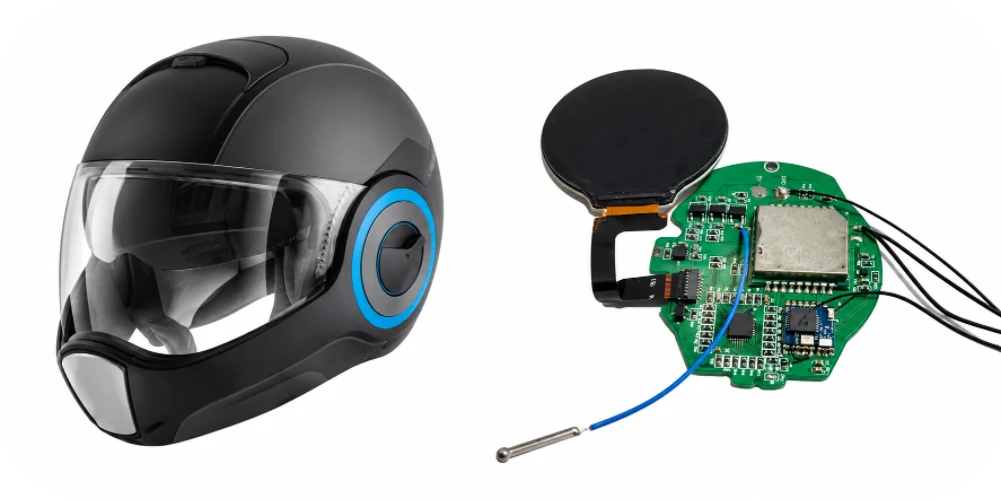
Connected Safety Helmet PCB Manufacturing & Assembly for Industrial IoT OEMs
A Connected Safety Helmet PCB is an industrial IoT...
How to get a quote for PCBs
Let us run DFM/DFA analysis for you and get back to you with a report.
You can upload your files securely through our website.
We require the following information in order to give you a quote:
-
- Gerber, ODB++, or .pcb, spec.
- BOM list if you require assembly
- Quantity
- Turn time