
Guide to Circuit Board Components by Highleap Electronic

In the rapidly evolving landscape of modern electronics, circuit board components play a pivotal role in the functionality and reliability of devices ranging from everyday smartphones to sophisticated aerospace systems. At Highleap Electronic, a leading PCB manufacturing and assembly factory, we understand the critical importance of each component on a PCB. This comprehensive guide delves into the intricacies of circuit board components, offering detailed insights to help you make informed decisions, ensuring your electronic products are both trustworthy and high-performing.
Understanding Circuit Board Components
What Are Circuit Board Components?
Circuit board components are the building blocks of electronic systems. These small yet powerful elements—ranging from resistors and capacitors to microprocessors and connectors—are meticulously placed on a PCB to create complex electronic circuits. The PCB serves as the foundation, providing the necessary electrical pathways that enable components to communicate and function cohesively.
At Highleap Electronic, we specialize in both PCB manufacturing and assembly, ensuring that each component is accurately positioned and securely soldered to create reliable and efficient electronic systems.
Categories of Circuit Board Components
Circuit board components can be broadly categorized into three types:
-
- Passive Components
- Active Components
- Electromechanical Components
1. Passive Components
Passive components do not require an external power source to operate. They manage and control electrical signals within the circuit without amplifying them.
- Resistors: Control the flow of electrical current, divide voltages, and adjust signal levels. They come in various types, including fixed, variable (potentiometers), and specialized forms like thermistors and varistors.
- Capacitors: Store and release electrical energy, filter signals, and stabilize voltage levels. Types include ceramic, electrolytic, tantalum, and film capacitors.
- Inductors: Store energy in a magnetic field and are primarily used in filtering applications and energy storage in power supplies.
- Transformers: Transfer electrical energy between circuits through electromagnetic induction, commonly used in power supplies and signal isolation.
- Fuses: Protect circuits by breaking the connection if the current exceeds a safe level, preventing damage to other components.
2. Active Components
Active components require an external power source to function and are capable of amplifying or switching electrical signals.
- Transistors: Act as switches or amplifiers in circuits, fundamental for digital electronics and signal processing.
- Diodes: Allow current to flow in one direction only, essential for rectification, signal modulation, and voltage regulation.
- Integrated Circuits (ICs): Miniaturized circuits containing multiple components like transistors, diodes, and resistors on a single chip, performing complex functions such as processing, memory storage, and signal amplification.
- Microprocessors: Serve as the brain of electronic devices, executing instructions and managing operations in computing systems.
3. Electromechanical Components
Electromechanical components combine electrical and mechanical processes to perform specific functions.
- Switches: Enable or disable the flow of electricity in a circuit, used for user inputs and control mechanisms.
- Relays: Electrically operated switches that allow control of high-power circuits with low-power signals.
- Connectors: Provide interfaces for electrical connections between different parts of a circuit or between different devices, ensuring secure and reliable communication.

Importance of Circuit Board Components
Circuit board components are indispensable for the seamless operation of electronic devices. Their importance can be highlighted through several key aspects:
Reliable Operation
Each component on a PCB performs a specific role, ensuring that the entire system operates smoothly and reliably. High-quality components reduce the risk of failures, enhancing the overall durability and performance of the device.
Efficient Use of Space
Modern electronic devices are becoming increasingly compact. High-density components and advanced PCB layouts allow for the efficient use of space, enabling the design of smaller, lighter, and more portable devices without compromising functionality.
Cost-Effectiveness
Standardized components and mass production techniques lower manufacturing costs. By sourcing reliable and affordable components, manufacturers can produce high-quality electronics at competitive prices, making technology more accessible to consumers.
Flexibility and Innovation
The versatility of circuit board components allows for the customization and innovation necessary to develop new technologies. From consumer electronics to industrial applications, the ability to tailor components to specific needs drives technological advancement.
Quality Control
Stringent quality control measures ensure that each component meets specific performance and safety standards. This guarantees that electronic devices are safe to use and function as intended, fostering trust and satisfaction among users.
Selecting the Right Circuit Board Components
Choosing the appropriate components is crucial for the success of any electronic project. Here are the key factors to consider:
1. Electrical Specifications
- Resistance, Capacitance, and Inductance: Ensure that the components meet the required electrical values for your circuit design.
- Power Ratings: Select components that can handle the expected power levels without overheating or failing.
- Voltage Ratings: Ensure that the components can operate within the voltage range of your application to prevent breakdowns.
2. Physical Characteristics
- Size and Footprint: Match the component size with the PCB layout to optimize space utilization.
- Package Type: Choose the appropriate packaging (e.g., Surface Mount Technology (SMT) or Through-Hole Technology (THT)) based on assembly methods and design requirements.
3. Environmental Factors
- Temperature Range: Select components that can operate reliably within the expected temperature conditions.
- Humidity and Moisture Resistance: Ensure components are suitable for environments with varying humidity levels to prevent corrosion and degradation.
4. Reliability and Durability
- Manufacturer Reputation: Opt for components from reputable manufacturers known for quality and reliability.
- Lifecycle and Aging: Consider the longevity of components and their susceptibility to aging, especially for products with long service lives.
5. Cost Considerations
- Budget Constraints: Balance cost with quality to ensure that the components are affordable without compromising performance.
- Availability: Ensure that components are readily available to avoid delays in production due to supply chain issues.
6. Compliance and Standards
- Regulatory Compliance: Ensure that components meet industry standards and regulatory requirements for safety and performance.
- RoHS and REACH Compliance: Choose components that are free from hazardous substances and comply with environmental regulations.

Manufacturing and Testing of PCB Components
At Highleap Electronic, we adhere to stringent manufacturing and testing protocols to ensure the highest quality of PCB components.
Manufacturing Process
- Design and Layout: Utilizing advanced CAD software, our engineers design the PCB layout, ensuring optimal component placement and efficient electrical pathways.
- Material Selection: We use high-quality substrates and conductive materials to ensure durability and performance.
- Component Placement: Automated machines precisely place components on the PCB, ensuring accuracy and consistency.
- Soldering: We employ state-of-the-art soldering techniques, such as reflow soldering for SMT components and wave soldering for THT components, to secure components reliably.
- Inspection and Quality Control: Rigorous inspections, including Automated Optical Inspection (AOI) and X-ray testing, identify and rectify any defects or inconsistencies.
Testing Procedures
- Functional Testing: Verifies that each component and the overall circuit perform their intended functions correctly.
- Environmental Testing: Assesses the PCB’s performance under various environmental conditions, such as temperature fluctuations and humidity.
- Electrical Testing: Ensures that all electrical parameters meet the specified requirements, preventing issues like short circuits and signal interference.
- Reliability Testing: Evaluates the PCB’s durability over time, simulating real-world usage to identify potential failure points.
Preventing Aging and Ensuring Longevity of PCB Components
Over time, PCB components can degrade due to various factors, impacting the reliability and performance of electronic devices. Highleap Electronic implements several strategies to mitigate aging and extend the lifespan of PCB components.
Strategies to Prevent Aging
- High-Quality Materials: Utilizing premium substrates and conductive materials reduces the likelihood of degradation and ensures long-term reliability.
- Optimal Component Placement: Proper placement minimizes stress and heat accumulation, preventing premature failure of components.
- Advanced Soldering Techniques: Employing precise soldering methods reduces the risk of thermal damage and ensures robust connections.
- Environmental Protection: Applying conformal coatings and using protective enclosures shields components from moisture, dust, and corrosive elements.
- Regular Maintenance and Testing: Periodic inspections and testing identify potential issues early, allowing for timely interventions to prevent failures.
Why Partner with Highleap Electronic for Component Procurement and Circuit Assembly?
At Highleap Electronic, we excel in sourcing high-quality components essential for reliable PCB manufacturing. Our strategic partnerships with trusted global suppliers ensure that we procure the latest and most dependable electronic parts, from resistors and capacitors to advanced microprocessors and connectors. This meticulous component procurement process guarantees that every PCB we produce meets stringent industry standards, providing your electronic projects with the foundation they need for optimal performance and longevity.
Our expertise extends beyond component sourcing to precise circuit assembly, where we utilize state-of-the-art technologies such as Surface Mount Technology (SMT) and Through-Hole Technology (THT). Our highly skilled technicians employ advanced automated machinery to ensure accurate placement and soldering of each component, minimizing errors and enhancing the overall reliability of your PCBs. Whether you’re working on high-density interconnects for compact devices or robust assemblies for industrial applications, Highleap Electronic delivers flawless circuit assembly tailored to your specific requirements.
Choosing Highleap Electronic means benefiting from our commitment to quality, efficiency, and customer satisfaction. We offer customized assembly solutions that cater to unique project needs, ensuring flexibility and scalability for both small prototypes and large-scale productions. Our comprehensive quality assurance protocols, including rigorous testing and inspection processes, ensure that every PCB we assemble performs flawlessly in real-world conditions. Additionally, our dedicated customer support team provides ongoing assistance, from design optimization to post-assembly troubleshooting, making Highleap Electronic your trusted partner in achieving excellence in every electronic endeavor.
Conclusion
Circuit board components are the backbone of modern electronics, enabling the creation of reliable, efficient, and innovative devices. At Highleap Electronic, we are committed to providing high-quality PCB fabrication and PCB assembly services, ensuring that each component is meticulously selected and expertly integrated to meet the highest standards of performance and reliability.
By understanding the critical role of each component and staying abreast of emerging trends, we empower our clients to develop cutting-edge electronic products that stand out in the competitive market. Trust Highleap Electronic to be your partner in achieving excellence in every electronic project, driving technological advancement and fostering lasting success.
For more information on how Highleap Electronic can support your PCB manufacturing and assembly needs, contact us today and take the first step towards superior electronic solutions.
Get a Free PCB & PCBA Quote
Recommended Posts
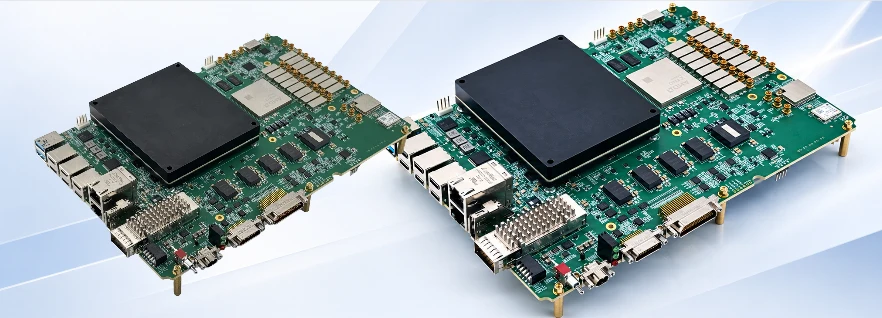
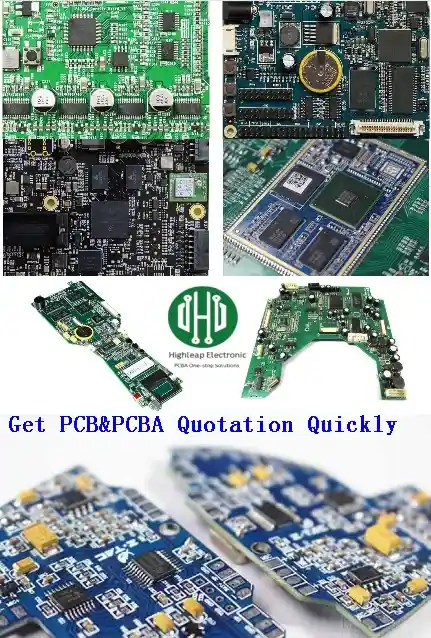
High-Speed RFSoC PCB Manufacturing and Assembly: Key Engineering Considerations
How to get a quote for PCBs Let's run DFM/DFA analysis for...
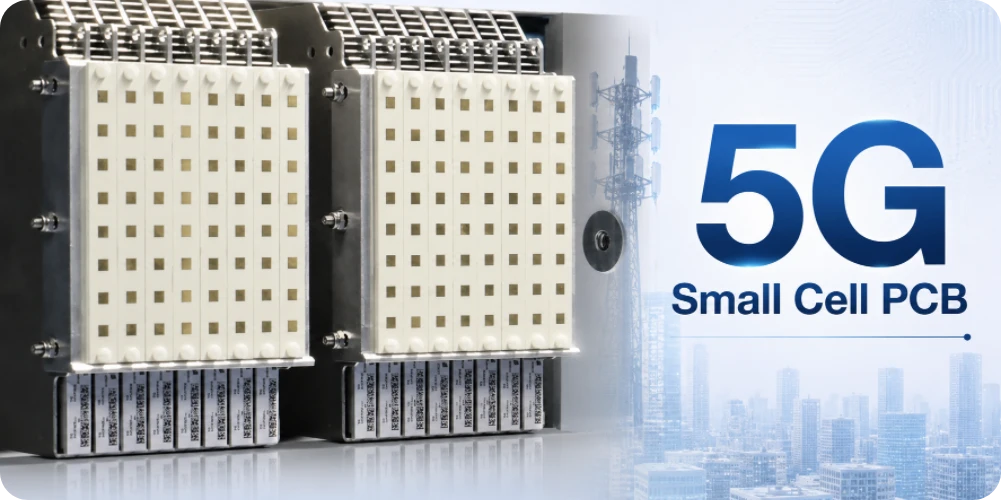
5G Small Cell PCB Manufacturing for RF and Telecom Infrastructure
Table of Contents 5G Small Cell PCB Requirements Depend on...
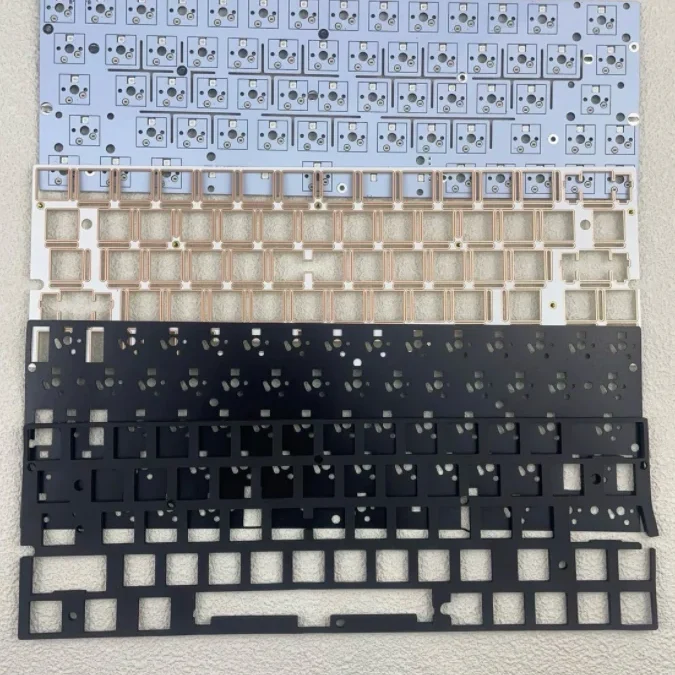
Custom 65% Keyboard PCB and PCBA Manufacturing
Table of contents 1. From Design Files to Production-Ready...
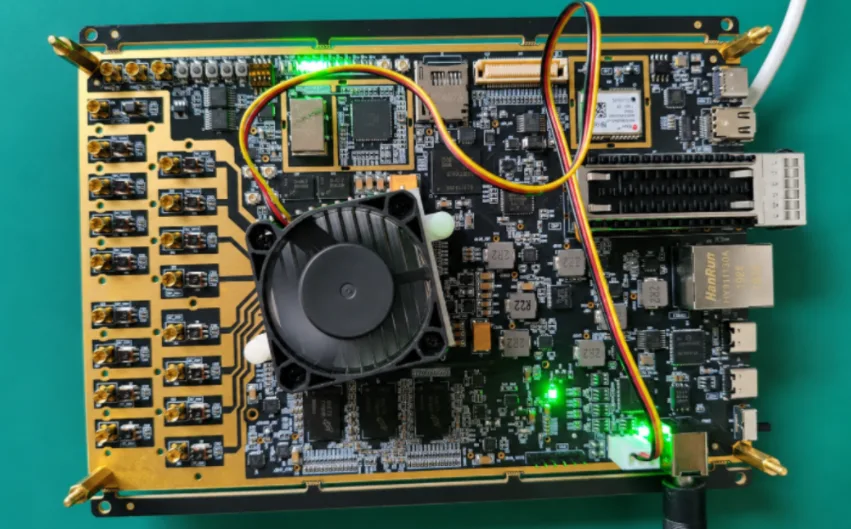
RFSoC Board PCB Manufacturing and Assembly One-Stop Service
Table of contentsReference RFSOC Board Project: 115 × 175...
How to get a quote for PCBs
Let us run DFM/DFA analysis for you and get back to you with a report.
You can upload your files securely through our website.
We require the following information in order to give you a quote:
-
- Gerber, ODB++, or .pcb, spec.
- BOM list if you require assembly
- Quantity
- Turn time
In addition to PCB manufacturing, we offer a comprehensive range of electronic services, including PCB design, PCBA (Printed Circuit Board Assembly), and turnkey solutions. Whether you need help with prototyping, design verification, component sourcing, or mass production, we provide end-to-end support to ensure your project’s success. For PCBA services, please provide your BOM (Bill of Materials) and any specific assembly instructions. We also offer DFM/DFA analysis to optimize your designs for manufacturability and assembly, ensuring a smooth production process.