
How to Choose the Best PCB Layout Services Partner?

More than just placing components, it’s a precise engineering process that shapes your product’s performance, reliability, and manufacturability.
At Highleap Electronics, a PCB manufacturing and assembly factory, we know that choosing the right PCB layout services partner is key to project success. This guide highlights the core factors you should consider when making that decision.
Why the Right PCB Layout Services Partner Matters
Choosing the right PCB layout services provider goes far beyond completing a design—it directly affects your product’s performance, cost, and speed to market.
By entrusting the layout to professionals, your team can stay focused on core innovation instead of navigating complex PCB layout rules and design constraints.
Key Questions to Ask When Choosing a PCB Layout Services Partner
1. Do They Have Relevant Project Experience?
Before choosing a provider, take a close look at their background and track record. Do they have experience with projects similar to yours—especially in specialized areas like medical device PCB layout or automotive PCB layout?
Evaluate their engineering team. Do they offer skilled PCB layout engineers with experience in complex solutions such as HDI layouts or multi-layer designs? A provider with senior engineers on board can often identify and resolve potential issues early, reducing risk and ensuring a smoother development process.
2. What Design Tools and Technologies Do They Utilize?
The efficacy of PCB layout services is heavily reliant on the tools employed. Inquire about their suite of PCB layout tools—this directly affects design accuracy, collaboration, and manufacturing compatibility. Are they proficient in industry-leading software like Altium Designer, Cadence Allegro, or KiCad?
Each tool has its strengths. For instance, Altium Designer is widely used for high-speed and multi-layer PCB designs due to its intuitive interface and powerful rule-checking engine.
Cadence Allegro is preferred for complex, enterprise-grade projects requiring advanced signal integrity analysis and constraint management.
KiCad, while open-source, is increasingly capable for smaller-scale or budget-sensitive applications.
A provider’s ability to leverage the right software for your project type ensures smoother data handoff to manufacturers, better DFM (Design for Manufacturability), and fewer revisions. It’s also worth checking whether they can work with your preferred design files or collaborate across platforms if your internal team uses a different toolset.
3. What is Their Quality Assurance and Review Process?
Quality should never be an afterthought. A reliable PCB layout services provider will have a well-defined quality assurance process in place from the very beginning.
Look for providers that strictly follow IPC-compliant PCB layout standards, ensuring that every design meets industry benchmarks. A strong QA process should also include detailed Design for Manufacturability (DFM) and Design for Assembly (DFA) checks to minimize production risks.
In addition, ask whether they conduct internal peer reviews. These reviews help catch issues early and ensure that all PCB layout guidelines and best practices are consistently followed. This is especially critical in high-performance projects involving signal integrity or power integrity PCB layout services, where even small oversights can lead to major functional problems later.

4. How Do They Handle Communication and Project Management?
Good communication is essential for keeping a PCB layout project on track. Before committing, ask how the provider manages communication and coordination throughout the project.
Do they assign a dedicated point of contact who understands your project details and can respond promptly to questions or changes? This can greatly reduce delays and miscommunication.
If you’re working with an online PCB layout service or a remote team, find out what tools they use to collaborate—such as email, instant messaging apps, video calls, or project management platforms like Trello or Asana. Also ask how often you’ll receive progress updates, and whether they provide design review checkpoints along the way.
A clear communication plan helps you stay informed, provide timely feedback, and avoid last-minute surprises.
5. What is Their Pricing Structure and What’s Included?
Understanding the PCB layout services cost is crucial for budgeting. Request a detailed breakdown of their pcb layout service pricing. Is it fixed-fee, hourly, or based on complexity?
Be wary of overly complex or opaque pricing models. A transparent provider will clearly outline what’s included in their service, ensuring there are no hidden costs. Remember, the cheapest option isn’t always the most cost-effective in the long run if it leads to delays or design flaws.
6. Do They Have a Track Record of Similar Projects?
A provider’s past work is one of the best ways to gauge their capabilities. Ask if they can share case studies or project examples relevant to your industry or technical needs—such as multi-layer designs, high-speed layouts, or specific compliance requirements.
You can also look for client testimonials, online reviews, or portfolio highlights on their website or third-party platforms. These can offer useful insights into their technical strengths, project management style, and overall reliability—without the need for direct contact with past clients.
Taking time to review their track record helps you make a more informed decision with greater confidence.
7. What Kind of Post-Layout Support Do They Offer?
The design phase doesn’t stop at file delivery. A reliable PCB layout services partner provides support throughout prototyping and manufacturing. Ask about their post-layout services—such as design revisions, troubleshooting, and consultation during fabrication and assembly.
At Highleap Electronics, we highly value this ongoing collaboration, as it helps ensure a smooth transition from design to finished product and reduces potential issues along the way.
Red Flags to Watch Out For
When looking for competitive PCB layout services pricing, be wary of offers that seem too good to be true. Extremely low prices may signal limited experience, outdated design tools, or shortcuts in quality assurance.
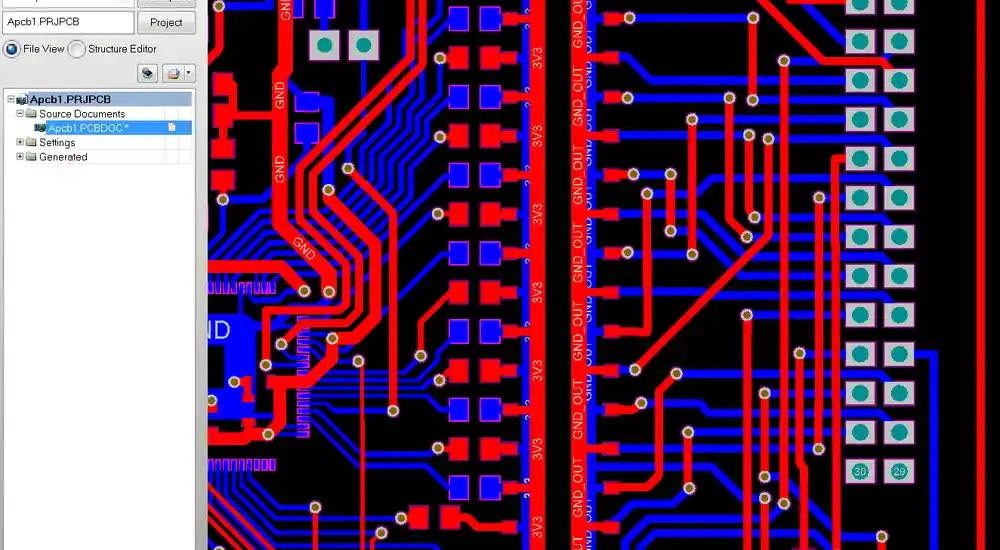
Conclusion: Investing in Your Product’s Future
Choosing the right PCB layout services partner is a crucial decision that affects your product’s performance, cost efficiency, and success in the market. By asking the right questions and doing thorough research, you can find a provider who not only delivers precise PCB layouts but also acts as a trusted extension of your design team.
Ready to take the next step? Contact Highleap Electronics today for a professional consultation and see how our experience can speed up your product’s journey to market.
FAQ
Q1: What key factors should I evaluate when selecting a PCB layout services provider?
Choose a partner with proven experience in projects similar to yours—especially complex designs like HDI PCB layouts. Ensure they are proficient with industry-standard tools such as Altium Designer and Cadence Allegro, and follow a strong quality assurance process compliant with IPC standards. Additionally, effective communication, transparent pricing, and dependable post-layout support are essential for a successful collaboration.
Q2: How do I ensure the PCB layout services will deliver a high-quality, manufacturable design?
A top-tier provider prioritizes strict adherence to PCB layout guidelines and industry best practices. This includes thorough Design for Manufacturability (DFM) and Design for Assembly (DFA) checks to ensure the design can be efficiently produced and assembled. They should also have a strong quality assurance process, such as internal peer reviews, and demonstrate expertise in critical areas like signal integrity and power integrity to prevent functional issues.
Q3: What kind of support should I expect after the initial PCB layout design is delivered?
A comprehensive PCB layout services partner offers ongoing support beyond file delivery. This typically includes assistance during the prototyping and manufacturing phases, handling design revisions, troubleshooting any issues that arise, and providing consultation during fabrication and assembly. This ensures a seamless transition from design to physical product.

Recommended Posts

PCB Current Calculator: Sizing Trace Width and Vias with the IPC-2221 Formula
Figure 1. Pcb Current Calculator reference image for PCB...
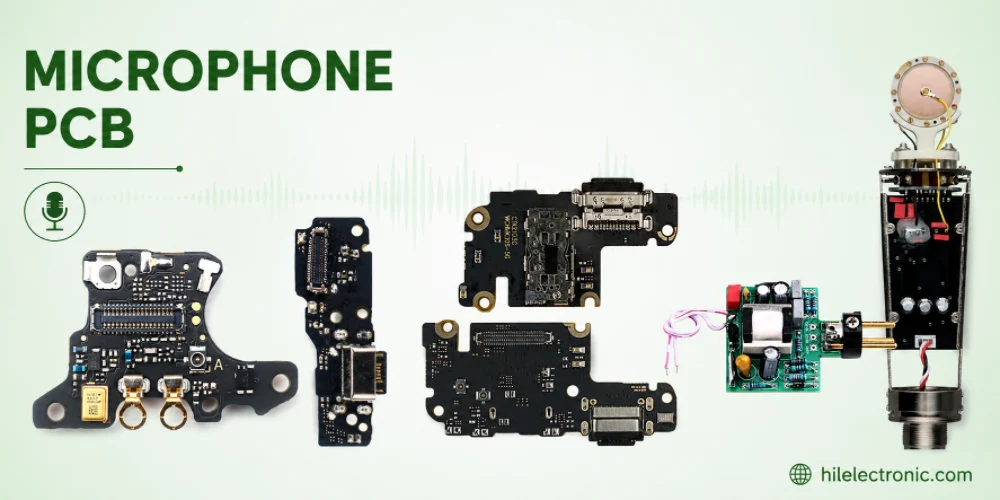
Microphone PCB Design: How the Board Itself Shapes Your Audio Quality
Figure 1. Microphone Pcb reference image for PCB...

Board-to-Board Connector: Types, Specifications, and How to Select One
Figure 1. Board To Board Connector reference image for PCB...

PCB Trace Width Calculator: How to Size Traces for Current, Voltage Drop, and Impedance
Figure 1. A PCB trace width calculator is a starting point...
How to get a quote for PCBs
Let‘s run DFM/DFA analysis for you and get back to you with a report. You can upload your files securely through our website. We require the following information in order to give you a quote:
-
- Gerber, ODB++, or .pcb, spec.
- BOM list if you require assembly
- Quantity
- Turn time
In addition to PCB manufacturing, we offer a comprehensive range of electronic services, including PCB design, PCBA, and turnkey solutions. Whether you need help with prototyping, design verification, component sourcing, or mass production, we provide end-to-end support to ensure your project’s success.
For PCBA services, please provide your BOM (Bill of Materials) and any specific assembly instructions. We also offer DFM/DFA analysis to optimize your designs for manufacturability and assembly, ensuring a smooth production process.