
Why Choose Highleap Electronic for Your RF Circuit Manufacturing Needs

RF circuit manufacturing is an essential part of creating high-frequency applications, which are the backbone of modern communication systems, radar, and satellite technology. At Highleap Electronic, we specialize in RF PCB manufacturing and assembly, providing custom solutions for the unique demands of RF circuits. This guide will delve into the process of RF circuit manufacturing, including design considerations, material selection, and how to address the challenges faced in high-frequency applications.
Mastering RF Circuit Manufacturing for High-Frequency Applications
RF circuit manufacturing involves creating PCBs designed to handle high-frequency signals across a variety of applications. These RF circuits are integral to systems such as mobile phones, wireless communication devices, radar, and many more. To ensure top-notch performance and maintain signal integrity, RF circuit boards require specialized design and material choices tailored to meet the high-frequency demands of these systems.
The design phase is crucial in RF circuit manufacturing. When dealing with high-frequency systems, factors like impedance control, signal integrity, and appropriate PCB materials need to be carefully considered. At Highleap Electronic, we employ cutting-edge PCB manufacturing techniques to produce reliable, low-loss RF circuits. Our precise assembly process ensures that critical components, like transceivers, antennas, and amplifiers, are positioned optimally to minimize interference and enhance performance.
At Highleap Electronic, we provide a comprehensive approach to RF circuit manufacturing, guiding you from the initial design phase to full-scale PCB assembly. We collaborate closely with our clients to create custom RF PCBs that meet specific performance and durability standards. Our PCB assembly services include everything from sourcing components to soldering and rigorous testing, ensuring each board meets the highest quality standards. Whether you’re looking for prototypes or mass production, we deliver high-performance RF circuit boards tailored to your unique needs.
Key Design Considerations for RF Circuit Manufacturing
Designing RF circuits is a complex task that demands careful attention to several critical factors, such as impedance control, material selection, and signal integrity. Here are some key design aspects to consider during RF circuit manufacturing:
1. Material Selection
Choosing the right materials is essential for ensuring the proper performance of RF circuit boards. Materials like specialty low-loss laminate laminates, PTFE, and ceramic-filled substrates are commonly used because they offer excellent dielectric properties and low signal loss at high frequencies. The dielectric constant (Dk) and loss tangent (Df) of the material directly affect the signal speed and efficiency, making material selection a crucial part of the design process.
2. Impedance Control
Impedance control is one of the most significant factors in RF circuit manufacturing. Most RF applications require a consistent impedance (usually 50 ohms) to ensure optimal signal transmission. During design, it is important to calculate trace widths and spacing with precision to maintain the desired impedance. Impedance calculators and simulation tools can help achieve the right configuration for RF PCB design.
3. Trace Layout and Routing
In RF circuit manufacturing, trace layout is vital to prevent signal degradation. Designers must ensure the width and spacing of traces are precisely controlled to maintain uniform impedance. Additionally, minimizing the use of vias is important, as they can introduce inductance and cause signal degradation. A well-designed ground plane helps manage EMI (electromagnetic interference) and ensures proper signal return paths.
RF Circuit Manufacturing and High-Frequency PCB Materials
When it comes to RF Circuit Manufacturing, selecting the right materials and maintaining precise manufacturing standards are crucial for ensuring signal integrity and performance. High-frequency circuit boards, which handle signals above 100 MHz, play a key role in applications like wireless communication, radar, and satellite systems. The performance of these RF circuits is directly influenced by the materials used and how well the manufacturing processes are executed.
High-frequency materials such as PTFE and non-PTFE substrates are the foundation of effective RF circuit design. Non-PTFE materials, which are typically harder and available in white or yellow hues, offer strength without requiring plasma treatment. On the other hand, PTFE-based materials, known for their softer texture and light gray color, demand specialized treatment to ensure proper adhesion and signal reliability. These materials form the backbone of high-performance RF PCBs, ensuring that high-frequency signals are transmitted effectively with minimal loss.
To maintain the performance of RF circuits, the design and manufacturing processes must be optimized for the specific needs of high-frequency applications. This is where the expertise of CAM engineers plays a vital role. By following strict guidelines for both material selection and PCB design, CAM engineers help ensure that the high-frequency PCBs are designed to meet the most demanding performance requirements. Below, we outline the Highleap Electronic’s CAM Engineering Guidelines for High-Frequency PCB Manufacturing, which contribute to the precision and reliability of our RF circuit boards.

Highleap Electronic’s CAM Engineering Guidelines for High-Frequency PCB Manufacturing
At Highleap Electronic, our CAM engineering team follows strict internal guidelines to ensure the high-quality production of high-frequency PCBs. The process begins with selecting the appropriate materials based on customer specifications. For high-frequency boards, we use both non-PTFE and PTFE substrates. Non-PTFE boards, typically white or yellow with a harder texture, do not require plasma treatment. In contrast, PTFE-based materials, which are soft and light gray in color, require plasma treatment after drilling. This plasma treatment ensures better bonding and signal integrity in high-frequency applications like wireless communication and radar systems.
When designing the solder mask for high-frequency PCBs, the design considerations differ based on the type of material. For non-PTFE boards, we design the solder mask with outline features, similar to standard FR-4 boards. If V-CUT designs are used, the window width for solder masks is adjusted to 20 mil, and if the distance to the conductor is less than 1.5 mil, we reduce the opening to 18 mil. For PTFE boards, we remove the solder mask outline design to prevent edge burrs, which can affect the board’s overall quality and performance. Additionally, we proactively consult with clients about potential design changes, ensuring that their specifications are met without compromising the integrity of the high-frequency PCB.
Panelization is also handled with precision at Highleap Electronic. For non-PTFE high-frequency boards, we use V-CUT or bridge connection methods to efficiently create the necessary paneling. However, PTFE boards cannot undergo V-CUT or bridge connection processing and are delivered as single panels. The maximum panel size for both non-PTFE and PTFE boards is 16 inches by 18 inches, ensuring the boards remain stable during the manufacturing process. By adhering to these guidelines, Highleap Electronic maintains its commitment to delivering reliable, high-performance RF PCBs tailored to our clients’ specific needs.
RF Circuit Assembly Process
Once the RF PCB is fabricated, the next critical step is the assembly process. This phase ensures that all components are correctly placed, soldered, and tested for optimal performance in high-frequency applications. The assembly process includes several key stages to guarantee that the final product meets the specified design requirements and quality standards.
1. BOM Confirmation and Component Selection
Before assembly begins, a thorough Bill of Materials (BOM) confirmation is required. This step involves verifying all components listed in the BOM and confirming their compatibility with the design. It’s crucial to ensure that the specified components are available and suitable for high-frequency performance. In some cases, components may need to be substituted due to supply chain constraints or changes in procurement policies. If any component substitutions are necessary, these need to be reviewed and approved by the customer’s design team to ensure the final assembly aligns with the intended performance and design specifications.
2. Component Selection
Following BOM confirmation, the components—including RF transceivers, amplifiers, filters, and antennas—are selected to meet the design requirements. These components must be compatible with the RF PCB’s high-frequency nature, ensuring they can handle the electrical and thermal demands of the application. The component selection process also ensures that all parts meet industry standards and specifications, contributing to the overall performance of the RF circuit.
3. First Board Confirmation
Before proceeding with full-scale assembly, a first board confirmation is conducted. During this stage, all components are placed on the PCB without soldering to ensure that the layout is correct, and all components fit as expected. This allows any potential issues, such as incorrect placements or alignment, to be identified and rectified before the full assembly process. Only after the first board has been confirmed and approved can the full assembly proceed.
4. Solder Paste Application
Once the first board is confirmed, the soldering process begins. Solder paste is applied to the PCB pads using a stencil. This step is essential for ensuring proper solder joints, which are critical for maintaining the integrity of electrical connections in high-frequency applications. The paste must be evenly distributed to avoid issues such as solder bridges or weak joints, which can negatively impact the PCB’s performance.
5. Pick and Place
In this phase, components are precisely placed onto the PCB using automated pick-and-place machines. Proper component orientation is especially crucial in RF circuit assembly. Even minor misalignments can significantly affect the performance of the circuit, causing signal degradation or interference. High precision is required to ensure that all components are placed exactly where they are needed.
6. Reflow Soldering
The next step is reflow soldering, where the solder paste is heated to its melting point, forming solid electrical connections between the components and the PCB. This process is carefully controlled to ensure that the components are securely attached without damaging sensitive RF parts. The reflow profile must be optimized to prevent overheating or insufficient soldering.
7. Testing and Inspection
After assembly, the RF PCB undergoes rigorous testing and inspection to verify that it meets the required functionality and performance standards. Tests include electrical continuity checks, impedance measurements, and RF performance testing using tools like spectrum analyzers and network analyzers. These tests ensure that the board is fully functional and performs optimally in high-frequency applications.
Why Choose Highleap Electronic for RF Circuit Manufacturing?
At Highleap Electronic, we offer expert RF circuit manufacturing and PCB assembly services, providing high-performance solutions for your RF applications. Here’s why you should choose us:
- Expertise in RF Design and Manufacturing: We specialize in designing and manufacturing RF PCBs that meet the rigorous performance requirements of high-frequency applications.
- High-Quality Materials: We use the best materials, such as specialty low-loss laminate and PTFE, to ensure that your RF circuit board meets the highest standards for signal integrity and low loss.
- Precision and Reliability: Our advanced manufacturing techniques ensure that each RF PCB is fabricated with precision and tested for reliable performance.
- Fast Turnaround: We understand the importance of meeting deadlines and offer fast, reliable service without compromising on quality.
Conclusion
RF circuit manufacturing is an essential process for ensuring the performance and reliability of high-frequency applications, from wireless communication systems to radar and satellite technologies. At Highleap Electronic, we specialize in providing high-quality RF PCB manufacturing and assembly services that ensure optimal signal integrity, minimal interference, and efficient power distribution.
Contact Highleap Electronic today to learn more about how we can support your RF circuit manufacturing needs and help bring your designs to life.
FAQ
1. What are the common challenges in RF circuit manufacturing?
RF circuit manufacturing faces challenges such as ensuring signal integrity, managing impedance, and selecting the right materials for high-frequency applications. These challenges require precise design and testing processes to guarantee optimal performance in systems like wireless communication and radar.
2. How does material selection impact RF circuit performance?
Material selection plays a crucial role in RF circuit performance. High-frequency materials like PTFE, specialty low-loss laminate, and ceramic-filled substrates are favored for their low signal loss and excellent dielectric properties, ensuring effective signal transmission and minimal interference in RF applications.
3. What is the role of impedance control in RF circuit manufacturing?
Impedance control ensures that RF signals are transmitted without distortion. Maintaining a consistent impedance is essential for preventing signal degradation, which could affect the performance of high-frequency systems like radar and wireless communication equipment.
4. How can hybrid laminates help reduce RF circuit manufacturing costs?
Hybrid laminates, which combine high-frequency materials like PTFE with lower-cost materials like FR4, provide a cost-effective solution for RF circuit manufacturing. By using high-performance materials only where necessary, manufacturers can reduce material costs while still ensuring the RF circuit meets performance requirements.
5. What are the cost benefits of using hybrid laminates in RF circuit manufacturing?
The use of hybrid laminates helps balance performance and cost. By incorporating both high-frequency materials and more affordable options, manufacturers can achieve high-quality performance without exceeding budget constraints, making hybrid laminates an efficient and economical choice for RF circuits.
6. What is the process of RF circuit assembly after PCB fabrication?
After PCB fabrication, RF circuit assembly begins with BOM confirmation, followed by component selection, solder paste application, pick-and-place, reflow soldering, and thorough testing. Each step is crucial for ensuring the assembly meets the design specifications and performs optimally in high-frequency applications.
Get a Free PCB & PCBA Quote

Recommended Posts
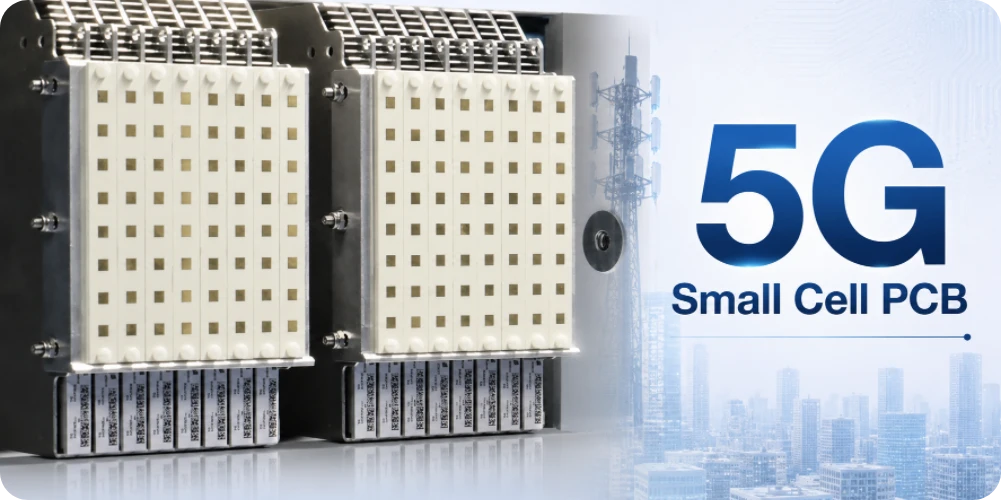
5G Small Cell PCB Manufacturing for RF and Telecom Infrastructure
Table of Contents 5G Small Cell PCB Requirements Depend on...
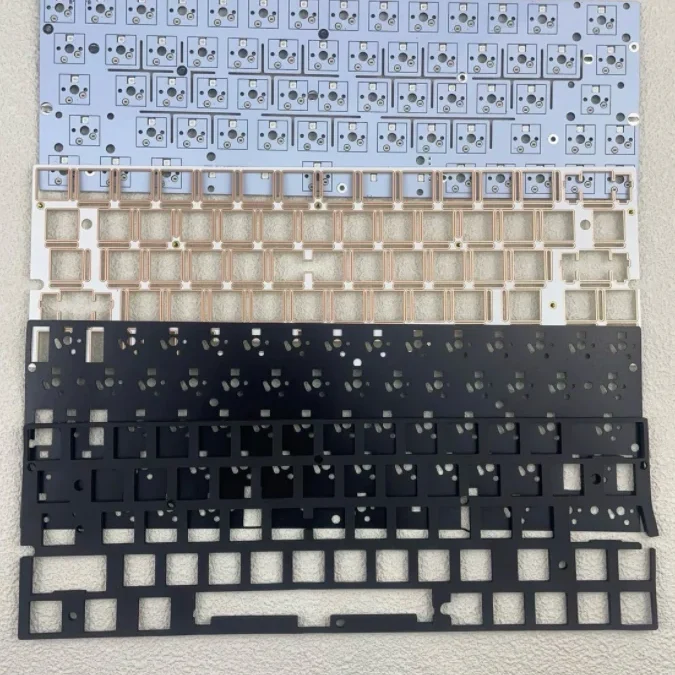
Custom 65% Keyboard PCB and PCBA Manufacturing
Table of contents 1. From Design Files to Production-Ready...
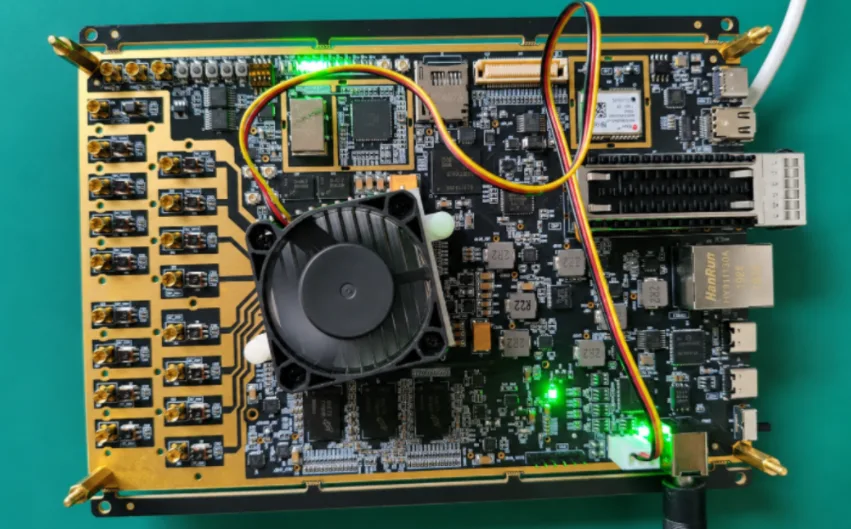
RFSoC Board PCB Manufacturing and Assembly One-Stop Service
Table of contentsReference RFSOC Board Project: 115 × 175...

How to Reduce PCB Costs in 2026
Table of contents Why 80% of PCB Cost Is Locked in at...
How to get a quote for PCBs
Let us run DFM/DFA analysis for you and get back to you with a report.
You can upload your files securely through our website.
We require the following information in order to give you a quote:
-
- Gerber, ODB++, or .pcb, spec.
- BOM list if you require assembly
- Quantity
- Turn time
In addition to PCB manufacturing, we offer a comprehensive range of electronic services, including PCB design, PCBA (Printed Circuit Board Assembly), and turnkey solutions. Whether you need help with prototyping, design verification, component sourcing, or mass production, we provide end-to-end support to ensure your project’s success. For PCBA services, please provide your BOM (Bill of Materials) and any specific assembly instructions. We also offer DFM/DFA analysis to optimize your designs for manufacturability and assembly, ensuring a smooth production process.