
SMD Components vs DIP Components in PCB Manufacturing: A Comprehensive Analysis for Optimal Design

In PCB manufacturing and assembly, two component types dominate: Surface-Mount Devices (SMD) Components and Dual In-line Package (DIP) Components. While both are critical to modern electronics, understanding their differences is key to optimizing performance, reliability, and manufacturability.
At Highleap Electronics, we leverage expertise in both technologies to help you make informed decisions. As ISO certified PCB manufacturers in China, we offer comprehensive solutions to support your PCB assembly needs. Below, we analyze their distinctions across environmental adaptability, power handling, supply chain dynamics, and more.
Size, Weight, and Environmental Adaptability
Surface-mount devices (SMD) components excel in miniaturization, allowing for ultra-compact, high-density layouts in applications like smartphones, wearables, and IoT devices. Their lightweight design, which directly mounts to the PCB surface, eliminates the need for bulky through-holes, saving both space and weight.
1. Environmental Challenges for SMD Components
SMD components are susceptible to degradation in high-humidity, corrosive environments, or under extreme thermal cycling conditions. To enhance reliability, protective measures such as conformal coatings (silicone, acrylic) or epoxy potting are often used, though these solutions come at an added cost.
- Example
In marine electronics, unprotected SMD components can corrode within a few months, while coated versions can endure for years in the same harsh environment.
2. DIP Components’ Advantages in Harsh Conditions
Ceramic Dual In-line Package (CERDIP) or hermetically sealed DIP components can withstand temperatures up to 150°C and humidity levels of 85%, meeting MIL-STD-883 standards. Their robust design offers excellent vibration and thermal shock resistance, making them ideal for use in demanding applications such as automotive ECUs and aerospace avionics.

Assembly Process, Soldering, and Thermal Management
The assembly processes for SMD (Surface-Mount Devices) components and DIP (Dual In-line Package) components are based on distinct technologies: Surface-Mount Technology (SMT) and Through-Hole Technology (THT), each suited for different assembly needs and applications.
1. SMT Process for SMD Components
- Soldering Method
Automated reflow soldering is the standard method for SMD assembly. It offers high precision and throughput, making it ideal for mass production, especially in quick turn PCB prototyping and assembly. - Thermal Control
During reflow soldering, controlled temperature profiles are carefully managed to prevent thermal damage to sensitive components, ensuring the integrity and reliability of the finished assembly.
2. THT Process for DIP Components
- Soldering Method
Through-hole wave soldering is typically used for DIP components. This method creates strong mechanical connections by soldering leads through the PCB, offering excellent durability. - Key Risks
While wave soldering creates solid connections, it can also lead to PCB delamination under thermal cycling stress. Additionally, solder bridging can occur in high-density layouts, requiring careful inspection and quality control.
3. Thermal Performance Comparison
- DIP Components
Due to their larger size and robust construction, DIP components are well-suited for high-power applications such as relays and transformers. Their design allows for better heat dissipation, making them ideal for environments where thermal management is critical. - SMD Components
In contrast, SMD components are more compact and generally have lower heat dissipation capabilities. In power-intensive circuits, SMDs may require additional heat sinks or active cooling to maintain performance and prevent overheating.

Performance, Reliability, and Durability
1. SMD components Strengths
- High-Frequency Performance
SMD components are particularly well-suited for high-frequency and RF (radio frequency) circuits. Their compact size and close proximity to the PCB minimize parasitic inductance and capacitance, leading to reduced electromagnetic interference (EMI) and enhanced signal integrity. - Space Efficiency
The small form factor of SMDs allows for high-density layouts, which is beneficial for modern, compact electronic devices. This design feature helps maintain signal quality even in dense, high-performance circuits.
2. DIP Components Advantages
- Mechanical Durability
DIP components excel in high-vibration environments, making them ideal for use in industrial and automotive systems where mechanical stress is common. The through-hole leads provide a robust physical connection, offering greater mechanical stability compared to surface-mounted alternatives. - Ease of Fault Detection and Repair
The exposed leads of DIP components make them easier to inspect, test, and replace in case of failure. This accessibility simplifies maintenance and repair, which is particularly valuable in applications where long-term reliability and serviceability are crucial.
Supply Chain and Component Sourcing
1. SMD Components Dominance
- Market Share
SMD components dominate approximately 90% of modern manufacturing, driven by their scalability, cost efficiency, and compatibility with automated assembly processes. This widespread adoption ensures a steady supply of components, making them the go-to choice for most new designs and mass-production applications. - Cost Efficiency
Due to their high production volumes and widespread use, SMD components benefit from economies of scale, leading to lower costs per unit. This makes them more affordable for manufacturers, especially in high-volume production runs.
2. DIP Components Challenges
- Limited Production Runs
For specialized or legacy applications, DIP components may have smaller production volumes, leading to potential supply shortages or increased costs. This is particularly true for custom or niche parts that are no longer in mainstream production, making them harder to source at competitive prices. - Obsolescence
As industry trends continue to favor SMDs, certain DIP components may face obsolescence, resulting in limited availability and higher procurement costs for manufacturers relying on older technologies.
Power Handling Capabilities
1. DIP Components Superiority
- High-Voltage/Current Applications
DIP components are ideal for high-voltage and high-current applications, such as power transistors, due to their robust design and superior thermal management capabilities. Their larger size and through-hole connections provide better heat dissipation and can handle the power demands of high-performance systems, making them the preferred choice for power-intensive circuits.
2. SMD Components Limitations
- Low-to-Medium Power Applications
While SMD components have seen advancements in power handling, they are generally better suited for low-to-medium power circuits. Their compact size limits their heat dissipation capacity, making them less effective for high-power applications without additional thermal management solutions, such as heat sinks or active cooling systems. As a result, SMDs are typically used in circuits that do not require significant power handling.
Environmental Compliance and Sustainability
1. SMD Components Progress
- Eco-Friendly Trends
SMD components have made significant strides in aligning with sustainability goals, especially through the adoption of lead-free solders and compliance with regulations such as RoHS (Restriction of Hazardous Substances) and WEEE (Waste Electrical and Electronic Equipment). These initiatives ensure that SMD components contribute to reducing environmental impact and improving recycling efforts, making them more eco-friendly in modern manufacturing. Highleap Electronics provides RoHS certified PCB assembly services, meeting global environmental standards.
2. DIP Components Recycling Challenges
- Recycling Difficulties
DIP components, due to their heavier metal construction and through-hole design, present challenges in the recycling process. The complexity of disassembling DIP components from PCBs—especially when they use materials such as lead-based solders or metal leads—hinders efforts toward sustainability. These factors make it more difficult to achieve efficient recycling, contributing to higher environmental costs compared to SMD alternatives.
Industry Trends and Future Directions
1. SMD Components Dominance
- Compact, High-Speed Designs
The continued dominance of SMD components is driven by the growing demand for compact, high-performance designs in industries such as wearables, 5G technology, and IoT. As electronic devices become smaller and more powerful, SMDs are essential for achieving the miniaturization and high-speed functionality required by these advanced applications. Their ability to support dense circuit layouts while maintaining performance makes them indispensable for the future of electronics.
2. DIP Components Resilience
- Vital in Power Electronics and Legacy Applications
Despite the rise of SMDs, DIP components remain resilient and continue to play a crucial role in power electronics, industrial systems, and legacy repairs. They are preferred for high-power applications where durability, ease of repair, and thermal management are essential. Additionally, DIP components are still widely used in systems requiring long-term reliability and for retrofitting or repairing older designs, ensuring their continued relevance in specific sectors.
Conclusion: Strategic Component Selection
Choosing between SMD components and DIP Components hinges on:
1. Environmental demands (humidity, vibration)
Consideration of factors such as humidity, vibration, and exposure to harsh environments is crucial when choosing the appropriate component for your design.
2. Power/thermal requirements
For high-power applications, DIP components may be the better choice due to their superior heat dissipation, while SMDs are more suitable for low-to-medium power circuits.
3. Supply chain scalability
The ease of sourcing and cost efficiency of components can significantly impact the success of your project. SMDs typically offer better scalability for high-volume production, making them ideal for quick turn PCB prototyping and assembly or small batch PCB assembly for new product development.
4. Sustainability goals
Eco-friendly components and compliance with industry regulations such as RoHS and WEEE are increasingly important in today’s market.
At Highleap Electronics, we specialize in turnkey PCB assembly solutions for OEMs and custom PCB assembly with component sourcing, guiding clients to balance space efficiency, performance, and reliability. Whether optimizing for miniaturization or ruggedness, our services are designed to meet the unique demands of your industry, from small batch PCB assembly for new product development to industrial grade PCB assembly services for high-performance applications. Partner with us to bring your project to life with precision, speed, and unmatched quality.
Get a Free PCB & PCBA Quote

Recommended Posts

PCB Current Calculator: Sizing Trace Width and Vias with the IPC-2221 Formula
Figure 1. Pcb Current Calculator reference image for PCB...
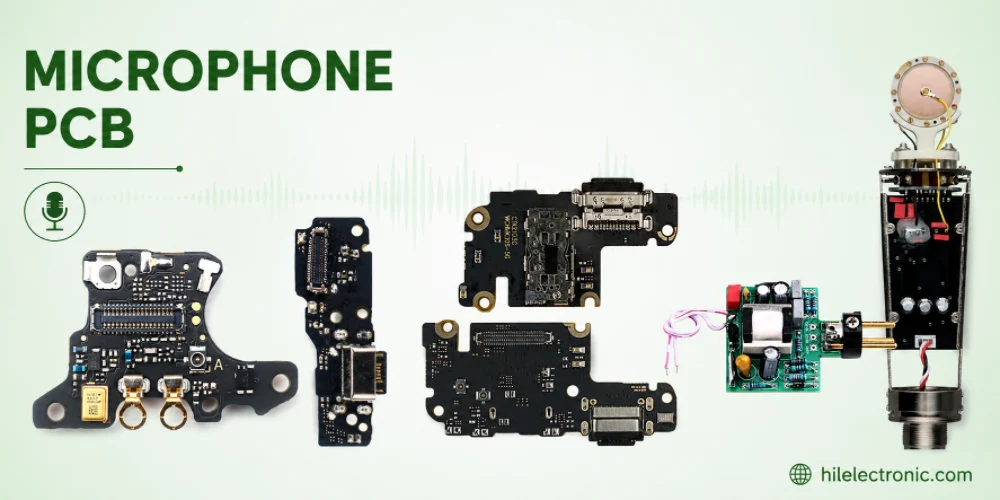
Microphone PCB Design: How the Board Itself Shapes Your Audio Quality
Figure 1. Microphone Pcb reference image for PCB...
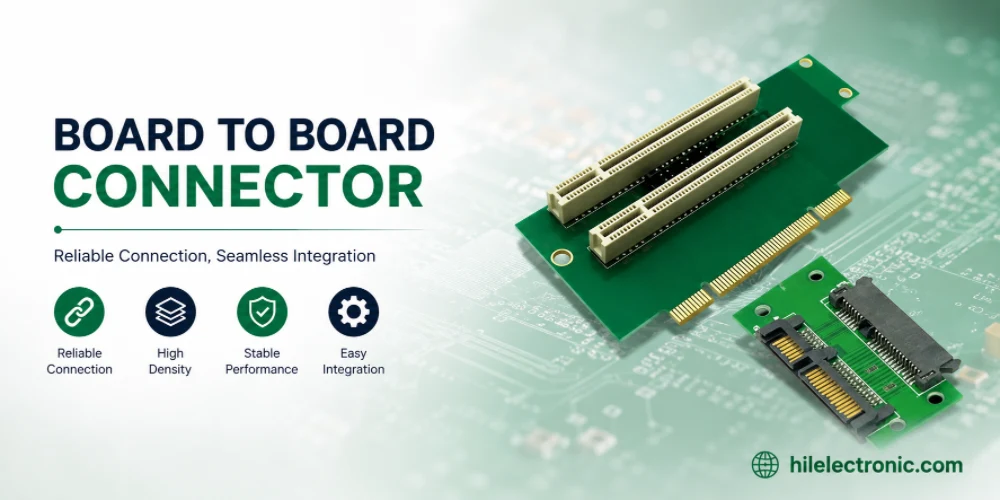
Board-to-Board Connector: Types, Specifications, and How to Select One
Figure 1. Board To Board Connector reference image for PCB...
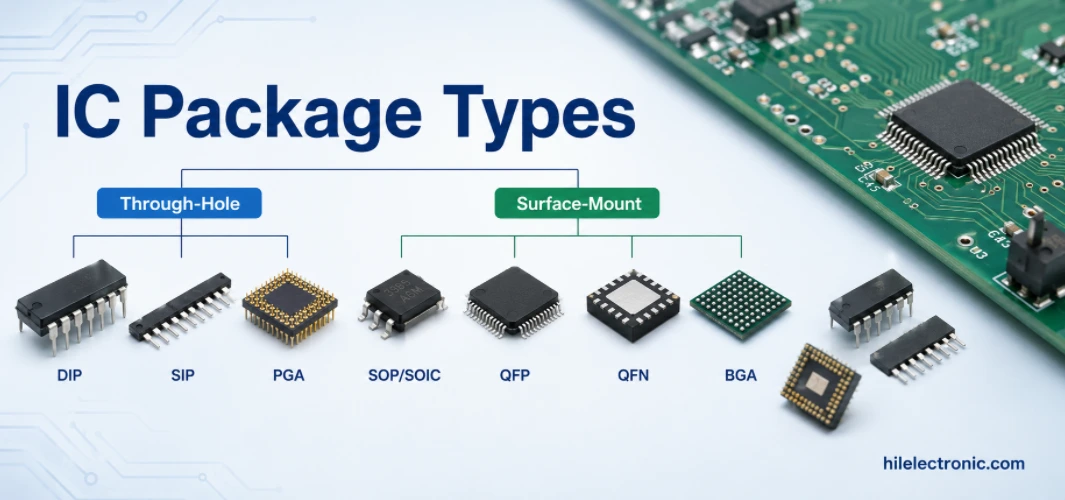
IC Package Types Explained: BGA vs QFN vs QFP, and How to Choose for Your PCB
Figure 1. IC package types image for PCB manufacturing...
How to get a quote for PCBs
Let us run DFM/DFA analysis for you and get back to you with a report.
You can upload your files securely through our website.
We require the following information in order to give you a quote:
-
- Gerber, ODB++, or .pcb, spec.
- BOM list if you require assembly
- Quantity
- Turn time
In addition to PCB manufacturing, we offer a comprehensive range of electronic services, including PCB design, PCBA (Printed Circuit Board Assembly), and turnkey solutions. Whether you need help with prototyping, design verification, component sourcing, or mass production, we provide end-to-end support to ensure your project’s success. For PCBA services, please provide your BOM (Bill of Materials) and any specific assembly instructions. We also offer DFM/DFA analysis to optimize your designs for manufacturability and assembly, ensuring a smooth production process.