
Quick Turn Ceramic PCB Fabrication Speed Cost and Lead Time
Table of Contents
- What “Quick Turn” Actually Means for Ceramic PCBs
- Stage-by-Stage Timeline Breakdown
- Service Tiers: Standard, Expedited, and Rush
- Design Decisions That Speed Up or Slow Down Quick Turn Orders
- Cost Structure of Quick Turn Ceramic Fabrication
- What to Submit for the Fastest Possible Start
- Highleap’s Quick Turn Ceramic PCB Capabilities
- Frequently Asked Questions
A quick turn ceramic PCB order compresses the typical 15–25 business day fabrication cycle into 5–10 days. Unlike FR4 quick-turn services that ship boards overnight, ceramic fabrication involves sintering above 1,500°C, controlled-atmosphere furnace bonding, and laser-based processing — processes with minimum cycle times dictated by physics rather than scheduling. Understanding which stages can be compressed and which cannot helps engineers set realistic expectations and avoid paying rush premiums for timelines that are not achievable.
This guide breaks down ceramic PCB quick-turn delivery into its component stages, identifies where time is genuinely saved, and explains the cost and quality trade-offs involved.
Key Takeaways
- Quick-turn ceramic PCBs deliver in 5–10 business days versus the standard 15–25 days — but cannot match FR4 overnight turnaround
- DBC furnace bonding (8–14 hours) is the fixed critical path — quick-turn compresses queue time, not process time
- Rush service (5–7 days) carries 80–150% cost premium; expedited (8–12 days) carries 30–60% premium
- Choosing alumina over AlN, thick film over DBC, and ENIG over hard gold each saves days from the timeline
- Submitting complete design files with pre-approved DFM adjustments enables same-day production release
1) What “Quick Turn” Actually Means for Ceramic PCBs
1.1 Why Ceramic Cannot Match FR4 Speed
FR4 quick-turn works because every process step — lamination, drilling, plating, etching — runs on automated lines with cycle times measured in minutes. Ceramic fabrication is fundamentally different. The DBC bonding furnace cycle alone requires 8–14 hours of controlled heating, soaking at approximately 1,065°C, and gradual cooling. Thick-film screen printing and firing adds another 4–8 hours. These are physical minimums — shortening them degrades copper-ceramic bond strength and causes delamination under thermal cycling.
1.2 Realistic Quick-Turn Ranges
The fastest achievable ceramic PCB delivery depends on the configuration:
- Simple alumina + thick film (bare board): 5–7 business days
- Alumina + DBC (bare board): 6–8 business days
- AlN + DBC (bare board): 8–12 business days (substrate sourcing may add time)
- Any material + assembly (SMT/die attach): Add 3–5 days to bare board timeline
2) Stage-by-Stage Timeline Breakdown
2.1 Process Stage Comparison
| Stage | Standard Timeline | Quick Turn Timeline | What Gets Compressed |
|---|---|---|---|
| Engineering review / DFM | 1–2 days | 2–4 hours | Priority queue; dedicated engineer assigned immediately |
| Substrate preparation | 1–2 days | 0.5–1 day | Pre-inspected stock substrates used; cleaning and lapping skip queue |
| Metallization (DBC / thick film) | 3–5 days | 1.5–3 days | Priority furnace scheduling; actual furnace cycle time is not reduced |
| Patterning and etching | 2–3 days | 1–1.5 days | Immediate photolithography setup; direct-write laser imaging |
| Surface finishing (ENIG/Ni-Ag) | 1–2 days | 0.5–1 day | Dedicated plating line; immediate bath access |
| Singulation and testing | 1–2 days | 0.5–1 day | Priority laser scribing; flying probe test (no fixture wait) |
| Total (bare board) | 10–16 days | 5–8 days |
2.2 The Critical Path: Furnace Scheduling
The furnace bonding cycle is always the critical path. A DBC bonding run occupies 8–14 hours of continuous furnace time — and furnaces are shared resources with limited daily capacity. Quick-turn orders gain priority scheduling (next available furnace slot instead of next available batch), but the cycle time itself does not change. If multiple furnaces are available, parallel processing is possible — which is why manufacturers with multiple furnace lines can offer faster quick-turn service.
3) Service Tiers: Standard, Expedited, and Rush
3.1 Standard (15–25 days)
Normal production queue. Orders are batched for optimal furnace utilization and panel efficiency. Best unit pricing. Suitable when schedule is not the primary constraint.
3.2 Expedited (8–12 days)
Priority scheduling at every process stage. 30–60% cost premium over standard pricing. Boards enter each process step as soon as the previous step completes — no queue waiting. This tier works for most urgent prototyping needs and pilot production builds.
3.3 Rush (5–7 days)
Dedicated line access with weekend and overtime processing. 80–150% cost premium. Only feasible for simple to moderate designs on in-stock alumina substrates with DBC or thick-film metallization. Designs requiring AlN substrates, thin-film metallization, or complex via structures typically cannot meet rush timelines.

4) Design Decisions That Speed Up or Slow Down Quick Turn Orders
4.1 Choices That Accelerate Delivery
- 96% alumina instead of AlN: Alumina is universally stocked; AlN may require 5–10 days to source
- Thick film over DBC for moderate current: Thick-film printing and firing is faster than the DBC bonding cycle
- ENIG over hard gold: ENIG is a single-bath chemical process; hard gold requires masking and electrolytic plating — adding 0.5–1 day
- Rectangular board outline: Simple shapes singulate faster than complex profiles with multiple radii
- Single-sided design: Eliminates via formation and second-side alignment, saving 1–2 days
4.2 Choices That Add Time
- Si₃N₄ substrate: Usually made to order — 2–4 weeks material lead time before fabrication starts
- AMB metallization: Active metal brazing requires vacuum furnace processing — longer cycle than DBC
- Laser-drilled vias: Each via requires individual laser processing; high via counts extend cycle time significantly
- Tight tolerances (±0.02 mm): Requires slower processing and additional inspection steps
5) Cost Structure of Quick Turn Ceramic Fabrication
5.1 Where the Premium Goes
Quick-turn premiums reflect genuine operational costs, not arbitrary markups:
- Furnace batch inefficiency: Running a furnace for 10 rush boards instead of a full batch of 200 means the setup and energy costs are shared among far fewer units
- Overtime and weekend labor: Operators, quality inspectors, and packing staff working outside normal shifts
- Priority material allocation: Reserving substrate inventory for your order instead of first-come-first-served allocation
- Disruption to planned schedule: Other orders shift to accommodate your rush, requiring re-planning and communication
5.2 When the Premium Is Justified
The 30–150% premium is worth paying when the cost of schedule delay exceeds the rush surcharge. Common justified scenarios: customer demo deadlines, competitive bid samples, production line-down situations, and regulatory submission windows that cannot move.

6) What to Submit for the Fastest Possible Start
Every hour spent on engineering clarification is an hour your boards are not in the furnace. Submit all of the following with your initial order:
- ☐ Complete Gerber files (all layers, drill files, board outline)
- ☐ Fabrication drawing specifying material, thickness, metallization, copper weight, surface finish, tolerances
- ☐ Quantity and target ship date
- ☐ Electrical test criteria (continuity/isolation thresholds)
- ☐ Pre-approved DFM adjustments (e.g., “trace width adjustments up to ±0.02 mm are approved without further confirmation”)
- ☐ PO or payment ready to issue immediately upon quote receipt
A complete submission enables same-day DFM review and production release. Incomplete files create back-and-forth that can add 1–5 days to the timeline — sometimes negating the entire quick-turn benefit.
7) Highleap’s Quick Turn Ceramic PCB Capabilities
Highleap Electronics maintains dedicated quick-turn infrastructure for ceramic PCB orders:
- Rush (5–7 days): Al₂O₃ substrates (stocked), DBC or thick-film metallization, simple to moderate complexity
- Expedited (8–12 days): All ceramic materials including AlN; full metallization options; double-sided designs
- Multiple furnace lines: Parallel processing capability reduces furnace queue dependency
- Integrated assembly: Quick-turn assembly on the same site eliminates the shipping gap between fabrication and SMT/die attach
- Express shipping: DHL/FedEx/UPS daily pickup; 2–3 day air freight worldwide
Our engineering team provides same-day DFM feedback on rush orders and coordinates directly with production scheduling to confirm committed ship dates before you approve the order.
Frequently Asked Questions
How fast can ceramic PCBs be manufactured?
The fastest ceramic PCB delivery is 5–7 business days for simple alumina thick-film boards and 6–8 days for alumina DBC. AlN DBC requires 8–12 days. Adding SMT or die-attach assembly adds 3–5 days. These are physics-limited minimums — the DBC bonding furnace cycle alone requires 8–14 hours that cannot be shortened.
Why can’t ceramic PCBs be made as fast as FR4?
FR4 fabrication uses automated lines with cycle times measured in minutes. Ceramic fabrication requires sintering above 1,500°C, controlled-atmosphere furnace bonding (8–14 hours per cycle), and laser-based processing with fixed minimum durations. The total fixed process time for a DBC board is approximately 16–24 hours — meaning even with zero waiting, fabrication takes at minimum 2 full production days.
What does quick-turn ceramic PCB service cost?
Quick-turn premiums reflect genuine operational costs: rush service (5–7 days) carries 80–150% premium over standard pricing; expedited (8–12 days) carries 30–60% premium. The cost covers furnace batch inefficiency, overtime labor, priority material allocation, and schedule disruption to accommodate urgent orders.
What design choices speed up ceramic PCB delivery?
Choose 96% alumina (universally stocked) instead of AlN (may need 5–10 days to source). Select thick film over DBC for moderate current needs — firing takes 4–8 hours versus 8–14 for DBC bonding. Use ENIG surface finish instead of hard gold. Design single-sided rectangular boards to eliminate via formation and simplify singulation.
What should I submit for the fastest ceramic PCB turnaround?
Submit complete Gerber files, fabrication drawing with all specifications, quantity and target ship date, electrical test criteria, pre-approved DFM adjustment authority, and a PO or payment ready to issue upon quote receipt. A complete submission enables same-day DFM review and production release — incomplete files can add 1–5 days of back-and-forth.

Recommended Posts
Tg170 PCB Manufacturing and Assembly for Industrial Electronics
A Tg170 PCB may be specified for industrial electronics,...
Racing Wheel Controller PCB Manufacturing & Assembly for Force-Feedback and Direct-Drive Gaming Systems
Highleap Electronics provides PCB fabrication and PCBA for...
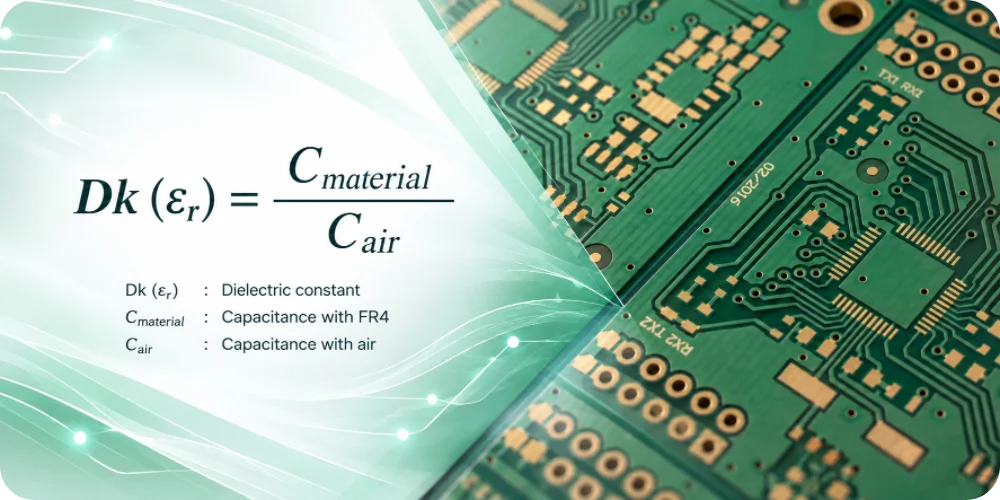
FR4 Dielectric Constant Calculator and PCB Design Guide
How to get a quote for PCBs Let's run DFM/DFA analysis for...
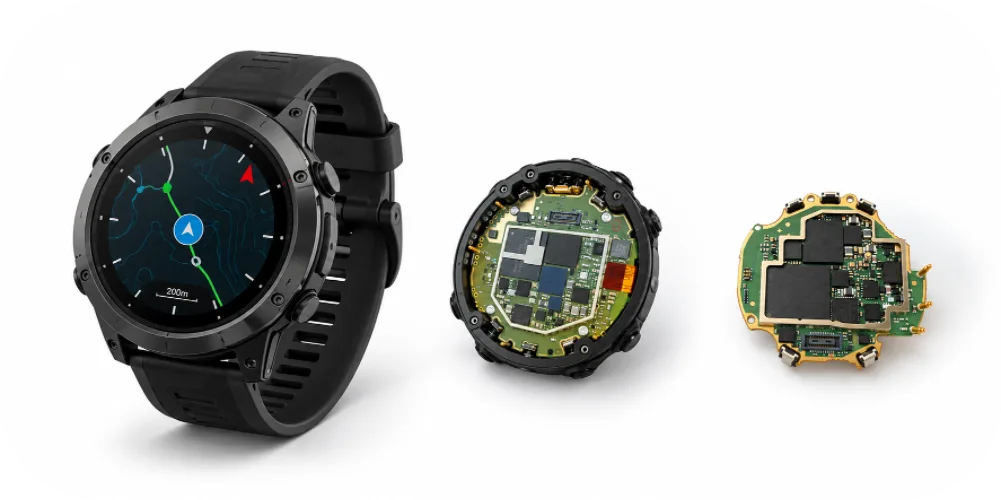
GPS Sports Watch PCB Design: GNSS, RF, Sensors and PCBA Manufacturing
Turning a compact GPS sports watch controller from an...
How to get a quote for PCBs
Let us run DFM/DFA analysis for you and get back to you with a report.
You can upload your files securely through our website.
We require the following information in order to give you a quote:
-
- Gerber, ODB++, or .pcb, spec.
- BOM list if you require assembly
- Quantity
- Turn time