
Electronic Contract Assembly: Models, Selection, and the Full Build Process
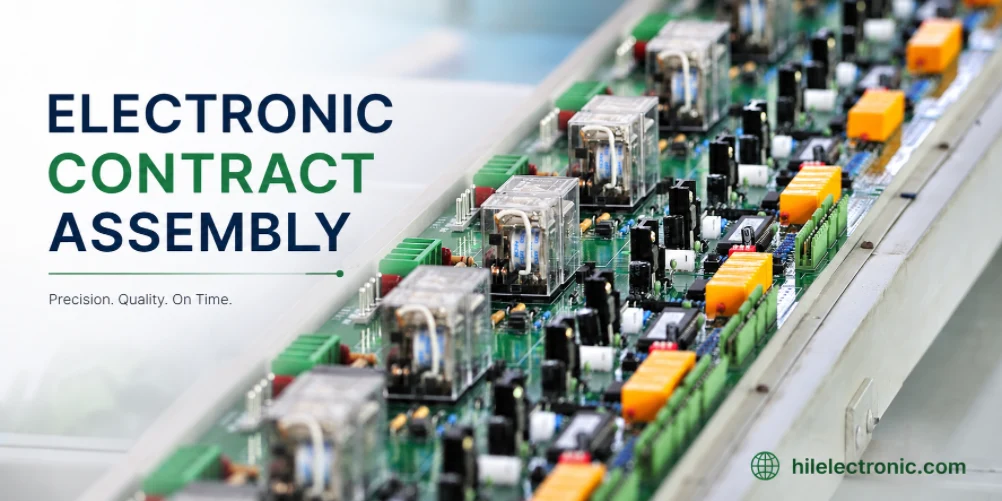
Figure 1. Electronic Contract Assembly reference image for PCB manufacturing review.
- Synonyms: contract electronics manufacturer (CEM), EMS, contract manufacturing electronic assembly, contract electronic manufacturer
- Procurement models: turnkey, consignment, and partial / kitted
- Scope: component sourcing, SMT + through-hole, conformal coat/potting, AOI/X-ray, ICT/FCT, programming, box-build
- Workmanship: IPC-A-610 (Class 2 general, Class 3 high-reliability); soldering to J-STD-001
- Quality systems: ISO 9001; medical adds ISO 13485, automotive IATF 16949, aerospace AS9100
- Every production run should begin with a documented first-article inspection (FAI)
Outsourcing production is one of the highest-leverage decisions a hardware team makes, and one of the easiest to get expensively wrong. Done well, electronic contract assembly compresses time to market, lowers landed cost, and gives access to placement lines, reflow profiles, and test equipment you could never justify owning. Done badly, it buries you in rework, scrapped parts, and missed ship dates because a contract electronic manufacturer guessed at things you assumed were obvious. This guide is written for the engineer or buyer who has to select and manage that partner: what the service really covers, how the commercial models differ, the capabilities and certifications that separate a dependable contract electronics manufacturer from a cheap quote, and exactly how a build runs from RFQ to shipped product.
The perspective below reflects how our team at Highleap Electronics scopes a contract manufacturing electronic assembly project before the first board is built.
1. What Is Electronic Contract Assembly?
Electronic contract assembly is the practice of paying a specialist factory to manufacture electronic assemblies to your design. At its core it is PCB assembly (PCBA) — placing and soldering components onto bare boards — but most established providers wrap a far wider service around that, because a finished product rarely stops at a populated board.
The scope, from bare board to finished product
A full engagement spans component procurement against your bill of materials; surface-mount (SMT) and through-hole assembly; secondary processes such as conformal coating, potting, and press-fit; automated optical inspection (AOI) and X-ray for hidden joints; in-circuit and functional test; firmware programming; and final box-build — adding enclosures, cables, displays, labels, and packaging to produce a shippable, serialized unit. You can buy any single slice of this chain, but the value of contract electronics manufacturing rises sharply when more of it sits under one quality system and one accountable owner.
CEM, EMS, ODM — and why the label matters
The industry uses several names. A contract electronics manufacturer (CEM) or electronics manufacturing services (EMS) provider builds to your design. An ODM (original design manufacturer) also designs the product. The distinction defines who owns the intellectual property and who is accountable when something does not work: with electronic contract assembly the design is yours, and a good partner protects and builds it rather than redesigning or reusing it. For most product companies — whether they are comparing American electronic companies or overseas EMS partners — the build-to-print CEM model is the right fit.
2. Turnkey vs Consignment vs Kitted Assembly
The single biggest commercial variable in any assembly contract is who is responsible for components. It drives cost, lead time, and where the risk sits when a part goes out of stock.
| Model | Who Sources Parts | Best When |
|---|---|---|
| Turnkey | The assembler buys everything (board + all parts) | You want one quote, one accountable party, and minimal procurement overhead |
| Consignment | You supply all components | You hold inventory or must control allocation of scarce parts |
| Partial / kitted | Shared — you supply critical parts, they buy the rest | A few long-lead or allocated parts need your control; the rest is commodity |
Why turnkey usually wins for prototype and mid-volume
For most product companies, turnkey is the path of least friction. The assembler’s purchasing team holds franchised-distributor relationships, can offer in-stock alternates against an approved-vendor list (AVL/AML) when a part is unavailable, and absorbs the risk of incoming defects and counterfeit screening. The honest question to ask is how a partner handles a part that goes end-of-life mid-production: a strong contract electronics manufacturer flags lifecycle and stock risk during quoting, not after the line stops.
Where consignment and kitting earn their place
Consignment can lower cost at volume or protect allocation of constrained semiconductors, but it shifts shortage risk, counting errors, and moisture-sensitive-device (MSD) handling onto you, and it complicates accountability if a self-supplied part fails. Partial kitting is the pragmatic middle ground — you bond and control the handful of critical or allocated devices while the assembler buys the commodity passives and connectors. Whatever the model, agree in writing how excess, obsolete, and attrition (the small overage consumed during setup and rework) are handled, because that fine print is where disputes start.
3. How to Choose a Contract Electronics Manufacturer
Most assemblers can place parts on a board. The difference between a partner you keep and one you replace shows up in capabilities, quality systems, and the things that are hard to see in a quote.
Capability fit and volume fit
Confirm the line can actually build your design: the smallest passive it places reliably (0402, 0201, or 01005), fine-pitch QFN and BGA capability, package-on-package, the through-hole and connector work your product needs, and any conformal coat, potting, or press-fit. Equally important is volume fit — a plant tuned for hundreds of thousands of units will deprioritize a 500-piece run, while a pure prototype shop may strain to scale your product with stable yield. The best partner’s typical work overlaps your quantities, so you are neither too small to matter nor too large to handle.
Quality systems, workmanship class, and certifications
Ask which standards the line builds to. IPC-A-610 is the accept/reject workmanship standard and J-STD-001 governs the soldering process; Class 2 covers most commercial and industrial products, while Class 3 applies to high-reliability hardware such as medical, automotive, and aerospace. Underneath that, ISO 9001 is the baseline management system, with ISO 13485 for medical, IATF 16949 for automotive, and AS9100 for aerospace. A factory that cannot name its class and certifications is telling you how it works.
Test coverage, traceability, and IP protection
A populated board that has never been tested is an unverified board. Confirm what inspection and test the price includes — AOI, X-ray for BGAs and bottom-terminated parts, in-circuit test (ICT), functional test (FCT), boundary scan, burn-in, and programming — and whether you receive the records. Traceability that links serial numbers, component lot codes, firmware versions, and test logs to each unit is what lets you analyze a field failure or scope a recall narrowly. Finally, clarify NDA terms, data handling, and revision control before releasing files, especially for novel designs — a reputable contract electronic manufacturer builds only to your design and never reuses it.
Red flags to walk away from
A quote returned with no engineering questions, an inability to state the inspection and test scope, vague or grey-market component sourcing, no first-article step, and slow or unclear communication during quoting are all reliable predictors of trouble in production. The cheapest quote that omits test, packaging, or NRE is not cheaper — it is incomplete.
4. The Electronic Contract Assembly Process, Step by Step
Understanding the workflow helps you supply the right data at the right moment and avoid the delays that come from an incomplete handoff. The sequence is consistent across the industry.
- RFQ and DFM review. You send Gerbers or ODB++, a bill of materials with manufacturer part numbers, a pick-and-place (centroid) file, and an assembly drawing. The assembler runs a design-for-manufacturing and design-for-assembly check, flagging footprint, courtyard, spacing, polarity, and testability issues before quoting.
- Quote and engineering questions. A complete package gets a firm quote; an ambiguous one gets a padded or delayed quote, or a list of questions about alternates, test, and tolerances.
- Component procurement and verification. Parts are ordered through franchised channels, inspected, and any shortages or alternates resolved against your AVL before kitting; moisture-sensitive devices are baked and handled to their MSL rating.
- Stencil, SMT, and reflow. Solder paste is printed, components placed, and the board reflowed to a profile developed for its thermal mass — then AOI, and X-ray for hidden joints.
- Through-hole and secondary processes. Leaded parts are added by wave, selective, or hand soldering, followed by any conformal coat, potting, or press-fit.
- First-article inspection, then production. A small first run is built and inspected against the agreed standard; once approved, the verified process scales, with inspection and test records following the units.
The lesson buried in that flow is that quoting delays are usually not about price — they are about missing files. A package an assembler can build without emailing you back is the fastest route to a stable schedule. Decide your production intent up front, too: a proof-of-concept is optimized for speed and engineering feedback, a pilot run for first-article data and repeatability, and a production build for stable sourcing, test strategy, yield, and total landed cost.
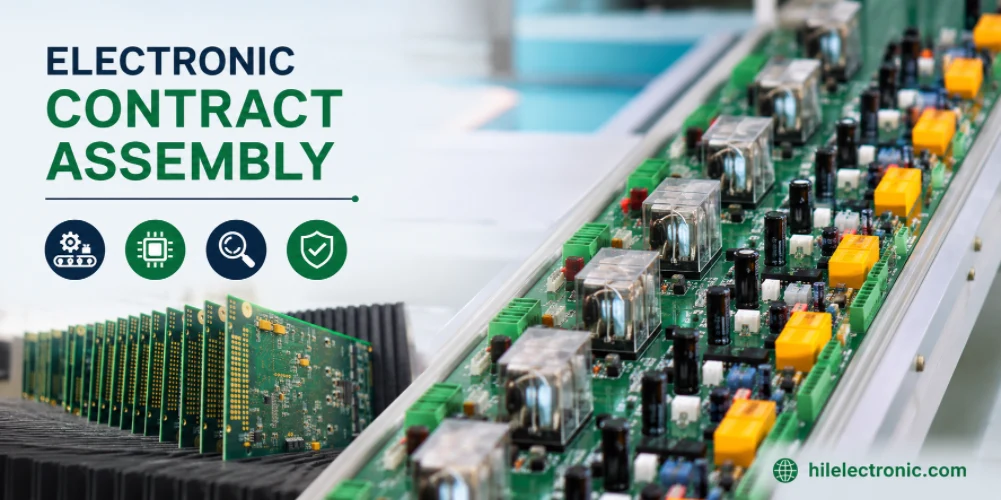
Figure 2. Electronic Contract Assembly details should be checked before quotation and production.
5. Electronic Contract Assembly Services at Highleap
At Highleap, an assembly project starts with engineering review, not just a price. Before parts are ordered we run a DFM and DFA check on your data, confirm footprints and polarity, resolve BOM alternates against your AVL, and agree the inspection and test scope — so the first article reflects a process we already trust. Because we keep bare-board fabrication, SMT assembly, through-hole, test, and box-build assembly under one quality system, the handoffs that usually cause delays and finger-pointing happen inside one accountable operation rather than across vendors.
The result is a single partner from bare board to boxed product, building to the IPC class your product needs, with traceable records and engineers who ask the right questions before the line runs. Send your design package and target volume, and we will return a DFM review and a quote that prices the build you actually want.
Get a DFM Review and Assembly Quote
6. Electronic Contract Assembly FAQs
What is the difference between electronic contract assembly and an EMS provider?
They describe the same thing from different angles. Electronic contract assembly is the service — building electronic assemblies to your design — while EMS (electronics manufacturing services) or CEM (contract electronics manufacturer) is the name for the company providing it. In all cases the design is yours and the provider manufactures it to your specification.
What is turnkey contract assembly?
Turnkey means the assembler procures all the components as well as building and testing the boards, so you get a single quote and one accountable party. The alternative, consignment, has you supply the parts; partial kitting splits responsibility, with you controlling critical or allocated devices and the assembler buying the commodity parts.
What files do I need to send for a contract assembly quote?
At minimum, Gerber or ODB++ data, a bill of materials with manufacturer part numbers, a pick-and-place (centroid) file, and an assembly drawing showing polarity and pin 1. State your target quantity, any approved alternates, and your inspection or test requirements so the quote reflects the real build rather than an assumed one.
What does IPC Class 2 versus Class 3 mean for my product?
IPC-A-610 Class 2 is the general standard for most commercial and industrial electronics; Class 3 applies to high-reliability products such as medical, automotive, and aerospace, with stricter solder-joint, cleanliness, and inspection criteria. Specify the class that matches your product’s risk, because it affects both build rules and cost.
How does a contract electronics manufacturer protect my intellectual property?
A reputable provider builds only to your design, holds your data under an NDA, applies revision control, and does not reuse your files for other customers. Clarify confidentiality terms and data handling before you release files, particularly for novel or sensitive designs.
Can one partner handle both prototype and production assembly?
Yes, and it is usually an advantage. A partner who builds your prototype already understands the design, the test fixtures, and the pitfalls when you scale, so that knowledge carries forward into production instead of being relearned by a new vendor.
How do I avoid line-down risk from component shortages?
Approve alternates on your AVL up front, use a turnkey or kitted model so the assembler can substitute in-stock equivalents, and ask the partner to flag end-of-life and allocation risk during quoting. Designing in second sources for critical parts is the most durable protection.

Recommended Posts
TMM4 Filter PCB Manufacturing
TMM4 filter PCB manufacturing is controlled by the...
TMM3 PCB Manufacturing for RF Modules
TMM3 PCB manufacturing is most useful where the RF module...
TMM6 PCB Fabrication
TMM6 fabrication is the process-control page for a mid-Dk...

TMM10i PCB Fabrication and DFM
TMM10i PCB fabrication has a stronger DFM emphasis because...
How to get a quote for PCBs
Let’s run DFM/DFA analysis for you and get back to you with a report. You can upload your files securely through our website. We require the following information in order to give you a quote:
-
- Gerber, ODB++, or .pcb, spec.
- BOM list if you require assembly
- Quantity
- Turn time
For PCBA services, please provide your BOM (Bill of Materials) and any specific assembly instructions. We also offer DFM/DFA analysis to optimize your designs for manufacturability and assembly, ensuring a smooth production process.