
Why China PCBs Cost Less: Supply Chain and Pricing
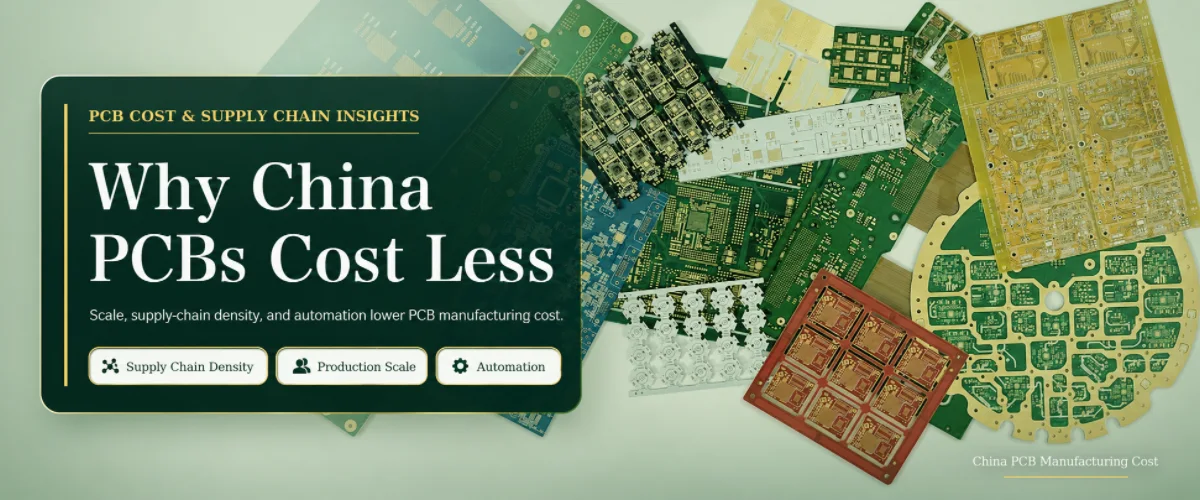
Figure 1. China PCB pricing is shaped by production scale, material purchasing, process specialization, and supplier density.
Circuit boards from China are lower cost because of a concentrated supply chain, large production scale, and mature process automation, not because quality is compromised. The Shenzhen and Guangdong region combines materials, fabrication, components, and assembly in one place, which removes cost at every step of making a PCB.
- China’s PCB pricing comes mainly from supply-chain density, scale, and automation, not low quality.
- Having materials, fabrication, parts, and assembly in one region cuts logistics and lead time.
- The savings are largest on standard and mid-complexity boards produced in volume.
- Lowest unit price is not the same as lowest total landed cost; quality and shipping still matter.
Table of Contents
- Why PCBs from China Cost Less
- The Real Cost Drivers Behind the Price
- How the Shenzhen and Guangdong Supply Chain Lowers Cost
- Where the Savings Are Largest by Board Type
- Low Price vs Total Landed Cost
- How to Buy China PCBs Without Quality Surprises
- Working With a China PCB Manufacturer
- Is It Safe to Order PCBs from China?
- China PCB Cost vs Domestic Manufacturing
- Frequently Asked Questions
Why PCBs from China Cost Less
The price gap is real, but it comes from structural advantages rather than shortcuts. When a region produces a very large share of the world’s boards, the fixed costs of equipment, materials, and expertise are spread across enormous volume. That scale, combined with proximity of every input, is what lets a competitive factory quote a low price and still meet quality standards.
Key reasons behind the lower cost
- Supply-chain density: laminate, copper, components, and finishing are all nearby.
- Production scale: high volume lowers the per-board share of equipment and setup cost.
- Process automation: mature, automated lines reduce labor per unit and improve consistency.
- Specialized clusters: many factories focused on PCBs sharpen efficiency and capability.
- Logistics efficiency: established export channels keep shipping organized and predictable.
None of these depend on cutting corners. A capable manufacturer such as our China-based factory passes the structural savings on while still controlling materials and inspection. The cost advantage and quality control are not in conflict.
The Real Cost Drivers Behind the Price
To judge a quote, it helps to know what actually drives PCB cost. Most of it is set by the design and the supply chain, not by labor alone.
Key factors that set the price
- Layer count: more layers mean more lamination, drilling, and material.
- Board size and panel use: efficient panelization spreads cost across more units.
- Material grade: standard FR-4 is inexpensive; special laminates cost more.
- Surface finish and features: finishes, via fill, and tight tolerances add process steps.
- Quantity: volume amortizes tooling and setup, lowering the unit price sharply.
Because the design sets most of the cost, a board optimized for manufacturing is cheaper to build anywhere, and the savings compound in a high-efficiency region.
Several real factors sit behind the lower price. Mature, high-volume factories spread their equipment and overhead across enormous output, which lowers the cost of each board. Local access to laminate, copper, chemicals, and components keeps material costs and lead times down, and the density of specialist shops means almost any process step is available nearby. None of this is magic — it is scale, specialization, and a tightly clustered supply base working together.
How the Shenzhen and Guangdong Supply Chain Lowers Cost
The single biggest factor is geography. Southern China hosts a dense cluster of everything a board needs, and that proximity removes time and cost that would otherwise accumulate.
Key advantages of the cluster
- Material proximity: laminate and copper suppliers are minutes, not weeks, away.
- Component access: huge local parts markets shorten sourcing and offer alternates.
- Co-located assembly: fabrication and assembly sit close together or in one facility.
- Tooling and fixtures: stencils, jigs, and test fixtures are made locally and fast.
- Export infrastructure: ports and freight forwarders streamline global shipping.
This concentration is why an integrated provider can combine fabrication with turnkey assembly without the delays and markups of moving work between distant vendors. The same density supports our broader manufacturing services.
Where the Savings Are Largest by Board Type
The cost advantage is not uniform. It is biggest for standard, repeatable boards and narrower for highly specialized work, where engineering matters more than scale.
Key patterns by board type
- Standard FR-4 boards: the largest savings, driven by pure scale.
- Mid-complexity multilayer: strong savings as automation handles the volume.
- Flex and rigid-flex: good value where specialized lines are mature.
- High-frequency / RF: savings narrow because material and process control dominate.
- Very low volume prototypes: savings smaller per unit but turn time is fast.
| Board Type | Relative Saving |
|---|---|
| Standard FR-4 | Largest |
| Multilayer (mid) | High |
| Flex / rigid-flex | Good |
| High-frequency / RF | Moderate |
For standard multilayer rigid boards and flexible circuits produced in quantity, the regional advantage is at its strongest.
Low Price vs Total Landed Cost
The lowest quoted unit price is not always the lowest real cost. Smart buyers compare total landed cost, which includes everything from quality to freight.
Key components of total cost
- Unit price: the headline number, but only one part of the picture.
- Quality and yield: defects and rework can erase a low-price advantage.
- Shipping and duties: freight mode and tariffs affect the delivered cost.
- Lead time: delays carry their own business cost.
- Communication overhead: poor support adds hidden time and risk.
A slightly higher price from a manufacturer with strong quality control and clear communication often produces a lower total cost than the cheapest quote with hidden risk.
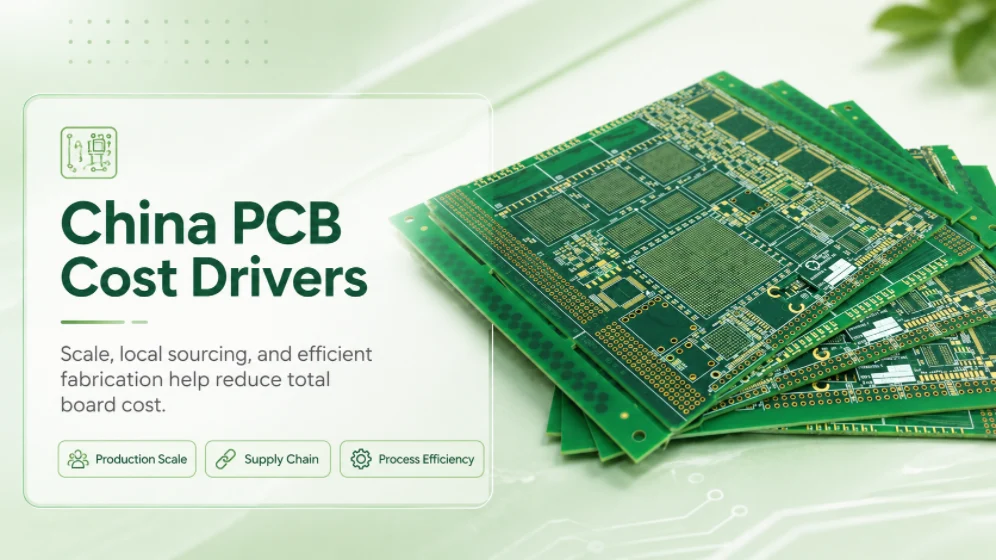
Figure 2. The real PCB cost drivers include laminate, copper weight, layer count, surface finish, testing, panel utilization, and delivery method.
How to Buy China PCBs Without Quality Surprises
You can capture the cost advantage and still get reliable boards by treating the purchase as engineering, not just procurement.
Key steps to protect quality
- Send complete data: a full file package lets the factory build exactly what you intend.
- DFM feedback catches issues before production.
- Specify the standard: name the IPC class and any test requirements explicitly.
- Confirm inspection: ask what AOI, X-ray, or functional testing is included.
- Ask for documentation: reports, photos, and certificates for your market.
Clear specifications and a review step are what separate a smooth low-cost order from a risky one. A short manufacturing review is the most reliable safeguard, and quick prototype runs through low-volume assembly let you validate quality before committing to volume.
Working With a China PCB Manufacturer
The best results come from treating the factory as an engineering partner. Good collaboration turns the cost advantage into a dependable supply relationship.
Key qualities to look for in a partner
- Technical communication: clear English engineering responses, not just sales replies.
- Integrated capability: fabrication and assembly under one roof reduce handoffs.
- Revision control: disciplined tracking prevents costly version errors.
- Quality systems: documented inspection and process control.
- Export experience: smooth logistics and paperwork for your destination.
A partner with these traits delivers the price benefit without the usual risks. Our HDI capability and metal-core assembly show how specialized work and competitive cost can coexist when the supply chain and engineering are both strong.
Is It Safe to Order PCBs from China?
Lower cost only helps if the boards are reliable and your design is protected. The good news is that quality and safety come down to choosing the right supplier and setting clear terms, not to the country itself.
Key points for ordering safely
- Quality systems: look for ISO 9001 and builds to IPC class standards.
- IP protection: a signed NDA keeps your design and files confidential.
- Payment terms: staged payments reduce risk on a first order.
- Samples first: approve a prototype before committing to volume.
- Communication: clear English technical replies prevent costly mistakes.
- Certifications: ask for UL, RoHS, and test reports your market needs.
With these steps in place, overseas customers routinely get dependable boards at China pricing.
China PCB Cost vs Domestic Manufacturing
The headline unit price is only one part of the comparison. A fair China-versus-domestic decision weighs minimums, lead time, shipping, and duties together as a total landed cost.
Key factors to compare
- Unit price: China is usually lower, especially at volume.
- Minimum order: domestic shops may accept smaller runs.
- Lead time: local builds can be faster door to door.
- Shipping: freight and mode add cost and days from overseas.
- Tariffs: duties can narrow the price gap on some products.
- Total landed cost: the only number that allows a fair comparison.
| Factor | China | Domestic |
|---|---|---|
| Unit price | Lower at volume | Higher per board |
| Lead time | Add shipping days | Often shorter |
| Minimums | Higher MOQ common | Smaller runs available |
| Best for | Volume and cost | Speed and small lots |
For most volume production, the landed-cost math still favors offshore building, which is why teams partner with a supplier like Highleap Electronics for repeat orders.
Frequently Asked Questions
Are cheap China PCBs lower quality?
Not inherently. The lower price comes from supply-chain density, scale, and automation. Quality depends on the specific manufacturer’s process control and inspection, so a capable factory can offer low cost and high quality at the same time.
Why is Shenzhen so important for PCBs?
Shenzhen and the surrounding Guangdong region concentrate laminate, components, fabrication, assembly, tooling, and export logistics in one place. That proximity removes time and cost from every stage of building a board.
Does volume really change the price that much?
Yes. Tooling and setup costs are fixed, so spreading them across more boards lowers the unit price significantly. This is why prototype pricing per board is much higher than volume pricing.
What is total landed cost?
It is the full delivered cost of a board, including unit price, shipping, duties, lead time, and the cost of any quality issues. Comparing total landed cost is more accurate than comparing unit price alone.
How do I avoid quality problems with overseas boards?
Send a complete data package, request a DFM review, specify the IPC class and test requirements, confirm what inspection is included, and validate with a small run before scaling. These steps protect quality while keeping costs low.
Is the cost advantage the same for all board types?
No. It is largest for standard and mid-complexity boards made in volume, and narrower for highly specialized work such as RF boards, where material and process control matter more than scale.
Can a China manufacturer support an overseas engineering team?
Yes, when it has strong technical communication, revision control, documented quality systems, and export experience. Treating the supplier as an engineering partner rather than only a low-price source produces the best outcome.
Are cheap PCBs from China lower quality?
Not inherently. Price reflects scale and supply-chain efficiency more than corner-cutting. Quality depends on the specific factory, its process controls, and how clearly the order is specified; a well-run shop building to a complete specification can meet the same standards as anywhere else.

Recommended Posts
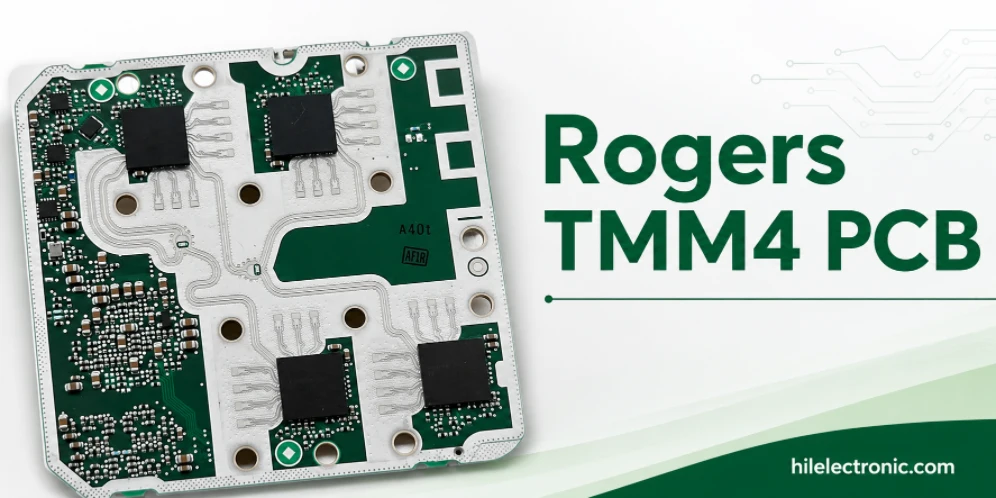
TMM4 Filter PCB Manufacturing
TMM4 filter PCB manufacturing is controlled by the...
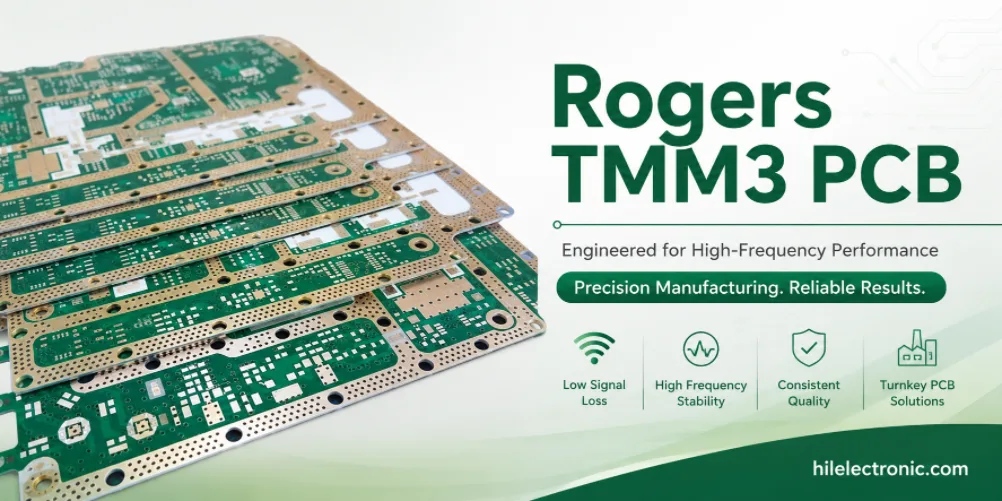
TMM3 PCB Manufacturing for RF Modules
TMM3 PCB manufacturing is most useful where the RF module...
TMM6 PCB Fabrication
TMM6 fabrication is the process-control page for a mid-Dk...
TMM10 PCB Manufacturing for Compact RF Designs
Table of contentsHow TMM10 Shrinks RF StructuresTMM10 vs...
How to get a quote for PCBs
Let‘s run DFM/DFA analysis for you and get back to you with a report. You can upload your files securely through our website. We require the following information in order to give you a quote:
-
- Gerber, ODB++, or .pcb, spec.
- BOM list if you require assembly
- Quantity
- Turn time
For PCBA services, please provide your BOM (Bill of Materials) and any specific assembly instructions. We also offer DFM/DFA analysis to optimize your designs for manufacturability and assembly, ensuring a smooth production process.