
Contract Electronics Assembly Services for OEM and Product Manufacturers
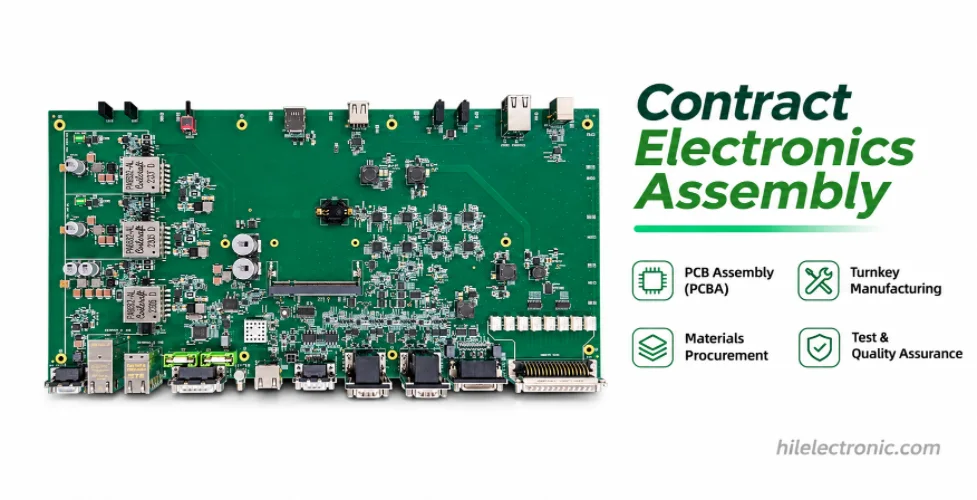
Contract electronics assembly allows OEMs and hardware companies to manufacture released PCB designs without operating their own SMT and through-hole production lines. Highleap Electronics provides PCB fabrication and PCB assembly (PCBA), with component sourcing, inspection, programming and testing organized according to the customer’s approved documents and agreed quotation.
For an OEM, the key decision is not just who can populate a board. It is whether the manufacturing partner can work from the correct PCB revision, purchase the approved components, select suitable assembly processes, and deliver an assembly verified against an agreed acceptance plan. This guide explains how to define the contract scope, prepare production data, control procurement and move from an initial build to repeat orders. For electronic contract manufacturing services, define which design, sourcing, assembly and product-integration activities are included, together with the evidence required at handover.
On This Page
- Contract Assembly Scope for OEMs
- Turnkey, Partial Turnkey and Consigned PCBA
- SMT, Through-Hole and Mixed Technology
- Manufacturing Files and Production Release
- Component Sourcing and Cost Drivers
- Inspection, Testing and Quality Control
- Prototypes, Pilot Builds and Repeat Orders
- RFQ Checklist and FAQs
PCB & PCBA MANUFACTURING
Planning an Outsourced PCBA Build?
Share your Gerbers, BOM, assembly files and target quantity. We can review the production scope before quoting.
Contract Electronics Assembly Services for OEMs
Contract electronics assembly is an outsourcing arrangement in which a manufacturer builds electronic assemblies to a customer’s approved specifications. The OEM normally retains ownership and control of the product design, while the contract manufacturer performs clearly assigned activities such as component procurement, surface-mount placement, through-hole soldering, inspection, testing and delivery. Bare PCB manufacturing may be included, but it should be identified separately from assembly in the quotation.
This arrangement suits industrial equipment manufacturers, power-electronics businesses, communication hardware developers, instrumentation brands and other companies that design their own electronics but prefer to purchase finished PCBAs. The manufacturing plan must reflect the actual product rather than assume that every assembly uses the same board material, parts or test sequence.
What Does an OEM Receive?
The deliverable may be a populated PCB, a programmed assembly or a tested board ready for the next integration stage. It does not automatically include an enclosure, cables, calibration or final-product certification. Highleap’s PCB assembly services for OEM production provide the broader context; the individual purchase order determines exactly what is supplied and accepted.
- Manufacturing responsibility: Which party supplies the PCB, each component and any test fixture?
- Configuration control: Which board, BOM and firmware revisions are approved for the order?
- Acceptance scope: Are workmanship inspection, electrical checks, programming or functional tests required?
- Delivery condition: Are boards shipped individually, in panels, programmed, coated or packaged for further integration?
Full Turnkey, Partial Turnkey and Consigned PCB Assembly
A common misunderstanding is that “contract assembly” always means the factory purchases every component. In practice, the material-supply model can be adjusted to match the customer’s approved supply chain. The assembly process may remain technically identical across models, while purchasing responsibility and inventory risk change substantially.
| Model | Who supplies the materials? | Critical RFQ detail |
|---|---|---|
| Full turnkey | Manufacturer procures the agreed PCB and BOM components. | Approved MPNs, substitutions and sourcing channels. |
| Partial turnkey | Customer supplies selected parts; manufacturer purchases the balance. | BOM line ownership, quantities and shortage allowances. |
| Consigned / kitted | Customer supplies the specified components and possibly bare PCBs. | Receiving, packaging, handling losses and replacement policy. |
For an OEM seeking one purchasing and manufacturing contact, full turnkey PCB assembly can simplify coordination. Partial turnkey may be preferable when an OEM controls a specialized IC, has long-lead components in stock or must use an existing supplier agreement. In a consigned build, component traceability, moisture-sensitive packaging and surplus-material ownership must be addressed before the shipment reaches the factory.
No model is automatically cheaper or faster. The better choice depends on the availability of approved parts, purchasing commitments, stock already owned by the customer and the amount of coordination required.
SMT, Through-Hole and Mixed-Technology Assembly
The component package and mechanical design determine the appropriate manufacturing sequence. Most modern PCBAs combine automated surface-mount placement with selected soldering or manual operations. Assembly planning must account for double-sided placement, heat-sensitive parts, connector geometry and access for inspection and rework.
Surface-Mount Technology (SMT)
For SMT assemblies, solder-paste printing, automated component placement, reflow and inspection depend on consistent component data. Rotation, polarity and part identification must agree across the BOM, placement file and assembly drawing. A dense BGA or QFN layout may also require special stencil planning, thermal review and X-ray access. Highleap’s SMT PCB assembly process is relevant to projects with fine-pitch and high-density surface-mount components.
Through-Hole and Mixed-Technology Assembly
Through-hole technology (THT) is still common for terminal blocks, connectors, transformers and mechanically stressed devices. Depending on component and board constraints, soldering may involve selective, wave or manual processes. On a mixed-technology PCBA, the order of SMT and THT operations should be defined in the process plan; it must not be decided solely by convenience after materials arrive. For boards with substantial leaded components, through-hole PCB assembly requirements should be reviewed alongside the surface-mount layout.
The manufacturer’s job is to reproduce the approved configuration. Any proposed change in package, orientation, soldering method or thermal exposure that affects the product should be resolved with the design owner before the production build.
Manufacturing Files and the Production Release Process
A production-ready PCBA package is more than a ZIP file containing Gerbers. Fabrication and assembly data must refer to one controlled product revision. A board revision paired with an old BOM or a placement file exported from a different CAD version can create errors even when each individual file looks complete.
Files to Include in the RFQ
- PCB data: Gerber or ODB++ output, NC drill files, stackup, board thickness, finish and fabrication notes.
- BOM: Reference designators, quantity per assembly, manufacturer part numbers, approved alternatives and do-not-populate items.
- Pick-and-place file: X/Y coordinates, units, origin, rotation, side and reference designators for placed components.
- Assembly drawings: Polarity, connector direction, top/bottom views and special process instructions.
- Quality and commercial requirements: Test procedure, firmware, quantity, target delivery, sourcing model and packaging criteria.
A common handoff problem is a centroid file that uses a different coordinate origin or rotation convention from the approved drawing. Highleap’s pick-and-place file requirements for PCB assembly explain the coordinate, orientation and revision checks that help prevent programming delays.
From RFQ to a Released Production Order
- Scope review: Agree on quantity, PCB and material responsibility, acceptance criteria and required deliverables.
- Engineering review: Compare revisions, footprints, assembly data and any special fabrication or soldering requirements.
- Material confirmation: Approve component availability, alternatives, customer-supplied parts and purchasing responsibilities.
- Production preparation: Release tooling, stencils, programs, process instructions and test arrangements.
- First-build verification: Confirm the initial assembly and resolve any discrepancies before broader production.
- Assembly and release: Complete the approved inspection/testing plan, document exceptions and prepare accepted boards for shipment.
Early design-for-manufacturing (DFM) checks are valuable when a board has changed revisions, uses new packages or is moving from another supplier. A review can reveal unclear drill/finish specifications, inadequate component spacing, conflicting polarity markings and test-access concerns before material is committed.
Component Sourcing, BOM Control and PCBA Cost Drivers
Component management often controls the actual lead time of a contract electronics assembly order. A single obsolete or allocated IC can delay an otherwise straightforward PCB build. The BOM should distinguish approved manufacturer part numbers from suggestions and identify parts that cannot be substituted without written engineering approval.
Good purchasing control addresses more than unit price. It defines which channels are acceptable, whether date/lot information is required, who may authorize alternatives, and how shortages or leftover stock are handled. These decisions are part of the electronic component sourcing process, not matters to be settled informally at the end of production.
What Changes the Assembly Quotation?
Quoted PCBA cost typically depends on the component BOM, bare PCB specification, number and type of placements, assembly-side count, through-hole operations, board or panel handling, special tools, inspection and test time, order quantity and delivery schedule. Hidden-joint inspection, custom functional-test fixtures, programming and protective coatings should be listed as separate requirements when applicable.
A reliable PCBA quotation defines the included work.
Confirm the PCB revision, material ownership, approved substitutions, manufacturing steps, test coverage, tooling charges and delivery requirements. A low assembly price is not comparable to a turnkey, fully tested quotation unless the scopes are equivalent.
Inspection, Testing and Production Quality Control
Quality requirements should be agreed before the assembly starts. Visual inspection, automated optical inspection, X-ray and functional testing check different characteristics; no single method proves that the entire product will work under every operating condition. Test coverage must be based on the customer’s product requirements and available access to the relevant nodes or functions.
- Visual workmanship inspection: Checks visible component orientation, solder appearance and handling condition.
- AOI: Detects many visible placement and solder-joint anomalies; coverage depends on visibility and program setup.
- X-ray where needed: Helps evaluate hidden joints under BGA and other bottom-terminated packages.
- Electrical checks: Can identify selected shorts, opens or incorrect electrical states when test access permits.
- Functional testing: Checks defined behavior, such as power-up, communication or input/output responses, using an agreed procedure.
For inspection planning, Highleap describes the role and limitations of automated optical inspection (AOI) in PCB assembly. Even a visually acceptable board may require electrical or functional verification, while a functional test cannot automatically identify every latent solder defect.
First-Article Approval and Change Control
When a board is new to the production line or has a major revision, first-article verification checks whether the assembled unit matches the released data. Component identity, orientation, solder joints, assembly configuration and any specified tests can be recorded before quantity production is authorized. Highleap’s first-article inspection for PCB assembly provides more information on the initial build-verification stage.
A repeat order still requires change control. A revised BOM, alternate part, new firmware version or changed PCB finish should not be treated as equivalent to the previous approved build without review. Inspection records are most useful when they can be linked to the correct product revision and agreed acceptance criteria.
From Prototype PCB Assembly to Recurring OEM Production
Prototype, pilot and recurring production orders have different objectives. A prototype may expose missing assembly notes or incorrect placement data; a pilot batch tests whether the process can be repeated; a recurring program requires stable documentation, purchasing controls and predictable acceptance steps. A successful prototype does not by itself prove that a high-volume route has been qualified.
Before increasing order quantities, close open engineering issues, confirm approved component alternatives, finalize testing and packaging requirements, and check material lead times. Highleap’s low-volume and prototype PCB assembly information is useful for teams preparing early builds before committing to repeat orders.
What to Compare When Selecting a Contract Manufacturer
Ask prospective suppliers how they prevent revision mismatches, approve component substitutes, manage shortages, review manufacturability, handle first-article evidence and define inspection/test coverage. Also confirm the quoted deliverable: a bare PCB, an assembled PCBA, a programmed board or a higher-level product. These details are more actionable than unqualified promises of “best quality” or “fastest delivery.”
Contract Electronics Assembly RFQ Checklist and FAQs
To request a useful quote from Highleap Electronics, provide your current PCB fabrication data, BOM with approved MPNs, pick-and-place file, assembly drawings, quantity and target schedule. State whether the manufacturer should source the full BOM, selected items or no components. If programming or functional testing is required, attach the test specification and clarify who will supply the fixture or firmware.
Is contract electronics assembly the same as EMS?
The terms overlap. Contract electronics assembly usually emphasizes outsourced PCBA production; electronics manufacturing services (EMS) may also cover a broader manufacturing relationship. The confirmed scope in the quotation is more important than the marketing label.
Can I supply critical ICs and have the factory purchase everything else?
Yes, that is a partial-turnkey arrangement. Identify customer-supplied BOM lines, part numbers, quantities, handling requirements and responsibility for shortages before the build.
Are all boards functionally tested?
Not automatically. The appropriate inspection and test plan depends on the board design and the requirements agreed for the order. A defined functional test usually needs approved pass/fail criteria and suitable equipment or fixtures.
Can I send files before my assembly drawings are complete?
You can request an initial scope review, but missing placement, BOM or test information can limit pricing accuracy. Mark any incomplete files or provisional decisions explicitly so they are not mistaken for a production release.
HIGHLEAP ELECTRONICS · PCB FABRICATION & ASSEMBLY
Ready to Quote Your Contract Electronics Assembly Project?
Send your Gerbers, BOM, placement files and planned quantity. Tell us which components you will supply and what inspection or testing is required so the quotation reflects the actual manufacturing scope.
Prototype or repeat production · Scope and lead time confirmed after review.

About the Author
Ashley
Senior International Business Manager at Highleap Electronics
Ashley specializes in one-stop PCB and PCBA solutions, supporting international customers with DFM analysis, Gerber file optimization, and engineering coordination from PCB fabrication through EMS production.
With strong technical communication skills and fluent English, she works closely with engineering teams to align design intent, manufacturing processes, and quality requirements—helping ensure reliable delivery for complex PCB and PCBA projects.

Recommended Posts
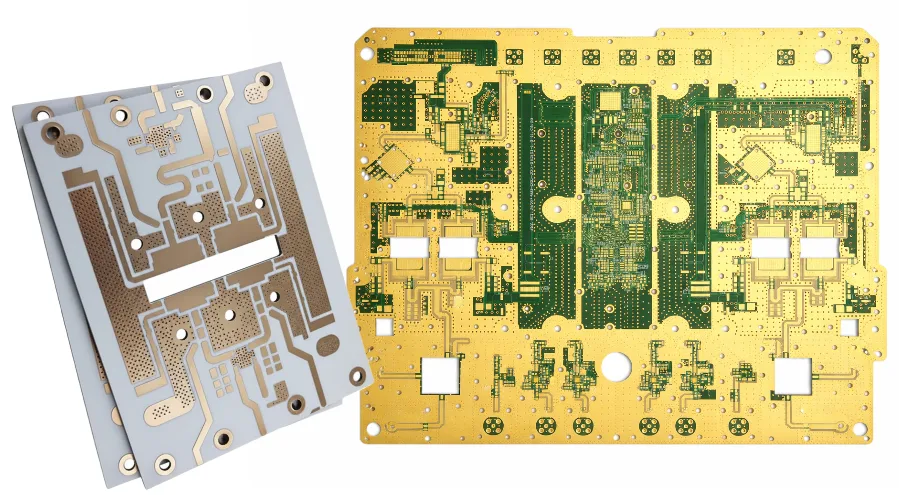
PCB Materials Database: Laminate Grades & Properties
How to get a quote for PCBs Let‘s run DFM/DFA analysis for...
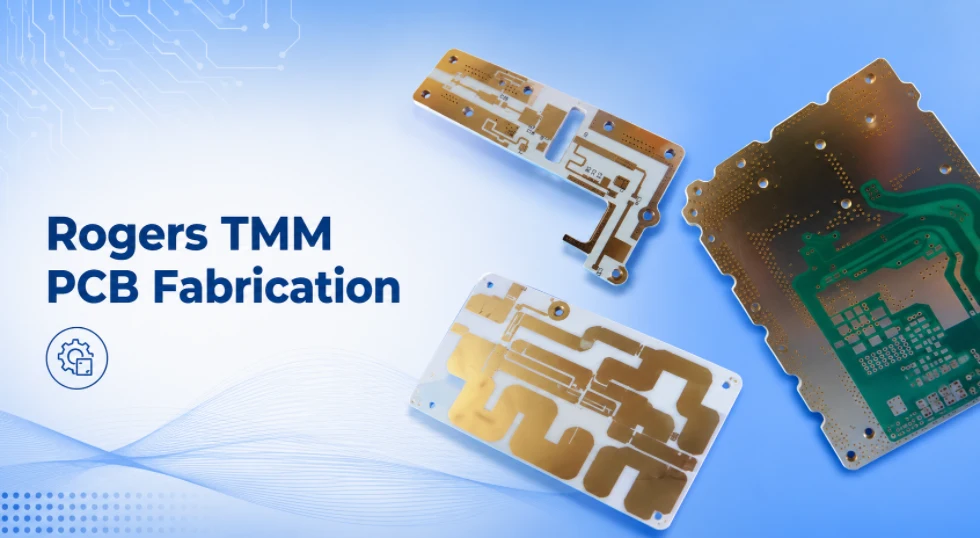
TMM PCB Fabrication
Table of Contents TMM PCB Fabrication Scope for RF and...

RT duroid 6002 PCB Quote and Stackup
This page owns the quotation and stackup-definition task...
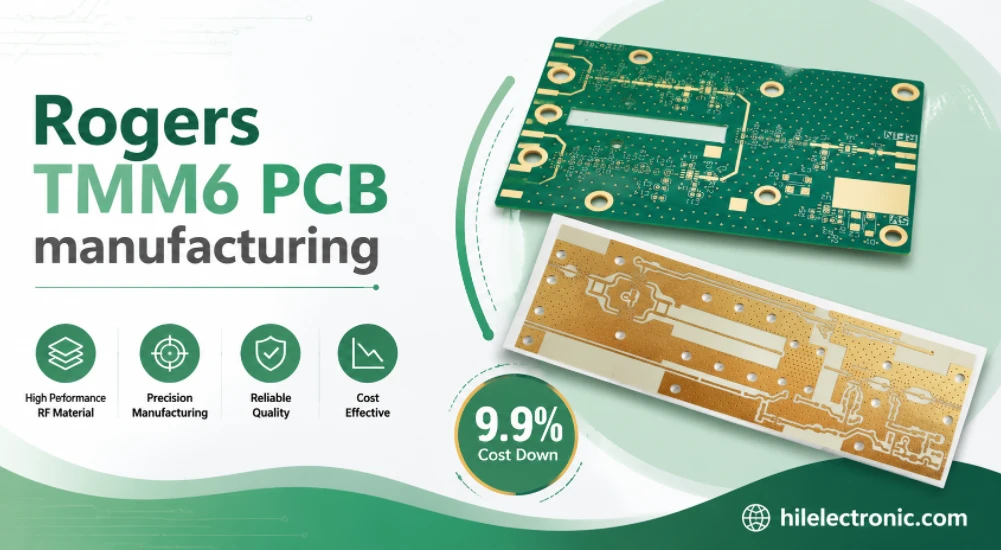
TMM6 Filter PCB Manufacturing
Table of contentsWhy Microwave Filter Designers Use...
How to get a quote for PCBs
Let’s run DFM/DFA analysis for you and get back to you with a report. You can upload your files securely through our website. We require the following information in order to give you a quote:
-
- Gerber, ODB++, or .pcb, spec.
- BOM list if you require assembly
- Quantity
- Turn time
For PCBA services, please provide your BOM (Bill of Materials) and any specific assembly instructions. We also offer DFM/DFA analysis to optimize your designs for manufacturability and assembly, ensuring a smooth production process.