
EVT DVT and PVT PCB Assembly: From Validation to Production
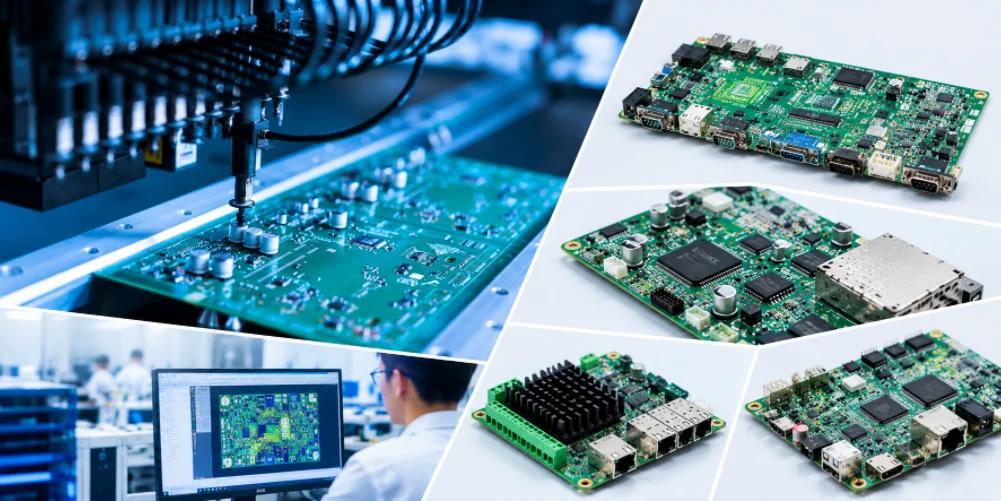
Highleap Electronics supports EVT, DVT and PVT PCB assembly for new product introduction (NPI) programs moving a new board from released design to repeatable production. We fabricate and assemble the engineering builds, pilot lots and first production orders, and feed the findings from each build back to your engineering team so problems are fixed in the design data, not worked around on the line.
NPI is not a single build. It is a sequence of builds, each with a different purpose, and the risk in each one is different: an incomplete data package in the first build, an unvalidated alternate part in the pilot, a test procedure that does not scale in the first production order. Teams that treat every build the same way tend to discover manufacturing problems at the most expensive point, after the product has launched. This page explains how Highleap structures NPI assembly, what each stage should produce, and what to expect from a manufacturer at the hand-off to volume.
Table of contents
EVT · DVT · PVT PCB ASSEMBLY
Planning a New Product Launch?
Share your design files, build plan and target production volume. We review the data for manufacturability and quote each NPI stage.
Request an EVT/DVT/PVT Build Quote →EVT, DVT and PVT PCB Assembly Stages
EVT, DVT and PVT PCB assembly builds move a new board through engineering, design and production validation. The names vary between companies, but the purpose of each stage determines what the assembly partner must deliver.
| Stage | Typical quantity | Question the build answers | What the manufacturer should deliver |
|---|---|---|---|
| EVT (engineering validation) | 5–10 units | Does the design work? | Correctly built boards, DFM/DFA findings, list of data gaps |
| DVT (design validation) | 10–25 units | Does it meet specification, compliance and reliability targets? | Production-intent parts and process, build record per serial number, defect data |
| PVT (production validation / pilot) | 25–100 units | Can it be built repeatably at the intended rate and yield? | Production tooling, final test procedure, first article report, yield and defect summary |
| Production ramp | Planned volume | Can supply meet demand with stable quality? | Released process, controlled changes, lot traceability |
Each stage should end with a decision: which findings must be fixed in the design, which can be accepted, and whether the next stage can start. A build that produces boards but no findings has only done part of its job.
Can EVT Boards Be Built Differently from Production?
EVT boards can use partial population, hand-placed parts or temporary alternates, as long as the team knows which results are affected. From DVT onward the build should match the intended production process. Reliability and compliance results from boards built with a different process, different parts or a different solder profile do not transfer reliably to the production product.
NPI Readiness Review Before the First Build
Before parts are ordered for the first build, Highleap reviews the design package as a manufacturing release, not just a quotation input. The review covers:
- Data consistency: Gerber/ODB++, BOM, centroid file and assembly drawing at the same revision; every designator present in all of them.
- Bare-board requirements: stackup, material, impedance, finish and tolerance requirements specified clearly enough to fabricate without assumptions.
- BOM completeness: manufacturer part numbers on every line, lifecycle status, single-source and long-lead parts identified.
- Assembly constraints: polarity marking, components with special soldering or handling needs, press-fit parts, no-wash or no-coat areas.
- Test intent: what will be tested, where test access exists, and who provides the procedure.
Findings are reported back for your decision. The sample PCBA DFM report shows the format.
DFM, DFA and DFT Feedback During NPI
NPI is the only point in a product’s life when manufacturability changes are cheap. After launch, every layout change means requalification, new stencils and stock write-offs. The goal is to collect manufacturing feedback in the first builds while the layout can still change.
Design for Manufacturing (Bare Board)
Annular ring, drill-to-copper spacing, solder mask slivers, copper balance and panelization affect fabrication yield and cost. Our DFM review flags features that fabricate only with tight process margins and suggests alternatives.
Design for Assembly
Pad geometry, component spacing for rework, thermal balance on small passives, via-in-pad treatment and component orientation determine first-pass assembly yield. Design for assembly findings from EVT should be closed before DVT layouts are released.
Design for Test
Test strategy is often decided too late, after the layout has no room for test points. Adding test access for power rails, programming interfaces and key nets during EVT makes flying probe, in-circuit and functional testing possible at volume. Our DFT guidelines cover test point size, spacing and placement.
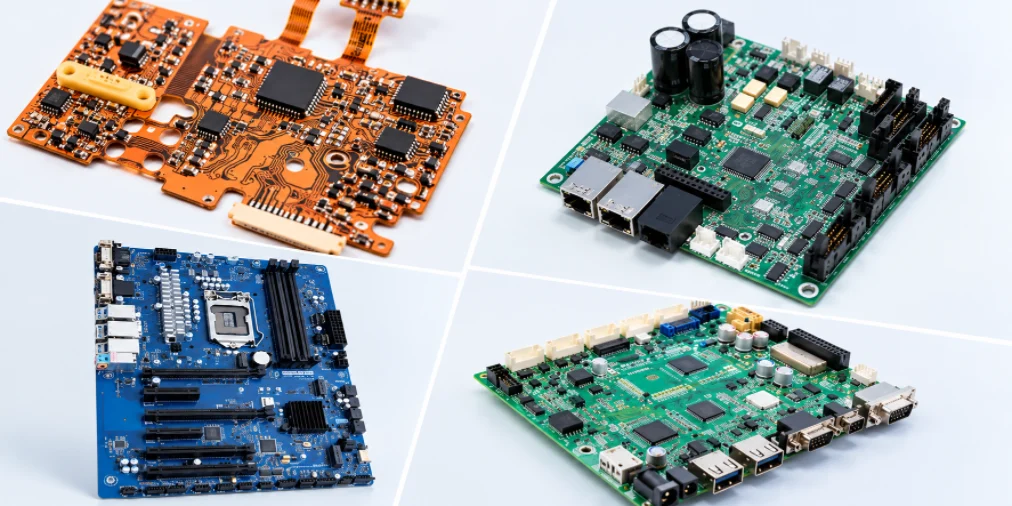
Four populated circuit board designs with different interfaces
Locking the BOM and Supply Chain for Launch
Many NPI programs pass validation and then miss their launch date because a component cannot be bought in production quantities. Supply chain readiness deserves the same attention as design validation.
- Lifecycle check: confirm no part is NRND or near end of life before DVT. Replacing a part after DVT means repeating validation.
- Production-volume availability: a part with 50 pieces in distributor stock is fine for EVT and a problem for a 2,000-unit ramp. Check factory lead time, not just current stock.
- Alternate qualification: decide which lines can accept alternates and validate them during DVT, so substitutions in production do not need a new qualification.
- Long-lead buys: release purchase orders for long-lead ICs early, sometimes before PVT, if the launch date depends on them.
- Package and packaging: production orders should use reels or trays, not cut tape, and the BOM should specify the exact orderable part number including packaging and temperature grade.
Include the expected production volume when you request an NPI quotation, so our component sourcing review can check availability at ramp quantities, not just for the first build. Supply decisions can then be made alongside design decisions.
First Article Inspection and the Pilot Build
The pilot build is the rehearsal for production. It should use production stencils, panel design, reflow profiles, inspection programs and test procedures, so that what passes the pilot also passes in production.
What Does a First Article Inspection Cover?
First article inspection compares the first assembled board against the released documentation: every component’s value, part number, polarity and orientation; solder joint quality to IPC-A-610 at the agreed class; X-ray of BGA and bottom-terminated components; and any specified mechanical or marking requirements. The result is a record that shows the process, not just the board, matches the design. Our PCBA first article inspection page describes the steps.
What Should a Pilot Build Report Include?
At minimum: the quantity built and passed, every defect found with its location and cause, rework performed, test results, and open issues with an owner. Defects that cluster at one designator usually point to a footprint, stencil or placement issue that should be fixed before ramp. A pilot build without a defect summary leaves the production risk unknown.
NPI to Production Hand-Off Checklist
Before releasing the first production order, confirm each item below is closed. Open items do not always block release, but each should have a decision and an owner.
| Area | Ready for production when |
|---|---|
| Design data | One released revision set, all DFM/DFA findings closed or formally accepted |
| BOM | Orderable part numbers, approved alternates validated, long-lead parts on order |
| Process | Stencil, panel, reflow profile and inspection programs released from the pilot |
| Test | Written test procedure, fixture available, pass/fail limits agreed |
| Quality | First article approved, workmanship class agreed, traceability level defined |
| Change control | ECO process agreed: how changes are requested, approved and made effective |
Keeping NPI and production with the same manufacturer avoids repeating the first article and process qualification at a second supplier. Highleap supports orders from pilot quantities through volume PCB assembly using the process released during NPI. For a broader view of the planning involved, see our article on APQP from prototype to production.
EVT, DVT and PVT PCB Assembly FAQ
What is the difference between prototype assembly and EVT/DVT/PVT PCB assembly?
A prototype build answers whether a design works. EVT, DVT and PVT PCB assembly covers the validation sequence up to production release, while the broader NPI process also includes manufacturing feedback, supply chain preparation, first article inspection and the pilot build that make the product repeatable.
Can Highleap fabricate the PCBs as well as assemble them?
Yes. Fabricating and assembling under one supplier keeps bare-board and assembly findings in one review and removes a shipping step from each NPI build.
Can we change the design between NPI builds?
Yes, that is expected. Send each new revision as a complete data set and list what changed. We review the changes and update stencils, programs and fixtures as needed.
Which quality standards apply to NPI builds?
Workmanship is inspected to IPC-A-610 at the class you specify. For regulated products, state the applicable industry requirements at the start of NPI so documentation and traceability are set up from the first build. Highleap’s quality certifications are listed on our certifications page.
Can you develop the functional test?
Functional testing can be run to your written procedure and pass/fail limits. Fixture and test development scope is agreed per project. Developing a functional test can take one to two weeks, so plan it during DVT rather than at the pilot build.
EVT · DVT · PVT PCB ASSEMBLY · RFQ
Plan EVT, DVT and PVT PCB Builds with One Manufacturer
Send the design package, the planned build stages with quantities, and the expected production volume. We quote each stage and return a manufacturing review before the first build.
EVT, DVT, PVT and production · PCB fabrication and assembly.

Recommended Posts
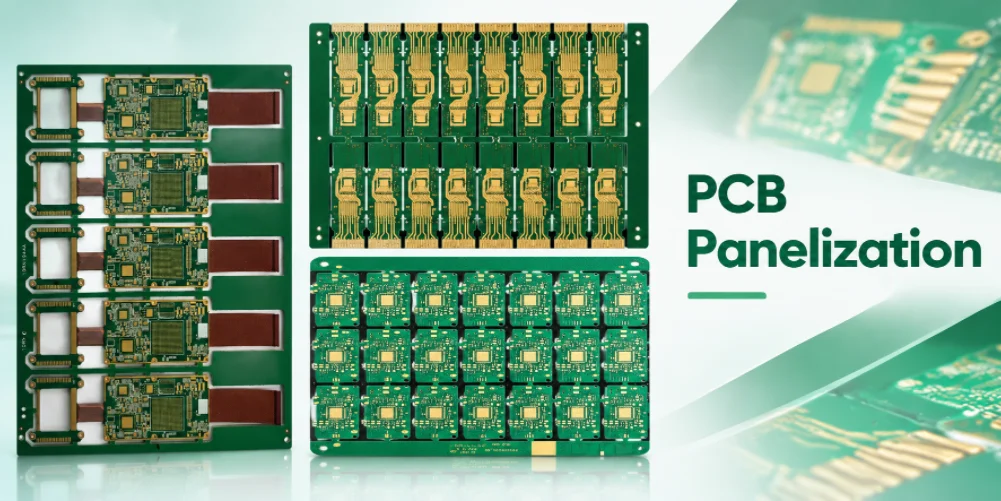
Small PCB Panelization: Array Design and Depaneling
Imagine a 26 × 18 mm circuit that must pass through...
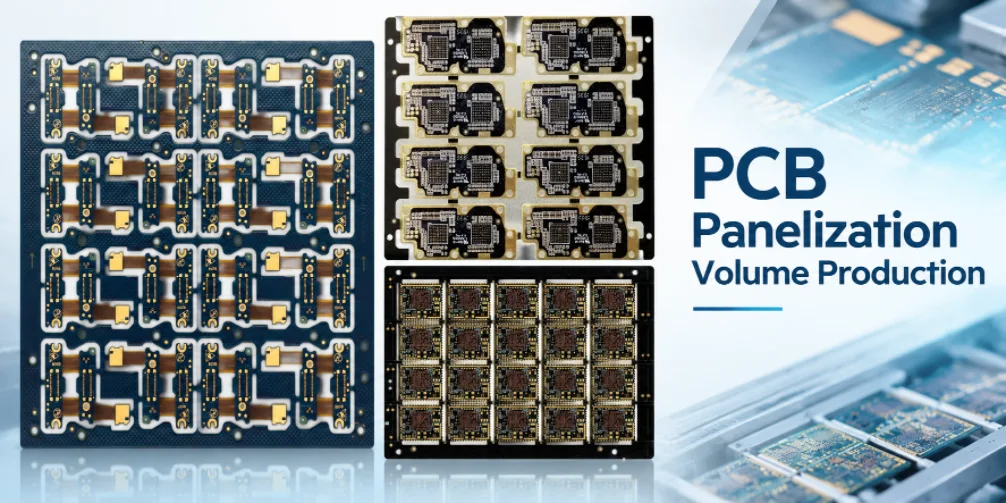
PCB Panelization for Volume Production: Cost and Yield
A fabrication panel that holds more boards is not...
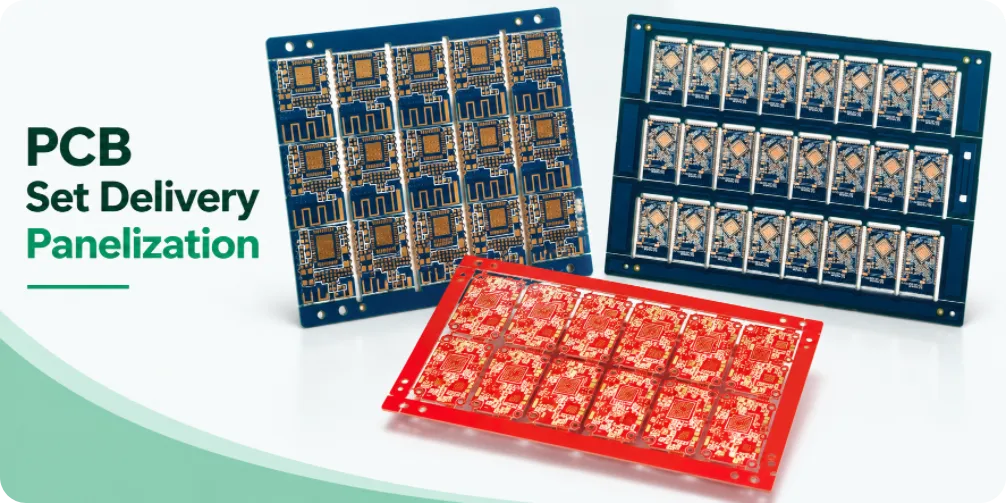
PCB SET Delivery and Panelization: Quantities and Acceptance
A purchase order for “500 SET” looks straightforward until...
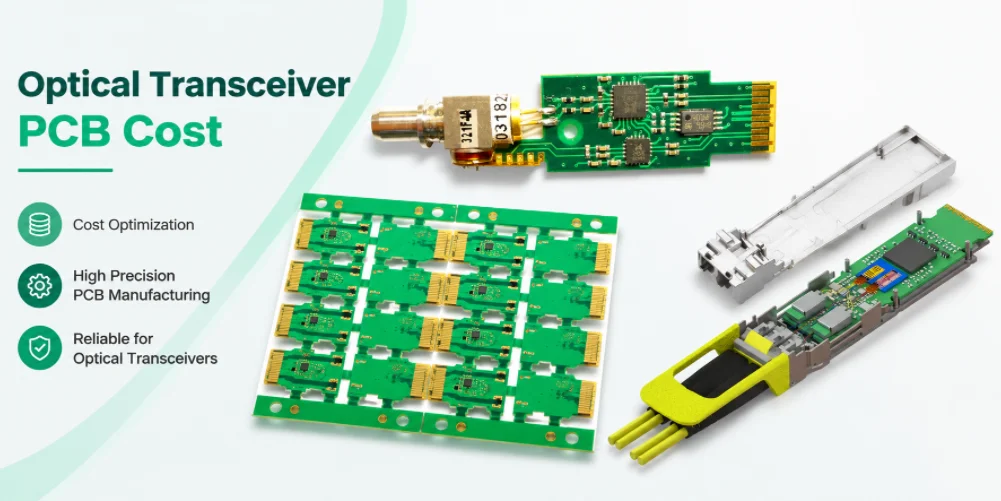
Optical Transceiver PCB Cost: Compare Equivalent Quotes
Two suppliers may quote a nominally identical six-layer...
How to get a quote for PCBs
Let‘s run DFM/DFA analysis for you and get back to you with a report. You can upload your files securely through our website. We require the following information in order to give you a quote:
-
- Gerber, ODB++, or .pcb, spec.
- BOM list if you require assembly
- Quantity
- Turn time
In addition to PCB manufacturing, we offer a comprehensive range of electronic services, including PCB design, PCBA, and turnkey solutions. Whether you need help with prototyping, design verification, component sourcing, or mass production, we provide end-to-end support to ensure your project’s success.
For PCBA services, please provide your BOM (Bill of Materials) and any specific assembly instructions. We also offer DFM/DFA analysis to optimize your designs for manufacturability and assembly, ensuring a smooth production process.