
Halogen Free PCB Material Manufacturer for Compliant PCB Fabrication and Assembly
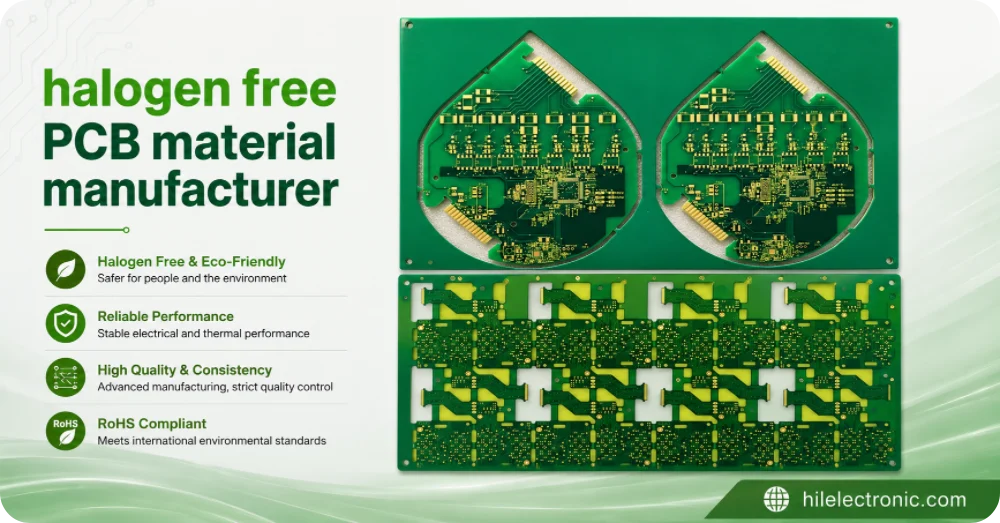
Halogen free PCB material manufacturing is usually a sourcing and compliance question, not a general environmental topic. Buyers want to know what the requirement really covers, which materials have to comply, what documents must be supplied with the shipment, and whether the same rule applies only to the bare board or to the full PCBA as well.
At Highleap Electronics, we review halogen-free projects from the production side. That means checking the laminate and prepreg family, solder mask and legend system, any BOM-related compliance boundary, and the exact document package needed before shipment. For related material topics, see halogen-free PCB manufacturing, halogen-free materials, and lead-free PCB.
What a Halogen-Free Requirement Actually Covers
The first task is defining the compliance boundary
Many RFQs mention “halogen free” without saying whether the requirement applies only to the laminate system or to every material that stays on the finished board. That distinction changes the quote, the approval workflow, and the type of records Highleap needs to prepare.
In some projects, the customer only wants halogen-free laminate and prepreg. In others, the requirement extends to solder mask, legend ink, adhesives, coatings, and even the assembly materials used in the final PCBA. Highleap treats that boundary as a manufacturing input, not as a minor purchasing detail.
Compliance should be written into the production package
If the compliance scope is not written clearly in the drawing package or purchasing notes, the supplier may quote one material boundary while the customer expects another. A clean manufacturing package should identify the standard, the affected materials, the allowed substitutes, and the records expected with the shipment.
Bare PCB Scope vs Full PCBA Scope
The same keyword can describe two different orders
A halogen-free bare PCB order is not the same as a halogen-free PCBA order. The first is mainly a laminate and fabrication-material control issue. The second also involves assembly consumables, BOM traceability, and component-level documentation if the customer requires it.
- Bare PCB only: laminate, prepreg, solder mask, legend, finish, and board records
- PCBA scope: adds BOM compliance, assembly consumables, and extra documentation review
- Export programs: often combine halogen-free, RoHS, and customer-specific declarations
- Repeat production: needs substitute control and lot traceability from the start
That is why Highleap asks early whether the job is bare-board fabrication only or part of a broader PCB assembly services program. The answer affects both pricing and the compliance workflow.
Halogen-free and lead-free should not be treated as the same instruction
They often appear together in export electronics specifications, but they are not interchangeable. Halogen-free is a material-scope question. Lead-free is more closely tied to soldering process, surface finish, and assembly temperature. Mixing the two into one vague line item creates unnecessary engineering questions later.

Material Selection and Supply-Chain Control
Approved material families matter more than generic labels
On real orders, the challenge is not simply finding a laminate that can be described as halogen-free. The real task is selecting a material system that fits thickness, layer count, copper weight, assembly temperature, and lead-time expectations while still meeting the compliance requirement.
| Area | What Highleap checks | Why it matters |
|---|---|---|
| Laminate and prepreg | Approved family, thickness, thermal fit | Controls core electrical and mechanical behavior |
| Solder mask and legend | Compatibility with board finish and compliance request | Can affect both documentation and production fit |
| Material substitution | Approval process and traceability rule | Prevents uncontrolled changes on repeat orders |
For OEM and export programs, supply-chain control matters as much as the board build itself. If a material is compliant but unstable in availability, it can still become a production problem. Highleap therefore reviews lead time, approved equivalents, and documentation readiness before the quote is finalized.
Documentation should follow the approved material path
A strong halogen-free process does not rely on memory. The approved material family, supplier data, and customer-required records should be tied together so the same logic can be used on prototype, pilot, and volume orders.
Fabrication and Assembly Controls
Compliance does not remove ordinary manufacturing risks
Even when the materials are approved, the board still needs normal process control: stackup accuracy, drilling quality, plating reliability, solder mask registration, surface finish review, and electrical test. If the project also includes lead-free assembly, the material system should be checked against the expected reflow and rework exposure.
For full PCBA builds, Highleap connects the bare-board review with assembly planning so the compliance requirement does not get separated from the real production flow. That includes BOM scope, solderability, inspection coverage, and any records needed for shipment release.
Assembly scope changes the compliance workload
When halogen-free moves from bare board to full assembly, the review becomes broader. Component package sensitivity, finish choice, stencil planning, and the assembly inspection method may all affect how the order is prepared and documented. If the project includes compliance-driven export requirements, it is better to resolve them before the first build than after finished goods are waiting to ship.
Documents and Quote Preparation
A useful RFQ should state the rule, not just the keyword
To quote a halogen-free project accurately, Highleap normally needs more than Gerber files. The request should say what the halogen-free requirement covers, what records are needed, and whether the order is bare board only or includes assembly.
- Gerber or ODB++, drill data, and fabrication drawing
- Halogen-free standard or customer-specific compliance note
- Scope of materials covered by the requirement
- Any declaration, CoC, RoHS, or REACH-related records needed at shipment
- BOM and assembly data if the project includes PCBA
- Volume, delivery target, and substitute approval rules
When those points are included in the first RFQ, Highleap can evaluate the material path, documentation load, and production risk together instead of sending the customer back for clarification after the quote has already started.
FAQs
Does halogen-free PCB automatically mean the full assembly is halogen-free?
No. The customer has to define whether the rule applies only to the bare board or to the whole PCBA scope, including assembly materials and component-related records.
What documents are usually requested on a halogen-free order?
Typical requests include a certificate of conformity, material declaration, supplier material data, and any RoHS or REACH-related paperwork required by the customer or the export program.
Can Highleap quote halogen-free bare boards and halogen-free PCBA under the same project?
Yes. The important point is to define the compliance boundary clearly at quote stage so the material approval path and documentation package match the actual order scope.

Recommended Posts
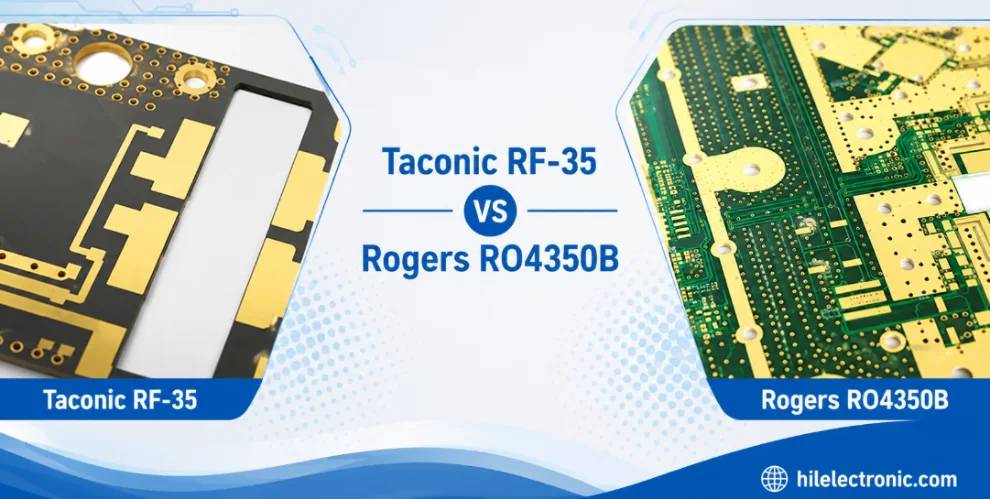
Taconic RF 35 vs RO4350B PCB
Table of contentsRF-35 vs RO4350B Procurement and...
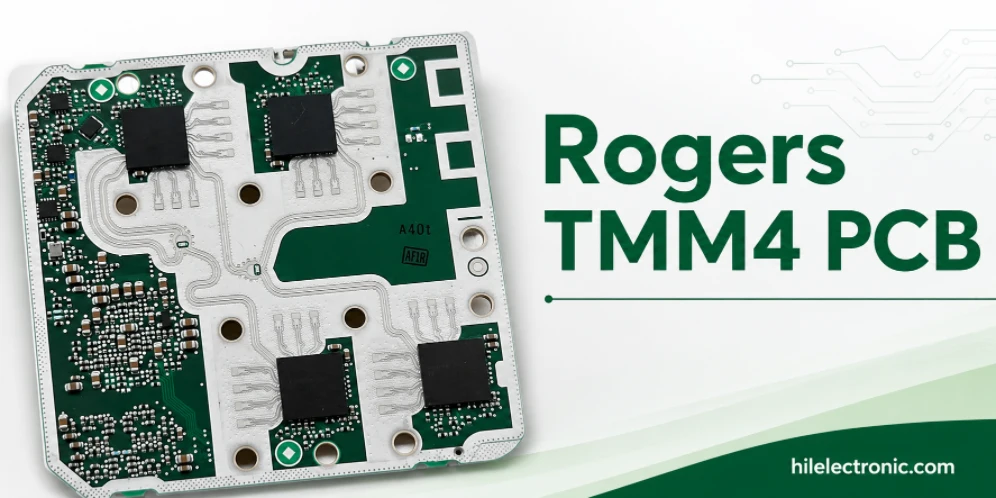
TMM4 Filter PCB Manufacturing
TMM4 filter PCB manufacturing is controlled by the...
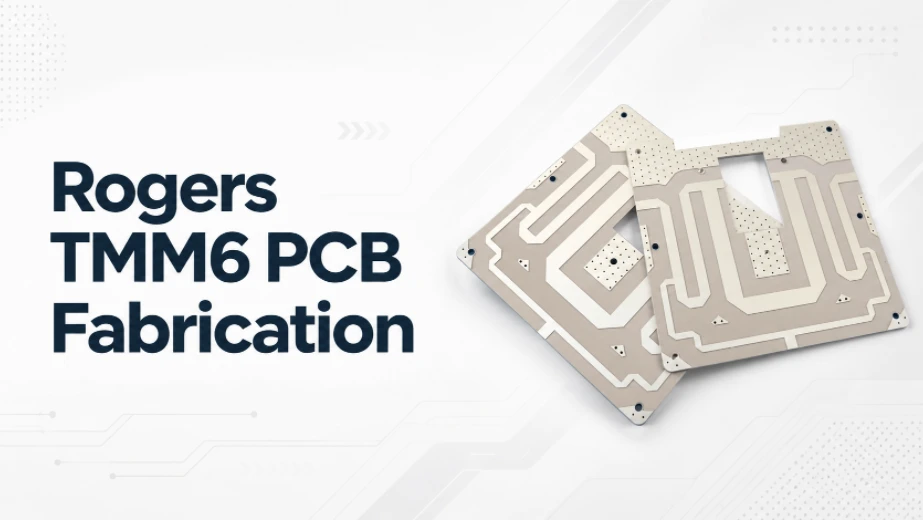
TMM6 PCB Fabrication
TMM6 fabrication is the process-control page for a mid-Dk...
TMM3 PCB Manufacturing for RF Modules
TMM3 PCB manufacturing is most useful where the RF module...
How to get a quote for PCBs
Let’s run DFM/DFA analysis for you and get back to you with a report. You can upload your files securely through our website. We require the following information in order to give you a quote:
-
- Gerber, ODB++, or .pcb, spec.
- BOM list if you require assembly
- Quantity
- Turn time
For PCBA services, please provide your BOM (Bill of Materials) and any specific assembly instructions. We also offer DFM/DFA analysis to optimize your designs for manufacturability and assembly, ensuring a smooth production process.